2023 Volkswagen Jetta Review: Still a Smart Compact Sedan?
Volkswagen Jetta 2023: comfortable, efficient, and roomy
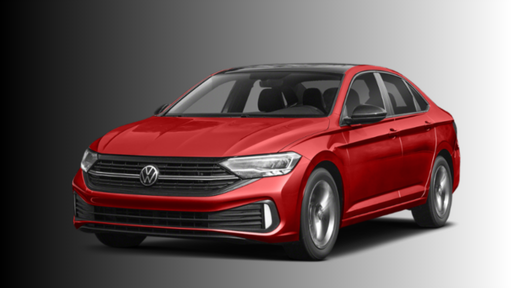
2023 Volkswagen Jetta arrived during a period when compact sedans were already losing ground to crossovers. Buyers were increasingly drawn toward taller vehicles with higher seating positions, while manufacturers shifted much of their attention toward SUVs and electrification. Yet Volkswagen continued to invest in the Jetta, refining a formula that had quietly earned a loyal following over several generations.
That formula was never about dominating comparison tests with flashy features or headline-grabbing performance figures. Instead, the Jetta built its reputation by focusing on the fundamentals. It offered a comfortable ride, impressive fuel economy, a spacious cabin, and a driving experience that felt slightly more mature than many rivals in the compact sedan segment. While competitors often chased aggressive styling or sportier personalities, Volkswagen took a more restrained approach.
Looking at the car in 2026 reveals why the Jetta has aged surprisingly well. Many compact sedans now compete by loading buyers with technology, dramatic styling cues, and increasingly complex powertrains. The Jetta remains refreshingly straightforward. Its turbocharged engine delivers enough power for daily driving without sacrificing efficiency, the cabin prioritizes comfort over visual theatrics, and the overall ownership experience feels designed to reduce stress rather than create excitement.
That may not sound particularly thrilling, but it addresses a reality many buyers eventually discover. Most compact sedan owners spend far more time commuting, running errands, and covering highway miles than they do searching for winding back roads. The Jetta understands that reality better than most vehicles in its class.
The more interesting question in 2026 is whether that approach still makes sense. With newer versions of the Honda Civic, Hyundai Elantra, Toyota Corolla, and Mazda3 continuing to raise the bar, can the 2023 Volkswagen Jetta still justify a place near the top of a buyer’s shortlist? The answer depends less on outright performance and more on what you value in an everyday car.
Our Take
The 2023 Volkswagen Jetta succeeds because it knows exactly what it wants to be.
Many compact sedans attempt to appeal to everyone at once. Some try to look sporty, others focus heavily on technology, and a few chase luxury-car ambitions despite operating within economy-car budgets. The Jetta takes a different route. It prioritizes comfort, efficiency, refinement, and everyday usability, then builds the rest of the car around those strengths.
That approach works remarkably well. The turbocharged 1.5-liter engine provides more low-end torque than many naturally aspirated competitors, making the car feel relaxed and effortless during normal driving. The ride quality is composed without feeling soft, highway cruising remains quiet by class standards, and the cabin offers a level of maturity that many buyers will appreciate long after the novelty of larger touchscreens and flashy lighting effects wears off.
The Jetta is not the most engaging sedan in its segment. Drivers who prioritize handling precision will likely prefer the Mazda3, while those seeking the most well-rounded package may find themselves drawn toward the Honda Civic. Buyers who want maximum technology for the money may also discover stronger value elsewhere.
Yet the Volkswagen continues to occupy a unique position within the segment. It feels less interested in impressing you during a ten-minute test drive and more interested in making ownership pleasant over the next five years. That distinction becomes increasingly important once the excitement of a new purchase fades.
Viewed from a 2026 perspective, the Jetta remains one of the strongest choices for buyers who value comfort, fuel efficiency, and everyday refinement above all else. It may not be the most memorable compact sedan on the market, but it remains one of the easiest to live with.
Pros & Cons
Pros
- Excellent fuel economy for a non-hybrid compact sedan.
- Comfortable ride quality that suits daily commuting and highway travel.
- Spacious rear seat compared with many direct competitors.
- Turbocharged engine delivers strong low-end torque for everyday driving.
- Clean, straightforward interior layout that remains easy to use.
- Mature driving character that feels more refined than its price suggests.
Cons
- Cabin technology is less impressive than some newer rivals.
- Interior design can feel conservative compared with competitors.
- Handling is competent but not particularly engaging.
- Several desirable driver-assistance features are restricted to higher trims.
- Rear-seat safety performance leaves room for improvement in updated IIHS testing.
- The Mazda3 and Civic offer a more rewarding driving experience.
What’s New for 2023
The story of the 2023 Volkswagen Jetta is less about major changes and more about continuity. Volkswagen had already given the Jetta a significant update for 2022, introducing a new turbocharged 1.5-liter engine, revised styling, updated technology, and additional standard safety equipment. As a result, the company saw little reason to make substantial changes only a year later.
For 2023, the most notable addition was the availability of remote start on the SE trim, alongside a handful of minor cosmetic adjustments throughout the lineup. The overall formula remained unchanged, which was arguably the right decision. Volkswagen had already addressed most of the Jetta’s major weaknesses during the previous refresh, leaving the 2023 model to benefit from a package that felt mature and well sorted rather than newly reinvented.
Looking back from 2026, that stability has worked in the Jetta’s favor. There are no major mid-cycle changes for buyers to worry about, and the 2023 model delivers essentially the same core experience that helped keep the Jetta competitive against newer rivals. Sometimes the best update is knowing when not to change a successful formula.
Exterior Design
The Jetta has never been a car that relies on dramatic styling to attract attention. Even after its refresh, the 2023 model remains one of the most conservative designs in the compact sedan segment, and that is likely to divide opinion depending on what buyers expect from their daily driver.
Park it next to a Hyundai Elantra and the contrast is obvious. The Hyundai uses sharp creases and aggressive angles to create visual drama, while the Jetta takes a far more restrained approach. The lines are clean, the proportions are balanced, and there is very little about the design that feels forced or exaggerated.
That restraint has produced an unexpected advantage. Several compact sedans from the early 2020s already look tied to the styling trends of their era. The Jetta, meanwhile, has aged gracefully because Volkswagen avoided chasing trends in the first place. It still looks contemporary without demanding attention, which is exactly what many buyers in this segment want.
The front fascia carries enough detail to avoid looking anonymous, while the profile remains elegant in a distinctly German way. It is not a car that turns heads in a parking lot, but it projects a sense of maturity that helps it stand apart from some of its more flamboyant competitors.
Viewed from 2026, the Jetta’s design feels less exciting than some rivals, but it also feels less likely to look dated five years from now. There is value in that kind of longevity, particularly for buyers who intend to keep their vehicles for the long term.
Driving Experience
The Jetta’s driving experience reflects the same philosophy as its exterior design. Rather than trying to be the sportiest sedan in the segment, Volkswagen focused on creating a car that feels comfortable, predictable, and easy to live with every day.
From behind the wheel, the first thing many drivers notice is how relaxed the car feels. The steering is accurate without being overly quick, and the chassis responds naturally to driver inputs. There is no artificial sense of sportiness being added through overly heavy steering or aggressive suspension tuning. The Jetta simply goes about its business with quiet competence.
That approach pays dividends during longer drives. Highway stability remains one of the car’s strongest traits, and the suspension does an excellent job of smoothing out imperfect pavement without feeling disconnected from the road. While some competitors prioritize sharper handling responses, the Jetta places greater emphasis on ride composure and driver confidence.
The chassis also feels more substantial than many compact sedans. There is a solid, planted quality to the way the car moves down the road, particularly at highway speeds. This has long been one of Volkswagen’s strengths, and the Jetta continues that tradition. It feels less economy-car-like than its price might suggest.
Drivers looking for genuine athleticism will still find stronger choices elsewhere. The Mazda3 remains the enthusiast’s favorite in this segment, while the Honda Civic offers a more engaging balance between comfort and agility. The Jetta does not try to challenge either of them directly.
Instead, it succeeds by focusing on refinement. After spending time behind the wheel, you begin to appreciate that Volkswagen was aiming for something different. The Jetta is not designed to make every road feel exciting. It is designed to make every day feel easier, and it accomplishes that goal remarkably well.
Performance & Acceleration
The 2023 Volkswagen Jetta is a good example of why horsepower figures rarely tell the whole story. On paper, 158 horsepower does not sound particularly impressive in today’s market, especially when several competitors advertise larger numbers. Yet the Jetta feels quicker in everyday driving than those specifications might suggest.
Much of that comes down to the turbocharged 1.5-liter engine’s torque delivery. With 184 lb-ft available low in the rev range, the engine responds willingly when pulling away from traffic lights, merging onto highways, or overtaking slower vehicles. Drivers rarely need to push the engine hard to access useful performance, which contributes significantly to the car’s relaxed character.
Volkswagen also deserves credit for avoiding the continuously variable transmissions that dominate much of this segment. The available eight-speed automatic behaves predictably and generally feels more natural than many CVTs, while the six-speed manual available on lower trims remains a rarity in a class where manual transmissions continue to disappear. Neither transmission transforms the Jetta into a sports sedan, but both suit the engine’s personality well.
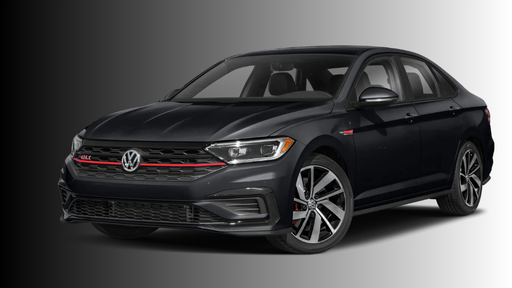
The result is a powertrain that feels refined rather than exciting. Buyers looking for outright performance should consider the Jetta GLI or one of the segment’s sportier alternatives. For everyone else, the standard Jetta provides exactly the amount of performance a compact sedan needs without compromising efficiency.
Ride Comfort & Cabin Refinement
If there is one area where the Jetta consistently distinguishes itself from many rivals, it is ride quality.
Volkswagen tuned the suspension with comfort as a priority, and that decision becomes apparent almost immediately. Broken pavement, expansion joints, and everyday road imperfections are handled with a level of composure that feels more mature than many vehicles in this price range. The car never feels overly soft, but it also avoids the firm edge that sometimes appears in competitors attempting to project a sportier image.
Long-distance travel is where those qualities become most noticeable. The seats provide good support, wind noise is reasonably controlled, and the overall driving environment remains calm even after several hours on the highway. This is one of the reasons why the Jetta continues to attract commuters and frequent travelers who value comfort over cornering limits.
Refinement extends beyond ride quality. The engine remains relatively quiet during normal driving, and the cabin generally feels well insulated from the outside world. Newer competitors may offer slightly quieter interiors, but the Jetta still delivers the kind of relaxed driving experience that many buyers expect from a German sedan.
In a segment where manufacturers increasingly focus on screens, styling, and technology, the Jetta’s commitment to comfort remains one of its strongest selling points.
Interior & Luxury Feel
The interior reveals one of the Jetta’s most appealing qualities: it feels more expensive than it actually is.
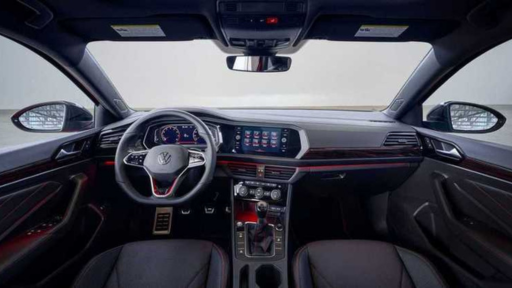
Volkswagen has long been known for creating cabins that prioritize clean design and intuitive operation over visual drama, and the Jetta follows that tradition. The dashboard layout is straightforward, the controls are logically placed, and nothing requires a learning curve. Everything feels designed to be used rather than admired.
Material quality varies depending on trim level, but even lower trims avoid the impression of being built to a strict budget. Higher trims, particularly the SEL, introduce additional soft-touch surfaces and upgraded finishes that move the cabin closer to entry-level luxury territory than many mainstream competitors.
Space is another strength. Front-seat occupants have little reason to complain, while rear-seat passengers benefit from legroom that remains among the best in the compact sedan segment. Adults can comfortably spend extended periods in the second row, something that cannot be said about every competitor.
Perhaps the most impressive aspect of the interior is how well it aligns with the rest of the vehicle. The cabin is not trying to be sporty, futuristic, or extravagant. Instead, it mirrors the Jetta’s overall mission by providing a comfortable, practical, and refined environment that continues to hold up well several years after its introduction.
Technology & Infotainment
Volkswagen deserves credit for resisting the temptation to overcomplicate the Jetta’s technology package. While some manufacturers have moved essential functions into layers of touchscreen menus, the Jetta remains refreshingly straightforward. The infotainment system is easy to navigate, the graphics are clear, and most drivers will feel comfortable using it within minutes rather than days.
Apple CarPlay and Android Auto integration remain among the most useful features, allowing owners to bypass much of the native software and rely on familiar smartphone applications instead. Wireless connectivity and additional convenience features become available on higher trims, but even the lower trims cover the essentials well.
The system may not be the most advanced in the segment, yet it succeeds where many competitors struggle: it rarely gets in the driver’s way.
Fuel Economy
Fuel efficiency remains one of the strongest arguments in favor of the 2023 Jetta.
The turbocharged 1.5-liter engine delivers excellent real-world economy while still providing enough performance for daily driving. Official EPA estimates reach as high as 35 mpg combined on certain automatic-transmission models, placing the Jetta near the top of the non-hybrid compact sedan class.
More importantly, those numbers are achievable without changing driving habits. Owners can enjoy strong highway efficiency, long cruising range, and low operating costs without sacrificing the responsiveness that often disappears in economy-focused powertrains. For commuters covering significant annual mileage, the Jetta continues to make a compelling case for itself.
Practicality & Cargo Space
Practicality has always been one of the Jetta’s core strengths, and that remains true several years after this generation received its most recent updates.
The cabin makes efficient use of its footprint, creating a sense of space that exceeds what many buyers expect from a compact sedan. Rear-seat passengers benefit from generous legroom, and the back seat remains genuinely usable for adults rather than serving as an occasional-use space reserved for shorter trips. Families, rideshare drivers, and commuters will all appreciate the extra room.
The trunk is similarly useful. While it does not lead the segment outright, it offers enough capacity for luggage, grocery runs, airport pickups, and most everyday transportation needs. The wide opening also makes loading larger items easier than the raw cargo figures might suggest.
What separates the Jetta from some competitors is not a single measurement but the overall execution. Storage areas throughout the cabin are thoughtfully placed, visibility remains good, and the car simply feels easy to live with. Small details like these rarely appear in advertisements, yet they play a major role in owner satisfaction over time.
This is ultimately where the Jetta earns much of its reputation. It may not be the most exciting compact sedan on the market, but it consistently handles the responsibilities of daily ownership with very few compromises. That quality becomes more valuable the longer you keep the vehicle.
Safety & Driver Assistance
Safety is one of the few areas where the 2023 Jetta delivers a more mixed story than some of its strongest competitors.
On the positive side, Volkswagen includes a solid foundation of driver-assistance technology throughout much of the lineup. Features such as Forward Collision Warning, Automatic Emergency Braking, Blind Spot Monitoring, and Rear Traffic Alert help bring the Jetta closer to segment expectations. Higher trims can also be equipped with additional assistance systems that make highway driving less demanding.
The driving experience itself contributes to safety as well. Good outward visibility, predictable handling, and strong braking performance help the Jetta feel easy to place on the road. It never feels nervous or difficult to control, even during longer highway journeys where driver fatigue can become a factor.
However, buyers should be aware that the Jetta does not dominate this category. The Honda Civic and a handful of newer competitors offer more comprehensive safety packages across a broader range of trims. Updated IIHS testing also highlighted concerns regarding rear-passenger protection in certain crash scenarios, an area where some rivals have made greater progress.
For most drivers, the Jetta remains a safe and confidence-inspiring compact sedan. It simply no longer sets the benchmark in this category the way it once might have.
Competitors Worth Considering
The compact sedan segment remains one of the most competitive areas of the market, which means the Jetta faces several very capable alternatives.
The Honda Civic continues to be one of the strongest all-around choices. It combines excellent build quality, efficient powertrains, strong resale value, and a more engaging driving experience. If there is a single car that consistently appears on every compact sedan shortlist, it is usually the Civic.
The Hyundai Elantra approaches the segment from a different angle. Its bold styling, generous technology package, and excellent warranty coverage make it particularly attractive to value-conscious buyers. It also offers one of the most spacious cabins in the class.
The Mazda3 remains the enthusiast’s choice. While it sacrifices some rear-seat space, it delivers a more premium interior and sharper driving dynamics than almost anything else in the segment.
Toyota’s Corolla continues to attract buyers through its reputation for reliability, low ownership costs, and the availability of highly efficient hybrid models. It may not feel as refined as the Jetta on the highway, but it remains one of the safest long-term purchases in the class.
What keeps the Jetta relevant is that it sits comfortably between these competitors. It may not lead every category, but it performs consistently well across all of them without any major weaknesses.
Which Trim Does Cardrav Recommend?
The sweet spot in the 2023 Jetta lineup is the SE.
The base S trim keeps the price attractive, while the Sport adds a more distinctive appearance and some desirable equipment. However, the SE is where the Jetta begins to feel like the car Volkswagen intended it to be. Features such as heated front seats, dual-zone climate control, upgraded interior materials, and additional convenience features significantly improve the ownership experience without pushing the price into territory where stronger alternatives begin to emerge.
The SEL is undoubtedly the most luxurious version of the standard Jetta, but the price premium becomes harder to justify. At that point, buyers are approaching vehicles that offer stronger performance, more advanced technology, or a more premium badge.
For most shoppers, the SE provides the best balance of comfort, features, efficiency, and value. It captures the strengths that make the Jetta appealing without stretching the budget unnecessarily.
Final Verdict: Should You Buy It?
The 2023 Volkswagen Jetta is not the most exciting compact sedan you can buy in 2026. Volkswagen never intended it to be.
Instead, it focuses on delivering something that many buyers ultimately value more: consistency. It is comfortable on long drives, efficient during daily commuting, spacious enough for family duties, and refined enough to feel a class above some direct competitors. Those qualities may not generate headlines, but they tend to matter more after several years of ownership.
The Civic remains the more complete all-around package. The Mazda3 is more engaging to drive. The Elantra offers more visual flair and technology. Yet the Jetta continues to make a strong case for itself by avoiding major compromises and executing its mission exceptionally well.
That mission is simple. Provide an affordable sedan that feels mature, economical, and easy to live with every day. Few vehicles in this segment accomplish that goal as effectively.
For buyers who prioritize comfort, fuel economy, and long-term usability over excitement and attention-grabbing features, the 2023 Volkswagen Jetta remains one of the smartest compact sedan purchases available today.
FAQ
Is the 2023 Volkswagen Jetta a good car to buy in 2026?
Yes. The Jetta remains a strong choice for buyers seeking a comfortable, fuel-efficient compact sedan with a mature driving character and reasonable ownership costs. Its blend of practicality and refinement continues to age well.
How reliable is the 2023 Volkswagen Jetta?
The 2023 Jetta has generally proven dependable, particularly when maintained according to Volkswagen’s service schedule. The 1.5-liter turbocharged engine has shown solid real-world reliability, although routine maintenance remains more important than with some naturally aspirated rivals.
Is the Volkswagen Jetta more comfortable than the Honda Civic?
Many drivers will find the Jetta slightly more comfortable during long highway trips thanks to its relaxed suspension tuning and composed ride quality. The Civic offers a more engaging driving experience, but the Jetta often feels calmer on extended journeys.
Which 2023 Volkswagen Jetta trim offers the best value?
The SE trim represents the best overall value. It adds meaningful comfort and convenience features without reaching the pricing territory of the range-topping SEL.
Should you buy a Jetta or a Toyota Corolla in 2026?
The answer depends on priorities. The Corolla offers stronger long-term reliability and available hybrid efficiency, while the Jetta provides a more refined highway ride, a roomier cabin, and a more mature overall driving experience.

I have owned a Jetta (SEL) for nearly a year. I can confirm that this car delivers exceptional fuel efficiency, which is unusual for a non-hybrid vehicle. On highway alone the actual average range is 560 miles. Last July, my car returned an impressive 54 mpg on a long distance trip (844 km) at an average speed of 81km per hour. This summer I even filled up my car after a 1,002 km trip (53 mpg). I often read that the expected mpg for the Jetta is 41 mpg on highway. For me, that would imply driving at 80 miles per hour. At a stable speed of 56 miles per hour (90 km/h), the trip computer shows 62 mpg (3.8 l/100 km).
What about a diesel?
In the coming days we will have articles about diesel
It’s all fine and dandy about the Jetta, but how about reliability and dependability? It’s been said by reviewers time and time again about the dismal reliability of VW vehicles in general. That’s too bad because I somewhat like the Jetta, but a migraine in owning it? I don’t play that!
Peace…🙏♐
When for India ???!!!!!