Fiat Scudo Panel Van Review (2022)
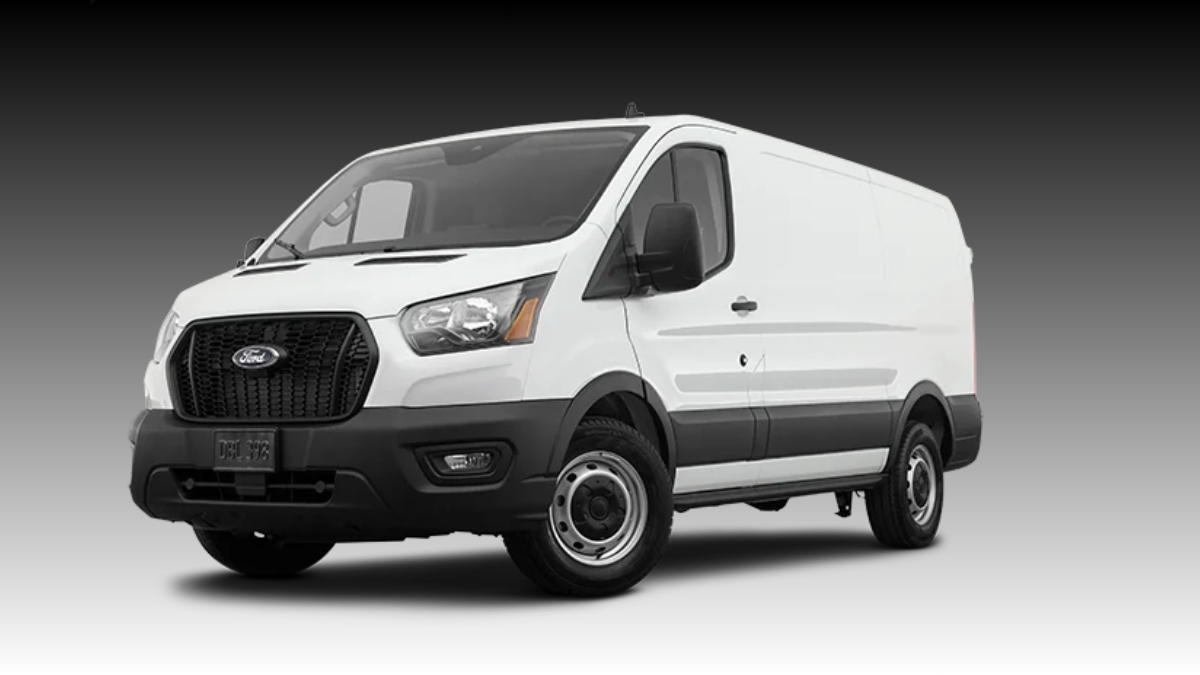
The 2022 Fiat Scudo is a mid-size panel van designed for businesses that need more load space than a compact van can provide without moving up to a larger, less manoeuvrable model. It is available with diesel power and, in selected markets, as the fully electric E-Scudo.
The Scudo is aimed at tradespeople, delivery operators, service businesses, and fleets. Its strongest qualities are its practical dimensions, comfortable driving position, flexible body configurations, and broad range of safety and convenience equipment. It is not the most distinctive van in its class, but it is a capable and easy-to-use tool for everyday commercial work.
A familiar platform with a Fiat identity
The 2022 Scudo shares its basic architecture with several other mid-size vans from the Stellantis group. That gives it proven proportions and a familiar layout while allowing Fiat Professional to offer its own styling, equipment packages, and branding.
The van is available in multiple body lengths and configurations. Buyers should compare the exact payload, load volume, gross vehicle weight, and towing figures for the chosen version because these vary with body style, engine, transmission, and equipment.
Its relatively compact footprint is useful in urban areas. The Scudo is easier to place on narrow streets and in multi-storey car parks than a large panel van, while still offering enough cargo space for many trades and delivery applications.
Load area and practicality
Practicality is one of the Scudo’s main strengths. Sliding side doors and rear doors provide useful access when loading in tight spaces, while the squared-off load bay makes it easier to organise boxes, tools, and equipment.
Depending on the version, the Scudo is available in different body lengths and configurations, allowing buyers to choose the load capacity and layout that best suit their work. The available load-through system is particularly useful for carrying longer items that would otherwise need to be left diagonally across the cargo area.
Exact load volume and payload depend on the selected model. A higher equipment level can reduce available payload because of the additional weight, so operators should check the official figures for the specific van rather than relying on the maximum advertised number.
For businesses that carry heavy materials, payload is more important than outright load volume. For parcel delivery and bulky but relatively light items, load length and internal height may matter more. The Scudo’s range of configurations makes it easier to choose a version that matches the job.
Interior and driving position
The cabin is designed for long working days. The dashboard is logically arranged, storage areas are useful, and the driving position gives the driver a good view of the road and the van’s corners.
The centre seat can add flexibility for occasional passengers, although the comfort and equipment available depend on the trim level. Higher-specification versions may include touchscreen infotainment, smartphone connectivity, climate control, parking sensors, a reversing camera, and keyless or remote functions.
Cabin storage is important in a working van, and the Scudo provides places for documents, drinks, tools, and smaller equipment. The interior is still hard-wearing and commercial in character, but it feels more refined than many older mid-size vans.
Diesel engines and performance
The diesel range is intended to provide useful torque at low and medium engine speeds, which is more important in a loaded van than rapid acceleration. Engine output and transmission availability vary by market and specification, so buyers should confirm the figures for the exact model they are considering.
On the road, the Scudo is best suited to a relaxed driving style. The steering is light enough for urban manoeuvring, visibility is generally good, and the suspension is designed to cope with the demands of commercial use. It feels stable on faster roads and remains reasonably easy to place in narrow streets.
Performance will naturally change with payload. An unloaded van should feel responsive enough for normal traffic, while a heavily loaded example will require more planning when joining fast roads, overtaking, or climbing hills. The diesel engine’s low-speed torque is helpful in these situations, but the Scudo is designed for efficient transport rather than sporty driving.
The E-Scudo electric van
The E-Scudo gives businesses an electric alternative to the diesel versions. It is particularly relevant to operators whose work is concentrated in towns and cities, where predictable daily routes and access to charging can make electric operation practical.
The E-Scudo’s suitability depends on daily mileage and route length, payload and cargo requirements, access to workplace or depot charging, availability of public charging, weather and temperature, traffic and driving style, and time available for recharging.
Electric vans are usually quiet and smooth at low speeds, which can make them well suited to urban delivery work. They can also help businesses reduce tailpipe emissions on local routes. However, operators should assess the complete working pattern before choosing one. A diesel Scudo may remain more convenient for long-distance work, irregular routes, or businesses without reliable charging access.
Official range figures should be treated as a comparison guide rather than a guarantee of real-world distance. The most useful question is whether the van can complete its normal daily route with a sensible charging margin.
Fuel economy and running costs
Diesel fuel economy depends on the engine, body length, payload, traffic, tyre pressures, weather, and driving style. A lightly loaded van travelling steadily on open roads will use less fuel than a heavily loaded vehicle making frequent urban stops.
Businesses should consider total operating cost rather than fuel consumption alone. Important factors include purchase or finance cost, fuel or electricity, insurance, servicing and maintenance, tyres and brakes, road tax and local charges, downtime, depreciation, and charging equipment for an electric model.
Correct loading and regular maintenance can help keep operating costs under control. Overloading increases wear and can affect handling, braking, tyre life, and fuel consumption. Fleet operators should also compare the warranty, service requirements, and expected resale value of each engine and trim.
Safety and driver assistance
Safety equipment varies by market and trim, so buyers should check the specification of the individual van. Available systems may include autonomous emergency braking, lane assistance, blind-spot monitoring, traffic-sign recognition, parking sensors, and a reversing camera.
These features are especially useful in commercial driving, where the van may operate in busy streets, loading areas, and restricted spaces. Parking aids can reduce minor damage, while emergency braking and lane-assistance systems can provide additional support on longer journeys.
Driver assistance should not replace careful observation. The rear visibility of any panel van is limited, and the driver should use the mirrors, camera, and sensors together when reversing or manoeuvring.
Equipment and versions
The best Scudo specification depends on how the van will be used. A basic model may be the most cost-effective choice for a fleet that prioritises payload and purchase price. A higher trim can be worthwhile for owner-drivers or businesses where the vehicle is used for many hours each day.
Useful equipment to look for includes air conditioning or climate control, smartphone connectivity, cruise control, parking sensors, a reversing camera, automatic lights and wipers, additional cargo-area protection, extra sliding-door access, driver-assistance systems, and a towing package where required.
The right options can improve productivity, but unnecessary equipment adds weight and cost. Buyers should select features that solve a real working need.
What is the 2022 Fiat Scudo like to live with?
The Scudo works best as a balanced all-rounder. It is compact enough for regular urban use, spacious enough for many trade and delivery jobs, and comfortable enough for longer journeys. The cabin is practical, while the choice between diesel and electric power allows operators to match the van to their routes.
Its main limitation is that specifications differ considerably between markets and versions. Payload, body dimensions, equipment, engine output, battery details, and charging capability should all be checked against the exact vehicle being purchased.
For comparison, buyers considering an electric commercial vehicle should also look at our 2022 Volkswagen ID. Buzz Cargo review, which covers a different approach to electric van design and practicality.
For official model information, specifications, and equipment details, consult Fiat Professional’s Scudo model information.
Verdict
The 2022 Fiat Scudo Panel Van is a practical mid-size van with the flexibility to suit tradespeople, delivery companies, and fleet operators. Its comfortable cabin, useful load-area access, multiple configurations, and predictable road manners make it easy to live with.
The diesel versions are a sensible choice for high-mileage or irregular work, while the E-Scudo can make sense for businesses with predictable routes and dependable charging. The best version depends on payload, daily distance, operating environment, and budget.
The Scudo is not defined by one outstanding feature. Instead, it succeeds by offering a well-rounded combination of capacity, comfort, manoeuvrability, and commercial usability.