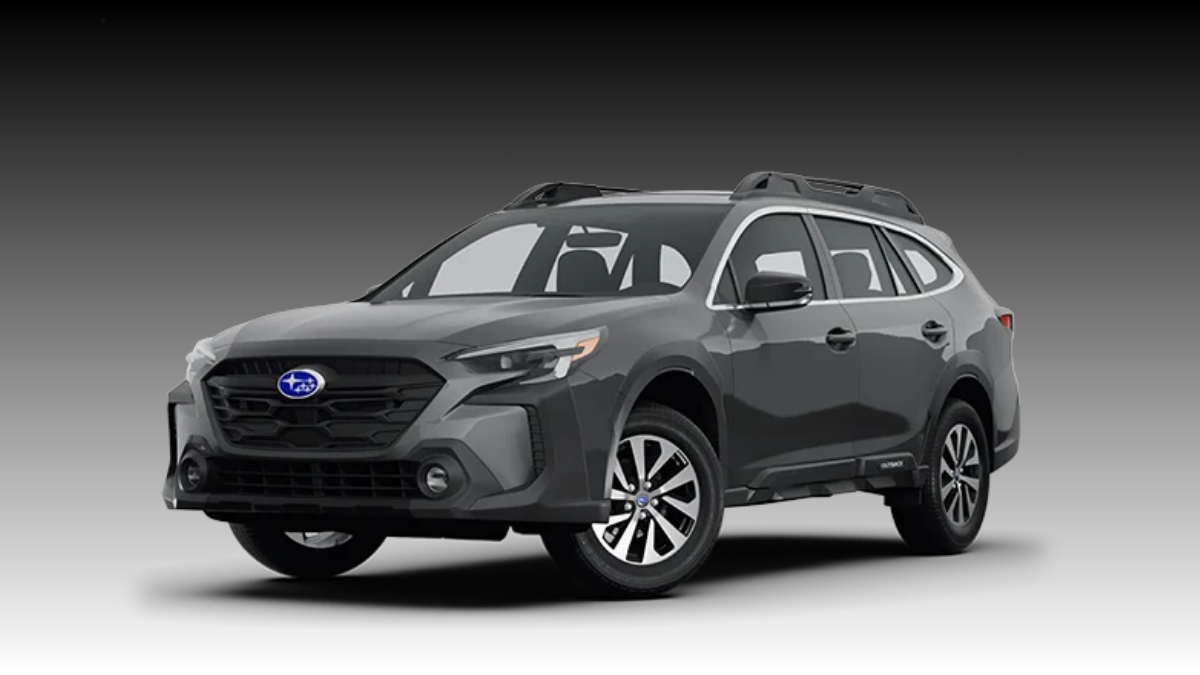
The turbocharged 2023 Subaru Outback XT addresses one of the biggest criticisms of the standard model by delivering significantly stronger performance. After years of watching this versatile wagon suffer through highway merges with its 182-horsepower four-cylinder, Subaru finally delivered the power this vehicle deserves.
The Subaru Outback occupies a unique space in American automotive culture. It’s not quite an SUV and not quite a sedan, yet it’s become one of the best-selling vehicles in its class by refusing to be either. For buyers who’ve rejected the bloated proportions of modern crossovers, the Outback represents something increasingly rare: a versatile, intelligent, and genuinely useful midsize vehicle that doesn’t pretend to be something it’s not.
For 2023, Subaru refined the Outback XT formula with updated styling, improved safety technology, and the same turbocharged powertrain that continues to elevate the driving experience. The standard 2.5-liter engine has long been the weak point in an otherwise compelling package. It produces adequate power for modest driving but feels strained during highway passing, hill climbs, and any moment requiring genuine acceleration. The XT model changes this calculation entirely.
The 2.4-liter turbocharged engine, borrowed from the WRX and tuned for the Outback’s broader appeal, produces 260 horsepower and 277 pound-feet of torque. That’s the kind of output that transforms a functional vehicle into something genuinely fun to drive. When equipped with the turbo, the Outback doesn’t just move well. It moves with authority, making highway driving more relaxing and weekend adventures more engaging.
The design updates for 2023 are subtle but effective. A larger grille, reshaped headlights, and redistributed body cladding give the Outback a more purposeful appearance without straying from Subaru’s understated design language. Buyers who appreciate vehicles that don’t shout for attention will appreciate what Subaru has done here.
At its core, the 2023 Outback XT remains what it’s always been: a station wagon with all-wheel drive and genuine off-road capability. That formula still resonates, even as the automotive world has largely abandoned wagons in favor of taller, less efficient crossovers.
Our Take
The 2023 Subaru Outback XT is excellent. The turbocharged engine finally gives this vehicle the performance it always needed, and the refined driving experience makes extended highway trips genuinely enjoyable. The versatile design, strong safety ratings, and standard all-wheel drive check every box for buyers who’ve rejected conventional SUVs.
The infotainment system remains a frustration. The 11.6-inch touchscreen is functional but sluggish, and the menu structure requires multiple taps for simple adjustments. It’s not a dealbreaker, but it’s noticeably slower than systems found in competing vehicles. This is the most legitimate criticism of an otherwise compelling vehicle.
Pros & Cons
Strengths
- 260 horsepower turbo engine provides genuine performance and effortless acceleration
- Exceptional cargo space at 75.6 cubic feet with rear seats folded
- Standard all-wheel drive with symmetrical torque distribution
- Five-star NHTSA safety rating and IIHS Top Safety Pick+ award
- Comfortable ride quality on long drives
- Excellent visibility and large windows reduce blind spots
- Strong towing capacity of 3,500 pounds with turbo engine
Weaknesses
- Sluggish infotainment touchscreen response times
- CVT transmission lacks engaging feel compared to traditional automatics
- Wind and road noise become noticeable at highway speeds compared to some newer rivals
- Rear headroom is modest compared to conventional SUVs
- Thick rear roof pillars do slightly compromise rearward visibility
- Price premium for XT models ($5,000 above naturally aspirated equivalent)
What’s New
The 2023 refresh brings updated styling, revised EyeSight technology, and infotainment improvements while retaining the turbocharged XT powertrain. Subaru has redesigned the grille and headlights, giving the Outback a more confident appearance. The dashboard received subtle refinements, including a cleaner steering wheel design and improved button placement to reduce visual clutter.
The infotainment system now supports wireless Apple CarPlay and Android Auto, eliminating the need for USB cables when mirroring your smartphone. This was a necessary update that brings the Outback into line with industry standards. Subaru has also improved the EyeSight driver assistance system with wider camera angles and enhanced software recognition for detecting potential hazards.
New trim level options provide more flexibility in the lineup. The Onyx Edition XT brings turbocharged performance to buyers seeking a value option, while the Wilderness variant targets those seeking maximum off-road capability. These additions broaden the Outback’s appeal without complicating the buying experience.
Exterior Design
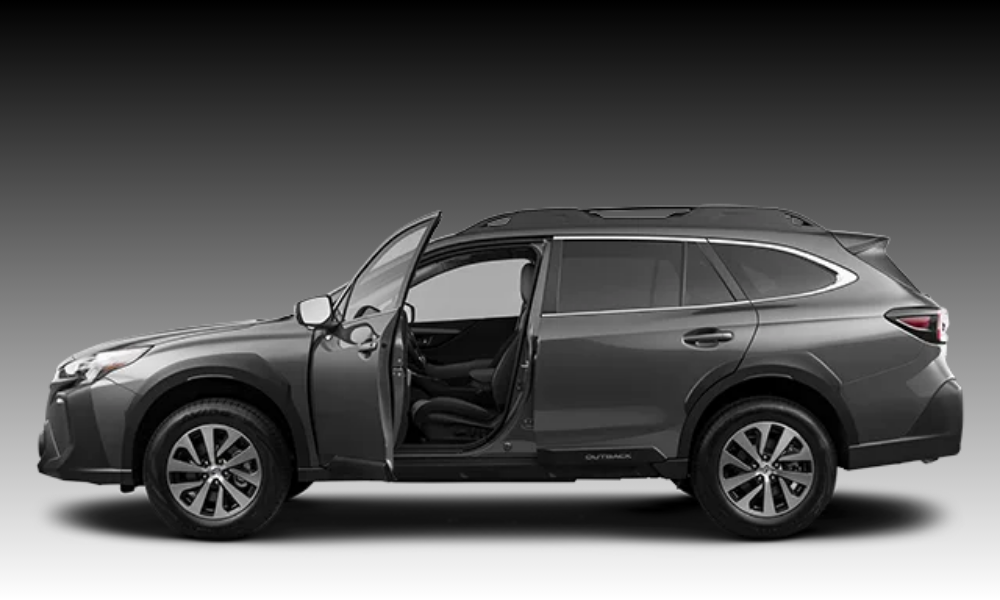
The 2023 Outback presents a refined update to an already distinctive design. Subaru has increased the use of black plastic body cladding, which now runs beneath the headlights, across the lower front fascia, and outlines the wheel arches and rocker panels. This protective trim isn’t merely cosmetic; it serves a functional purpose by shielding paint from off-road scrapes while conveying rugged capability.
The updated grille is larger and more prominent, while the redesigned headlights feature a sharper geometry that adds visual interest without departing from Subaru’s conservative design philosophy. The overall effect is subtly more purposeful than the previous generation. The Outback doesn’t attempt to look like a traditional SUV, and that restraint is precisely its appeal.
Ground clearance comes in at 8.7 inches for standard models, with the Wilderness variant offering 9.5 inches. This elevation provides genuine off-road utility without the fuel economy penalty of a lifted truck chassis. The tall wagon proportions and wide stance communicate capability while maintaining a civilized demeanor.
The rear liftgate opening is wide enough to accept most bulky items, and the floor is truly rectangular without wheel well intrusions.
2023 Subaru Outback XT Driving Experience
This is where the turbocharged engine transforms the Outback’s identity. The naturally aspirated models always felt slightly underpowered, requiring you to plan ahead during highway merges and hill climbs. The XT variant eliminates this frustration entirely.
On flat roads and gentle grades, either engine accomplishes the task adequately. But push the Outback XT, and the difference becomes immediately apparent. Acceleration is brisk and linear, without the hesitation or lag typically associated with turbocharged engines. The 277 pound-feet of torque arrive at just 2,000 rpm, making the engine responsive from a standstill rather than requiring you to spin it up to reach usable power.
The suspension strikes a commendable balance between ride comfort and handling responsiveness. Bumps and road imperfections are absorbed smoothly, yet the Outback corners with surprising assurance for a vehicle prioritizing everyday usability. The AWD system with active torque vectoring distributes power intelligently, enhancing traction during acceleration and braking while maintaining confidence through turns.
Steering effort is moderate. The wheel doesn’t feel isolated from the road, though it’s not the most communicative effort you’ll experience. For a family-friendly vehicle, the steering hits the right balance between feedback and effort.
Driving on gravel roads and light trails reveals the Outback’s genuine capability. The raised suspension geometry and all-wheel drive system allow confident navigation of unimproved surfaces that would worry a conventional sedan. Owners who appreciate accessing trailheads without owning a truck will recognize the Outback’s value immediately.
Wind and road noise become noticeable at highway speeds compared to some newer rivals. The cabin is competently insulated, though sustained cruising above 70 mph reveals tire roar and wind buffeting around the door seals.
Performance & Acceleration
The base 2.5-liter naturally aspirated engine produces 182 horsepower and 176 pound-feet of torque. It’s adequate for basic driving, but it reveals its limitations during demanding driving. Highway acceleration from 50 to 70 mph feels protracted, and overtaking maneuvers require planning and patience. Real-world performance matches the modest power figures.
The turbocharged 2.4-liter changes everything. With 260 horsepower and 277 pound-feet available from 2,000 rpm, the Outback XT provides the acceleration modern highways demand. Zero to 60 time shrinks to a compelling 6.5 seconds, compared to roughly 8.5 seconds for the naturally aspirated model. More important than elapsed time is the quality of acceleration. The power delivery feels smooth and progressive rather than jarring or lag-prone.
Both engines use a continuously variable transmission. This choice provokes strong opinions among enthusiasts, yet Subaru’s CVT implementation remains one of the industry’s more competent examples. Response time is acceptable, and the transmission doesn’t hunt between ratios like some competitors. Highway cruising is relaxed and efficient, though the CVT does reinforce the Outback’s identity as a functional tool rather than a performance vehicle.
The turbocharged variant can tow 3,500 pounds, compared to 2,700 pounds for the standard engine. These are respectable figures for the class. Real-world towing from highway speeds feels confident and stable without feeling strained.
Ride Comfort & Cabin Refinement
The Outback’s ride quality is genuinely impressive for a vehicle prioritizing everyday usability. The suspension soaks up rough road surfaces while maintaining body control through corners. Long highway drives rarely leave you fatigued, and the upright seating position accommodates a wide range of body types.
The cabin is competently insulated from external noise, though wind roar at 70 mph is noticeable with either engine. The noise itself isn’t excessive compared to contemporary vehicles, but it’s present enough that you’re aware of highway speeds during conversation. Premium cabin quietness is reserved for more expensive vehicles.
Interior materials reflect the Outback’s positioning. Hard plastics dominate the lower portions of the dashboard and door panels, while soft-touch materials appear on the upper dash and armrests. This two-tier approach to material quality is honest. You’re not fooled into believing this is a luxury vehicle, yet the selected materials feel durable and appropriate to the price point.
Climate control operates through a combination of physical knobs and the touchscreen. The redundancy is appreciated, as it allows quick temperature adjustments without menu navigation. Heated seats are standard on upper trims, and ventilated seats appear on the Touring variant. Both features work effectively, though the ventilation effect is subtle rather than dramatic.
Seat comfort is excellent. The front buckets adjust extensively, accommodating drivers from five foot two inches to six foot four inches without compromising support. The rear bench accommodates three adults adequately, though headroom is more modest than conventional SUVs. Two adults in the back for long drives face no genuine hardship, though three adults will experience some compression.
2023 Subaru Outback XT Interior Review
The 2023 Outback’s interior prioritizes functionality over aesthetic luxury, which accurately reflects its mission. Subaru has organized the cabin intuitively, with necessary controls positioned logically and within arm’s reach. The steering wheel adjusts extensively for reach and angle, and the driver seat offers sufficient adjustment to accommodate nearly any body proportion.
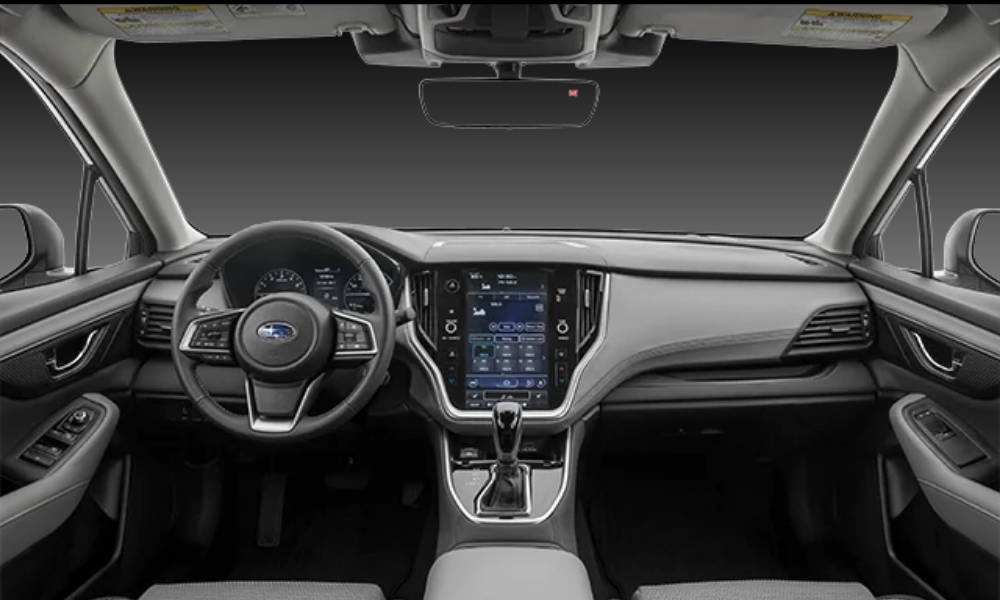
The 11.6-inch touchscreen dominates the dashboard, framed by a straightforward arrangement of climate and audio controls. Subaru’s design philosophy emphasizes reducing button clutter, and the result is an interior that feels contemporary without visual overwhelm. The downside is dependency on the touchscreen for many adjustments, which we’ll address in the technology section.
Cargo organization improves with fold-flat rear seats that create a genuine van-like cargo area. Subaru provides useful organizational details, including multiple cup holders, door pockets sized for water bottles, and a covered cargo tray. These touches demonstrate attention to real-world usage.
The upper trim levels introduce Nappa leather upholstery on the Touring variant. The leather feels supple and properly finished, though it’s not dramatically different in feel from the water-resistant synthetic materials on lower trims. Java Brown leather provides a distinctive visual departure from the typical black or gray leather found elsewhere.
Standard water-resistant StarTex synthetic materials on the Onyx Edition reflect Subaru’s understanding that Outback owners engage in genuinely outdoor activities. The materials withstand wet dogs, sandy beach days, and mud splatter better than traditional upholstery, making the Outback more useful than vehicles specced for pristine usage.
Interior storage solutions abound. The door panels accommodate large bottles, the center console provides organized storage for small items, and under-seat storage areas accommodate emergency supplies or outdoor gear. For buyers who use vehicles as genuine tools rather than showpieces, this approach to interior design resonates.
Technology & Infotainment
The Subaru Starlink infotainment system introduces wireless smartphone connectivity, which is welcome and necessary. Apple CarPlay and Android Auto integration works reliably, and the wireless implementation eliminates cable clutter in the center console.
Response time remains the primary limitation. The 11.6-inch touchscreen is noticeably slower than comparable systems from competitors. Swiping between screens requires an extra moment for registration, and accessing climate controls through the menu structure takes several taps that physical controls accomplish in one. This isn’t a breaking issue for daily driving, but it’s a legitimate frustration compared to more responsive systems.
Subaru has improved the infotainment layout for 2023. Seat heating controls and essential climate settings now appear on the home screen, reducing menu diving for frequent adjustments. Voice commands have expanded to include heated seat control, which is genuinely useful during cold weather driving.
The system supports over-the-air updates, which should gradually improve responsiveness and functionality. Navigation integrates with what3words technology, which divides locations into unique three-word combinations. It’s an interesting alternative to traditional address entry, though standard address entry and Google Maps integration remain more intuitive for most users.
Audio quality from the standard stereo is competent without being special. The Harman Kardon system on higher trims provides noticeably improved clarity and soundstaging, particularly in the midrange frequencies. If you spend significant time driving, the premium audio system justifies its cost.
SiriusXM satellite radio arrives standard on the Touring variant, along with HD Radio on lower trims. Bluetooth connectivity is reliable, though the menu structure for managing multiple paired devices could be simpler.
2023 Subaru Outback XT Fuel Economy
The turbocharged engine delivers performance gains at a measurable cost to efficiency. The EPA estimates 22 city, 29 highway, and 25 combined mpg for the turbocharged variant with AWD. Real-world experience from owners suggests actual highway economy closer to 27 to 29 mpg under normal conditions, with combined figures aligning with EPA estimates.
The naturally aspirated engine delivers better efficiency at 26 city, 32 highway, and 28 combined. Highway observation suggests real-world highway economy of 30 to 32 mpg is achievable with relaxed driving. The base engine’s fuel economy advantage is meaningful over extended ownership, though for many buyers, the turbocharged version’s performance gain justifies the efficiency trade-off.
The Wilderness variant with turbocharged equipment and all-terrain tires sees EPA ratings of 21 city, 26 highway, and 23 combined. The taller sidewalls and more aggressive tread of all-terrain rubber introduce rolling resistance that affects efficiency. Standard all-wheel drive on every model adds modest consumption compared to front-wheel-drive alternatives.
The 18.5-gallon fuel tank provides a driving range of approximately 480 miles with turbocharged equipment on highway fuel economy. Real-world driving with mixed highway and city usage typically yields 450 to 480 mile range between fill-ups. For road trips and extended driving, the range is adequate without exceptional.
Subaru’s recommendation of regular unleaded fuel keeps operating costs modest. The turbocharged engine doesn’t require premium fuel, which distinguishes it from some performance-oriented turbocharged competitors. This cost savings compounds over years of ownership.
Practicality & Cargo Space
The Outback’s defining strength is genuine space. Behind the rear seats sits 32.6 cubic feet of cargo volume, which accommodates most grocery runs and outdoor equipment. More important is usable shape. The cargo area features a low loading height and open rectangular proportions that accept large items more easily than conventional SUV cargo areas.
Fold the rear seats flat, and available volume expands to 75.6 cubic feet. Folding the rear seats creates a van-like cargo area suitable for hauling camping gear, bicycles, or home-improvement supplies.
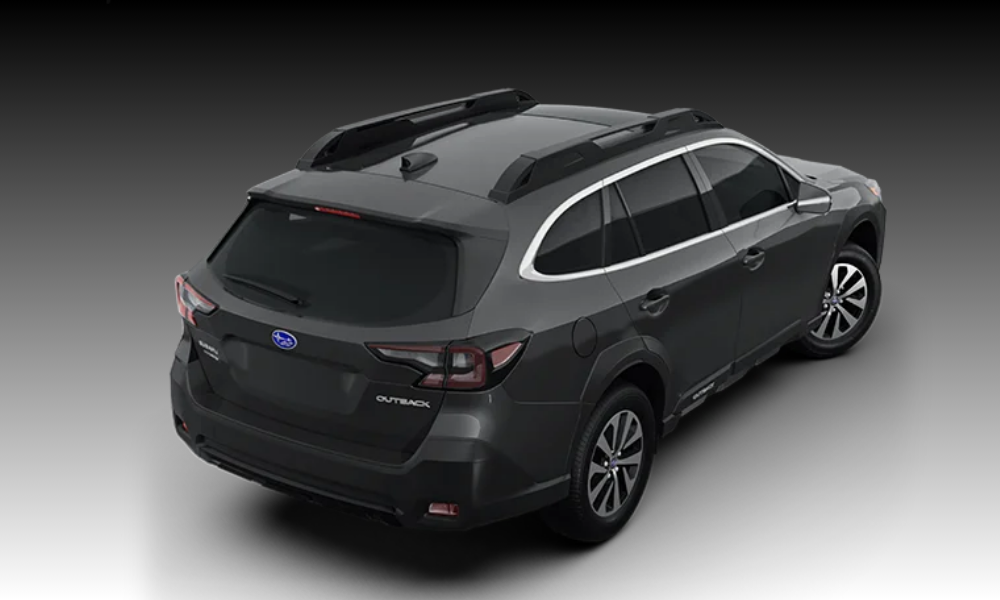
The roof rails carry an 800-pound static load capacity, allowing roof-mounted cargo boxes or bike racks without concern about structural limits. The raised rail design is proportionally integrated into the body line rather than appearing as an afterthought.
Subaru provides useful cargo organization touches. A removable cargo cover protects items from weather and visibility, and the deck features tie-down cleats for securing cargo. The engineering reflects Subaru’s understanding that Outback owners use their vehicles for genuine work, not merely transporting passengers.
Passenger space is similarly thoughtful. Five people fit adequately, though the middle rear seat is best reserved for shorter journeys. Head and legroom for two rear passengers is comfortable on long drives. The glass area is expansive, providing excellent outward visibility for drivers and passengers.
The Outback’s height and seating position provide a commanding view of the road compared to conventional sedans. This elevated perspective reduces blind spots and improves the sense of control in traffic.
2023 Subaru Outback XT Safety Features
Subaru’s commitment to safety translates into a five-star NHTSA overall rating for the 2023 Outback. The organization awarded top marks across all crash test categories, from frontal impact to side-impact to rollover resistance. The 2023 Subaru Outback earned an IIHS Top Safety Pick+ award when equipped with acceptable or good headlights.
Standard EyeSight driver-assistance technology relies on dual camera observation through the top of the windshield. The system monitors driving lane position, vehicle spacing, and collision risk, providing intervention when necessary. Wider camera angles for 2023 enhance the system’s effectiveness, and Subaru’s improved software recognition better identifies potential hazards.
Lane-keeping assist corrects gentle steering inputs to maintain lane position during highway driving. Adaptive cruise control maintains set spacing from vehicles ahead, accelerating and braking automatically. Pre-collision warning alerts when the risk of collision increases, and emergency braking engages automatically if the driver doesn’t respond.
Available DriverFocus distraction mitigation technology monitors driver attentiveness through an interior-facing camera. The system alerts if driver focus seems compromised, reducing secondary collisions from inattentive driving.
Additional safety features include available rear automatic braking for parking situations, blind-spot monitoring, rear cross-traffic warning, and a 180-degree front-view camera for low-speed maneuvering. The integrated systems provide comprehensive protection from many collision scenarios.
Standard hill-descent control and hill-start assist improve capability in steep terrain and challenging weather. These features demonstrate Subaru’s confidence in the Outback’s off-road competency and its commitment to accident prevention.
Competitors Worth Considering
The Honda Passport offers a more genuine off-road orientation with a more aggressive design. It’s taller, less efficient, and less refined on-road compared to the Outback, but buyers prioritizing true trail capability over comfort may prefer its more hardcore approach. The Passport’s larger V6 engine produces 280 horsepower, slightly edging the Outback XT, though its fuel economy suffers accordingly. Honda’s reputation for reliability and resale value makes the Passport a compelling alternative for buyers who don’t need wagon versatility.
The Toyota Venza takes a completely different approach, prioritizing fuel efficiency with its standard hybrid powertrain. The Venza delivers 219 combined horsepower and achieves exceptional fuel economy around 39 mpg combined—significantly better than the Outback XT. However, the Venza sacrifices cargo space and off-road capability in favor of urban refinement. Buyers who rarely venture off pavement may find the Venza’s efficiency and Toyota’s reputation appealing, though the driving experience is notably less engaging than the Outback XT’s turbocharged punch.
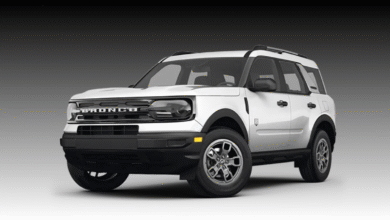
The Ford Bronco Sport targets similar adventure-seeking buyers with its boxy off-road design and genuine trail capability. The Bronco Sport’s 2.0-liter turbocharged engine produces 250 horsepower, slightly less than the Outback XT, though its torque delivery feels robust. The Bronco Sport offers more aggressive styling and a dedicated off-road focus, particularly in Badlands trim, but sacrifices on-road refinement and cargo space compared to the Subaru. Interior quality and daily driving comfort favor the Outback.
The Mazda CX-50 targets similar buyers with a more modern design and engaging driving dynamics. The CX-50’s turbocharged engine delivers up to 256 horsepower, depending on fuel grade, offering competitive performance that feels eager and responsive. The Mazda offers sharper styling and more responsive steering, though it sacrifices some of the Outback’s cargo versatility and off-road capability. CX-50 pricing sits slightly below the Outback XT, appealing to buyers prioritizing contemporary design over wagon practicality.
The Mazda CX-5 remains a strong on-road alternative for buyers who don’t need serious off-road capability. Its 2.5-liter turbocharged engine produces up to 250 horsepower, and its more car-like driving dynamics and premium interior finish appeal to urban and suburban families. However, the CX-5’s cargo space and rear-seat room trail the Outback, and its conventional SUV shape lacks the Outback’s distinctive wagon character.
Biggest Strength and Biggest Weakness
The Outback XT’s greatest strength is how it finally reconciles performance with everyday usability. The turbocharged engine transforms the driving experience without sacrificing the cargo space, visibility, and safety systems that define the Outback’s appeal. This is one of the few vehicles on the market that doesn’t require compromise between acceleration and utility.
The infotainment system’s sluggish response time is the most legitimate criticism. In an era when smartphone apps respond instantly, waiting for the Outback’s touchscreen to register input feels retrograde. Subaru’s software updates should gradually address this, but it’s currently the vehicle’s most obvious weakness.
Which Trim Does Cardrav Recommend?
The Onyx Edition XT represents exceptional value. It delivers turbocharged performance at 5,000 dollars below the Touring XT, with negligible functional differences. The loss of leather upholstery and heated steering wheel are minor sacrifices for buyers prioritizing performance and everyday usability. Standard water-resistant seats on the Onyx Edition actually suit Outback owners’ outdoor lifestyle better than traditional leather.
The Touring XT sits at the top of the lineup and commands a significant premium over lower trims. Buyers who value Nappa leather upholstery, ventilated seats, and the Harman Kardon audio system may find the additional cost worthwhile.
Buyers on tighter budgets should consider the naturally aspirated Premium model. While it lacks the performance of the turbo variant, it delivers value at the entry price. For casual driving and weekend adventures, the base engine accomplishes the task adequately.
Final Verdict: Should You Buy It?
Yes. The 2023 Subaru Outback XT is excellent. Buy the Onyx Edition XT if you prioritize value, or splurge for the Touring XT if you appreciate premium materials and upgraded audio. Either turbocharged variant provides the performance this vehicle should have had all along.
The Outback XT makes sense for buyers who’ve rejected conventional SUVs and want genuine off-road capability without pretense. If you appreciate vehicles that prioritize utility over flash, value reliability and safety ratings, and want a midsize vehicle that does almost everything adequately, the Outback XT deserves serious consideration.
FAQ
What is the real-world fuel economy buyers can expect from the 2023 Subaru Outback XT Review highlights?
Most owners report highway fuel economy between 27 to 29 mpg under normal conditions, with combined figures aligning closer to EPA estimates of 25 mpg. Aggressive driving or towing reduces these numbers, while highway cruising at relaxed speeds can achieve 30 mpg. The turbocharged Outback XT sacrifices approximately 3 mpg compared to the naturally aspirated model in real-world driving.
How does the 2023 Subaru Outback XT compare to the Mazda CX-50?
The Mazda CX-50 delivers sharper styling and more engaging on-road handling, with responsive steering that appeals to driving enthusiasts. However, the Outback XT offers substantially more maximum cargo capacity with the rear seats folded, superior off-road capability with 8.7 inches of ground clearance, and more powerful standard output with 260 horsepower, while the CX-50 turbo produces up to 256 horsepower when running premium fuel. The Outback’s symmetrical all-wheel drive provides better all-weather traction, while the CX-50 prioritizes road-focused dynamics. The Mazda’s interior feels more premium, but the Outback’s practical wagon design better accommodates outdoor gear and family needs. Buyers who prioritize daily driving engagement should consider the CX-50; those needing genuine versatility and cargo capacity will prefer the Outback XT.
Does the turbocharged engine require premium fuel?
No. The turbocharged 2.4-liter engine operates satisfactorily on regular unleaded gasoline. Subaru does not recommend premium fuel, which keeps operating costs comparable to the naturally aspirated variant. Using premium fuel does not provide any performance benefit.
Is the 11.6-inch touchscreen prone to freezing or failure?
Recent production vehicles appear more stable than previous generation models, which experienced documented issues. The 2023 generation with updated firmware has received positive reports from owners, though response time remains slower than competing systems. Subaru’s regular software updates should continue improving stability.
What is the towing capacity of the 2023 Subaru Outback XT Review models offer?
The turbocharged variant can tow up to 3,500 pounds when properly equipped. The naturally aspirated model is limited to 2,700 pounds. Both figures are respectable for midsize vehicles. Towing capacity assumes proper hitch installation and appropriate weight distribution.
They are limited in XT models to $376.61, $518.40, $460.15, $819.68, and $404.47, or $2579.31. Over five years, servicing the turbo will cost less than a Passat Alltrack ($2800).