12 Used Electric and Hybrid Cars Worth Buying in 2026
Prices, range, fuel economy, and ownership checks for 2023 and 2024 models


Prices, range figures, and fuel economy ratings for 2023 and 2024 models, with the ownership questions that decide whether a used electrified car is a bargain or a headache.
The best used electric and hybrid cars of 2026 are no longer a niche shopping list. Two or three years of depreciation have pulled many 2023 and 2024 models into territory that once belonged to ordinary gasoline sedans and crossovers. A shopper can now find a used electric crossover from either model year at an approximate asking price in the low $20,000s, and a conventional hybrid sedan in the high $20,000s. That changes the question. It is no longer whether an electrified car is affordable, but whether the first owner’s depreciation has left you a genuinely good vehicle or someone else’s unresolved problem.
The prices in this article are approximate national average used market asking price references, not what any particular buyer will pay. The Tesla figures reflect a November 2026 pricing update, while the figures for the other ten vehicles come from the earlier reference set compiled for this project, so the numbers were not all collected on the same day and should not be read as one identical snapshot. Actual listings move with mileage, trim level, vehicle history, location, accident records, battery condition, and overall mechanical condition. Treat each number as a starting point for comparison, and expect real cars to land above or below it.
The twelve vehicles here are not the twelve best sellers in America. They were chosen because they represent recognizable, relevant options across the used electrified market, from affordable commuter EVs to three row family haulers. Six are battery electric vehicles and six are conventional hybrids. One note on specifications before we start: range, horsepower, and fuel economy figures change with battery size, drivetrain, wheel size, and trim, so wherever a headline number appears below, it belongs to the version named, not to the whole model line.
Choosing Between a Used Electric Car and a Conventional Hybrid
The most important variable in this decision is not price or range. It is where your car will sleep at night. An electric vehicle with a dependable place to charge at home is a different ownership experience from one that relies on public chargers, and a conventional hybrid removes that variable entirely.
A battery electric vehicle runs only on stored electricity and has to be plugged in. It rewards drivers with predictable routines, a garage or driveway outlet, and mostly local driving. A conventional hybrid pairs a gasoline engine with an electric motor and a small battery, and that battery recharges through regenerative braking and the normal operation of the powertrain. There is no cable and no external station. Everything in the hybrid half of this article is a conventional hybrid, not a plug in hybrid, so none of these vehicles ever needs to be connected to the grid.
Used shoppers should also weigh how much uncertainty they can tolerate. A used EV carries questions about battery condition and remaining warranty that depend on the car’s original in service date and mileage. A used hybrid raises a different set of questions about its hybrid system and maintenance records. Neither category is reckless to buy if inspected properly, and both can be expensive if bought on faith.
Used Electric Cars Worth Buying in 2026
Tesla Model 3
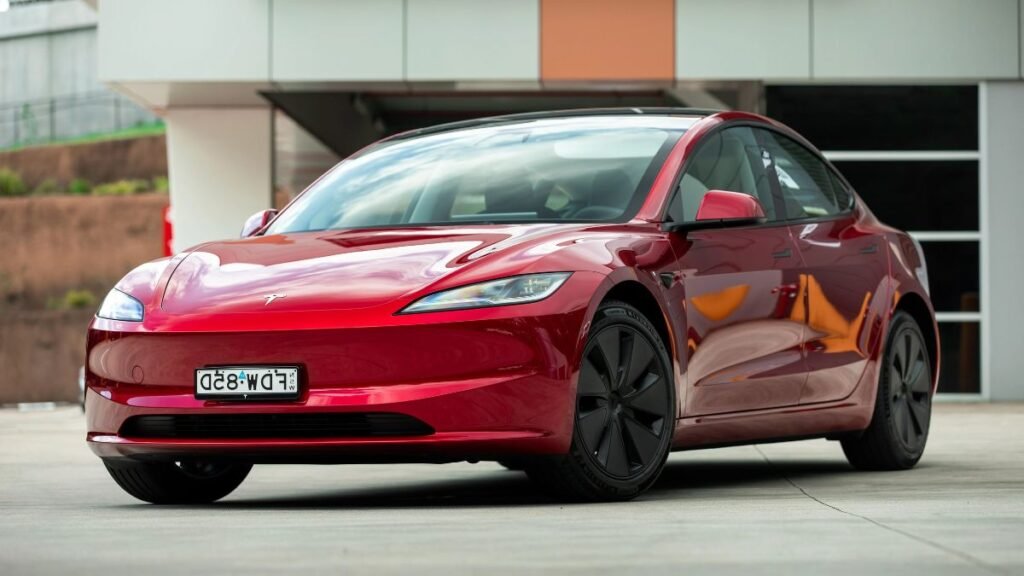
Few used EVs force a more interesting decision between model years than the Model 3. A 2023 car averages roughly $28,753 in approximate asking price, while a 2024 averages roughly $38,822, a gap of about $10,069. Part of that gap is simply age, but the larger part is that the 2024 model received a substantial exterior and interior update. Buyers are not comparing two consecutive years with identical equipment. They are choosing between an older design that costs considerably less and a refreshed car that feels newer inside and out.
Range depends on which version turns up in the listing. Rear wheel drive versions of both years are rated at approximately 272 miles of EPA estimated range. The Long Range all wheel drive version is where the two diverge, with some published 2023 configurations reaching approximately 358 miles and the 2024 reaching approximately 342 miles. Other configurations carry different ratings, so confirm exactly which version you are looking at rather than relying on a headline figure.
The case for the Model 3 rests on efficiency, charging convenience, technology, and performance, and it remains an easy case to make for a commuter who wants a sedan rather than a crossover. The used purchase deserves attention to the wear items an electric sedan tends to reveal, namely tire wear and suspension condition, since a car driven hard shows it in both places. Check which software features are active on the specific car, and review the vehicle history report. Original battery warranty mileage limits depend on the particular version, so review Tesla’s battery and drive unit warranty terms rather than assuming every Model 3 carries the same coverage.
Tesla Model Y
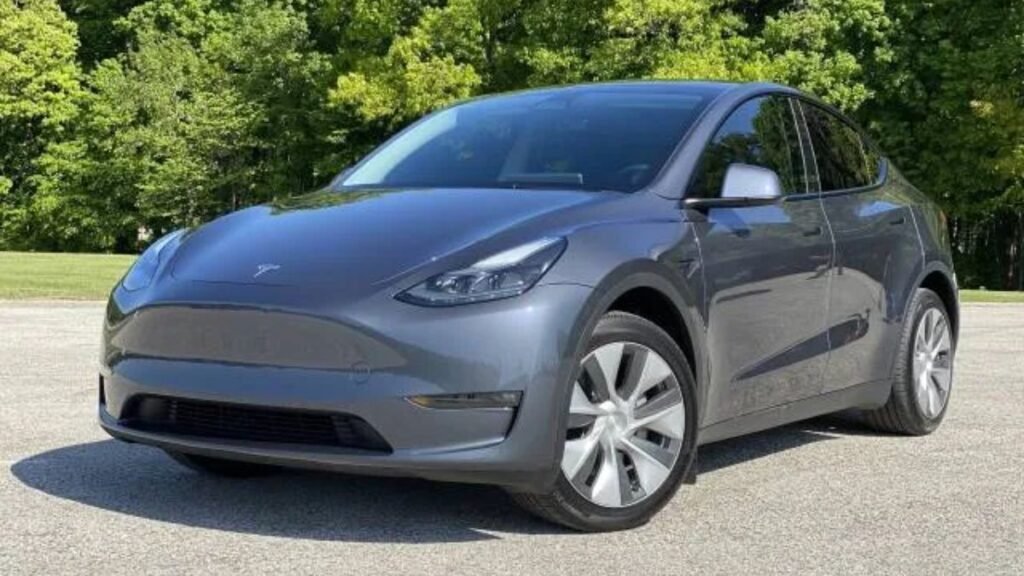
Put the Model 3’s electric formula in a taller body and you get the Model Y, which is why it tends to be the first stop for families and for drivers who want a higher seating position along with useful cargo space. The pricing tells an unusual story. A 2023 Model Y averages roughly $34,471 in approximate asking price, about $5,718 more than the 2023 Model 3, which is what the extra space costs. In the 2024 model year that premium disappears. At roughly $38,255, the 2024 Model Y sits about $567 below the 2024 Model 3 at the reference figures, so a shopper who wants a newer Tesla may find the crossover is the better deal of the two. The Model Y itself rises only about $3,784 between the two years, far less than the Model 3 does.
Range runs opposite to what many shoppers expect. The 2023 Long Range all wheel drive version is rated at approximately 330 miles of EPA estimated range, while the 2024 version is rated at approximately 310 miles. A newer model year does not automatically mean more range, and other versions carry different ratings, so equipment and range should not be assumed identical across all 2023 and 2024 cars.
The trade against the Model 3 is then less about money than about use. If your life involves car seats, sports gear, or regular trips with luggage, the Model Y’s cargo flexibility and passenger space earn their keep, and it asks for a little more energy per mile in return. If you mostly drive alone, the Model 3 remains the more efficient choice. Whichever you pick, ask a qualified technician to look at the suspension and tires and confirm that the charging system works as it should.
Ford Mustang Mach-E
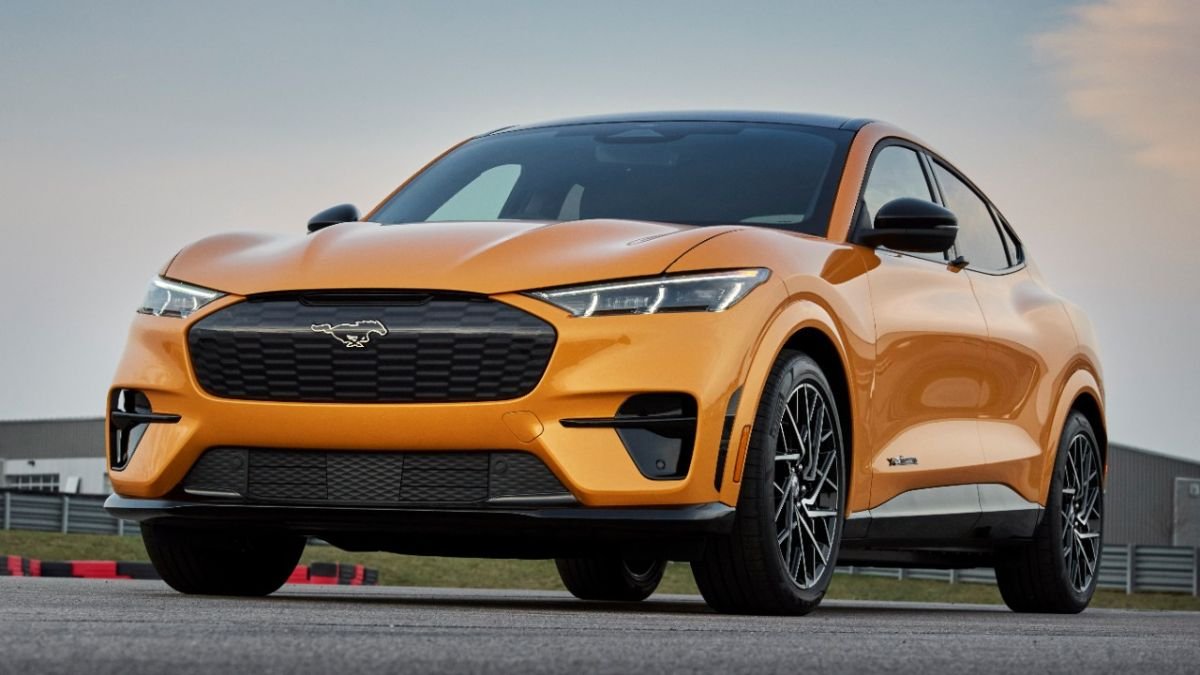
Ford built the Mach-E for people who still care how a car feels when they turn the wheel, and that emphasis on driving character sets it apart from many family oriented electric SUVs. A 2023 averages roughly $29,854 in approximate asking price and a 2024 roughly $32,021, which puts a performance minded electric crossover within reach of a typical used SUV budget.
The spread inside the lineup is wide, and it matters more here than on most vehicles in this article. The 2023 model offers approximately 226 to 312 miles of EPA estimated range depending on battery configuration, drivetrain, and trim, while certain extended range rear wheel drive configurations of the 2024 reach approximately 320 miles. Power runs from approximately 266 horsepower in the more modest versions to 480 horsepower in the GT. A buyer looking at a standard car with a smaller battery is shopping for a very different vehicle than someone considering the GT, and the maximum range and GT output should never be read as representative of every Mach-E.
That is the real difference between ordinary versions and the GT. The standard cars are quick enough, comfortable, and more engaging to drive than most rivals, with cargo practicality that suits daily life. The GT is the performance oriented version for drivers who want the sportier character the nameplate implies. Charging considerations follow the usual used EV rules, but the warranty deserves a closer look here. The high voltage battery and electric drive component warranty can extend to eight years or 100,000 miles under the original terms, subject to applicable conditions, so confirm the in service date and mileage to see how much of that coverage is still in force on the car you are considering.
Volkswagen ID.4
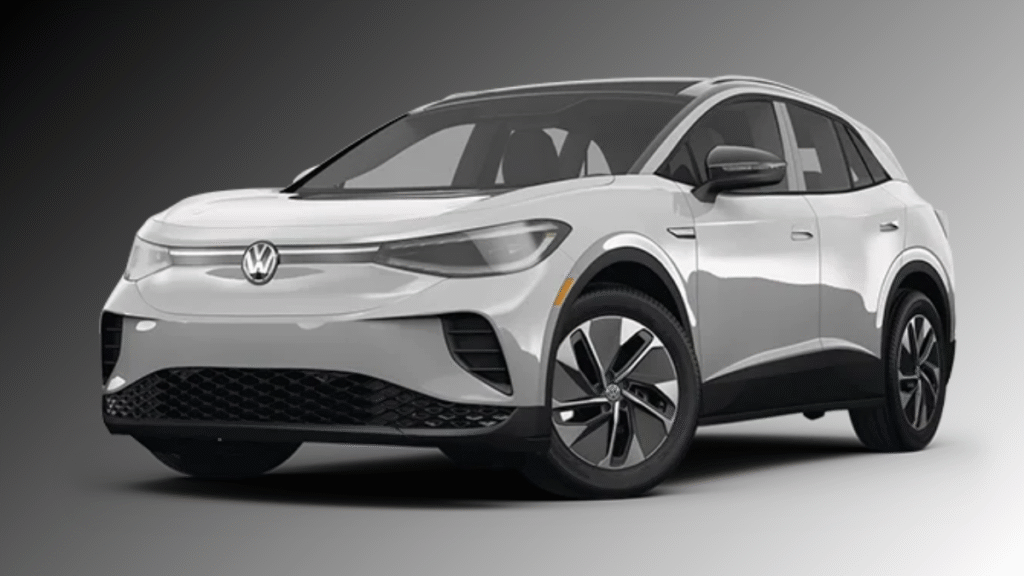
For shoppers watching the budget, the ID.4 is where this list gets interesting. A 2023 averages roughly $21,913 in approximate asking price and a 2024 roughly $22,911, which are among the lowest figures for any electric crossover in the article. Volkswagen designed it around everyday family usability, comfortable driving, and a relatively straightforward interior rather than headline performance.
The ID.4’s range story is the reason the $998 difference between model years deserves thought. The 2023 offers approximately 209 to 275 miles depending on battery configuration and drivetrain, with certain all wheel drive versions at approximately 255 miles. The 2024 reaches up to approximately 291 miles in certain Pro rear wheel drive configurations and approximately 263 miles in certain all wheel drive versions. Because the improvements in range and motor performance appear on some 2024 versions, the newer year can justify its small premium, though only for the specific versions that received them.
The consideration specific to this car is a door handle recall affecting certain 2021 through 2024 ID.4 vehicles. Verify completion using the vehicle identification number rather than the seller’s word. Beyond that, spend real time with the infotainment software on a test drive, since touchscreen operation and interior controls are the kind of thing that charms some drivers and frustrates others.
Hyundai IONIQ 5

Nobody mistakes the IONIQ 5 for anything else on the road. Boxy, deliberate styling and a spacious interior come from Hyundai’s dedicated electric vehicle architecture, and the used market treats the two model years almost identically, with a 2023 averaging roughly $27,345 and a 2024 roughly $27,481. With a $136 difference, model year should hardly decide anything. Condition, equipment, and recall status should.
Range follows the drivetrain. Both years offer up to approximately 303 miles in rear wheel drive Long Range configurations, while all wheel drive versions come in lower, at approximately 266 miles for certain 2023 versions and approximately 260 miles for certain 2024 configurations. The car’s 800 volt electrical architecture supports rapid DC charging when connected to compatible equipment under suitable conditions, which is its signature strength. That does not mean every IONIQ 5 charges at the same speed, and real results depend on the charger, the conditions, and the specific car.
The recall that matters is the ICCU recall, identified as 24V868, which affects certain IONIQ 5 vehicles from 2022 through 2024. Verify completion using the vehicle identification number, then confirm that the charging system and vehicle electrical equipment operate correctly. This is a car where the charging hardware is central to the appeal, so a careful inspection before purchase is money well spent.
Chevrolet Bolt EV
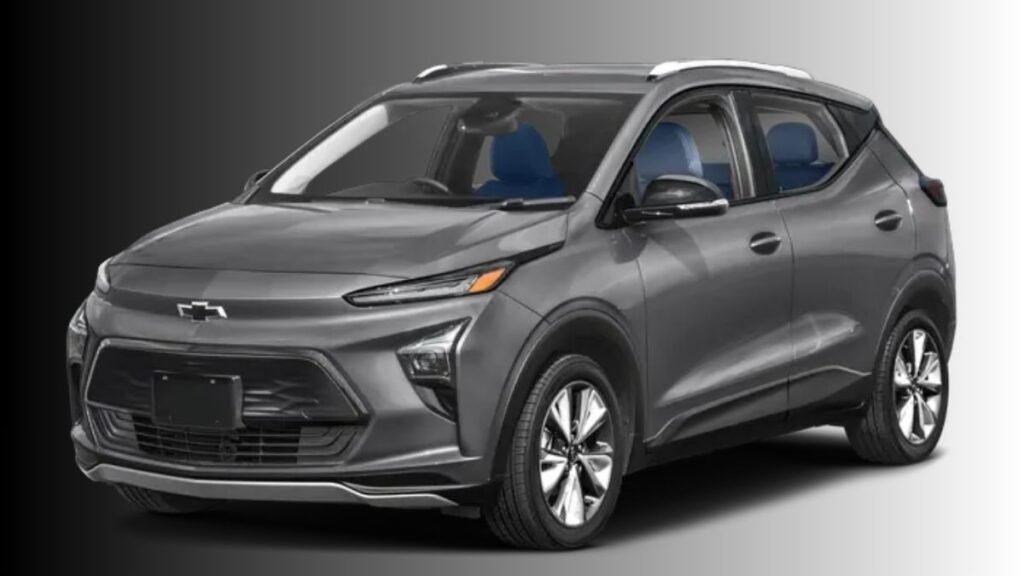
The cheapest way into this group is the 2023 Chevrolet Bolt EV, which averages roughly $20,223 in approximate asking price, the lowest figure in the article. There is no 2024 model of this previous generation Bolt EV, since production of the earlier generation ended in December 2023, so this entry covers the 2023 model alone.
What you get for that money is respectable. The 2023 Bolt EV has an EPA estimated range of approximately 259 miles and produces 200 horsepower, which is useful everyday range for the price. The compromise is charging speed. Its maximum DC fast charging capability is approximately 55 kW, slower than many newer electric vehicles, and that detail looks small on a spec sheet and large on a long highway trip.
That is why the Bolt suits commuters and buyers who can charge at home. If most driving is local and the car refills overnight, slow fast charging rarely comes up. If you regularly make long highway journeys that depend on repeated DC fast charging stops, you will feel the limitation, and a car like the IONIQ 5 or Mach-E will serve you better. The original high voltage battery warranty provides coverage of up to eight years or 100,000 miles, subject to the original warranty terms, so ask how much of it remains.
You may run across references to the well known Bolt battery fire recall while shopping. That recall covered earlier model years from 2017 through 2022, and it should not be assumed to apply to a 2023 car. The better approach is to check the specific 2023 vehicle identification number for any outstanding safety recalls, verify any completed service campaigns, review the maintenance records, and arrange a professional inspection before you buy. Cabin space is adequate for a compact car, so sit in it before assuming it fits your family.
Used Hybrid Cars Worth Buying in 2026
Everything in this section is a conventional hybrid. These vehicles recharge their small batteries through regenerative braking and normal powertrain operation, so owners never connect them to an external charging station. For anyone without home charging, that simplicity is the entire argument.
Toyota RAV4 Hybrid
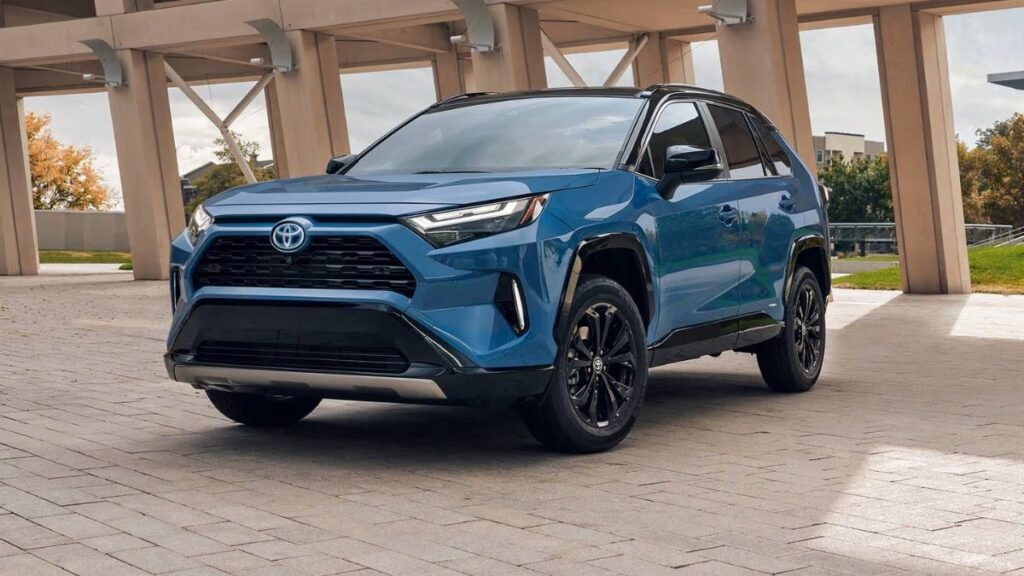
Families who want an SUV without committing to a fully electric vehicle tend to end up looking at the RAV4 Hybrid first. It pairs a 2.5 liter gasoline engine with an electric hybrid system for approximately 219 horsepower of combined system output, and fuel economy reaches approximately 40 MPG combined in suitable configurations. Electronic all wheel drive is standard on American market RAV4 Hybrid models, a point worth remembering when comparing against rivals that offer it as an option.
None of this comes cheap. A 2023 averages roughly $32,865 in approximate asking price and a 2024 roughly $33,997, which is a lot to spend on a compact crossover, and it justifies pricing out other compact hybrid SUVs before committing. The payoff is a roomy cargo area and low running costs in a vehicle that asks nothing of you at a charger.
On a used example, the service file matters as much as the odometer. A RAV4 Hybrid with documented maintenance deserves more confidence than one with gaps, and a hybrid system inspection by a professional is the sensible way to confirm the powertrain is healthy. A seller who cannot explain the car’s history is telling you something too.
Toyota Sienna Hybrid

The Sienna makes sense only for a certain kind of household, and that clarity is its strength. Toyota uses a conventional hybrid system with approximately 245 horsepower of combined system output, and fuel economy is approximately 36 MPG combined with front wheel drive and approximately 35 MPG combined with all wheel drive. It is not a plug in hybrid. Depending on the seating configuration, it accommodates seven or eight passengers, delivering minivan capacity without the higher fuel consumption associated with many traditional minivans.
That capacity comes with the highest prices in the hybrid group, with a 2023 averaging roughly $40,123 and a 2024 roughly $43,387. The economics only work if you truly need the space. For a family of three, this is the wrong vehicle and the money is better spent elsewhere. For a household with frequent passengers and a lot to carry, the fuel savings against a conventional minivan can help justify the premium.
When you inspect one, look at how the seats are configured, because seven and eight passenger layouts serve different needs, and test passenger access with the people who will actually ride in it. Review service records as you would on any hybrid, and compare the cost of the 2024 against a 2023 to see whether newer is worth roughly $3,264 more.
Honda CR-V Hybrid

Set the CR-V Hybrid beside the RAV4 and the contrast is mostly about temperament. Its hybrid powertrain produces approximately 204 horsepower of combined system output, less than the Toyota, and its appeal lies in a comfortable ride and a roomy interior rather than outright output. Fuel economy reaches approximately 40 MPG combined with front wheel drive and approximately 37 MPG combined with all wheel drive in relevant configurations, so do not assume every trim achieves the same figure.
The 2023 model introduced the redesigned generation, which means both model years share a more modern exterior, interior, and driving experience than the generation before. A 2023 averages roughly $29,963 in approximate asking price and a 2024 roughly $32,798. Compared with the RAV4 Hybrid, a 2023 CR-V Hybrid runs about $2,902 less at the reference figures, while the Toyota counts standard all wheel drive and higher combined output in its favor.
For a shopper who wants a conventional compact SUV with an efficient gasoline electric powertrain, the decision comes down to price, drivetrain, and which of the two feels better on a test drive. If you can save nearly $3,000 and do not need all wheel drive, the Honda is a persuasive argument.
Honda Accord Hybrid
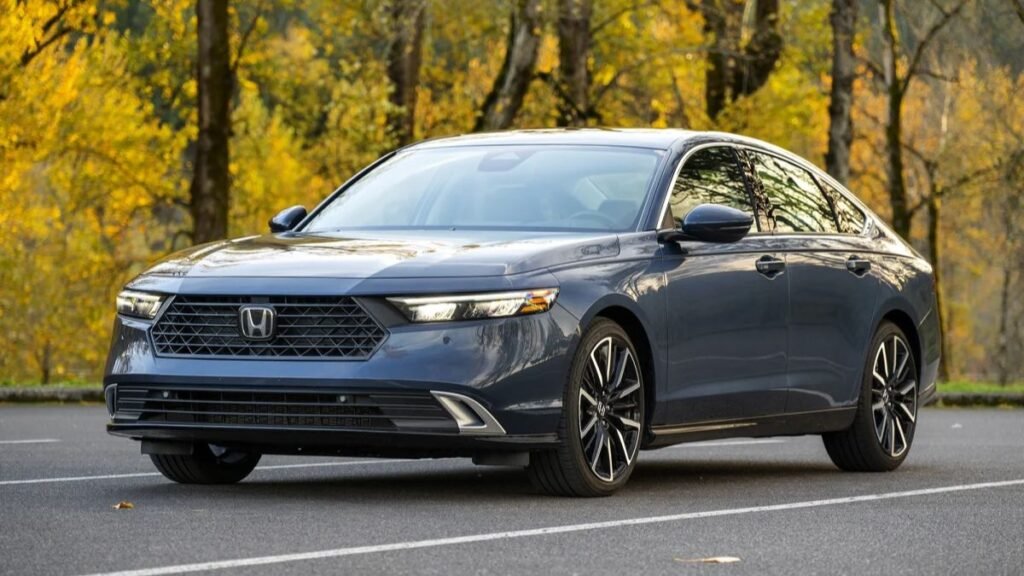
Plenty of buyers still prefer a traditional sedan, and for them the Accord Hybrid is the most sensible car in this section. It delivers approximately 204 horsepower of combined system output, and fuel economy depends heavily on trim. The EX L version can reach approximately 48 MPG combined, while certain other versions achieve approximately 44 MPG combined. That top figure belongs to one version, so check the rating of the specific car you are considering.
The redesigned generation introduced in 2023 brought a modern interior, generous passenger space, and a comfortable midsize driving experience that suits long highway stretches. It also happens to be the least expensive hybrid in the group, with a 2023 averaging roughly $26,596 in approximate asking price and a 2024 roughly $28,141.
The value argument is straightforward. Against a conventional gasoline sedan, the price difference is what you pay for lower fuel use, and for a commuter with a long daily drive, that math can work in your favor. If you do not need an SUV’s seating height or cargo flexibility, the Accord Hybrid gives up very little else.
Toyota Highlander Hybrid
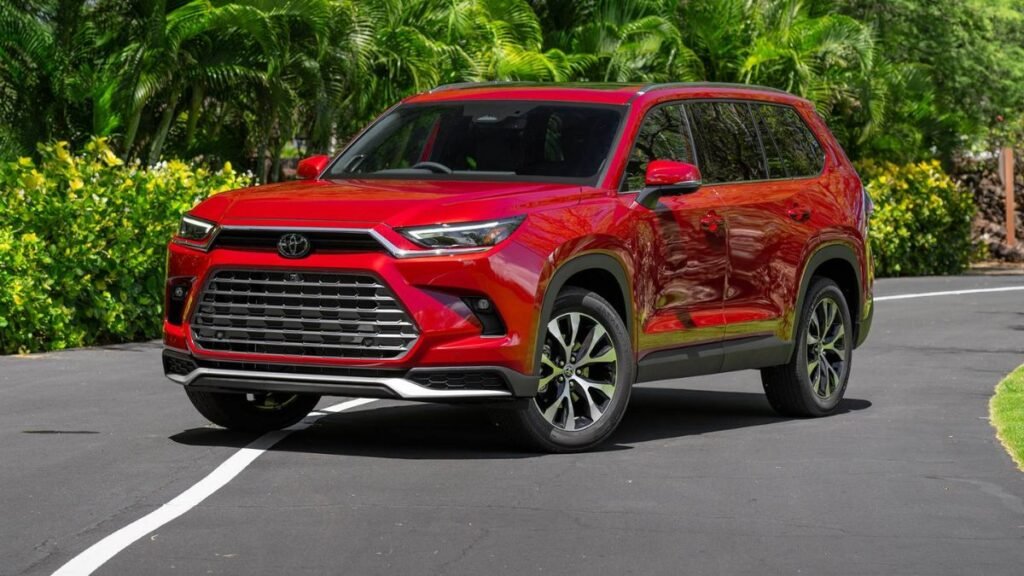
When a compact SUV no longer holds the family but a minivan feels like too much, the Highlander Hybrid fills the gap. It combines a 2.5 liter gasoline engine with Toyota’s hybrid system for approximately 243 horsepower of combined system output, and fuel economy can reach approximately 36 MPG combined in certain front wheel drive configurations. Other trims and drivetrains will not necessarily match that number.
The three row seating is both the appeal and the compromise. It carries more people than a conventional compact SUV, but the vehicle’s size affects parking and maneuvering, and cargo capacity shrinks when the third row is in use. Try that row with the people who will actually sit in it, because how often you use it largely determines whether this vehicle is worth the money.
Money is the other big question. A 2023 averages roughly $39,148 in approximate asking price and a 2024 roughly $44,415, a jump of about $5,267. For most buyers the 2023 is the stronger value unless the newer year offers specific equipment you want. If the third row is in daily use, the Highlander earns its price. If it is a few times a year, a cheaper SUV may serve you better.
Toyota Prius

The fifth generation Prius arrived with a substantial redesign beginning in the 2023 model year, and it changed the car’s image as much as its shape. It uses a 2.0 liter gasoline engine as part of its hybrid powertrain, with combined output of approximately 194 horsepower in front wheel drive versions and approximately 196 horsepower in all wheel drive versions. The redesign improved acceleration, styling, and everyday appeal while preserving the efficiency the nameplate is known for.
That efficiency is the headline. The LE front wheel drive version can achieve approximately 57 MPG combined, the highest figure in this article, but it does not apply to every Prius configuration, since trim level and drivetrain change the number. Look closely at the differences between trim levels before you shop.
A 2023 averages roughly $27,447 in approximate asking price and a 2024 roughly $28,979, so the Prius sits in the middle of the hybrid price range while delivering the lowest fuel consumption of the group. It is the natural pick for a commuter who puts mileage above everything else and does not need the ride height or cargo capacity of an SUV.
Battery Health, Charging, and Recalls: What to Check Before You Buy
Battery condition is the heart of used electric vehicle ownership, and it is the part buyers most often skip. Obtain a battery health assessment from a qualified technician rather than relying on a dashboard estimate or a seller’s description. Review charging history where available, check for warning messages, and inspect the service and recall history. There is no universal acceptable battery degradation percentage, and no one can promise a specific remaining battery lifespan, so the goal is to understand the condition of the particular car in front of you.
Warranty status deserves equal attention. Coverage depends on the original in service date, mileage, model, and applicable manufacturer terms. A vehicle originally sold with an eight year or 100,000 mile warranty might have much less remaining coverage in 2026, particularly if it has been driven heavily. Ask for the in service date and confirm what coverage remains with an authorized dealer.
Charging access shapes daily ownership as much as the car does. Home charging can make electric vehicle ownership substantially more convenient. Apartment parking, workplace charging availability, local public charging infrastructure, and highway travel needs all determine whether a used EV feels effortless or exhausting. DC fast charging capability matters most to those who travel long distances, which is why the Bolt EV and IONIQ 5 occupy such different positions despite similar prices.
Conventional hybrids do not require external charging, which can make them more convenient for drivers without home charging. They still deserve a professional hybrid system inspection, documented maintenance history, attention to the condition of the battery cooling system, and a check for warning lights. Not every hybrid battery has an identical lifespan.
Recall completion is especially important with electric vehicles because their charging electronics are complex. The ID.4 door handle recall and the IONIQ 5 ICCU recall, identified as 24V868, are the two covered here. For any car, check the vehicle identification number for open safety recalls, review available service documentation, inspect accident history, and arrange a pre purchase inspection before you pay.
Used Electric Vehicles Versus Conventional Hybrids
The two categories are not really competing for the same buyer, which is why comparing them directly is more useful than ranking them. Price is the first difference. At the reference figures, the least expensive electric vehicles sit meaningfully below the least expensive hybrids, so the EV route can open the door to a newer car on a smaller budget. That advantage is real only if charging fits your life.
Convenience is the second. An EV owner with a home charger starts each morning with a full battery and rarely visits a fuel station. A hybrid owner stops for gasoline as usual but never thinks about cables, apps, or charger availability. Neither pattern is better in the abstract. It depends on whether your routine makes one of them nearly invisible.
Long distance travel is where the gap is widest. A hybrid treats a cross country drive like any other trip. An EV can handle it, but it requires planning around charging stops, and the car’s DC fast charging capability becomes central to the experience. Maintenance considerations also differ, with EVs raising battery and charging system questions and hybrids raising hybrid system questions, and both rewarding buyers who insist on documentation.
Local charging access ends up deciding more purchases than any specification. A buyer with a garage outlet and a short commute is in a very different position from one who parks on the street and drives hundreds of miles each month.
Which Used Electrified Car Fits Your Life
The central question is not which car is best but which kind of buyer you are. If you have affordable home charging and a modest daily commute, the Chevrolet Bolt EV and Volkswagen ID.4 offer the most accessible entry prices among the vehicles covered here, and either can make a sensible commuter. If you want more range and faster charging for occasional longer trips, the Hyundai IONIQ 5, Ford Mustang Mach-E, and the Tesla models give you more room to grow, though their higher prices and recall or warranty questions deserve scrutiny.
Families have strong options on both sides. The Tesla Model Y and ID.4 offer electric space and flexibility for households that can charge at home, while the Toyota Sienna Hybrid and Highlander Hybrid suit families who need seven or eight seats or a third row without worrying about charging. For smaller families who want a conventional SUV, the Toyota RAV4 Hybrid and Honda CR-V Hybrid are the natural compromise between space, running costs, and freedom from charging infrastructure. They also suit people who travel frequently and do not want to depend on public chargers at all.
Commuters who prefer a sedan can look at the Accord Hybrid for its mix of efficiency and space and at the Prius for the lowest fuel consumption, with the Tesla Model 3 as the electric alternative for those who charge at home. The useful compromises sit in the middle, in cars like the Mach-E and IONIQ 5 for electric drivers who want range and character, and the CR-V Hybrid and Accord Hybrid for hybrid drivers who want efficiency without a premium price.
There is no universal winner. Start with where you can charge, then how far you drive, then how many people you carry, and only then compare prices. Whatever you choose, insist on a battery or hybrid system inspection, confirm recall completion by vehicle identification number, and treat every asking price as the opening of a negotiation rather than the end of one.