Best Used Minivans Under $20,000 (2026 Buyer’s Guide)
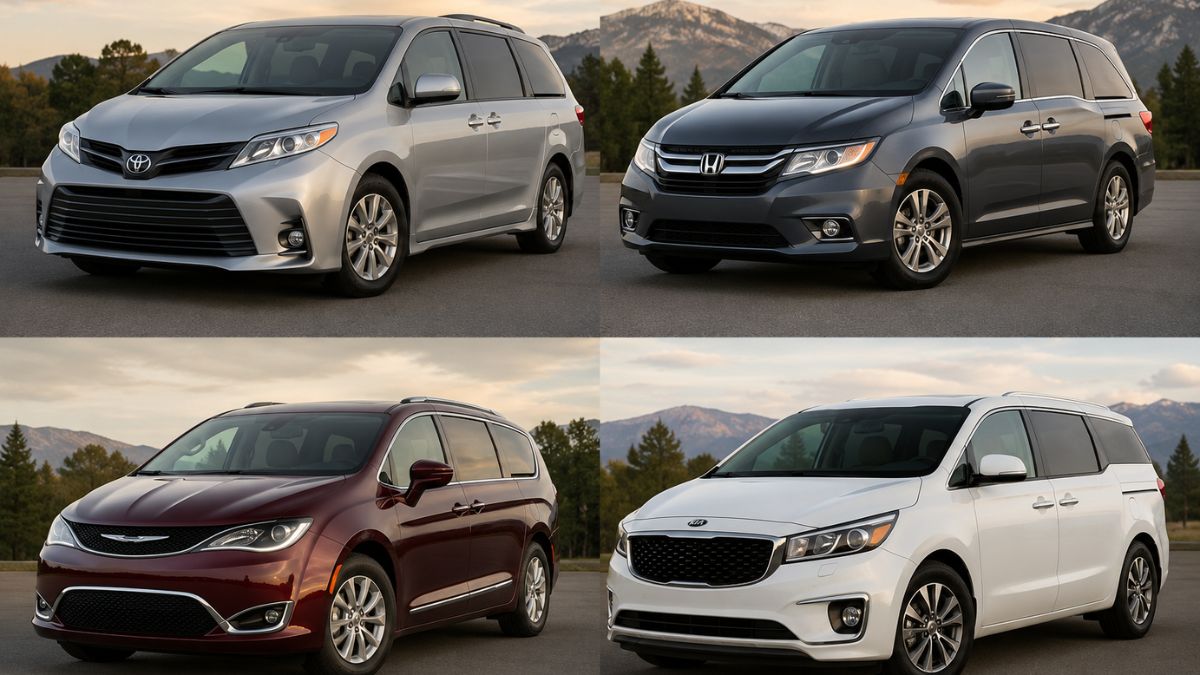
Minivans never stopped being the smartest family vehicle on the market. They lost the marketing battle to three-row SUVs years ago, but they never lost the engineering advantage. Sliding doors, flat load floors, low step-in height, and cabins built around real families instead of styling trends still make minivans the most practical way to move kids, gear, and groceries at the same time. In 2026, with new minivans routinely starting above $38,000, the used market is where the real value lives.
A $20,000 budget is realistic today because the minivan segment depreciates faster than sedans and SUVs of similar quality. Buyers who shopped this class new in the mid-2010s are trading in well-maintained vans with 60,000 to 120,000 miles on them, and dealers are pricing those trades to move. That means a shopper with $20,000 cash or financed can realistically choose between a low-mileage 2016 or 2017 model in a mid-level trim, or a higher-mileage Limited or Touring trim loaded with leather, navigation, and rear entertainment. Both paths make sense depending on priorities.
This guide is built for buyers who care about ownership cost, not just curb appeal. Every van on this list was cross-checked against manufacturer specifications, EPA fuel economy ratings, and long-term reliability data from independent sources including Consumer Reports, Edmunds, and RepairPal. Known issues are called out directly rather than glossed over, because a used minivan is only a good deal if you know what you are buying into.
When shopping this class, focus on four things. First, transmission health. Minivans work hard, and a rough-shifting or slipping transmission is the single most expensive problem you can inherit. Second, sliding door and power liftgate function, since motors and cables wear out and repairs are not cheap. Third, maintenance records, especially timing belt or chain service and transmission fluid changes, which matter more on a minivan than almost any other vehicle class. Fourth, rust and undercarriage condition if you are shopping in a state that salts winter roads, since minivans see daily driveway duty in all weather.
Quick Verdict
- Best overall: Toyota Sienna 2016
- Best value: Kia Sedona 2016
- Most reliable: Toyota Sienna 2016 and Honda Odyssey 2016 (tied)
- Best budget option: Dodge Grand Caravan 2018
Quick Comparison Table
| Model | Reliability | Comfort | Space | Fuel Economy | Best Use Case |
|---|---|---|---|---|---|
| Toyota Sienna 2016 | Excellent | Very Good | Very Good | 21 mpg combined | Long-term family ownership |
| Honda Odyssey 2016 | Very Good | Very Good | Excellent | 22 mpg combined | Growing families, road trips |
| Chrysler Pacifica 2017 | Fair | Excellent | Excellent | 22 mpg combined | Comfort-first buyers who budget for repairs |
| Dodge Grand Caravan 2018 | Good | Fair | Good | 20 mpg combined | Tightest budget, basic transportation |
| Chrysler Town & Country 2016 | Fair | Very Good | Good | 19 mpg combined | Buyers wanting Stow ‘n Go on a budget |
| Ford Transit Connect Passenger Wagon 2017 | Good | Fair | Fair | 26 mpg combined | Small families, city driving, easy parking |
| Nissan Quest 2017 | Fair | Good | Good | 22 mpg combined | Buyers prioritizing ride comfort over resale |
| Kia Sedona 2016 | Very Good | Very Good | Very Good | 20 mpg combined | Best value for features per dollar |
Toyota Sienna 2016
Overview
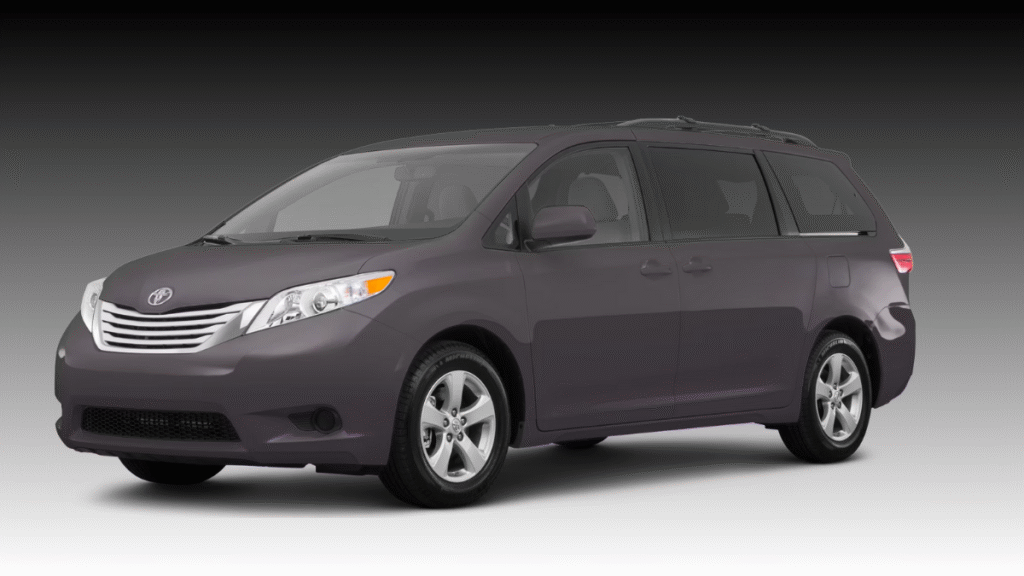
The 2016 Sienna is the only minivan on this list available with all-wheel drive, and that single feature has kept resale values stubbornly high years after production. It runs a 3.5-liter V6 making 266 horsepower paired with a smooth six-speed automatic, delivering 21 mpg combined on front-wheel-drive models and 19 mpg with AWD. The cabin looks a generation behind the Pacifica in terms of materials and screen size, but the driving experience is calm and predictable, with a soft ride, light steering, and one of the smaller turning circles in the class despite its length. Interior space is generous across all three rows, and the dash layout, while dated, is logically arranged and easy to learn. This is a minivan built for people who want to drive it for a decade without thinking about it.
Pros
- Only minivan in this era offered with all-wheel drive
- Reputation for long-term reliability, often exceeding 200,000 miles
- Strong resale value keeps depreciation costs lower over time
- Smooth, quiet ride on the highway
Cons
- Interior materials feel behind the segment for this price range
- Infotainment screen and tech feel outdated next to the Pacifica
- AWD models lose meaningful fuel economy
- Third-row folding mechanism is less intuitive than Chrysler’s Stow ‘n Go
Why Buy It in 2026
Buy this if you want the minivan you never have to think about. It is the safest reliability bet on this list, and if you live somewhere with snow, the AWD option alone justifies the search. It is a poor choice if you want the newest tech or the plushest cabin, since both the Pacifica and Odyssey feel more modern inside.
Honda Odyssey 2016
Overview
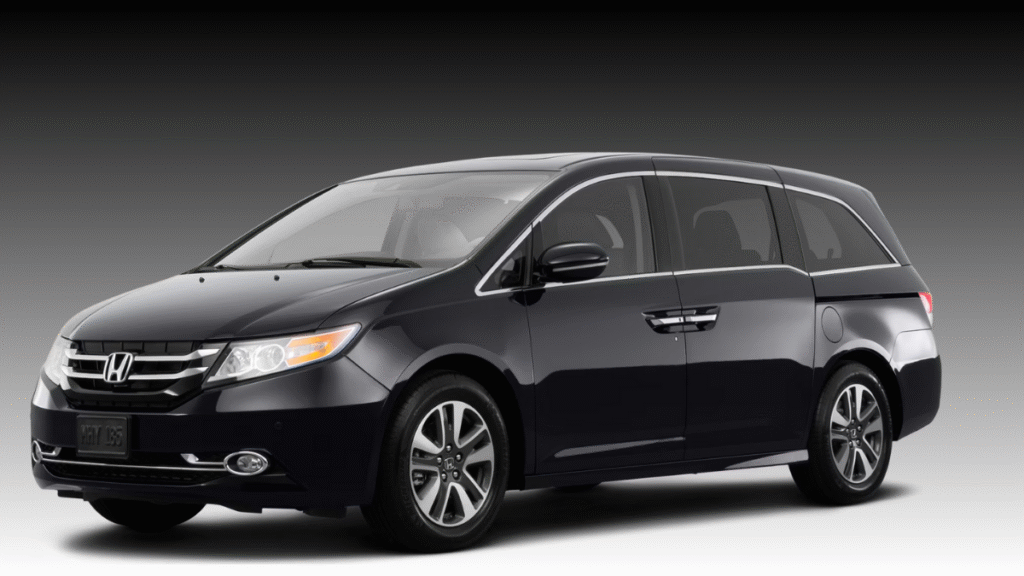
The Odyssey pairs the same 3.5-liter V6 architecture Honda has used for years, here making 248 horsepower, with a six-speed automatic that returns an EPA-rated 22 mpg combined, among the best in the class. It drives more like a large sedan than a minivan, with accurate steering and a ride that stays composed at highway speed. Interior space is the Odyssey’s calling card, with the widest cabin in the segment and clever touches like the HondaVAC built-in vacuum on higher trims. Reliability has traditionally trailed only the Sienna, though this generation carries some documented concerns around cylinder deactivation causing oil consumption and occasional automatic transmission shudder that buyers should inspect for before purchase.
Pros
- Best-in-class interior width and passenger room
- Strong fuel economy for the segment at 22 mpg combined
- Sedan-like handling and steering feel
- HondaVAC and rear entertainment options add real family utility
Cons
- Variable Cylinder Management can lead to oil consumption over time
- Some transmission shudder complaints reported by owners
- Power sliding door motors can fail and are costly to replace
- Six documented NHTSA recalls for this model year
Why Buy It in 2026
This is the pick for families who prioritize interior space and fuel economy over ultimate simplicity. Get a pre-purchase inspection focused on the transmission and oil consumption before buying, since a clean example will comfortably run past 200,000 miles. Skip it if the seller cannot produce maintenance records, since VCM-related issues are far more common in poorly maintained examples.
Chrysler Pacifica 2017
Overview
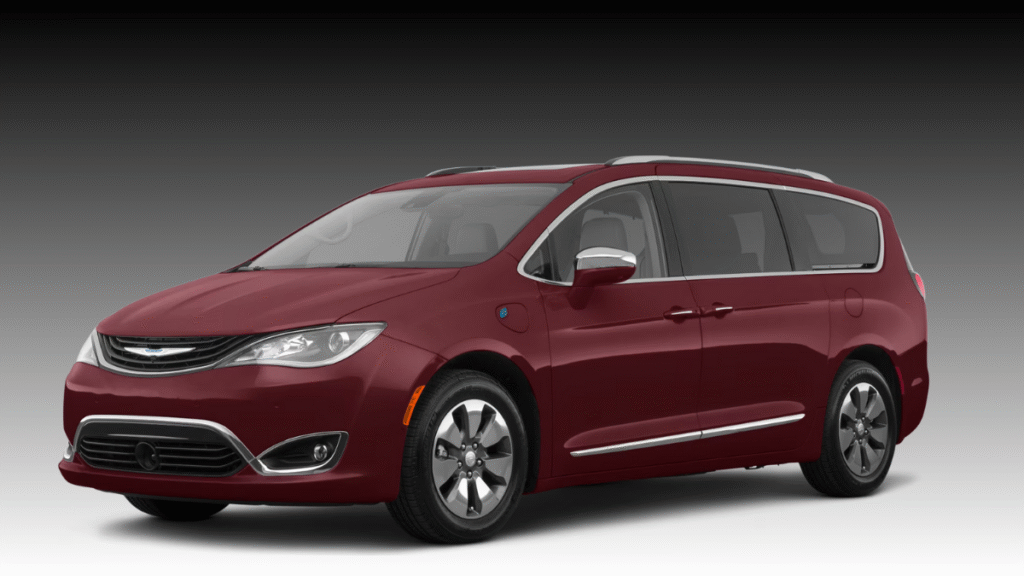
The Pacifica replaced the Town & Country in 2017 and instantly became the most refined minivan on the market, with a 3.6-liter V6 making 287 horsepower through a nine-speed automatic, returning 22 mpg combined. The cabin is the best in this list by a wide margin, with a modern dashboard, available leather, and the segment’s most functional second-row Stow ‘n Go seating, which folds flat into the floor without removal. It is also the quietest van here, with noticeably less wind and road noise than the Sienna or Odyssey. The tradeoff is reliability. This first model year is widely flagged by independent sources as the most problem-prone Pacifica year, with documented transmission shifting issues, electrical gremlins, and higher repair costs than its Japanese rivals.
Pros
- Most modern and comfortable interior in the segment
- Stow ‘n Go seating is the most practical folding system available
- Quietest cabin on this list
- Strong power and quick acceleration for a minivan
Cons
- 2017 is documented as the least reliable Pacifica model year
- Nine-speed transmission has a history of rough or hesitant shifting
- Electrical issues, including infotainment glitches, are commonly reported
- Repair costs run higher than Toyota or Honda equivalents
Why Buy It in 2026
Choose this if comfort and cabin quality matter more to you than long-term reliability, and budget for the possibility of transmission or electrical repairs. It is a strong choice if you can find one with a documented service history and remaining extended warranty coverage. Avoid it if you want a set-and-forget vehicle, since the 2018 through 2020 model years fixed most of these early problems.
Dodge Grand Caravan 2018
Overview
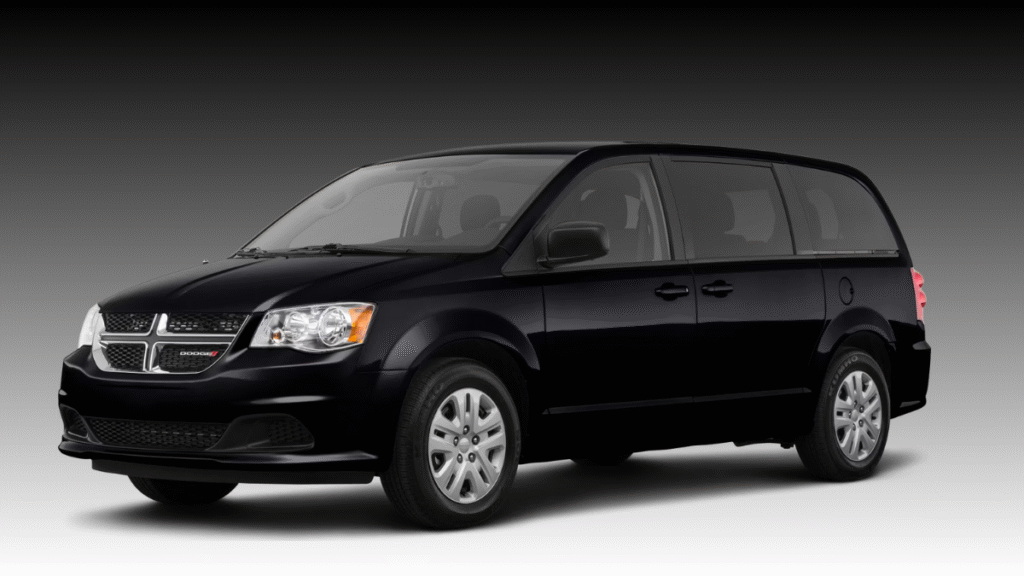
The Grand Caravan by 2018 was already an old design, riding on a platform with roots going back over a decade, but that age is exactly why it is the cheapest minivan on this list. It uses a 3.6-liter V6 making around 283 horsepower and a six-speed automatic, with fuel economy around 20 mpg combined. The interior is basic compared to the Pacifica or Sienna, with harder plastics and a dated infotainment system, but the mechanicals are simple and well understood by any independent mechanic, which keeps repair costs low. Stow ‘n Go seating carries over from Chrysler’s playbook, giving it real cargo flexibility despite its budget positioning.
Pros
- Lowest purchase price in this class by a wide margin
- Simple, well-understood mechanicals keep repair costs down
- Stow ‘n Go seating offers real cargo versatility
- Wide availability makes parts and service easy to find
Cons
- Interior materials and technology feel a full generation behind rivals
- Ride and handling are noticeably less refined than newer competitors
- Weaker resale value than Toyota, Honda, or Kia equivalents
- Discontinued platform means no updates or ongoing manufacturer support
Why Buy It in 2026
This is the van for buyers who need a reliable people-mover on the tightest possible budget and do not care about cabin polish or resale value. It makes sense as a second family vehicle, a teen driver’s first car, or a work van substitute. It does not make sense if you want a vehicle that will feel modern in five years, since it already feels dated today.
Chrysler Town & Country 2016
Overview
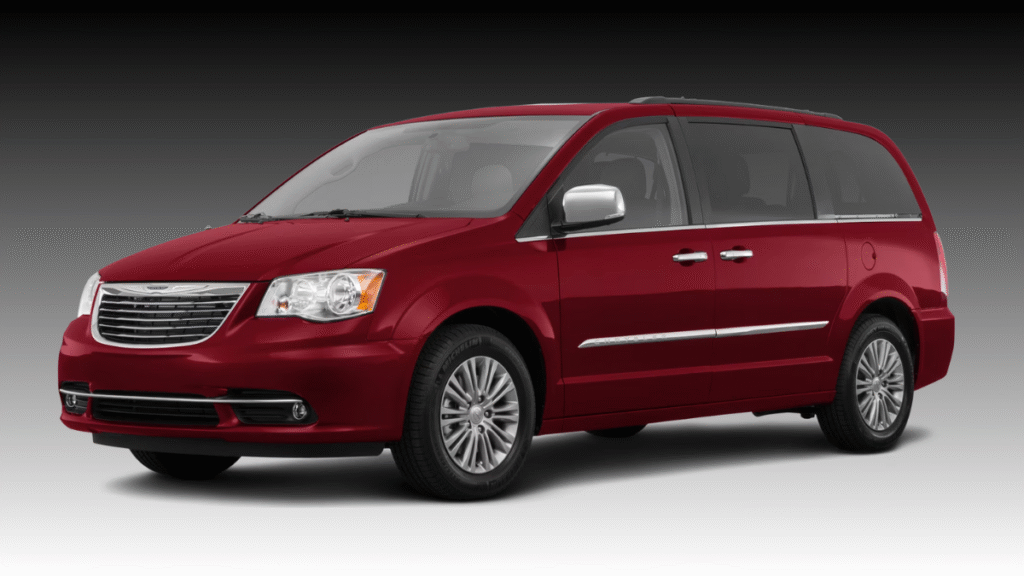
The final model year of the Town & Country before Chrysler replaced it with the Pacifica, this van runs a 3.6-liter V6 producing around 283 horsepower paired with a six-speed automatic, returning roughly 19 mpg combined. It shares its bones with the Grand Caravan but adds a nicer interior, standard Stow ‘n Go seating, and more available comfort features like leather upholstery and a power liftgate on higher trims. By 2016 it was clearly outdated next to the Sienna and Odyssey, but it still delivers a comfortable, quiet highway ride and generous second and third row space. Reliability concerns mirror the Pacifica’s later issues, including transmission roughness and electrical faults on higher-mileage examples.
Pros
- More upscale interior than the Grand Caravan for similar money
- Standard Stow ‘n Go flexibility on most trims
- Comfortable, quiet highway ride
- Wide availability keeps prices competitive
Cons
- Fuel economy trails every other van on this list
- Electrical and transmission issues become more common past 100,000 miles
- Discontinued nameplate limits long-term parts availability compared to Grand Caravan
- Resale value is weak
Why Buy It in 2026
Buy this if you want Stow ‘n Go practicality with a slightly nicer cabin than the Grand Caravan and can find a well-maintained example with service records. It is a weaker choice than the Grand Caravan if pure reliability and parts availability are your top priority, since the Caravan nameplate continued longer and has a larger support network.
Ford Transit Connect Passenger Wagon 2017
Overview
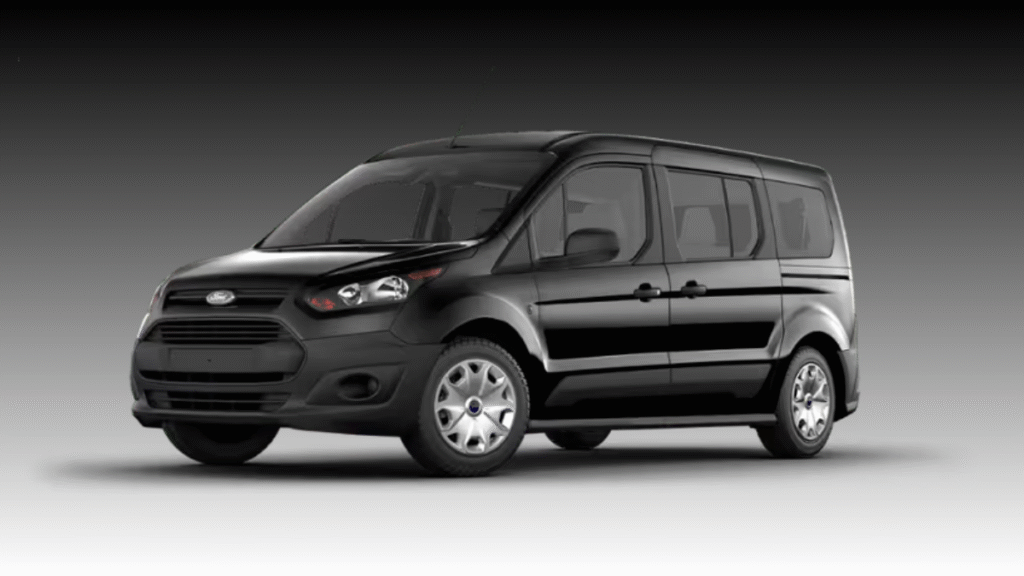
The Transit Connect is not a traditional minivan, and that is exactly its appeal for a specific type of buyer. Built on a commercial van platform, it uses a 2.5-liter four-cylinder engine making around 169 horsepower through a six-speed automatic, returning EPA figures near 26 mpg combined, the best fuel economy on this list by a wide margin. Its boxy shape sacrifices some third-row comfort and cargo refinement compared to true minivans, but it is easier to park, easier to see out of, and cheaper to fuel. The ride is firmer and less isolated than the Sienna or Pacifica, reflecting its van-based origins, and interior materials are more utilitarian than family-focused.
Pros
- Best fuel economy of any vehicle on this list
- Compact footprint makes city driving and parking easier
- High seating position improves visibility
- Lower purchase price than mainstream minivan competitors
Cons
- Four-cylinder engine feels underpowered when fully loaded
- Third-row space and comfort trail true minivans
- Ride quality is firmer and less refined
- Interior feels more commercial than family-oriented
Why Buy It in 2026
This is the right choice for a smaller family or a buyer who drives mostly in the city and wants better fuel economy than a traditional minivan can offer. It is the wrong choice for a family regularly hauling seven or eight people on long road trips, where the smaller cabin and less powerful engine will show their limits.
Nissan Quest 2017
Overview
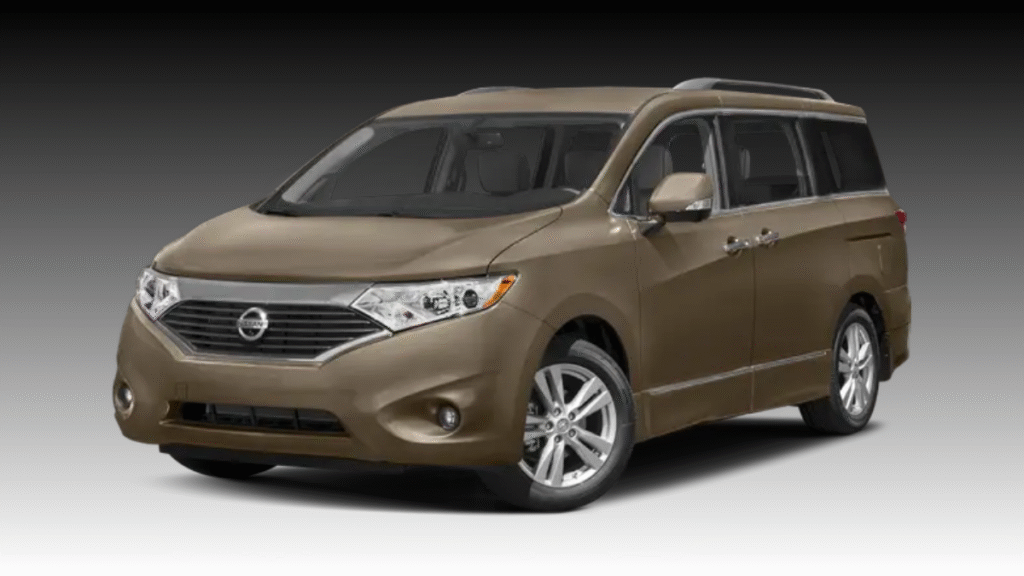
The final model year before Nissan discontinued the Quest, this van pairs a 3.5-liter V6 making 260 horsepower with a continuously variable transmission, delivering around 22 mpg combined. Its styling stood apart from the segment with a boxier, more angular profile, and the interior focuses heavily on ride comfort, with a supple suspension tune that soaks up rough pavement better than most rivals. Its CVT delivers smooth, linear acceleration without the shift hunting of a traditional automatic, though CVTs generally carry higher long-term repair risk once out of warranty. Because Nissan ended production, resale values are lower and finding one in good condition takes more searching.
Pros
- Comfortable ride tuning that favors smoothness over sportiness
- Strong fuel economy thanks to the CVT
- Distinctive styling and interior layout
- Lower asking prices due to discontinued nameplate
Cons
- CVT reliability is a long-term concern once out of warranty
- Discontinued model means shrinking parts and service network
- Resale value is weaker than Toyota, Honda, or Kia
- Harder to find in good condition due to limited production numbers
Why Buy It in 2026
Consider this if you find a low-mileage example with documented CVT fluid service and want a comfortable, different-looking alternative to the mainstream choices. It is not the right pick if you plan to keep a vehicle past 150,000 miles, since CVT durability becomes the deciding factor at that point, and Nissan’s early CVTs from this era do not have a strong long-term track record.
Kia Sedona 2016
Overview
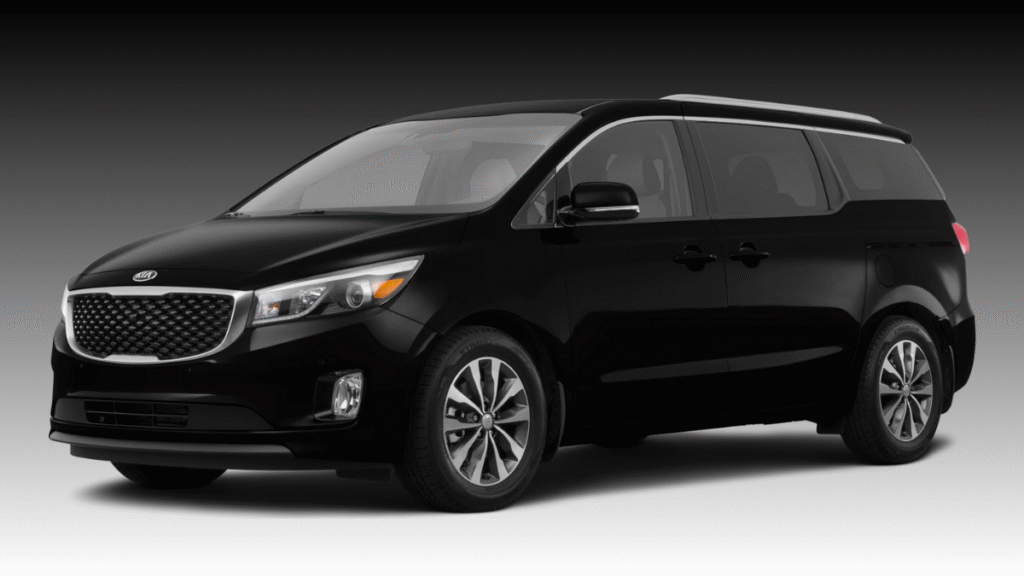
The Sedona is the value leader of this generation, using a 3.3-liter V6 making 276 horsepower through a six-speed automatic and returning around 20 mpg combined. Kia redesigned this generation with more upscale styling and materials than its price suggested, and independent reliability data now places it competitively with the Sienna and Odyssey, a shift from Kia’s reputation a decade earlier. The ride is comfortable and controlled, cabin materials feel a step above the Grand Caravan and Town & Country, and Kia’s warranty coverage, which often still has years remaining on used examples, adds real peace of mind that no other van on this list can match.
Pros
- Strong reliability data for this generation, rivaling Toyota and Honda
- Upscale interior styling and materials relative to price
- Comfortable, well-controlled ride quality
- Remaining factory warranty coverage often still applies on used examples
Cons
- Less brand cachet and resale strength than Toyota or Honda
- Third-row legroom is tighter than the Sienna or Odyssey
- Infotainment system feels a generation behind rivals
- Fewer available high-mileage examples with full service history
Why Buy It in 2026
This is the smartest dollar-for-dollar purchase on this list. Buyers get Toyota-and-Honda-level reliability data, a comfortable ride, and often remaining factory warranty coverage, all at a lower price point than the Sienna or Odyssey. It only falls short for families who need maximum third-row space, where the Odyssey has a real advantage.
Final Verdict
- Best overall choice: Toyota Sienna 2016, for its combination of long-term reliability, resale value, and available all-wheel drive.
- Best budget choice: Dodge Grand Caravan 2018, for buyers who want the lowest possible entry price with simple, easy-to-service mechanicals.
- Best luxury comfort choice: Chrysler Pacifica 2017, for its modern cabin, quiet ride, and Stow ‘n Go flexibility, provided the buyer accepts higher repair risk.
- Best reliability choice: Toyota Sienna 2016, narrowly ahead of the Honda Odyssey 2016, based on independent long-term reliability data.
FAQ
Are used minivans reliable in 2026?
Yes, particularly the Toyota Sienna, Honda Odyssey, and Kia Sedona from this generation, which consistently post strong reliability scores from independent sources like Consumer Reports and RepairPal. Reliability depends heavily on maintenance history, so a well-documented service record matters more than the badge on the hood.
What mileage is too high for a used minivan?
There is no hard cutoff, but 100,000 to 130,000 miles is a reasonable range to shop within for a $20,000 budget. A Toyota or Honda with full maintenance records at 120,000 miles is often a safer buy than a Chrysler product with unknown history at 80,000 miles.
How much should I budget for maintenance on a used minivan?
Expect $600 to $1,200 per year for routine maintenance on a Sienna, Odyssey, or Sedona in good condition. Pacifica and Town & Country owners should budget higher, closer to $1,000 to $1,800 per year, to account for a higher likelihood of transmission or electrical repairs.
Which used minivan is the best long-term choice?
The Toyota Sienna 2016 is the strongest long-term pick due to its track record of reaching 200,000-plus miles with routine maintenance and its available all-wheel drive, which extends usability in poor weather climates.
Do any of these minivans come with all-wheel drive?
Only the Toyota Sienna offered AWD during this generation, making it the only option on this list for buyers who need traction in snow or ice without switching to a full-size SUV.
Which minivan is best for a large or growing family?
The Honda Odyssey 2016 offers the widest interior and most third-row space on this list, making it the strongest choice for families regularly carrying seven or eight passengers.
Are minivans still a good idea when three-row SUVs are so popular?
Yes, for pure practicality. Minivans offer lower step-in height, sliding doors that do not require swing clearance in tight parking lots, flatter cargo floors, and generally better fuel economy than comparably sized SUVs, all at a lower used purchase price.
Is it worth buying a discontinued model like the Nissan Quest?
Only if you find a well-documented, low-mileage example and understand that parts and service will be harder to source over time. For most buyers, a continuing nameplate like the Sienna, Odyssey, or Sedona is the safer long-term bet.
If a three-row SUV still feels like the better fit for your family, it’s worth comparing both body styles side by side before deciding. Our Best Three-Row SUVs (2023 Models) guide breaks down the top picks by price, space, and reliability so you can weigh the tradeoffs directly against the minivans here.