20 Used Cars Worth Considering Under $15,000
Twenty familiar nameplates, the years and trims that fit the budget, and what to check before you pay


Shopping for used cars under $15000 is a balancing act. A newer model may fit the budget only with higher mileage, while an older car may leave enough room for tires, brakes or overdue maintenance. Two cars of the same model and year can also be very different purchases depending on their service records, accident history and how previous owners treated them. At this price, the condition of the individual vehicle often matters more than its badge or model year.
Used car prices climbed sharply earlier in this decade, and the market still does not offer the bargains many shoppers remember. Several of the newest model years covered here sit near or above the $15,000 ceiling, while others fit more comfortably but may require choosing a lower trim or accepting higher mileage. The goal is not simply to find the newest car you can buy for $15,000, but to find one that offers the strongest combination of reliability, practicality and manageable ownership costs.
If you are open to something more recent, 10 Affordable Used 2022 Cars Worth Buying in 2026 covers newer alternatives. Specifications throughout this guide apply to U.S. market cars. You can confirm exact fuel economy for a particular year, engine and transmission using FuelEconomy.gov.
Our Take
There is no single winner among these twenty cars, and this list is not intended as a ranking. The right choice depends on how far you drive, what you spend on fuel, how much passenger and cargo space you need, whether home charging is available and how much repair risk you are comfortable taking on. A Corolla and a Mustang, for example, serve very different priorities, yet either can make sense for the right buyer. The order of the cars is for organization only and does not indicate preference or overall value.
Used car prices also vary considerably from one market to another. The figures in this guide are estimates of asking prices, not guaranteed purchase prices or fixed market values. Local inventory, mileage, trim, condition, title history and seasonal demand can all affect what a seller asks. The estimates draw primarily on market data gathered through spring 2026, supplemented by more recent listing snapshots for a few difficult-to-price models. They exclude sales tax, title, registration, dealer documentation and other fees. Before making a decision, compare current local listings for the exact model year, trim, mileage and condition you are considering.
Mazda3, 2014 to 2018
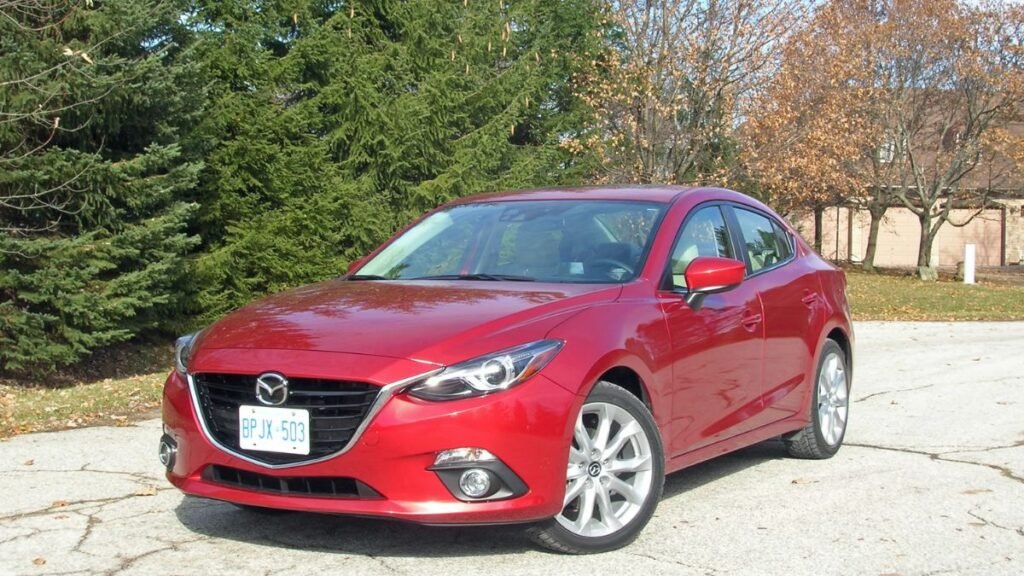
The third generation Mazda3 came as a sedan and a hatchback, and it is among the more rewarding small cars to drive at this price, with precise steering and a tidy chassis. Two U.S. engines were offered: a 2.0 liter four cylinder making 155 horsepower and a 2.5 liter four making 184 horsepower. Manual and six speed automatic transmissions were sold, though availability depended on body style and trim. A 2014 car with the 2.0 liter automatic is commonly rated around 32 to 33 mpg combined, while the 2.5 liter automatic is closer to 30 to 32. Ratings change by year and body style, so check the specific car.
The sedan’s trunk and rear seat are tighter than a midsize car’s, and the hatchback is the more practical body. Touring and Grand Touring equipment is attractive but raises prices. Spring 2026 data put average asking prices near $9,700 for 2014 and about $14,800 for 2018, so a late car under budget usually means a lower trim or more miles. Inspect service records, suspension, tires, infotainment function and signs of collision repair.
Toyota Prius, 2012 to 2017
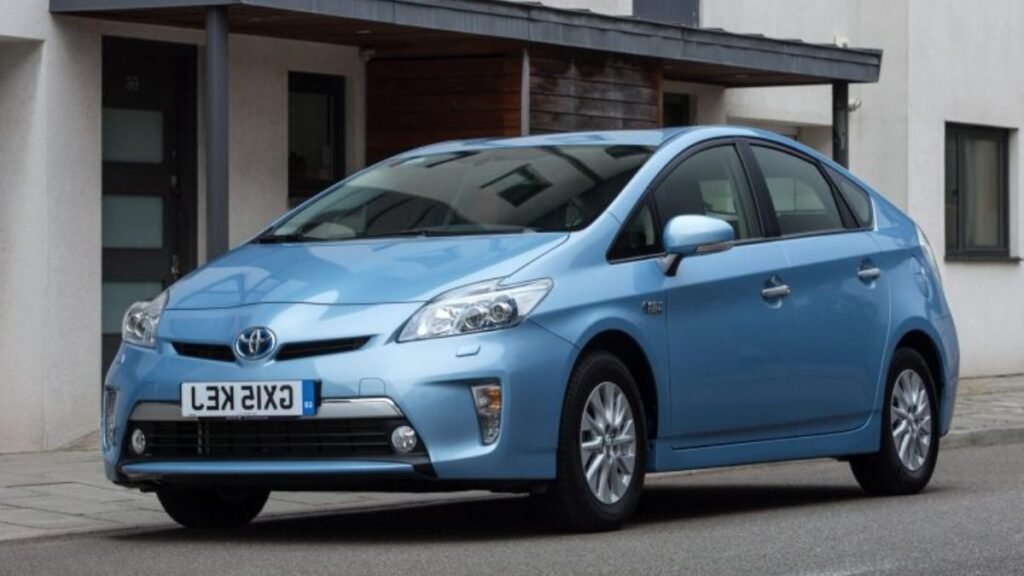
This range covers two distinct Prius generations. The 2012 to 2015 third-generation model pairs a 1.8-liter Atkinson-cycle four-cylinder engine with an electric motor to produce 134 net system horsepower. For the 2012 Prius, the current EPA revised estimate is 48 mpg combined, with 49 mpg in the city and 46 mpg on the highway. Toyota’s original published estimate was 50 mpg combined, but the revised EPA figure is the appropriate number to use when comparing it with other vehicles. The 2016 and 2017 fourth-generation Prius moved to a new platform with a redesigned hybrid system producing 121 net horsepower. Standard versions are rated at 52 mpg combined, while the more efficient Eco models can reach 56 mpg combined, depending on the model year and trim.
For a high mileage commuter, the Prius is hard to beat on fuel costs, and the hatchback cabin is more useful than its modest acceleration suggests. The condition of the hybrid battery matters most, followed by its cooling system, which uses an air intake vent, filter and cooling fan to prevent overheating. The inverter has a separate liquid-cooling circuit that also deserves inspection, along with the brakes and the engine’s service history. A technician familiar with Toyota hybrids should perform a diagnostic scan and check battery block voltage balance and stored hybrid-system fault codes. A dashboard warning light alone tells you very little about the battery’s actual condition.
Spring 2026 averages ran from about $9,000 for 2012 to roughly $12,600 for 2015, then climbed above $15,000 for 2016 and 2017. Cars from those later years can still fall under the cap, but typically with higher mileage, a lower trim or a condition compromise.
Mazda6, 2014 to 2017
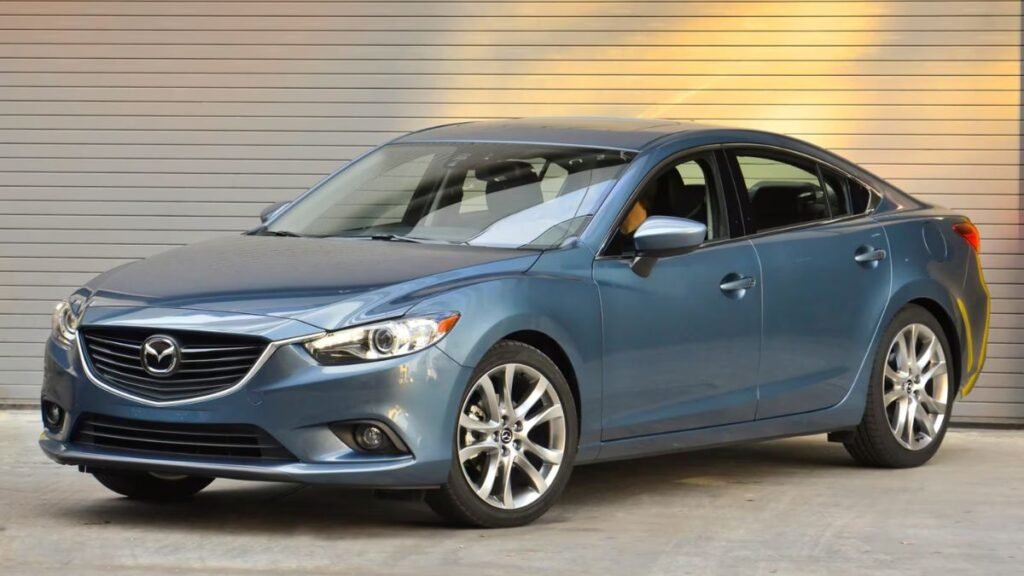
The third generation Mazda6 is a front wheel drive midsize sedan with sharper handling and a more upscale cabin than most mainstream rivals. Its U.S. engine is the 2.5 liter four cylinder, rated at 184 horsepower and 185 lb-ft of torque. A six speed manual was offered on some early base cars, while the six speed automatic is more common in Touring and Grand Touring trims. A 2014 manual was rated at 25 city, 37 highway and 29 combined, and the automatic at 26, 38 and 30. Later years should be checked by trim and transmission.
The ride is firmer than a comfort first sedan, and rear space is not class leading. Equipment varies, so confirm which driver assistance features a given car actually has. Spring 2026 averages ran from roughly $10,100 for 2014 to about $13,900 for 2017, leaving reasonable room under the cap. Check transmission behavior, suspension, tires, air conditioning, infotainment and service records.
Honda Civic, 2016 to 2018

The tenth-generation Civic offers a naturally aspirated 2.0-liter four-cylinder making 158 horsepower and a 1.5-liter turbocharged four making 174 horsepower in most sedan and coupe trims. The 2017 and 2018 Sport and Sport Touring hatchbacks use a higher-output version of the same turbo engine rated at 180 horsepower. The 2.0-liter engine was available with a six-speed manual or a CVT, while most turbocharged models used a CVT; the Hatchback Sport was also available with a six-speed manual. Body styles included the sedan and coupe in 2016, with the hatchback joining the U.S. lineup for 2017. Honda’s 2016 figures put the 2.0-liter CVT at 31 city, 41 highway and 35 combined, and the 1.5-liter turbo CVT at 31, 42 and 35. For 2018, ratings vary by body style, trim and transmission, mostly in the low to mid 30s combined.
Some owners of 1.5 liter turbo cars, particularly in cold climates with frequent short trips, have reported fuel diluting the engine oil. This does not affect every car, and Honda has issued service updates for some vehicles. Ask for service history and have a dealer check a specific VIN for applicable updates and campaigns.
This is where the budget gets tight. Spring 2026 averages were about $13,900 for 2016 and just over $15,000 for 2017 and 2018, so 2017 and 2018 cars under $15,000 depend on mileage and trim. Test the air conditioning, ask about CVT service, listen for suspension noise and look for collision repair.
Chevrolet Impala, 2014 to 2017

The tenth generation Impala is a large front wheel drive sedan with a deep trunk and plenty of rear seat room. Three powertrains were offered: a 2.5 liter four cylinder making roughly 195 to 197 horsepower, a 3.6 liter V6 making 305 horsepower, and, on some early cars, a 2.4 liter eAssist mild hybrid. Most use a six speed automatic. Representative four cylinder economy is in the mid 20s combined and the V6 in the low 20s. The eAssist is a mild hybrid, not a plug in.
Its strengths are easy highway cruising and space for the money. The V6 gives real pace at a fuel cost, and the car feels big in tight city parking. Spring 2026 averages ran from about $9,800 for 2014 to about $11,700 for 2017, though well equipped low mileage LTZ and Premier cars can cost more. Look for fleet history and check the transmission, cooling system, suspension and electronics.
Toyota Camry, 2012 to 2017
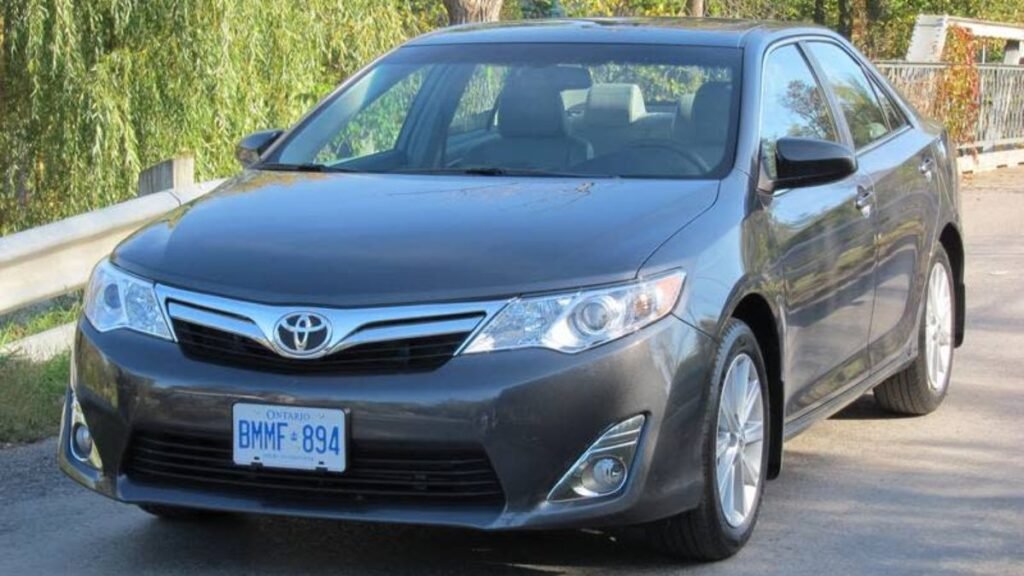
This range covers the seventh generation Camry, including the 2015 refresh. The 2.5 liter four cylinder makes 178 horsepower, the 3.5 liter V6 makes 268, and the hybrid combines a 2.5 liter engine with electric power for about 200 system horsepower. Gasoline cars use a six speed automatic and the hybrid a CVT. The four cylinder is generally in the mid to upper 20s combined, the V6 in the low to mid 20s, and the hybrid around 38 to 41. A 2012 hybrid LE is listed at 40 mpg combined and the XLE at 39.
The Camry’s appeal is a calm cabin, easy controls and wide parts availability. It is not engaging to drive, and earlier cars may lack the advanced safety features offered later. Spring 2026 averages ran from roughly $10,100 for 2012 to $14,900 for 2017. Check shift quality, oil leaks, steering and suspension wear, and the hybrid battery on any hybrid.
Chevrolet Volt, 2011 to 2015
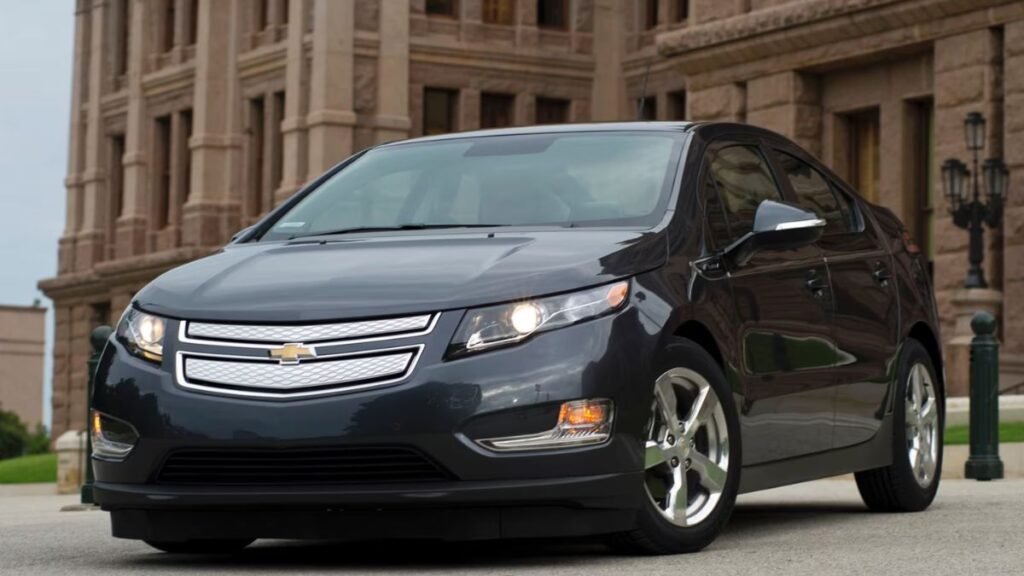
The first generation Volt is an extended range electric car, not a conventional hybrid and not a pure EV. A large traction motor drives the front wheels, and the car runs on battery power first. The 2011 and 2012 cars are rated at about 35 miles of electric range, and the 2013 to 2015 cars at about 38. When the battery’s available energy is used up, a 1.4 liter gasoline engine starts, and total range then extends with fuel in the tank. Electric range and total range are different numbers and should never be blended.
The engine’s role is more complicated than that of a simple generator. The Volt’s drive unit has a second motor generator and a planetary gearset, and GM engineers described two electric modes and two extended range modes. In one extended range mode at higher speeds, the engine contributes torque to the wheels through the gearset along with the motors, as described in GM’s SAE technical paper. The first generation car was specified for premium gasoline, so verify the requirement in the owner’s manual for the exact year.
For a driver whose commute fits within the electric range and who can charge at home, the Volt can cover most trips on electricity with gasoline as backup. It seats four, and repairs to the battery, charging equipment or drive unit can be costly. Earlier Autotrader data showed averages from about $5,200 for 2011 to about $8,000 for 2015, but a low price means little without battery health, charging operation and fault history. If you are weighing newer plug in options, 14 Electric SUVs from the 2022 and 2023 Model Years Compared covers a different price category and purpose.
Scion iA, Toyota Yaris iA and Toyota Yaris, 2016 to 2019
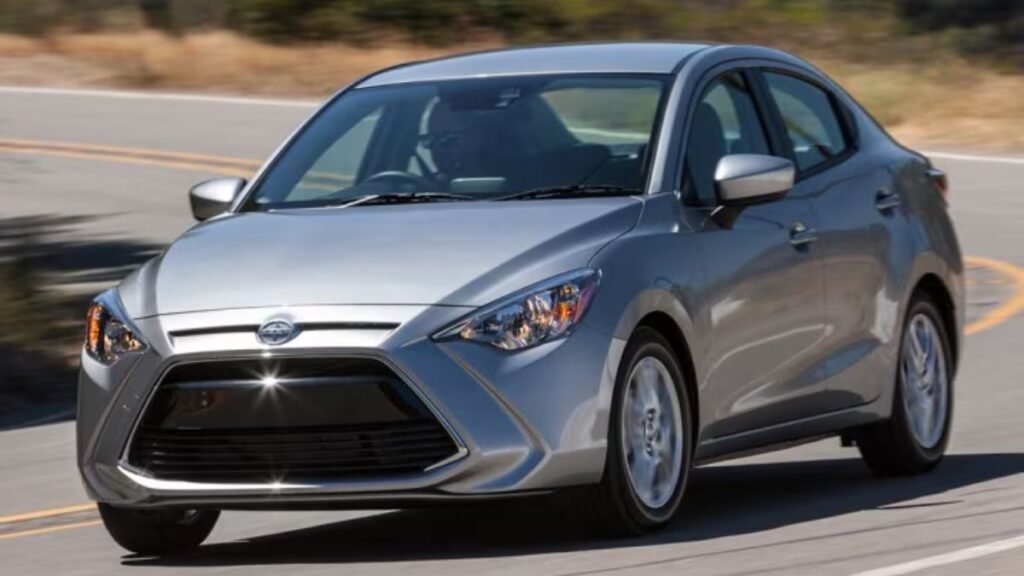
The badge changes across these years and should match the car. The 2016 model was the Scion iA, the 2017 and 2018 cars were the Toyota Yaris iA, and the 2019 car was the Toyota Yaris Sedan. They are related Mazda developed small sedans with a 1.5 liter four cylinder making 106 horsepower and a six speed manual or automatic. For 2016, Toyota listed the automatic at 33 city, 42 highway and 37 combined and the manual at 31, 41 and 35.
This is a car for low running costs and small dimensions. It drives better than its power suggests, but acceleration is modest, the rear seat and trunk are small, and driver assistance equipment is thinner than on newer cars. Spring 2026 signals were about $9,200 to $9,500 for 2016, around $11,600 for 2017 and 2018, and a median near $12,800 for 2019 in a dealer listing snapshot. Ask about prior ride hailing use, accident history, tire wear and transmission behavior.
Volkswagen Golf, 2015 to 2018

The gasoline Golf in these years uses a 1.8 liter turbocharged four cylinder making 170 horsepower and 199 lb-ft of torque with a manual or automatic. The electric e-Golf is a separate car, rated at about 83 miles for 2015 and 2016 and about 125 miles for 2017 and 2018. Do not apply one car’s specifications to the other. Any TDI diesel you consider needs a check of its emissions settlement history.
The Golf offers a refined ride and a premium cabin feel in a practical hatchback. On the gasoline car, the turbo makes maintenance records important. On the e-Golf, ask for a battery health report and test charging. Spring 2026 averages ran from about $9,800 for 2015 to about $13,400 for 2018. Check transmission service, the cooling system, electrical features and recall completion.
Nissan LEAF, 2013 to 2016
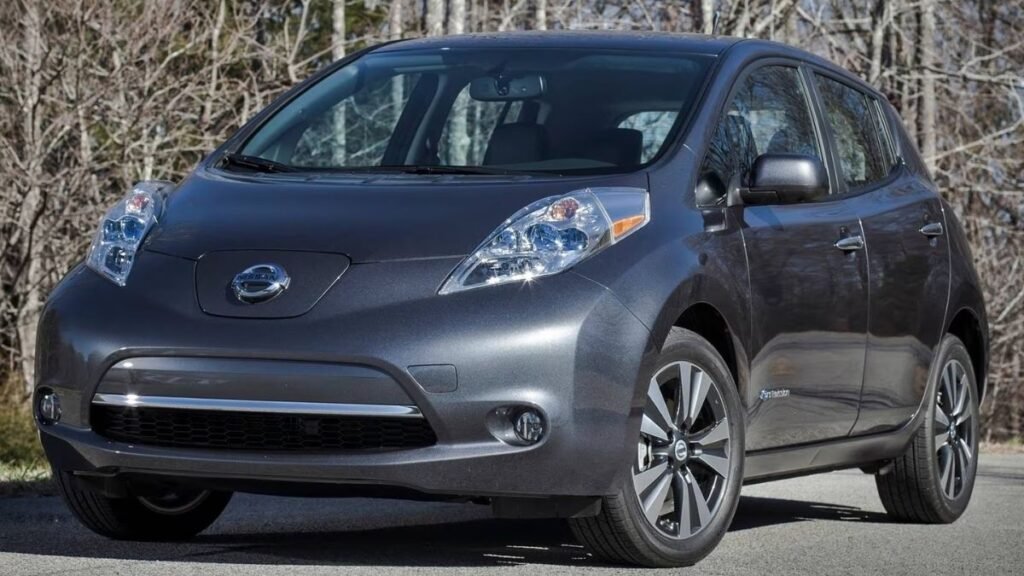
The first generation LEAF is a battery electric hatchback with a 107 horsepower motor producing 187 lb-ft of torque. Early cars have a 24 kWh battery, rated at about 75 miles of EPA range for 2013 and about 84 miles for 2014 and 2015. For 2016, the S trim kept the 24 kWh battery and its 84 mile rating, while SV and SL trims could have a 30 kWh battery rated at 107 miles. Not every 2016 LEAF has the longer range. Fast charging uses a CHAdeMO connector on cars equipped with it, so confirm the equipment.
The LEAF suits a household with home charging and a short predictable commute, and it is a poor one car road trip choice. Battery degradation is the central issue because the pack is air cooled, and usable range after years of heat can fall well below the original rating. Ask for a battery diagnostic report, check the capacity bars, test AC and DC charging and look for high voltage faults. A low asking price only has meaning next to current battery health. I could not establish dependable year specific prices for 2014 or 2016, so compare live listings with the battery report in hand. For newer electric options, see 14 Electric SUVs from the 2022 and 2023 Model Years Compared, keeping in mind that an SUV serves a different purpose than a compact commuter.
Honda Accord, 2013 to 2017

The ninth generation Accord offered a 2.4 liter four cylinder making 185 horsepower, or 189 in the Sport, and a 3.5 liter V6 making 278 horsepower. The four cylinder used a CVT or, on some cars, a six speed manual, and the V6 a six speed automatic or manual depending on body and trim. Many four cylinder CVT sedans are rated near 30 mpg combined and V6 sedans near 25.
The range also includes hybrids. The 2014 and 2015 Accord Hybrid pairs a 2.0 liter engine with two electric motors for 196 combined system horsepower, drives on electricity alone at lower loads and is rated at 47 mpg combined for 2014. A plug in version was sold in 2014 in small numbers, with a limited electric range. The 2017 Accord Hybrid uses an updated system rated around 212 horsepower with economy in the high 40s combined. Treat hybrids as a separate category from gasoline cars and verify each year’s rating.
Spring 2026 averages ran from about $11,000 for 2013 to about $15,300 for 2017, so a 2017 under $15,000 depends on mileage and trim. Check CVT operation and service history, V6 shift quality, brakes, suspension and air conditioning, and on hybrids, the battery’s condition.
Toyota Corolla, 2014 to 2018
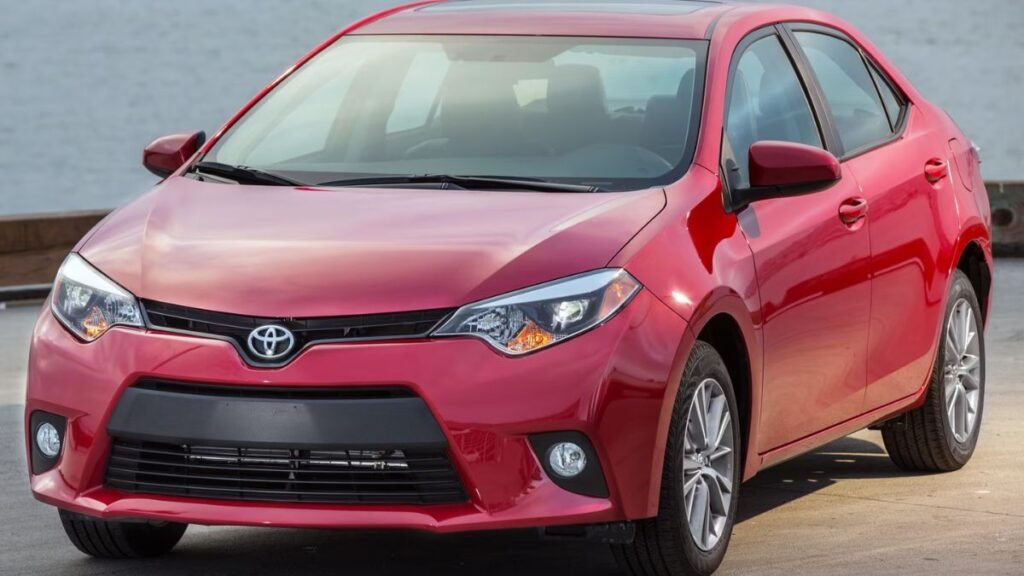
The eleventh generation Corolla uses a 1.8 liter four cylinder making 132 horsepower, and the LE Eco has a Valvematic version rated at 140 horsepower. Transmissions include a six speed manual, a CVT and conventional automatics on early cars. Most versions return upper 20s to low 30s combined, and the Eco reaches about 34 combined and roughly 42 highway in the 2014 specifications. The 2017 model year made Toyota Safety Sense P standard, a good reason to prefer that year or later.
The Corolla offers simple ownership, a roomy rear seat for the class, wide parts availability and sound economy. Steering and acceleration are less engaging than the Mazda3 or Civic, and base cabins are plain. Of all cars here, this one fits the budget most easily, with spring 2026 averages from about $11,100 for 2014 to $14,400 for 2018. Check CVT behavior, leaks, suspension, brakes, tires and the operation of safety features.
Buick Verano, 2012 to 2017
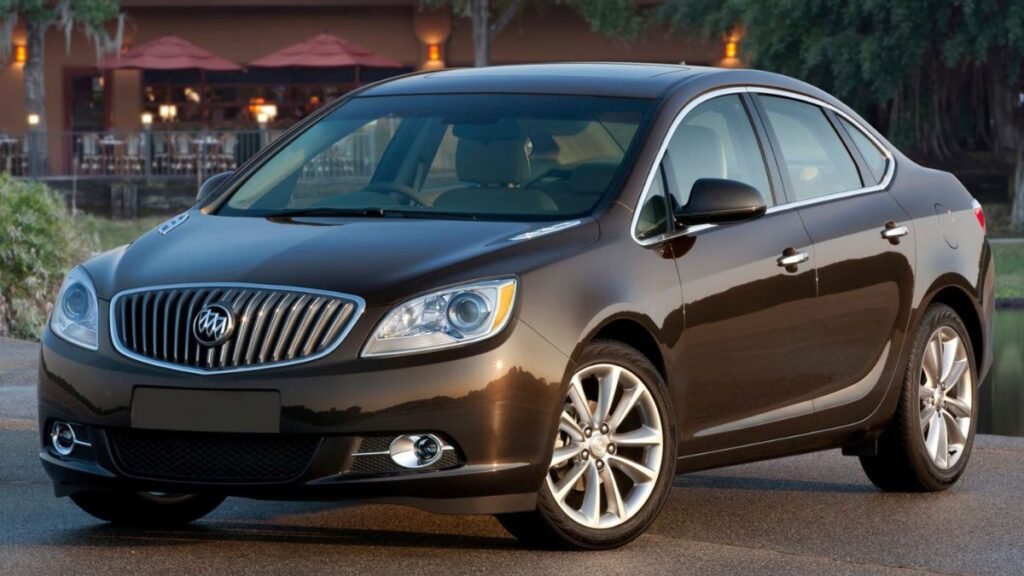
The Verano is a compact sedan tuned for a quieter, more comfortable character than the Chevrolet Cruze that shares its architecture. The standard engine is a 2.4 liter four cylinder making roughly 180 horsepower. From 2013, a 2.0 liter turbo making roughly 250 horsepower was offered on Turbo trims, and a six speed manual was available on some of them. Fuel economy differs by engine and transmission, so check the exact car.
The cabin and ride feel more substantial than most compact economy cars, and the Turbo is genuinely quick. Rear space is modest and the Turbo costs more to fuel and maintain. Spring 2026 averages stayed below $10,000 for 2012 to 2016, but a current listing sample suggests that newer Sport Touring and Turbo cars often ask more. Recent 2015 and 2016 listings commonly sat around $12,000 to $15,000, and the 2017 Verano is scarce, with only a handful of national listings on one marketplace, mostly Sport Touring cars asking about $15,000 or more and a few older listings lower. Treat that as a thin sample. Inspect the transmission, turbo system, cooling system, leaks and electronics.
Ford Mustang, 2010 to 2014

The 2010 Mustang carries the older 4.0 liter V6 making 210 horsepower. From 2011 to 2014, the V6 is a 3.7 liter making 305 horsepower and 280 lb-ft. The GT’s 5.0 liter V8 makes 412 horsepower in 2011 and 2012 and 420 in 2013 and 2014. Manual and automatic cars have different fuel economy.
The V6 is the realistic budget entry point. Model wide spring 2026 averages ranged from about $11,800 for 2010 to about $20,600 for 2013, but those blend V6 cars with GT and special editions and should not be read as V6 prices. Many ordinary V6 coupes and convertibles can be found under the cap, but confirm trim and mileage in each listing.
The Mustang offers rear wheel drive character and strong engines, with limited rear seat and cargo practicality. Insurance, tires and fuel can erase the savings from a low purchase price. Look for hard use, modifications, clutch wear, rear differential noise, cooling problems and poor bodywork.
Volkswagen Passat, 2012 to 2018
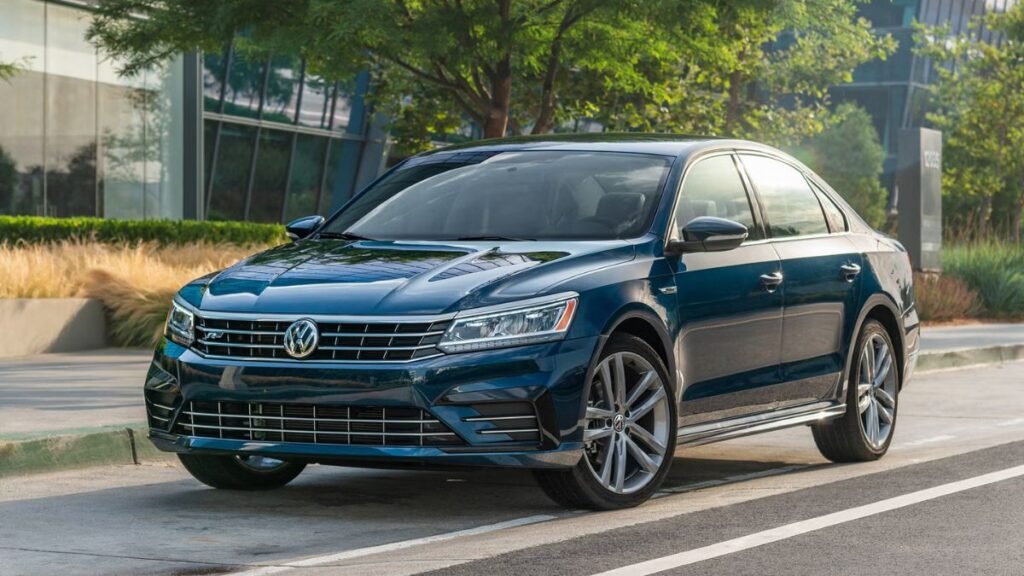
No single engine description fits this range. U.S. Passats used a 2.5 liter five cylinder making about 170 horsepower in earlier years, a 2.0 liter TDI diesel in some early years, a 3.6 liter VR6 making about 280 horsepower as the upper option, a 1.8 liter turbocharged four in the middle of the period and a 2.0 liter turbo making about 174 horsepower by 2018. The exact model years and outputs should be checked against VW of America data for the car you are considering.
The Passat offers generous rear seat room and a comfortable, understated ride. Ownership costs can run higher than a Camry or Accord, especially on turbo, diesel and V6 cars. For any TDI, confirm the emissions settlement modification and the history of the emissions system. On gasoline cars, inspect the cooling system, leaks, transmission behavior and turbo components. Spring 2026 averages rose from roughly $6,700 for 2012 to about $12,300 for 2018.
Mercedes-Benz C-Class, 2008 to 2014

This is the W204 generation, and its U.S. engine lineup changed significantly over the years. From 2008 through 2011, the C300 used a 3.0-liter naturally aspirated V6 producing 228 horsepower and 221 lb-ft of torque, while the C350 came with a 3.5-liter V6 rated at 268 horsepower and 258 lb-ft. For 2012, Mercedes introduced the C250 with a 1.8-liter turbocharged four-cylinder producing 201 horsepower and 229 lb-ft of torque. The 2012 C300 4MATIC retained its 3.0-liter V6 with 228 horsepower, while the C350 received an updated 3.5-liter V6 producing 302 horsepower and 273 lb-ft. For 2013 and 2014, the C300 4MATIC switched to a direct-injection 3.5-liter V6 producing 248 horsepower and 251 lb-ft, while the C250 and C350 retained their respective 201-horsepower and 302-horsepower engines. Most later examples use a seven-speed automatic transmission, although selected earlier C300 Sport models were available with a six-speed manual. The high-performance C63 AMG is a separate proposition, with its naturally aspirated 6.2-liter V8 commonly marketed as a 6.3-liter engine and substantially higher performance and maintenance costs. Because engine, transmission and drivetrain availability varies by year and configuration, verify the exact equipment using the vehicle identification number (VIN), rather than relying solely on the listing description.
The C-Class brings a more substantial cabin, better isolation and premium badge appeal, and the risk that deferred maintenance becomes an expensive repair project. Spring 2026 averages were mostly below $10,000, from about $6,700 for 2008 to about $9,400 for 2012, but a low price does not mean low ownership cost. Budget for premium fuel, specialist diagnostics, tires and maintenance. Inspect service history, leaks, suspension bushings, electronics, cooling and every warning light.
Chevrolet Camaro, 2010 to 2015

The fifth-generation Camaro returned for the 2010 model year. Its 3.6-liter V6 produced 304 horsepower in 2010, increased to 312 horsepower in 2011, and reached 323 horsepower from 2012 through 2015 with an updated engine. SS models use a 6.2-liter V8 producing 426 horsepower with the six-speed manual transmission or 400 horsepower with the six-speed automatic. The high-performance ZL1 uses a supercharged 6.2-liter V8 producing 580 horsepower, while the Z/28 features a naturally aspirated 7.0-liter LS7 V8 rated at 505 horsepower. Both are substantially different from the regular V6 and SS models and generally sit well outside this budget. Six-speed manual and automatic transmissions were available on the regular V6 models, while the SS offered both transmission types with different engine outputs. Fuel economy varies considerably between the V6 and V8, with the V8 models carrying a significant fuel-cost penalty.
The V6 is the most realistic version for buyers working with a $15,000 budget. Spring 2026 model-wide asking price averages ranged from about $14,900 for 2014 to roughly $20,200 for 2010, but these figures combine different trims, engines and mileage levels, so they do not represent typical V6 prices. The LS and LT versions are generally much more accessible than the SS, while ZL1 and other high-performance models push the model-wide averages higher. A clean V6 coupe is the most practical target under $15,000. An SS may occasionally appear below that ceiling, but usually requires accepting higher mileage, a condition compromise or a less desirable history. A well maintained V8 with ordinary mileage is not something buyers should expect to find consistently within this budget.
The Camaro offers strong styling and rear wheel drive handling, but visibility is poor, the rear seat is cramped and the trunk opening is small. Look for collision repair, track use, modifications, tire wear, clutch condition and differential noise.
Subaru Outback, 2013 to 2016
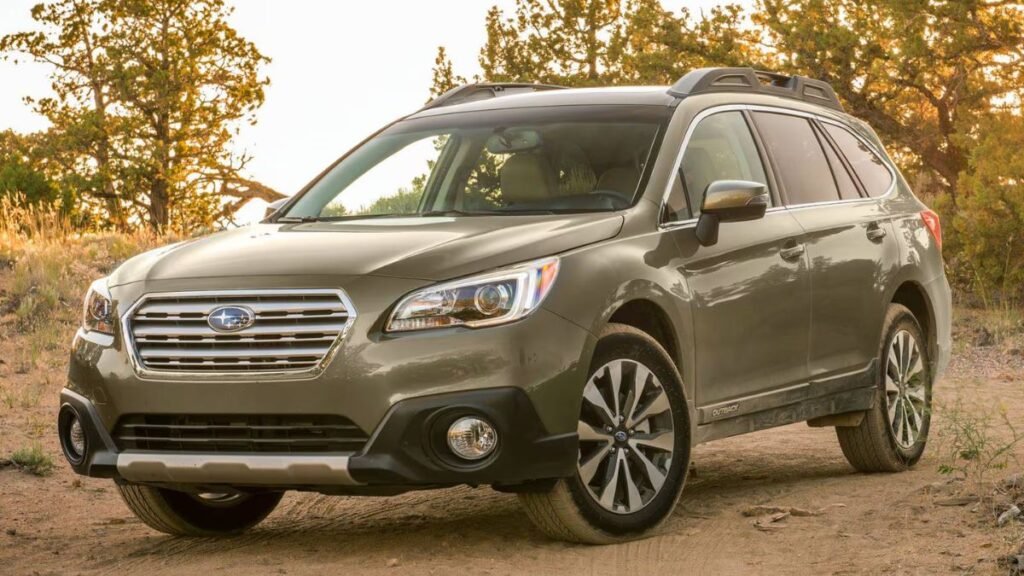
The Outback is a wagon with SUV-like ride height and standard Symmetrical All-Wheel Drive. The 2.5i uses a 2.5-liter flat-four rated at 173 horsepower in 2013 and 175 in 2015, and the 3.6R uses a 3.6-liter flat-six making 256 horsepower and 247 lb-ft. Transmissions changed in the redesign. For 2013 and 2014, the 3.6R used a five-speed automatic, and the 2.5i came with a six-speed manual or a Lineartronic CVT. For 2015, Subaru made a CVT standard on all models, with a high-torque CVT on the 3.6R, as described in Subaru’s 2015 press kit and 2016 press kit. The manual was dropped with that change.
Fuel economy differs by powertrain. The 2015 redesign raised four cylinder ratings to 25 city and 33 highway, and Subaru rated the 2015 3.6R at 20 city, 27 highway and 22 combined, up from 17, 25 and 20. The 2.5 liter can feel slow with a full load, while the 3.6R is smoother and stronger but uses more fuel.
Spring 2026 averages ran from about $7,900 for 2013 to about $12,200 for 2016, leaving room under the cap. Check CVT service records and operation, oil leaks, wheel bearings, suspension and underbody damage. The Outback is not a serious off roader. If you would rather have a small crossover, 16 Subcompact SUVs from the 2022 and 2023 Model Years Compared offers newer options.
Volkswagen Beetle, 2012 to 2017
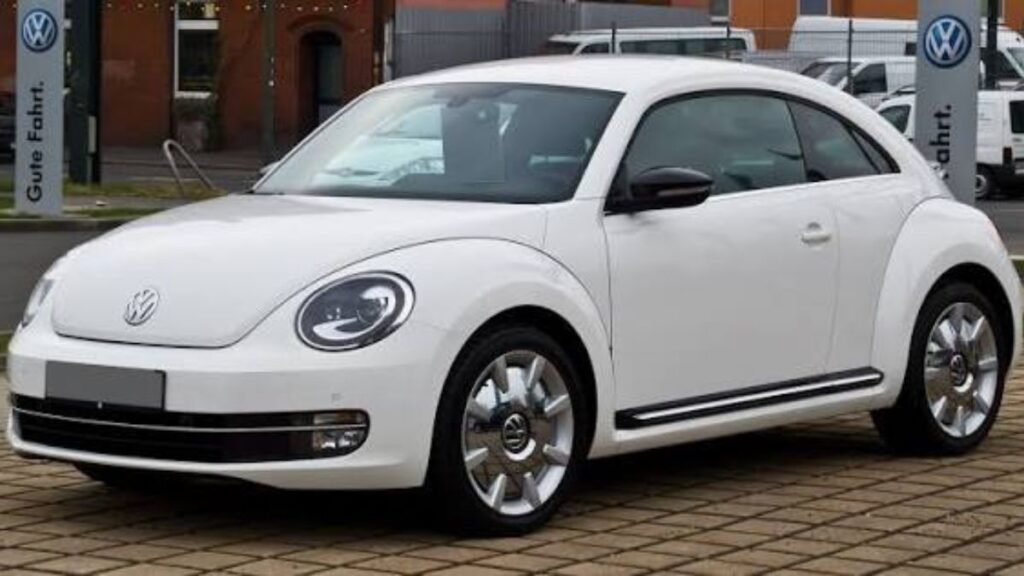
The modern Beetle is a front wheel drive compact with hatchback practicality and retro styling. Its U.S. engine lineup changed over time: a 2.5 liter five cylinder making about 170 horsepower, a 2.0 liter turbo making about 200 and later about 210, a 1.8 liter turbo making about 170 horsepower in later years, and diesels in some early years. Not every engine was sold in every year. A convertible joined the lineup in 2013.
Appeal comes from distinctive looks and comfortable front seats, with restricted rear access compared with a Golf. Prices rose with newer years, from about $9,100 for 2012 and $13,100 for 2014 to $15,100 for 2016 and $19,200 for 2017 in spring 2026 averages, and convertibles and turbo cars sit higher. 2016 and 2017 cars under $15,000 will take careful trim and mileage selection.
Inspect the transmission and cooling system, turbo condition, the emissions system on a TDI, roof seals and mechanism on convertibles, electrical features and records.
Chrysler 300, 2011 to 2016
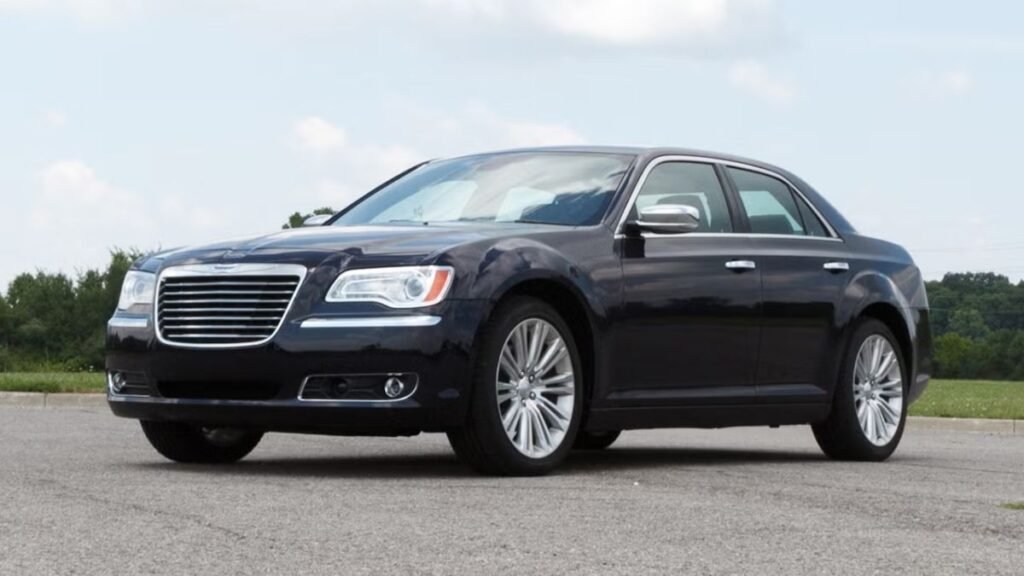
The 2011 redesign brought a more refined full size rear wheel drive sedan. The standard 3.6 liter Pentastar V6 makes 292 horsepower and 260 lb-ft, and the 5.7 liter HEMI V8 makes 363 horsepower and 394 lb-ft. The V6 started with a five speed automatic in 2011, and an eight speed became available on selected V6 cars from 2012 and more common later. All wheel drive was offered on selected V6 configurations.
The 300 offers a spacious cabin and long distance comfort, with size, fuel use and potential tire, brake and repair costs as the trade. The V6 is the more sensible budget choice, while a HEMI may be cheap to buy but costs more to run. I could not find a dependable 2011 price benchmark, so check listings directly. Other years averaged from about $9,100 for 2013 to $12,100 for 2016 in spring 2026 data. Inspect transmission behavior, mounts, cooling system, front suspension and electrical equipment.
Putting It All Together
Across these twenty cars the lesson is the same. You are buying one car with its own history, not a nameplate. A tidy Corolla with records can beat a neglected prestige car at a lower asking price, and a cheap C-Class, Volt or LEAF can turn costly quickly if maintenance or battery problems appear. Choose by how you drive, what you can afford to maintain and whether the specific car checks out.
Begin with paperwork. Ask for service records, confirm a clean title and run the VIN through the NHTSA recall lookup, because recall status is specific to each vehicle and a model year list cannot show whether a car was repaired. Then pay for an independent inspection with a diagnostic scan, and look closely at accident repair, tires, brakes, leaks and transmission behavior, adding the powertrain checks described above. None of this guarantees a trouble free car, but it improves your odds.
If a factory-backed warranty matters to you, 10 Hyundai Certified Used Cars Worth Considering explains certified pre-owned buying as a separate option outside this list.