2024 Polestar 2 Review: The EV That Finally Gets the Driving Right
A rear-wheel-drive shift transforms Polestar’s electric hatchback into something far more engaging

You know what I was expecting when I first got behind the wheel of the 2024 Polestar 2? More of the same. The original model was fine. Not great, just fine. It had decent range, decent performance, decent looks. But it never felt like a car you’d actually enjoy driving. It felt like a tech product on wheels. A very expensive, very Swedish tech product.
Then I drove the 2024 model. And something clicked.
The single-motor version is now rear-wheel drive. That’s not a minor spec change. That’s a fundamental shift in how this car behaves. It’s more balanced. More playful. More alive. For the first time, the Polestar 2 actually made me smile on a twisty road. That’s not something I expected from a car that, on paper, looks like a slightly weird hatchback competing with the Tesla Model 3.
Here’s the thing about the rear-wheel-drive switch. It doesn’t just make the car faster or more efficient. It changes the entire character. The front-wheel-drive version always felt like it was pulling you through corners. This one pushes. There’s a subtle but important difference, and you feel it immediately. The car rotates more naturally. It responds to throttle inputs in a way that feels intuitive. And honestly? It’s more fun than it has any right to be.
I spent a week with this thing, mostly in stop-and-go city traffic and a few longer highway stretches. And there was one moment that genuinely annoyed me. I was sitting at a red light in the middle of a downpour, and the wipers decided to go into full panic mode. Not because the rain was heavy, it wasn’t. Just because the sensor is overly sensitive and apparently terrified of water. I sat there like an idiot, staring at a dry windshield while the wipers flailed at full speed. It’s not a dealbreaker. But it’s the kind of thing that makes you question whether anyone actually tested this car in Seattle.
Anyway. The point is that even with small frustrations, the Polestar 2 won me over. And I ended up preferring it to the BMW i4 in real-world driving, which I honestly did not expect.
Our Take
Look, I’ll be direct with you. The 2024 Polestar 2 is not the best EV in its class. The Tesla Model 3 has better software. The Hyundai Ioniq 6 has more range and faster charging. The BMW i4 is sharper to drive. But the Polestar 2 does something that none of those cars quite manage. It feels like a real car. Not a science experiment. Not a smartphone on wheels. A car.
And yes, I actually preferred it over the BMW i4 in real traffic. Not on paper. Not in a spec sheet comparison. In actual, everyday driving. The BMW is sharper, no question. But the Polestar is more livable. More comfortable. More forgiving. And sometimes, that matters more than lap times or 0-60 numbers. I know that’s not the popular opinion. I don’t care.
The rear-wheel-drive single-motor version is the one to get. It’s more efficient, more engaging, and significantly cheaper than the dual-motor model. The range is genuinely impressive, and the Google-based infotainment system is among the most intuitive in the business. But the rear seat is tight, the ride is firm, and some interior materials feel less premium than the price suggests.
For buyers who value design, driving enjoyment, and everyday usability over outright performance or maximum range, the 2024 Polestar 2 is a compelling choice. It is not the car I would recommend to everyone. But for the right buyer, it’s the one.
Pros
- The switch to rear-wheel drive makes the single-motor version genuinely fun to drive
- Real-world range exceeds EPA estimates (329 miles in MotorTrend testing)
- Scandinavian interior design is clean, modern, and refreshingly different
- Google-based infotainment system is intuitive and responsive
- Hatchback body style provides practical cargo space
- Dual-motor Performance Pack delivers real punch
Cons
- Rear seat is cramped, especially for taller passengers
- Ride is firm and can be punishing on rough roads
- The charging speed lags behind 800-volt rivals like the Ioniq 6
- Some interior materials feel a bit cheap for the price
- The dual-motor Performance Pack kills range dramatically
- Depreciation in the EV market is brutal right now
What’s New for 2024
The changes to the 2024 Polestar 2 are more significant than you’d think. The biggest one is the rear-wheel-drive switch for the single-motor model. No more front-wheel drive. The motor moved from the front to the back, and it transforms the car’s character. It’s more balanced, more playful, and more engaging than the old front-drive version. And no, that is not an exaggeration.
Power is up too. The single-motor now produces 299 horsepower, a serious jump from the previous 231. The dual-motor version gets 421 horsepower, with the Performance Pack pushing that to 455. The battery is also bigger: 82 kWh for the single-motor model, up from 78 kWh. EPA range jumps to 320 miles for the single-motor version, and 276 for the dual-motor.
Cosmetic changes are minimal. There is a new “SmartZone” panel where the grille used to be, and that’s about it. The design is still clean and understated, which is exactly how it should be. It doesn’t need to shout.
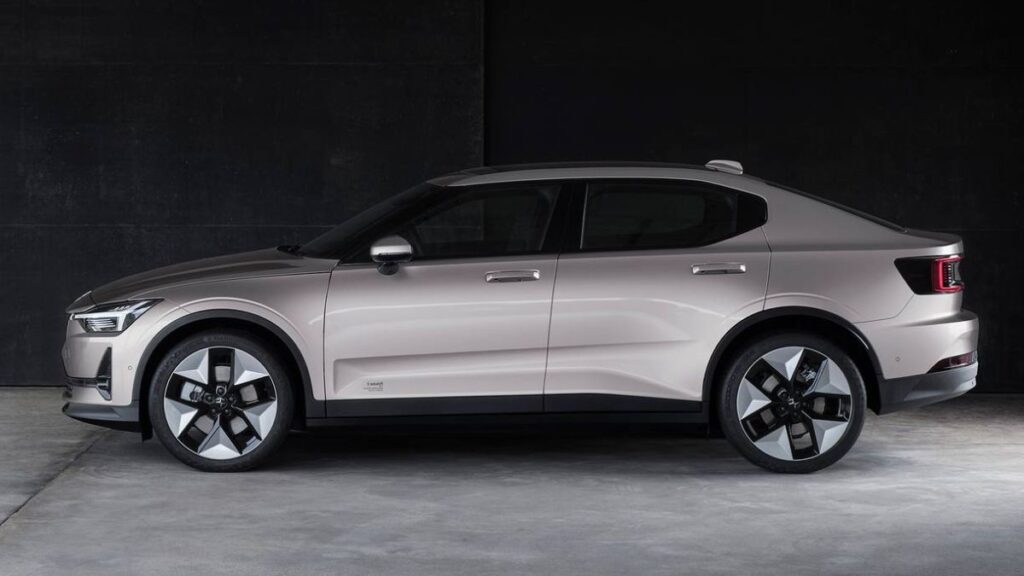
Exterior Design: Scandinavian Understatement
The 2024 Polestar 2 is not a car that shouts. It whispers. The design is restrained, elegant, and unmistakably Scandinavian. It’s not as dramatic as the Hyundai Ioniq 6 or as futuristic as the Tesla Model 3, but it has a timeless quality that will age better than both. And honestly, that matters more than you might think.
The SmartZone panel at the front replaces the old grille with a sleek surface housing the radar and cameras. The long hood, sloping roofline, and practical hatchback tail give it a unique presence. It’s not a sedan, and it’s not a crossover. It’s somewhere in between, and that’s part of its appeal. It’s different without being weird.
Driving Experience: The Switch That Changed Everything
I’m going to say something that might surprise you. The single-motor 2024 Polestar 2 is more fun to drive than the dual-motor version. I know that sounds counterintuitive, but hear me out. The rear-wheel-drive layout makes the car feel alive. It’s balanced. It rotates through corners in a way that the front-drive version never did. It’s not a sports car, but it’s genuinely enjoyable.
The dual-motor version is rear-biased, which means it still feels more like a rear-drive car than a traditional all-wheel-drive EV. But the added weight and power don’t make it more engaging. They make it faster. And fast is fun, but it’s not the same thing.
On a twisty road, the single-motor Polestar 2 is the better car. It’s lighter, more responsive, and more willing to play. The steering is accurate, and the chassis is well sorted. The ride is firm, and you will feel bumps, but the trade-off is composure through corners.
In the city, the Polestar 2 is easy to maneuver. The turning radius is reasonable, and the visibility is good. On the highway, it settles down and cruises comfortably. It’s a versatile car that does most things well. And that caught me off guard in traffic, where I expected it to feel heavy and cumbersome. It didn’t.
Performance and Acceleration: Power When You Want It
The 2024 Polestar 2 is not the quickest EV in its class, but it is quick enough. The single-motor version produces 299 horsepower and 361 pound-feet of torque. It hits 62 mph in about 6.2 seconds. That is more than adequate for daily driving. You will not feel underpowered. Merging onto highways is effortless, and overtaking is a breeze.
The dual-motor version produces 421 horsepower and 546 pound-feet of torque. It is significantly quicker, though Polestar does not publish official 0-60 times. With the Performance Pack, output rises to 455 horsepower. This version is genuinely fast, but you pay a price in range and efficiency.
The Performance Pack also adds Öhlins adjustable dampers, Brembo brakes, and 20-inch forged alloy wheels. It is a serious hardware upgrade, but it is expensive and not for everyone. For most buyers, the single-motor version is the smarter choice.
Ride Comfort and Cabin Refinement: Firm but Composed
The ride in the 2024 Polestar 2 is firm. There is no way around it. On smooth roads, the car is composed and refined. On rough roads, you will feel every bump. The suspension is tuned for handling, not comfort. That is a conscious decision, and it is the right one for this car. But it does mean that if you live in an area with terrible roads, you will notice it.
The cabin is well-insulated, with minimal wind and road noise intrusion. Some tire noise is noticeable at highway speeds, but it is not excessive. The seats are comfortable and supportive, with heating standard and ventilation available on higher trims. And yes, the heated seats work quickly, which matters more than you’d think on cold mornings.
Interior: Minimalism Done Right
The interior of the 2024 Polestar 2 is a masterclass in Scandinavian design. It is clean, modern, and understated. The materials are high-quality, with a variety of textures working together to create a cohesive design.
The base fabric and three-dimensional plastic trim look and feel good. The Plus Pack adds Weavetech textile and wood, which elevates the interior further. The Nappa leather option is genuinely premium. It’s not the most luxurious interior in the class, but it is one of the most thoughtfully designed.
But the rear seat is tight. The non-adjustable seatback is a pain, and the raised tunnel between the seats eats into passenger space. This is the compromise for using a platform that was not designed exclusively for EVs. If you regularly carry rear passengers, you will notice it. If you don’t, it won’t matter.
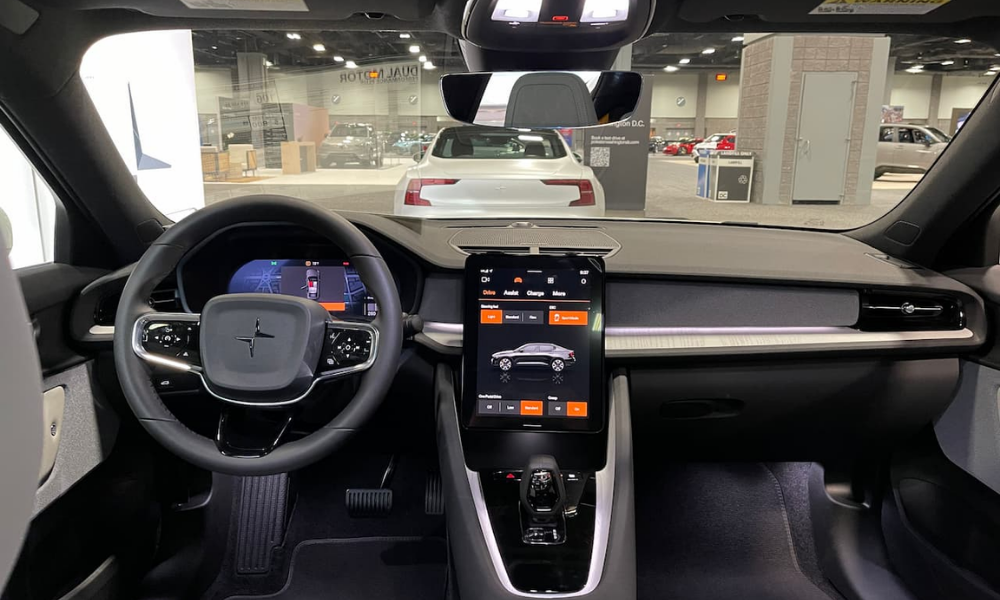
Technology and Infotainment: Google Power
The 2024 Polestar 2 runs Google’s Android Automotive operating system on an 11.2-inch touchscreen. This is not Android Auto. This is a full operating system that powers navigation, voice controls, and the infotainment system.
Google Maps is built in, and it works flawlessly. The voice control is responsive, and the integration with Google Assistant is seamless. Apple CarPlay is available for those who prefer it.
The system is generally intuitive, but it is not perfect. The touchscreen can be fiddly at times, and some functions require more steps than they should. But overall, it is one of the better infotainment systems in the EV segment. And honestly, it’s refreshing to have a system that just works without requiring a PhD to operate.
Range and Charging: Improved but Not Class-Leading
The 2024 Polestar 2 now offers 320 miles of EPA range for the single-motor version. MotorTrend tested it and got 329 miles at a constant 70 mph, which is impressive. The dual-motor version drops to 276 miles, and the Performance Pack reduces that to 247.
Charging is capable at up to 205 kW. MotorTrend found that the Polestar 2 can recover 159 miles in just 15 minutes and 253 miles in 30 minutes. That is decent, but it is not class-leading. The Hyundai Ioniq 6 can charge faster thanks to its 800-volt architecture. If you do a lot of road trips, that matters. If you charge at home most of the time, it doesn’t.
Practicality and Cargo Space: The Hatchback Advantage
The 2024 Polestar 2 is a hatchback, which is a real advantage. It offers 14.4 cubic feet of cargo space behind the rear seats and 38.7 cubic feet with the seats folded. That is more than you will get in a Tesla Model 3. The frunk adds another 1.2 cubic feet, perfect for storing the charging cable.
The hatchback design makes loading bulky items easier. If you need to carry a stroller or a set of golf clubs, the Polestar 2 will handle it. It’s not a crossover, but it’s more practical than most sedans.
Safety and Driver Assistance
The 2024 Polestar 2 has a five-star NHTSA safety rating. Standard safety features include automatic emergency braking with pedestrian detection, blind-spot monitoring, rear cross-traffic alert with automatic braking, lane keeping assist, and a 360-degree camera system. It also has eight airbags.
There have been three recalls for the 2024 model year, so check that any outstanding work has been done. It’s not a major concern, but it’s worth noting.
Competitors Worth Considering
The Tesla Model 3 is the segment benchmark. It has better software, a larger charging network, and superior performance. The Polestar 2 has a more traditional interior and better design.
The Hyundai Ioniq 6 offers more range and faster charging. It is also more spacious. The Polestar 2 is more engaging to drive.
The BMW i4 is sharper and more powerful. It is also more expensive. The Polestar 2 is the better value. And honestly, in real traffic, I’d take the Polestar over the BMW. It’s less frantic, more forgiving, and easier to live with.
The Ford Mustang Mach-E has more cargo space and a higher ride height. The Polestar 2 is more fun to drive.
Biggest Strength and Biggest Weakness
Biggest Strength: The driving dynamics. The switch to rear-wheel drive transforms the Polestar 2 into a genuinely engaging car. It is balanced, responsive, and fun. That is a rare combination in an EV. And yes, it surprised me.
Biggest Weakness: The rear seat. It is tight, cramped, and uncomfortable. If you regularly carry rear passengers, this is a problem. There is no way around it. It’s the single biggest compromise you make with this car.
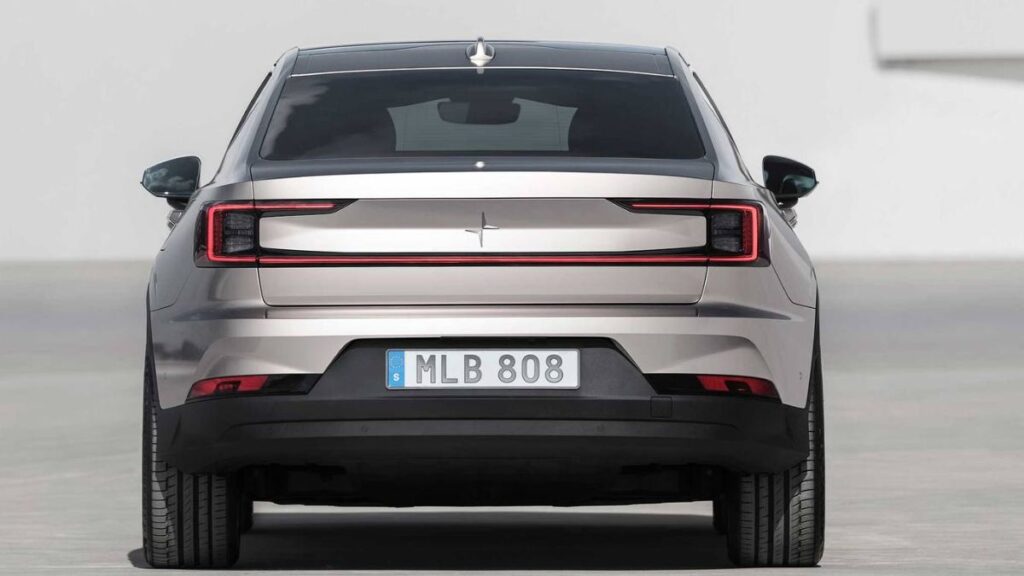
Which Trim Does Cardrav Recommend?
Get the Long Range Single Motor. It is the best balance of range, performance, and price. The rear-wheel-drive layout makes it the most engaging version to drive. The range is more than enough for daily use and road trips. The price is reasonable.
The Long Range Dual Motor is for buyers who need all-weather capability and more power. The Performance Pack is for enthusiasts who prioritize handling and are willing to sacrifice range. For most people, the single motor is the smarter choice.
Final Verdict: Should You Buy the 2024 Polestar 2?
The 2024 Polestar 2 is a compelling EV that finally lives up to its potential. The switch to rear-wheel drive has made it more engaging to drive, and the increased range and power make it a more practical proposition. It is not perfect. The rear seat is tight, the ride is firm, and it lacks the rapid charging of some rivals.
But for buyers who value design, driving enjoyment, and everyday usability, the 2024 Polestar 2 is one of the best options in its class. It is a car that actually feels like a car. And in a segment full of tech experiments, that matters more than you might think.
Here’s the thing I keep coming back to: I didn’t expect to like this car as much as I did. I expected it to be fine. I expected it to be a solid but unremarkable EV. Instead, it surprised me. Not with numbers, not with specs, but with how it made me feel behind the wheel. And honestly? That’s the only thing that really matters in the end.
FAQ
Is the 2024 Polestar 2 good for daily commuting?
Yes. The single-motor version offers up to 320 miles of range, which is more than enough for most commutes. The hatchback body style provides practical cargo space, and the Google-based infotainment system makes navigation and media control seamless. The ride is firm but composed, and the cabin is quiet and comfortable.
How does the 2024 Polestar 2 compare to the Tesla Model 3 in terms of driving feel?
The Polestar 2 offers a more traditional driving experience. It has a digital instrument cluster and physical controls for some functions. The rear-wheel-drive single-motor version is more engaging to drive than the front-wheel-drive Model 3. The Tesla is sharper, but the Polestar is more rewarding.
What is the real-world range of the 2024 Polestar 2?
MotorTrend tested the single-motor version and recorded 329 miles at a constant 70 mph, beating its EPA rating of 320 miles. The dual-motor version is EPA-rated at 276 miles, dropping to 247 miles with the Performance Pack.
How much does the 2024 Polestar 2 cost?
The 2024 Polestar 2 starts at $49,900 for the Long Range Single Motor, $52,100 for the Long Range Single Motor Plus, $55,300 for the Long Range Dual Motor, $57,500 for the Long Range Dual Motor Plus, and $63,000 for the Long Range Dual Motor Performance Plus. Prices exclude destination charges and options.
Is the 2024 Polestar 2 reliable?
The 2024 Polestar 2 has a generally positive reliability record, though some owners have reported issues with the infotainment system and battery management. There have been three recalls for the 2024 model year. The car comes with a 4-year/50,000-mile basic warranty and an 8-year/100,000-mile battery warranty.
Does the 2024 Polestar 2 have a plug-in hybrid option?
No, the 2024 Polestar 2 is a fully electric vehicle. There is no plug-in hybrid variant. It is available with single-motor rear-wheel drive or dual-motor all-wheel drive.