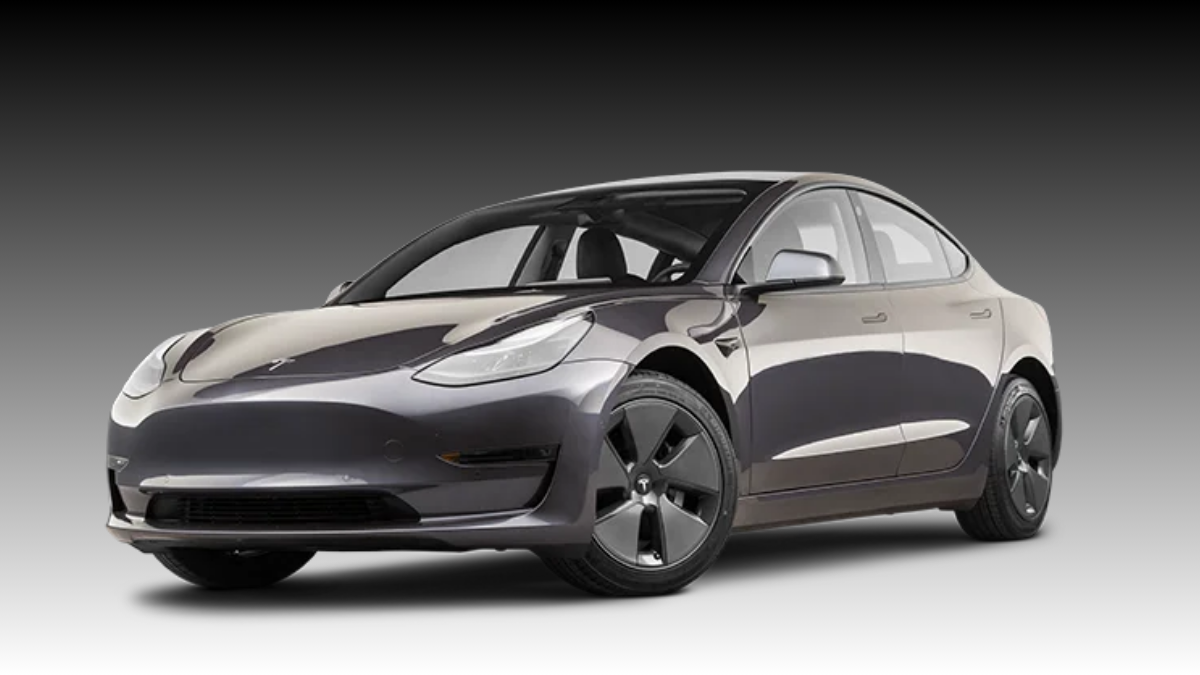
The Tesla Model 3 completely changed the modern electric car market by proving that an EV could be fast, practical, technologically advanced, and desirable without costing supercar money.
Before the Model 3 arrived, many electric vehicles still felt like niche products designed mainly for efficiency and environmental awareness. Tesla approached things differently. The company built a car that focused just as heavily on performance, software, range, charging convenience, and everyday usability as it did on efficiency.
And honestly, that strategy changed the industry forever.
Even years after its original launch, the Model 3 continues standing as one of the most influential electric sedans ever created. It remains one of Tesla’s most affordable vehicles, yet it still delivers impressive acceleration, excellent driving range, advanced technology, and access to Tesla’s massive Supercharger network.
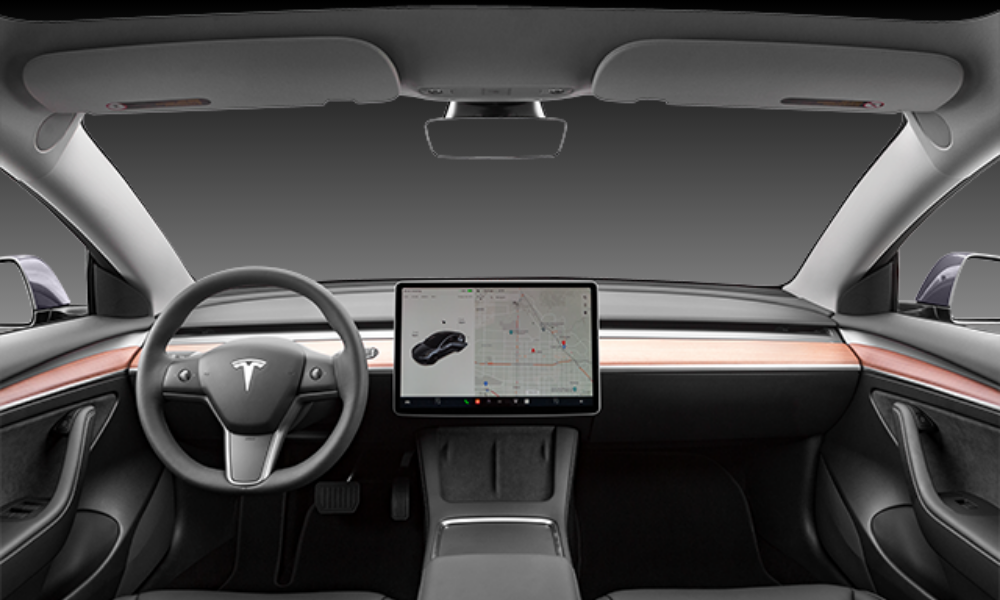
The minimalist interior, huge touchscreen layout, and software-focused experience still feel futuristic compared to many traditional luxury sedans, while the driving experience remains surprisingly sporty and responsive.
More importantly, the Model 3 succeeded in making electric vehicles feel genuinely mainstream for the first time.
Whether buyers prioritize range, technology, operating costs, or straight-line performance, the Tesla Model 3 continues remaining one of the most complete EV packages currently available.
Our Take
The Tesla Model 3 remains one of the smartest electric vehicle choices on the market because it successfully balances technology, performance, efficiency, and everyday practicality better than most competitors.
What makes the Model 3 especially impressive is how normal it feels during daily driving despite how advanced it actually is. The cabin is quiet, acceleration is immediate, operating costs are low, and the Supercharger network still gives Tesla a massive advantage for long-distance travel compared to many rival EV brands.
The driving experience also feels far sportier than many buyers expect.
Thanks to the low battery placement and instant electric torque delivery, the Model 3 feels quick, stable, and responsive even in standard versions. Higher trims become genuinely fast enough to compete with traditional performance sedans from BMW, Audi, and Mercedes-Benz.
Of course, the Tesla ownership experience is not perfect.
Build quality inconsistencies, heavy touchscreen reliance, and occasional software frustrations still remain common complaints among some owners. The extremely minimalist interior design also will not appeal to everyone, especially buyers who still prefer traditional buttons and physical controls.
Still, few electric vehicles currently offer this level of range, charging convenience, technology integration, and real-world usability at this price point.
And honestly, that is exactly why the Model 3 continues dominating conversations in the EV world years after launch.
Pros
- Excellent electric driving range
- Instant acceleration and strong overall performance
- Access to Tesla Supercharger network
- Modern minimalist interior design
- Very low operating and charging costs
- Spacious cabin with impressive rear legroom
- Large touchscreen infotainment system
- Fast and responsive software experience
- Strong real-world practicality for daily use
- Performance models deliver sports-car-level acceleration
Cons
- Wind and road noise can become noticeable at highway speeds
- Build quality can still feel inconsistent
- Heavy reliance on touchscreen controls
- Minimalist interior will not appeal to everyone
- Limited physical buttons and traditional controls
- Ride quality can feel firm on larger wheels
- Service availability varies depending on location
What’s New?
Tesla has continued refining the Model 3 gradually through software updates, battery improvements, and technology enhancements rather than relying on traditional yearly redesigns.
One of the biggest advantages of owning a Tesla is that many features can improve over time through over-the-air software updates. These updates often include interface refinements, charging optimizations, new convenience functions, performance improvements, and additional driver-assistance capabilities without requiring a dealership visit.
Tesla also continued improving battery efficiency and charging performance across different Model 3 variants, helping the car remain highly competitive against newer EV rivals entering the market.
The company’s Autopilot and driver-assistance systems have also evolved continuously, with expanded functionality and smoother operation compared to earlier versions.
Most importantly, however, the core formula of the Model 3 remains unchanged and honestly, that is not a bad thing.
The combination of strong range, quick acceleration, modern software integration, minimalist design, and access to Tesla’s Supercharger network still makes the Model 3 one of the most complete electric sedans available today.
Performance & Range
The Tesla Model 3 delivers performance that still feels seriously impressive even compared to many traditional luxury and sports sedans.
Even the standard rear-wheel-drive versions accelerate quickly thanks to the instant torque delivery that electric vehicles naturally provide. Throttle response feels immediate, smooth, and effortless during both city driving and highway acceleration.
Higher trims become genuinely fast.
Long Range and Performance models add dual-motor all-wheel-drive systems that dramatically improve acceleration and traction. The Performance version, in particular, feels shockingly quick, launching from 0 to 60 mph in sports-car territory while remaining completely silent aside from the subtle electric motor sound.
What makes the Model 3 especially impressive is how usable that performance feels daily.
Unlike some high-performance gasoline cars that constantly demand aggressive driving to feel exciting, the Tesla always feels responsive regardless of speed thanks to its instant torque delivery.
Range also continues being one of the Model 3’s biggest strengths.
Depending on configuration, many versions comfortably exceed 300 miles of estimated driving range, making the car highly practical for both commuting and longer-distance travel. More importantly, Tesla’s extensive Supercharger network continues reducing range anxiety far better than many competing EV charging systems currently available.
Charging speeds are also strong, especially at Tesla Supercharger stations where the Model 3 can recover a significant amount of range relatively quickly during road trips.
Driving Experience
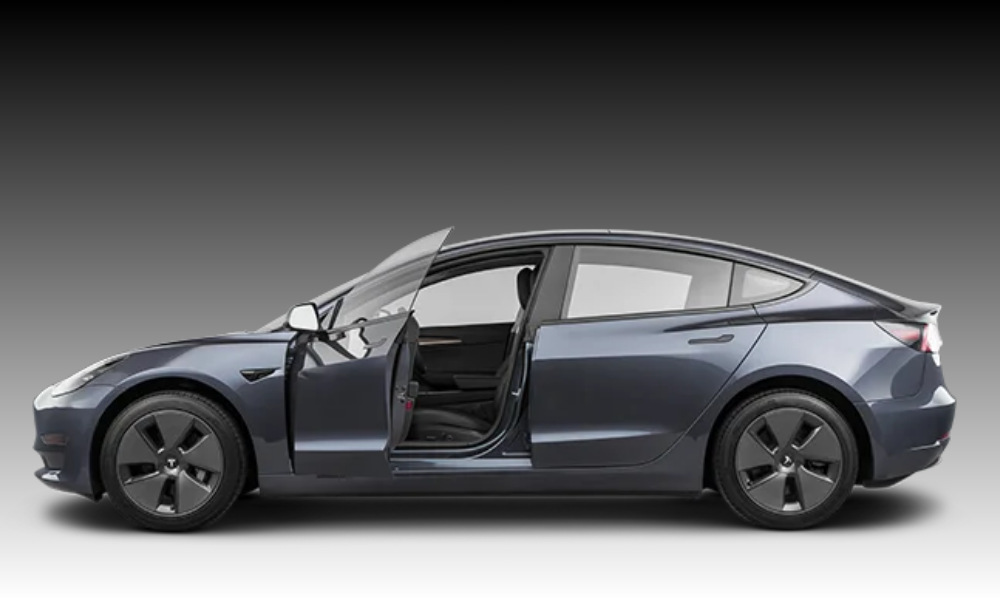
The Tesla Model 3 delivers a driving experience that feels very different from most traditional gasoline-powered sedans.
The first thing drivers immediately notice is the instant electric torque. Acceleration feels smooth, immediate, and effortless, especially during city driving where the Model 3 responds instantly to throttle inputs without waiting for gear changes or engine revs.
The low-mounted battery pack also gives the car an impressively low center of gravity, helping the Model 3 feel stable and surprisingly agile through corners. Steering response is quick, body roll remains well controlled, and the car feels more athletic than many buyers initially expect from an electric sedan.
Performance models take things even further.
The dual-motor all-wheel-drive setup delivers incredible traction during hard acceleration, while the Performance variant feels genuinely fast enough to challenge traditional sports sedans from brands like BMW and Audi.
At the same time, the Model 3 remains very easy to drive daily.
The cabin stays quiet during lower-speed driving, visibility is generally good, and the smooth electric power delivery makes traffic and commuting feel far less stressful compared to many conventional performance cars.
Tesla’s regenerative braking system also becomes a major part of the driving experience. Once drivers adapt to one-pedal driving, the car feels extremely smooth and efficient during everyday use, especially in stop-and-go traffic situations.
Of course, the ride quality is not perfect.
Models equipped with larger wheels can feel noticeably firmer over rough pavement, and some drivers may notice additional road and wind noise at highway speeds compared to certain luxury rivals.
Still, the overall balance between performance, responsiveness, comfort, and efficiency remains one of the biggest reasons the Model 3 continues standing out in the EV market.
Interior & Comfort
The Tesla Model 3 features one of the most minimalist interiors currently available in the automotive industry.
Tesla removed almost everything traditionally found inside modern cars. Physical buttons, large gauge clusters, and complex center consoles have largely disappeared, leaving the cabin dominated by a single large touchscreen mounted in the center of the dashboard.
And honestly, whether buyers love or hate this design philosophy will depend heavily on personal preference.
Some drivers appreciate the clean, futuristic appearance and uncluttered layout, while others may miss traditional controls and physical buttons for common functions.
Material quality is generally solid, especially in newer production models, although some rivals still offer more luxurious cabin finishes and tighter overall build consistency.
Comfort levels, however, remain impressive.
The front seats are supportive and comfortable for longer drives, while rear-seat legroom is surprisingly generous thanks to the flat floor design created by the electric platform. The panoramic glass roof also helps the cabin feel especially open and airy.
Tesla designed the Model 3’s interior around space efficiency as much as visual simplicity.
Storage areas throughout the cabin are practical and well placed, while the flat floor improves passenger comfort in both front and rear seating positions.
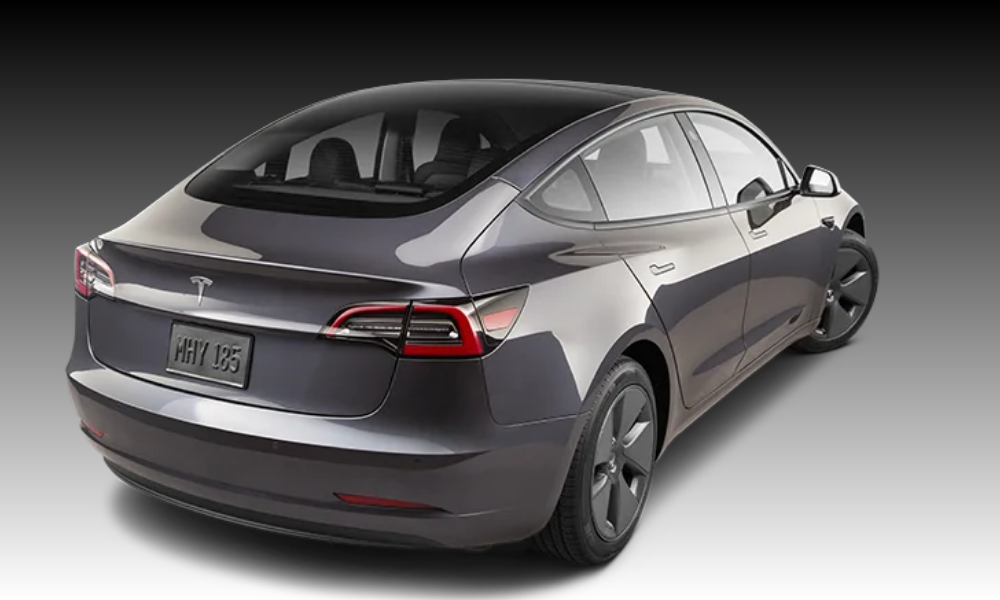
Road visibility is generally good, although the rear window design can feel somewhat narrow compared to traditional sedans.
Technology & Infotainment
Technology remains one of the Tesla Model 3’s biggest selling points, and even years after its launch, the car still feels more software-focused than many newer rivals entering the EV market.
At the center of the cabin sits Tesla’s large 15-inch touchscreen display, which controls nearly every major vehicle function. Climate settings, navigation, audio controls, driving modes, charging information, cameras, and vehicle settings are all managed through the central screen rather than traditional physical buttons.
The interface feels fast, modern, and highly responsive.
Tesla’s software experience continues standing out because of its smartphone-like simplicity and smooth operation. Menus are clean, graphics are sharp, and the system rarely feels slow or outdated compared to many traditional infotainment systems from legacy automakers.
Navigation is especially impressive thanks to Tesla’s real-time Supercharger integration.
The car can automatically calculate charging stops during longer trips, estimate charging times, and monitor battery levels throughout the journey, which dramatically simplifies EV road-trip planning compared to many competing electric vehicles.
Over-the-air software updates also remain one of Tesla’s biggest advantages.
Rather than relying on dealership visits for many improvements, Tesla regularly delivers updates that can add features, improve performance, refine the interface, and expand functionality remotely. In many ways, the Model 3 continues evolving long after purchase.
Audio quality is also strong depending on trim level, especially in Long Range and Performance models equipped with Tesla’s premium sound system.
Of course, the heavy reliance on touchscreen controls will not appeal to every driver.
Simple actions like adjusting mirrors, opening certain menus, or controlling climate functions often require interacting with the display rather than using physical switches, which some drivers may find distracting during daily use.
Still, few vehicles currently blend software, connectivity, charging integration, and overall technology experience as successfully as the Tesla Model 3.
Cargo Space & Practicality
Despite its sleek sedan-like shape, the Tesla Model 3 is surprisingly practical for everyday use.
The electric platform allows Tesla to maximize interior space efficiently, creating a cabin that feels more spacious than many traditional compact luxury sedans. Rear-seat legroom is especially impressive, while the flat floor layout improves comfort for passengers sitting in the middle rear seat.
Cargo capacity is also stronger than many buyers initially expect.
In addition to the traditional rear trunk, the Model 3 also includes a front storage compartment — commonly known as a “frunk” — located beneath the hood where a gasoline engine would normally sit. This extra storage space becomes especially useful for smaller bags, charging equipment, or everyday items.
The rear seats fold down nearly flat as well, helping the car handle larger cargo more easily when needed.
Storage throughout the cabin is practical and thoughtfully designed, with multiple compartments, large center-console storage areas, cupholders, and wireless charging areas depending on trim level.
Daily usability remains one of the Model 3’s strongest qualities overall.
The car feels compact enough for city driving while still offering enough passenger and cargo space for road trips, commuting, and normal family use.
And honestly, that balance between efficiency, technology, performance, and practicality remains one of the biggest reasons the Model 3 became such an important vehicle in the EV market.
Charging & Ownership Costs
One of the Tesla Model 3’s biggest advantages is how affordable it can be to operate compared to traditional gasoline-powered luxury sedans.
Charging costs are typically far lower than fuel expenses for comparable gasoline vehicles, especially for owners who primarily charge at home. Depending on electricity pricing and charging habits, many drivers can save a significant amount on long-term operating costs compared to similarly sized premium sedans from BMW, Audi, or Mercedes-Benz.
Tesla’s Supercharger network also remains one of the strongest advantages of owning a Model 3.
The charging infrastructure is large, reliable, and deeply integrated into the car’s navigation system, making long-distance travel far easier and less stressful than with many competing EVs. The vehicle can automatically guide drivers to charging stations, estimate charging times, and monitor battery usage throughout a trip in real time.
Maintenance costs are also generally lower than traditional internal combustion vehicles.
Since the Model 3 does not require oil changes, transmission servicing, or many common gasoline-engine maintenance procedures, long-term servicing tends to be simpler overall. Regenerative braking also helps reduce brake wear during daily driving.
Battery warranty coverage remains strong as well.
Tesla provides extended warranty protection for the battery pack and drive unit, helping improve confidence for buyers concerned about long-term EV ownership costs.
Of course, insurance costs can occasionally be higher depending on location and trim level, while repair expenses after accidents may still be more expensive than some traditional sedans due to Tesla-specific parts and repair networks.
when considering charging costs, reduced maintenance requirements, software updates, and overall efficiency, the Model 3 continues offering one of the strongest ownership experiences currently available in the EV segment.
Safety & Driver Assistance
The Tesla Model 3 has built a strong reputation for safety thanks to its advanced driver-assistance technology, rigid structure, and low center of gravity created by the battery placement beneath the floor.
The car received excellent crash-test ratings in multiple markets and continues standing among the safer electric sedans currently available.
Tesla’s Autopilot system remains one of the most talked-about driver-assistance technologies in the automotive industry. Depending on configuration, the Model 3 can assist with steering, lane positioning, adaptive cruise control, braking, traffic monitoring, and highway driving support.
The system can also provide features such as blind-spot monitoring, collision warning, lane-keeping assistance, automatic emergency braking, parking assistance, and traffic-aware cruise control.
Higher software packages further expand functionality with additional semi-autonomous driving capabilities, although drivers must still remain fully attentive behind the wheel.
Beyond technology, the Model 3’s structure itself contributes heavily to its safety performance.
The absence of a large gasoline engine at the front allows for larger crumple zones, while the low-mounted battery pack improves overall stability and reduces rollover risk during emergency maneuvers.
Visibility is generally good from the driver’s seat, although the minimalist interior and heavy reliance on cameras and displays can require some adjustment for drivers transitioning from more traditional vehicles.
the Tesla Model 3 successfully combines modern safety engineering with advanced software-driven driver assistance, helping the car feel both technologically advanced and confidence inspiring during daily driving.
Which Trim Does Cardrav Recommend?
For most buyers, the Tesla Model 3 Long Range continues offering the best overall balance of performance, driving range, comfort, and everyday usability within the lineup.
The standard rear-wheel-drive version already delivers impressive efficiency and strong daily-driving practicality, but the Long Range model feels like the true sweet spot for most drivers. The additional driving range, dual-motor all-wheel-drive system, stronger acceleration, and improved year-round usability make the car feel noticeably more complete overall.
It also retains much of the exciting performance Tesla is known for without reaching the higher pricing and firmer ride quality of the Performance model.
The Performance trim, meanwhile, is genuinely fast enough to rival many traditional sports sedans and performance cars. However, for daily driving, the Long Range variant usually feels like the smarter and more comfortable real-world choice for most owners.
Buyers prioritizing maximum efficiency and lower ownership costs may still find the standard rear-wheel-drive Model 3 extremely appealing, especially for commuting and urban driving.
the Long Range version best captures what makes the Model 3 such an important EV: strong range, rapid acceleration, modern technology, low operating costs, and genuine everyday practicality.
Final Verdict
The Tesla Model 3 remains one of the most important and influential electric vehicles ever created.
More importantly, it still continues feeling highly competitive even as the EV market becomes increasingly crowded with new alternatives from traditional automakers.
The combination of strong driving range, instant acceleration, advanced software integration, charging convenience, and everyday practicality makes the Model 3 one of the most complete electric sedans currently available.
Tesla’s Supercharger network also continues giving the company a major real-world advantage, especially for buyers who regularly travel longer distances and want a simpler charging experience.
Of course, the car is not perfect.
Build quality inconsistencies, touchscreen-heavy controls, and occasional ride-quality compromises still remain areas where some rivals perform better. The minimalist cabin design also will not appeal to every buyer.
very few electric vehicles currently match the overall balance the Model 3 delivers.
It feels fast, modern, efficient, practical, and technologically advanced in a way that helped redefine what mainstream electric vehicles could become.
that is exactly why the Tesla Model 3 continues standing as one of the benchmark EVs of the modern automotive industry.
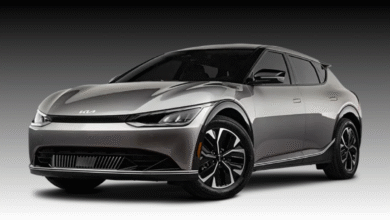
Buyers considering the Tesla Model 3 may also want to compare it against several other strong compact and midsize sedan options currently available on the market. Traditional luxury sedans like the BMW 3 Series and Audi A4 still offer more conventional driving experiences and premium cabin materials, while newer electric rivals such as the Hyundai Ioniq 6, Kia EV6, and Polestar 2 continue pushing the EV segment forward with impressive technology, range, and charging capability. Buyers focused more heavily on sporty driving dynamics may also want to explore vehicles like the BMW i4 or even performance-oriented versions of the Hyundai Ioniq 5 before making a final decision.
Frequently Asked Questions
How much power does the 2023 Tesla Model 3 produce?
The 2023 Tesla Model 3 Base Trim uses a 211-kW electric motor paired with a 60.5-kWh battery pack. The setup produces approximately 283 horsepower and delivers the instant torque response electric vehicles are known for, helping the Model 3 feel quick and responsive during everyday driving.
What is the driving range of the 2023 Tesla Model 3?
The 2023 Tesla Model 3 Base Trim offers an estimated driving range of up to 438 km per charge under ideal conditions. Actual range may vary depending on driving style, temperature, wheel configuration, and charging habits.
How long does it take to charge the 2023 Tesla Model 3?
Charging times depend heavily on the charging method being used. Using a standard 120-volt household outlet, the 2023 Tesla Model 3 may require approximately 8.5 hours or longer to fully recharge. Faster charging options and Tesla Superchargers can reduce charging times significantly.
How spacious is the 2023 Tesla Model 3?
The Tesla Model 3 offers seating for up to five passengers and provides impressive interior space for a compact electric sedan. The cabin benefits from the flat-floor EV platform, while the trunk offers approximately 561 liters of cargo capacity in addition to the extra front storage compartment known as the “frunk.”
What safety features does the 2023 Tesla Model 3 include?
The 2023 Tesla Model 3 comes equipped with a wide range of safety and driver-assistance features, including automatic emergency braking, lane departure warning, anti-collision systems, tire-pressure monitoring, multiple airbags, LED headlights, parking assistance systems, and Tesla’s advanced camera-based safety technology.
What technology features are included in the 2023 Tesla Model 3?
The Model 3 features Tesla’s large 15-inch touchscreen infotainment system, which controls navigation, audio, climate functions, charging information, and vehicle settings. The car also includes Bluetooth connectivity, USB support, voice controls, smartphone integration features, and an available premium audio experience depending on trim level.
Does the 2023 Tesla Model 3 have memory seats?
Yes. The 2023 Tesla Model 3 includes memory seat functionality, allowing drivers to save preferred seating, mirror, and steering-wheel positions for easier daily use. Front seats are also power-adjustable, heated, and trimmed with synthetic leather materials.