The 2022 Toyota C-HR occupies an unusual position in the crowded subcompact SUV segment. It combines the elevated driving position and practicality buyers expect from a crossover with styling that looks more like a sporty coupe than a traditional family SUV. In a market filled with conservative designs, the C-HR stands out immediately thanks to its sharp body lines, hidden rear door handles, and bold exterior proportions that still look modern years after the vehicle’s introduction.
Unlike many of its rivals, Toyota focused heavily on efficiency, safety, and everyday usability rather than outright performance. The C-HR was designed for drivers who spend most of their time navigating busy city streets, commuting through traffic, and looking for low ownership costs. Toyota’s strong reputation for reliability, excellent fuel economy, and comprehensive Safety Sense suite helped make the C-HR a popular choice among buyers who valued dependability over horsepower figures.
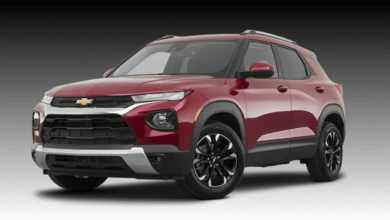
However, the subcompact SUV segment has become increasingly competitive. Rivals such as the Hyundai Kona, Mazda CX-30, Volkswagen Taos, Nissan Qashqai, and Chevrolet Trailblazer offer stronger engines, larger cargo areas, or available all-wheel drive. That creates an important question for buyers: does the Toyota C-HR’s distinctive styling, hybrid efficiency, and proven reliability outweigh its compromises in practicality and performance? In this review, we’ll take a closer look at where the 2022 Toyota C-HR shines and where it falls behind its strongest competitors.
Our Take
The 2022 Toyota C-HR remains one of the most distinctive small crossovers on the road. While many competitors blend into traffic, the C-HR manages to attract attention with its bold styling and sporty stance. More importantly, it delivers the qualities that Toyota buyers often value most: strong reliability, excellent fuel efficiency, impressive safety technology, and low long-term ownership costs.
What we appreciate most about the C-HR is how well it performs as an urban vehicle. Its compact dimensions make parking easy, visibility toward the front is excellent, and the suspension provides a comfortable balance between ride quality and handling. The cabin also feels solidly assembled, reinforcing Toyota’s reputation for durability and quality engineering.
The biggest challenge for the C-HR is that several competitors simply offer more vehicle for the money. Cargo space is limited, rear visibility is compromised by the dramatic styling, and acceleration can feel underwhelming compared to newer rivals. Even so, buyers who prioritize efficiency, dependability, and standout design may find the C-HR a more appealing choice than many of the segment’s more conventional alternatives.
Pros & Cons
Pros
- Distinctive and eye-catching exterior styling
- Excellent fuel economy
- Strong reputation for reliability
- Comprehensive standard safety technology
- Comfortable ride quality
- Easy to maneuver in urban environments
- Well-built cabin with solid materials
Cons
- Sluggish acceleration compared to many rivals
- Limited cargo capacity
- No available all-wheel drive
- Rear visibility is restricted by thick roof pillars
- Rear-seat space is tighter than some competitors
- Cabin can become noisy at highway speeds
What’s New for 2022
Toyota made only minor changes to the C-HR lineup for 2022, as the current generation was already approaching the end of its lifecycle. The most notable update was the discontinuation of the entry-level LE trim, leaving buyers with better-equipped versions that include more standard technology and convenience features.
The core formula remains unchanged. Toyota continues to offer the C-HR with a fuel-efficient powertrain, front-wheel drive, and a generous list of standard safety features through the Toyota Safety Sense package. The focus remains on efficiency, reliability, and ease of ownership rather than major performance improvements.
While competitors were introducing more powerful engines, larger infotainment displays, and additional drivetrain options, Toyota chose to refine the existing package rather than completely redesign it. As a result, the 2022 model feels familiar but still competitive in key areas such as safety, efficiency, and long-term dependability.
Exterior Design
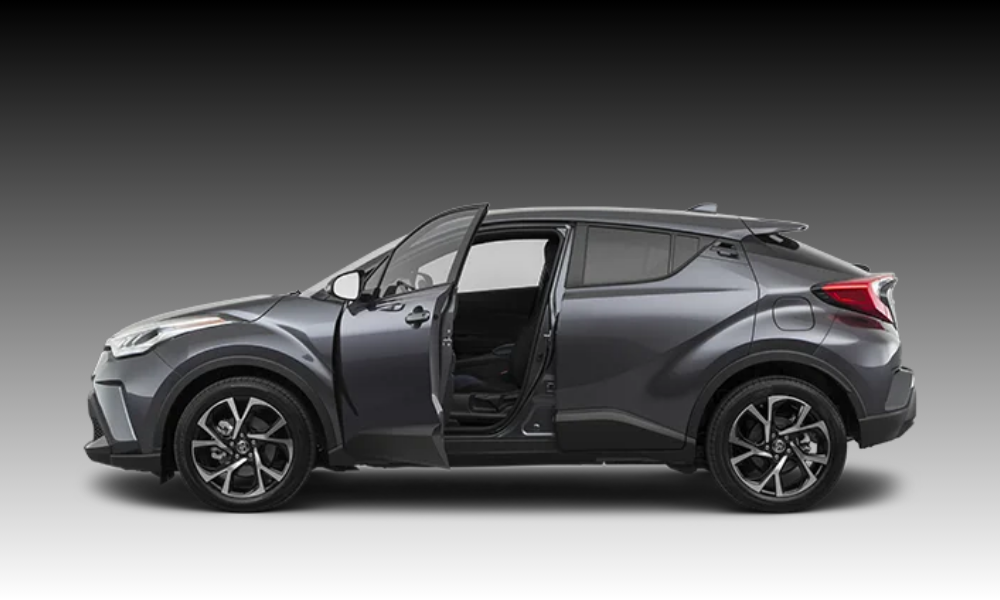
Few compact crossovers are as instantly recognizable as the Toyota C-HR. Its dramatic styling remains one of its strongest selling points, helping it stand apart in a segment often filled with conservative and predictable designs.
The front fascia features sharp LED lighting elements, an aggressive grille design, and sculpted bodywork that gives the C-HR a sporty appearance. The coupe-inspired roofline flows smoothly toward the rear, creating a silhouette that looks more dynamic than many traditional small SUVs.
Large wheel arches, hidden rear door handles, and strong character lines add to the vehicle’s distinctive personality. Higher trims further enhance the look with larger alloy wheels, contrasting roof colors, and additional exterior accents.
Although the design does sacrifice some practicality, particularly rear visibility and cargo space, there is no denying that the C-HR remains one of the most stylish crossovers in its class. Even several years after its introduction, it still attracts attention wherever it goes.
Driving Experience
The Toyota C-HR was designed primarily for urban and suburban driving, and that purpose becomes clear the moment you get behind the wheel. The compact dimensions make it easy to maneuver through traffic, while the elevated seating position provides a commanding view of the road ahead.
Handling is surprisingly confident for a small crossover. The steering feels direct and predictable, and the suspension strikes a good balance between comfort and control. Through corners, the C-HR feels more composed than many buyers might expect from a vehicle in this segment.
The biggest limitation comes from the powertrain. Acceleration is adequate for everyday driving but rarely feels energetic. Highway merging and passing maneuvers often require more planning than in some competing crossovers that offer turbocharged engines with significantly more power.
Even so, the overall driving experience remains pleasant. The C-HR prioritizes comfort, efficiency, and ease of use over outright performance, making it particularly appealing for commuters and city drivers who value a relaxed driving character.
Performance & Acceleration
Performance has never been the primary focus of the Toyota C-HR, and buyers should approach it with realistic expectations. The standard powertrain prioritizes fuel efficiency and smooth operation rather than rapid acceleration, making the C-HR better suited to commuting and city driving than spirited backroad adventures.
Around town, the C-HR feels responsive enough thanks to its compact size and predictable throttle response. Stop-and-go traffic is handled comfortably, and the powertrain delivers power smoothly without feeling overly aggressive. However, when accelerating hard or attempting quick highway overtakes, the engine can feel strained as it works to deliver the required performance.
This is particularly noticeable when compared to rivals such as the Hyundai Kona, Mazda CX-30, or Volkswagen Taos, all of which offer stronger acceleration and more powerful engine options. For buyers who prioritize efficiency over speed, this compromise may not be a major concern, but performance-focused shoppers will likely want more power.
Ride Comfort & Cabin Refinement
One of the Toyota C-HR’s strongest qualities is its comfortable ride. The suspension is tuned to absorb most road imperfections effectively, helping the crossover feel composed and stable during daily driving. Whether navigating city streets or cruising on the highway, the C-HR generally delivers a smooth and predictable ride.
The seats provide good support for longer journeys, and the elevated seating position contributes to an overall sense of comfort behind the wheel. Front-seat occupants in particular benefit from generous headroom and a relaxed driving position that makes the vehicle easy to live with every day.
Refinement is more of a mixed picture. While the cabin feels solidly built and free from rattles, road noise, tire noise, and wind noise become more noticeable at higher speeds than in some competitors. The powertrain can also become vocal during hard acceleration. Even so, for most daily driving situations, the C-HR remains comfortable and pleasant.
Interior & Luxury Feel
Inside, the Toyota C-HR combines a modern design with a driver-focused layout. The dashboard features flowing lines and angular styling elements that mirror the bold exterior design, giving the cabin more personality than many rivals in the segment.
Material quality is generally respectable. Soft-touch surfaces appear in several key areas, and the overall fit and finish reinforce Toyota’s reputation for durability. While premium competitors offer richer materials and more upscale details, the C-HR’s interior feels solid and well assembled.
Front passengers enjoy a comfortable amount of space, but the rear seats reveal some of the compromises created by the vehicle’s dramatic styling. Thick rear pillars and smaller side windows reduce the feeling of openness in the back, making the rear cabin feel darker than some competitors. Rear legroom remains acceptable for adults, though taller passengers may find larger crossovers more accommodating.
Despite these limitations, the interior succeeds in delivering a modern environment that feels distinctive, practical, and durable enough to withstand years of everyday use.
Technology & Infotainment
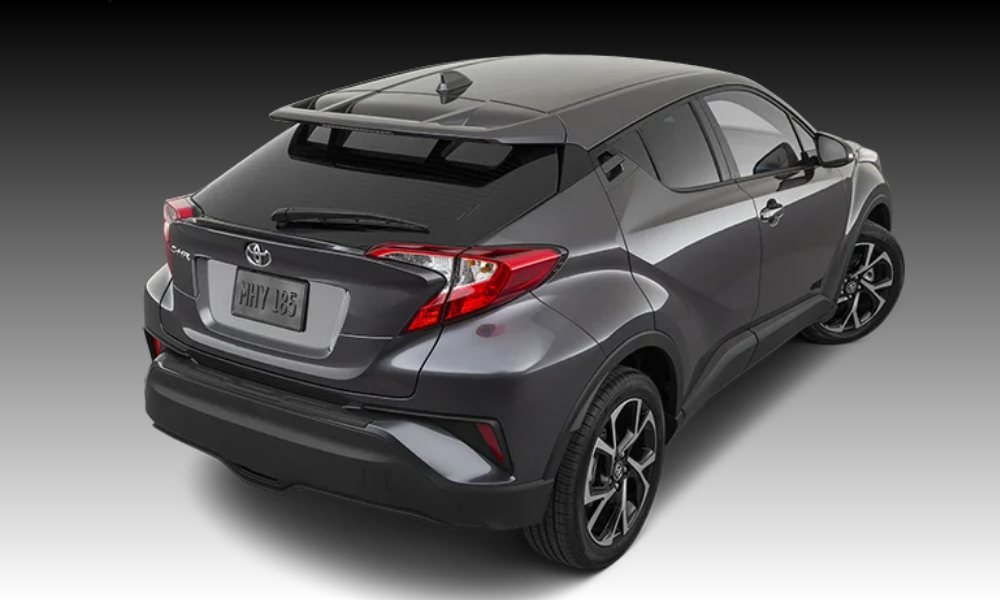
Toyota equipped the 2022 C-HR with an infotainment system that focuses on simplicity and ease of use rather than overwhelming drivers with complicated menus and excessive features. At the center of the dashboard sits an 8-inch touchscreen that is clear, responsive, and relatively easy to operate while driving.
One of the most significant improvements introduced in recent model years was the addition of standard Apple CarPlay and Android Auto compatibility. This allows drivers to access navigation, music, messaging, and other smartphone applications directly through the vehicle’s display, often making the experience more intuitive than relying solely on the native infotainment software.
The C-HR also benefits from Toyota’s extensive suite of connected technologies and driver assistance features. While the system may not be as visually impressive as those found in some premium competitors, it remains user-friendly and reliable, which is often more important during everyday ownership.
Fuel Economy
Fuel efficiency is one of the Toyota C-HR’s strongest selling points. Designed with economy in mind, the C-HR delivers competitive fuel consumption figures that help reduce running costs and make it an appealing choice for commuters and city drivers.
Toyota’s expertise in efficiency is evident throughout the driving experience. The powertrain prioritizes smooth operation and low fuel consumption, making the C-HR particularly well suited to stop-and-go traffic where many drivers spend a significant portion of their time.
Compared to larger SUVs, the C-HR’s lower fuel consumption can translate into meaningful savings over several years of ownership. Combined with Toyota’s reputation for reliability and relatively affordable maintenance costs, the C-HR remains an attractive option for buyers focused on long-term value rather than outright performance.
Practicality & Cargo Space
The Toyota C-HR’s dramatic styling inevitably creates some compromises when it comes to practicality. While the cabin offers sufficient space for most daily tasks, it does not provide the same level of versatility as some of the segment’s most spacious competitors.
Front-seat occupants enjoy generous room and numerous storage areas for personal items, but rear-seat passengers may notice the effects of the coupe-inspired roofline. The thick rear pillars and smaller windows can make the back seats feel less airy than those in rivals such as the Nissan Qashqai or Skoda Karoq.
Cargo capacity is another area where the C-HR trails some competitors. The luggage area is adequate for grocery shopping, weekend travel, and everyday errands, but buyers who frequently transport larger items may find alternatives such as the Hyundai Tucson, Nissan Qashqai, or Volkswagen Taos more accommodating.
Despite these limitations, the C-HR remains practical enough for most urban lifestyles. Its compact size, easy maneuverability, and efficient use of interior space make it a convenient companion for daily driving and city living.
Safety & Driver Assistance
Safety has always been one of Toyota’s strongest selling points, and the 2022 C-HR continues that tradition with an impressive collection of standard driver assistance technologies. Unlike some competitors that reserve advanced safety systems for higher trims, Toyota includes many of its most important features across the lineup.
The Toyota Safety Sense suite includes forward collision warning, automatic emergency braking, lane departure alert, lane-keeping assistance, adaptive cruise control, automatic high beams, and road sign recognition. These systems work together to reduce driver fatigue and provide additional confidence during everyday driving.
Blind-spot monitoring and rear cross-traffic alert are available on higher trims and are particularly useful in crowded parking lots and busy urban environments. Combined with Toyota’s strong reputation for safety and reliability, the C-HR offers a reassuring ownership experience for families and commuters alike.
Biggest Strengths and Trade-Offs
The Toyota C-HR’s greatest strength is its ability to combine distinctive styling, excellent efficiency, strong safety credentials, and Toyota’s proven reliability into a package that remains affordable to own. Few compact crossovers attract as much attention as the C-HR, and even fewer can match its reputation for long-term dependability.
Its comfortable ride quality and easy-to-drive nature make it especially appealing for urban drivers. The compact dimensions simplify parking, while the fuel-efficient powertrain helps keep operating costs under control. Buyers who prioritize reliability and low ownership expenses will find plenty to like here.
However, the C-HR’s bold design comes with compromises. Rear visibility is restricted by the thick roof pillars, cargo space is smaller than many rivals, and acceleration remains below average for the segment. Additionally, the lack of available all-wheel drive may discourage buyers living in regions with harsh weather conditions.
Ultimately, the C-HR succeeds because it knows exactly what it wants to be. It prioritizes style, efficiency, safety, and dependability over outright performance or maximum practicality, and many buyers will consider that a worthwhile trade-off.
Competitors Worth Considering
The compact crossover segment is one of the most competitive in the automotive industry, giving buyers plenty of alternatives to consider alongside the Toyota C-HR.
The Hyundai Kona offers stronger engine options, modern technology, and available all-wheel drive, making it one of the C-HR’s most direct competitors. The Mazda CX-30 appeals to drivers seeking a more premium interior and engaging driving dynamics, while the Volkswagen Taos provides a spacious cabin and strong practicality.
Buyers focused on family-friendly usability may also want to consider the Nissan Qashqai or Peugeot 3008, both of which offer larger cargo areas and more accommodating rear-seat space. Meanwhile, the Chevrolet Trailblazer combines SUV practicality with competitive pricing and modern technology features.
Despite facing strong competition, the Toyota C-HR continues to stand out through its distinctive styling, excellent reliability record, strong resale value, and comprehensive standard safety equipment.
Trim Comparison
XLE
The XLE trim serves as the foundation of the 2022 Toyota C-HR lineup and comes equipped with an impressive list of standard features. Buyers receive LED headlights, dual-zone automatic climate control, an 8-inch touchscreen infotainment system, Apple CarPlay and Android Auto compatibility, adaptive cruise control, lane-keeping assistance, and automatic emergency braking. For many buyers, the XLE already provides everything needed for comfortable daily driving.
Nightshade Edition
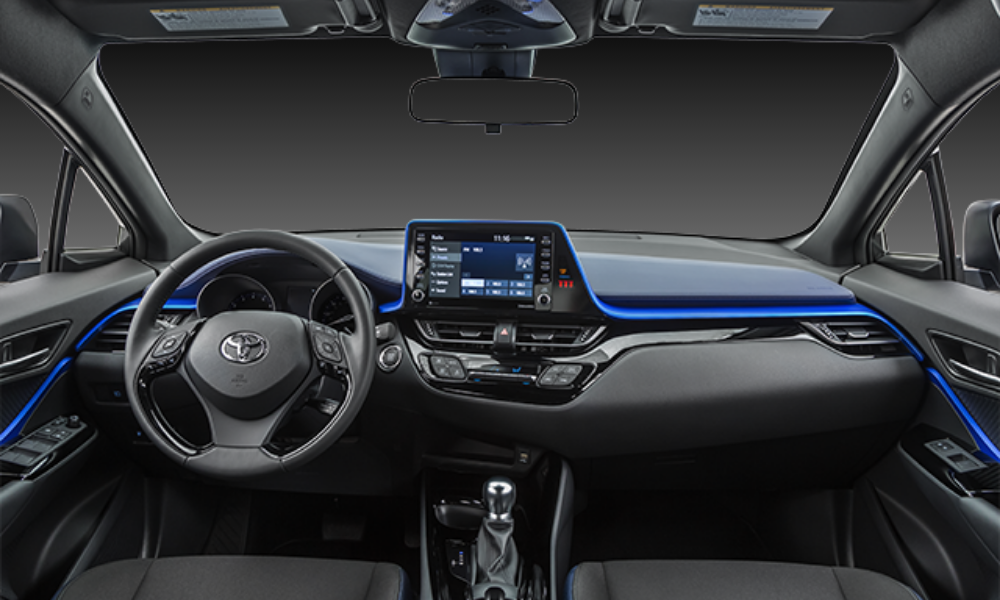
The Nightshade Edition is aimed at buyers who want a more aggressive appearance without changing the underlying mechanical package. It adds black exterior accents, black alloy wheels, unique styling elements, and additional cosmetic upgrades that give the C-HR a sportier presence on the road. Performance remains unchanged, but the visual upgrades make the Nightshade one of the most distinctive versions in the lineup.
Limited
The Limited trim sits at the top of the range and focuses on comfort, convenience, and premium features. It adds leather upholstery, heated front seats, upgraded lighting technology, power-adjustable seating, and additional interior refinements. Buyers seeking the most luxurious C-HR experience will find the Limited trim the most appealing option.
Which Trim Does Cardrav Recommend?
For most buyers, the XLE trim delivers the best balance of value and equipment. Toyota includes an impressive amount of safety technology and infotainment features as standard, meaning buyers do not need to spend significantly more money to enjoy the C-HR’s core strengths.
However, if budget allows, the Limited trim is worth considering. The additional comfort features, premium materials, and upgraded equipment make the vehicle feel more refined and enjoyable during long-term ownership.
The Nightshade Edition remains the ideal choice for buyers who place a higher priority on styling and want the most eye-catching version of the C-HR.
Final Verdict: Should You Buy It?
The 2022 Toyota C-HR remains one of the most distinctive compact crossovers on the market. Its bold styling, excellent reliability reputation, strong fuel efficiency, and comprehensive safety technology help it stand apart from many rivals in a highly competitive segment.
While it falls short in areas such as cargo space, acceleration, and rear visibility, it compensates with low ownership costs, dependable engineering, and a comfortable driving experience. Toyota’s commitment to safety and long-term durability further strengthens the C-HR’s appeal for buyers who plan to keep their vehicle for many years.
Ultimately, the C-HR is best suited to drivers who prioritize efficiency, reliability, and standout design over outright performance or maximum practicality. If those qualities are at the top of your shopping list, the 2022 Toyota C-HR remains a smart and dependable choice.
FAQ
Is the 2022 Toyota C-HR a good small SUV?
Yes, the 2022 Toyota C-HR is a good choice for buyers who prioritize reliability, fuel efficiency, safety, and distinctive styling. It may not be the most powerful or spacious vehicle in the segment, but it delivers a comfortable driving experience, low ownership costs, and Toyota’s well-earned reputation for long-term dependability.
Why is the Toyota C-HR popular among city drivers?
The C-HR’s compact dimensions make it easy to maneuver through traffic and fit into tight parking spaces. Its elevated seating position improves visibility, while the efficient powertrain helps reduce fuel costs during daily commuting. These qualities make it particularly well suited for urban environments where practicality and efficiency matter more than outright performance.
Does the 2022 Toyota C-HR offer all-wheel drive?
No. Unlike several competitors in the compact crossover segment, the 2022 Toyota C-HR is only available with front-wheel drive. While this helps maintain fuel efficiency and lower ownership costs, buyers who frequently drive in snow or other challenging conditions may prefer a rival that offers all-wheel drive.
Is the Toyota C-HR reliable?
Toyota has built one of the strongest reliability reputations in the automotive industry, and the C-HR generally reflects that reputation. The vehicle benefits from proven engineering, relatively low maintenance costs, and strong resale values. For buyers seeking a crossover that can provide years of dependable service, the C-HR is often considered one of the safer choices in the segment.
Which 2022 Toyota C-HR trim offers the best value?
The XLE trim offers the best value for most buyers because it includes a generous amount of standard equipment, advanced safety technology, smartphone connectivity, and comfort features without requiring a significant increase in price. Buyers looking for additional luxury features may prefer the Limited trim, but the XLE remains the sweet spot in the lineup.