Winter Tires for Snow Ice and Cold Weather
A closer look at winter tires designed for snow traction, ice control, and confident cold weather driving.


Disclosure: CarDrav may earn a commission from qualifying purchases made through links in this article. Learn more in our Affiliate Disclosure.
Most drivers shop for winter tires after the first cold morning when the car feels a little less sure of itself at a stop sign. By then the decision has some urgency. Winter tires are built around a simple idea. Rubber that stays flexible in the cold and a tread pattern made to grip snow will usually do more for a vehicle in winter than almost any other single change. Temperature matters as much as snow. A tire designed for summer heat can stiffen well before the first flake falls and that is part of why dedicated winter tires exist at all.
Winter driving is also a different job from ordinary year round driving. Roads may be dry in the morning and slushy by afternoon and glazed with ice after dark. A tire has to cope with packed snow and standing water and cold pavement and sometimes all three on the same commute. Winter tires help with that variety but they do not remove the limits of physics. Longer following distances and gentle inputs and lower speeds still count for a great deal. A good set of tires gives a driver more margin and does not make a slick road safe to rush.
This article looks at five winter tires from specific Amazon.com listings and uses them to explain what really matters in the purchase. Cold weather traction and braking and tread design and the question of studded winter tires versus studless winter tires all play a part. So does something many shoppers underestimate. Each listing below is for one tire size and your vehicle may need something completely different.
Our Take on Choosing Winter Tires
A high average rating is a useful signal and a poor decision maker. Every tire in this comparison carries an observed Amazon rating between 4.3 and 4.7 out of 5 and that range tells you customers were generally satisfied. It does not tell you how a tire stops on glare ice or how it behaves in a foot of unplowed snow. Ratings come from people with different vehicles and different expectations and different winters. A driver in a mild coastal region and a driver in a mountain town may both leave five stars for entirely different reasons. Review counts have the same limits. A listing with hundreds of reviews has been rated by more buyers but that is not proof of current sales or of superior performance. These numbers are customer feedback and they do not replace professional tire testing.
Size and vehicle compatibility come before everything else. A tire listing is tied to a measurement such as 215/50R17 and to a load index and a speed rating. Your vehicle manufacturer specifies what your car or SUV or truck needs and that information is usually found on the driver door jamb placard and in the owner’s manual. A tire that looks perfect in a listing is the wrong purchase if it does not match those requirements. The same goes for ordering a winter tire simply because it carries a respected name. Check the exact size and the load index and the speed rating before anything else.
The type of winter you actually have should guide the choice between studded and studless construction. Studless tires rely on tread design and specialized rubber compounds to bite into snow and to maintain grip on cold pavement. Studdable tires are molded so that metal studs can be installed and the studs can add bite on hard ice for drivers who face it often. A studdable tire is not automatically sold with studs installed and many drivers run them without studs. Studs also bring tradeoffs. They can be noisy on bare pavement and they are restricted or prohibited in some states and municipalities and during certain months. Check your local rules before deciding. For many commuters who see mostly plowed roads and occasional snow a studless tire is a perfectly sensible answer.
The tradeoffs among winter conditions are real. Deep snow rewards open tread blocks and wide grooves that can pack and release snow. Slush calls for channels that move water away from the contact patch. Ice depends heavily on rubber compound and sipes and sometimes studs. Cold wet pavement and dry highway miles ask for stable handling and predictable braking and tolerable noise. No tire excels at every one of these jobs equally and any article that names a universal winner for all of them is overselling. That is why this comparison avoids crowning a champion.
The Three Peak Mountain Snowflake symbol deserves a careful explanation. It appears on the sidewall of tires that meet a recognized severe snow traction standard and that makes it a meaningful signal for snow performance. It is a qualification for a defined snow traction test. It does not promise a particular stopping distance on ice and it does not guarantee grip on every slick surface. Treat it as one useful piece of evidence rather than the final answer.
Dedicated winter tires also differ from the all-season tires many drivers use all year. Tires built to cover several seasons make compromises so they can work in warm and cool and wet conditions. A true winter tire commits more fully to the cold. Its compound is formulated to stay supple at low temperatures and its tread is cut for snow. That focus is the reason these tires exist and it is also the reason they are not meant for hot summer pavement. Drivers of SUVs and light trucks sometimes ask whether all terrain tires can fill the same role. Tire selection depends on the conditions in which the vehicle is actually driven. An all terrain tire may suit mixed surfaces and some winter use but it should not be assumed to match a dedicated winter tire when the roads turn icy and cold.
Cooper Evolution Winter

- Car and SUV Winter Tire
- Excellent performance in variable winter conditions, and outstanding deep snow traction
- Powers through deep snow
- Studdable for improved ice traction
- Severe Weather Rated/Three-Peak Mountain Snowflake Certified
The Cooper Evolution Winter is a dedicated winter tire with a directional tread pattern and a studdable construction. The Amazon listing reviewed here is for size 215/50R17XL 95H and on October 19 2026 it showed an observed rating of 4.7 out of 5 from 769 customer reviews. Those figures belong to this particular listing on that date and they may change. They are worth noting as customer feedback but they should be read alongside the fit and the conditions discussed above.
A directional tread is designed to rotate in one direction and to channel snow and slush out and away from the tire as it rolls. That layout is intended to support traction in snow and winter road conditions and it suits drivers who see packed roads and cold slush on a regular basis. The tire carries the Three Peak Mountain Snowflake symbol and as explained earlier that designation indicates qualification for a recognized severe snow traction standard. It is a good reason to take the tire seriously for snow. It is not a promise of superior braking on every icy surface and a careful driver will still leave extra room to stop.
The studdable construction adds a layer of choice. The tire is built with provisions for studs and that gives drivers in icy regions an option for extra ice bite where studs are legal. Snow traction comes from the tread design and the rubber while any additional ice traction would depend on properly installed studs. Many owners will never add them and a studdable tire does not arrive with studs installed by default. If you are considering studs you should check your state and local rules first and have a qualified shop handle the installation.
The practical appeal here is for drivers who regularly face snow and cold temperatures and want a purpose built option. The main limit is fitment. This listing is for one specific size and it is not suitable for every vehicle. Someone who drives a different car or crossover could find that the size does not match the manufacturer’s specification at all. Confirm the size and the load index and the speed rating against your owner’s manual before you buy. If the numbers line up and your winters are snowy this is a tire that deserves a close look.
General AltiMAX Arctic 12

- Backed by a 45-day Trial and 72-months of limited treadwear coverage
- Exceptional grip and stability in low temperatures
- Reliable braking performance on wet, snowy, and ice-covered roads
- Precise steering response and excellent handling on dry roads
- Robust construction offers long-lasting treadwear
The General AltiMAX Arctic 12 is a dedicated winter tire with a studdable design that is intended for cold weather and snow conditions. The listing here is for size 225/50R18 99T XL. On October 19 2026 the listing showed an observed rating of 4.7 out of 5 across 391 customer reviews. As with the others those numbers describe the listing on that date and not a permanent record.
The clearest way to understand this tire is to compare it with an all season tire. An all season tire is built to be a reasonable choice across a wide temperature range. As temperatures fall and the road surface turns hard and slick that compromise begins to show. A dedicated winter tire is aimed at that exact situation. It uses a tread and a rubber approach intended to keep working in the cold when a more general tire starts to give ground. That is the case for stepping up to a winter focused option like this one and it is a case about intent and design rather than about measured results.
The studdable design gives drivers some added flexibility. A tire made to accept studs can be run bare or studded depending on what the road and the law allow. Studs are not automatically necessary for every winter driver. Someone who commutes on plowed highways may never need them and someone who regularly meets untreated icy back roads may weigh them more seriously. Either way the decision depends on actual road conditions and on the rules where you drive. Where studs are prohibited the question is already settled.
This description stays within what the listing supports. There are no published braking distances or snow depth limits or independent ice scores presented here and none should be assumed. What the listing offers is a winter focused tire in a size that suits a particular set of vehicles. Drivers who want a winter specific option with the option of studs may find it appealing. Those with a different wheel size or load requirement will need to look elsewhere and everyone should verify fitment with the manufacturer’s specification before buying.
Bridgestone Blizzak WS90
- A Leader In Control On Ice
- Confident Stopping Power On Snow And Ice
- Reliable Handling In Winter Conditions
- Bit Particles For Impressive Traction On Ice
- Fit type: Vehicle Specific
- Load capacity: 1356 pounds
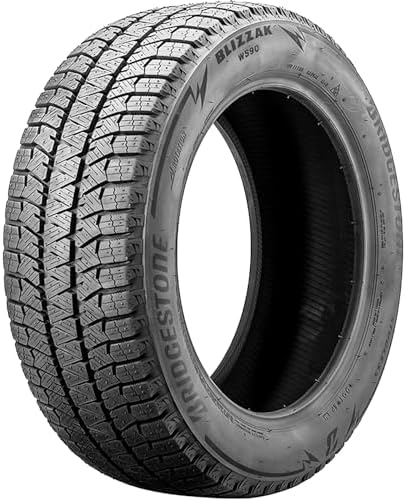
The Bridgestone Blizzak WS90 is a studless winter tire intended for passenger vehicles. The Amazon listing covered here is for size 205/55R16 91H and it showed an observed rating of 4.7 out of 5 from 73 customer reviews on October 19 2026. That review count is lower than several others in this comparison. A smaller count does not show that a tire is lower in quality and it does not show that the tire sells less. It only means fewer customers have rated this specific listing.
A studless tire relies on two main ingredients. One is the winter tread design with its pattern of blocks and grooves that helps the tire grip snow and clear slush. The other is a specialized tread compound that is intended to keep the rubber workable in cold conditions so the tire can keep making contact with the road. Together these features are meant to maintain traction in cold weather and on snow or ice without any metal studs. That makes the tire a straightforward fit for drivers who prefer to avoid studs or who live where studs are restricted.
Evaluating a studless tire starts with an honest look at your routes. A driver whose day includes city streets and highway stretches and occasionally snowy side roads has different needs than someone who climbs icy grades every morning. Studless construction is appealing for mixed use because it can stay quiet and consistent on bare pavement between storms. It also means that on especially glazed surfaces the tire depends entirely on its design and compound. Anyone who regularly faces severe ice should think about that honestly.
Real world performance depends on more than the tire. Vehicle fitment and tread condition and speed and driver behavior all shape how a winter tire behaves and a worn tire will not perform like a new one. The listing is for a compact passenger size and it may suit smaller sedans and hatchbacks that call for that measurement. It is not a universal choice. Check the vehicle placard and the owner’s manual before ordering.
Nexen Winguard Winspike 3

- Covered by Nexen's best-in-class Total Coverage Warranty, which includes 36 months of Roadside Assistance
- Optional TSMI #12 studs for superior grip and control in snow and ice
- Directional tread pattern with deep grooves for quick evacuation of water and slush from the tread
- Dense siping for extra road bite for enhanced grip and control in extreme weather conditions
- Three-Peak Mountain Snowflake (3PMSF) certified for great ice and snow performance
The Nexen Winguard Winspike 3 is a studdable winter tire intended for snow and cold weather driving. The listing in this comparison is for size 265/50R20 107T. On October 19 2026 it showed an observed rating of 4.3 out of 5 from 712 customer reviews. That makes it the lowest observed rating in this group and it should be described that way plainly. It is not the highest rated option here and no part of this comparison suggests otherwise.
The tire uses a directional tread design with grooves that are intended to help manage water and slush. In practice that matters when temperatures hover near freezing and roads alternate between wet and slushy and snowy. Moving water away from the contact patch helps a tire stay in touch with the pavement and the tread features are designed to provide traction in winter conditions more broadly. As with any winter tire the design describes the intent and not a guarantee of results.
The size is the largest one in this comparison and that suggests the listing is aimed at a specific group of larger vehicles. Drivers who need a winter tire in this particular measurement may find it a useful candidate. They should also weigh the advantages and limits of studdable construction. The studs are optional and may add ice bite where legal. They also bring noise and legal restrictions that vary from place to place and many drivers will find that running the tire without studs fits their roads well enough.
The 4.3 rating deserves balanced treatment. A lower average does not by itself explain what caused dissatisfaction and it cannot predict how every individual tire will perform. Customers rate for many reasons including fit and expectations and the vehicle they use. The listing does not supply those reasons and this article will not guess at them. The review count of 712 likewise does not establish that the tire sells more than others. Read the rating as one data point and confirm that the size and the load index and the speed rating match your vehicle.
Firestone Winterforce 2 UV

- Built to Keep You Working Through the Winter
- Winter Performance and Grip You Can Rely On
- Long-Lasting Performance
- Great Value
The Firestone Winterforce 2 UV is a dedicated winter tire designed for compatible pickups and SUVs that regularly encounter snow and cold temperatures. The Amazon listing reviewed here is for size P225/75R15 102S and displayed a rating of 4.7 out of 5 from 68 customer ratings on October 19, 2026. These figures apply to this specific listing and may change over time.
Its winter focused tread design and cold weather rubber compound are intended to provide traction in snowy conditions. The tire carries the Three Peak Mountain Snowflake designation, indicating that it meets a recognized severe snow traction standard. Its studdable construction also allows compatible studs to be installed for additional traction on ice where permitted by local law. However, this designation does not guarantee a particular stopping distance on ice, and studs are not necessarily included with the tire.
Before purchasing, confirm that the listed size, load index, and speed rating meet your vehicle manufacturer’s specifications. The Winterforce 2 UV may suit drivers who need a dedicated winter tire for regular snowfall, but the right choice depends on local road conditions and vehicle compatibility.
Conclusion
Narrowing the field starts with where and how you drive. Look first at your local winter. If you mostly see cold pavement and plowed roads and the occasional snowfall a studless tire is a sensible default. If your roads stay icy for long stretches a studdable tire may be worth considering but only where studs are legal and truly useful. If you face deep untreated snow think about tread design and about whether extra equipment may be needed for the worst days.
Vehicle requirements come next and they are not negotiable. The right tire matches the size and the load index and the speed rating that your manufacturer specifies. The five listings here cover very different sizes and none of them fits every vehicle. A tire that is well rated and well designed is still the wrong tire if the measurement is wrong. Spend a few minutes with your owner’s manual and the door placard before you order anything.
Then think about habits. Winter tires help most when they are paired with sensible driving. That means lower speeds and gentler braking and more room between cars. It also means checking tire pressure through the cold months since pressure drops as temperatures fall and keeping an eye on tread wear. A tire with worn tread loses much of what makes it a winter tire. Replace sets when the tread gets low and store them properly when the season ends.
Remember that review numbers help you understand customer feedback and no more than that. Ratings from October 19 2026 are a snapshot and they do not show current prices or current stock or how a tire will handle your car on your road. Use them as a starting point and let your own conditions decide. If you also deal with severe conditions it may help to read about tire chains for snow and ice before the first storm arrives. No single tire here is the universal winner. The best choice is the one that fits your vehicle and your roads and the way you drive.