Oil Filters Explained: How to Choose the Right Filter
A practical guide to oil filter types, construction, fitment, and five popular brands

How to choose an oil filter is a question many drivers overlook, even though the filter plays a critical role in keeping engine oil clean as it circulates. Most drivers pay close attention to what goes into the sump and almost none to what the oil passes through on its way around the engine. Yet every drop of oil that reaches the bearings, cam lobes, and piston rings has been through the filter first. If the filter is too small, poorly sealed, or wrong for the engine, good oil is doing half its job.
This guide covers what an engine oil filter does, how the main designs differ, and which construction details matter. It also compares five familiar names: Beck/Arnley, Motorcraft (Ford’s genuine OEM filter), K&N Performance Gold, Denso, and WIX’s heavy-duty XP line. Product details come from manufacturer and retailer documentation. Manufacturer statements are labeled as such, and Cardrav has not physically tested any of these filters.
What an Oil Filter Does
Oil picks up debris as it circulates: metal particles from normal wear, soot and combustion by-products, dust that gets past the air filter, and bits of degraded sealant. The filter is a screen that traps those particles so they don’t keep cycling through the engine. Because oil pressure is what pushes fluid through the media, the filter also has to flow enough oil at cold start, when oil is thick, and at high rpm, when demand is highest.
That is why construction matters as much as micron ratings. A filter that traps fine particles but restricts flow, or one that leaks at the gasket, is a poor trade.
Oil Filter Picks at a Glance
Rather than ranking, the table groups each filter by the kind of driver it suits, based on published manufacturer information.
| Product | Filter Type | Notable Feature | Typical Use | Buying Consideration |
|---|---|---|---|---|
| Beck/Arnley | Spin-on and cartridge, by application | Made to OE specifications; drain-back valve where applicable | Import-brand vehicles, routine maintenance | Little public detail on media type; confirm the part number |
| Motorcraft (Genuine Ford) | Spin-on and cartridge, by application | Cellulose-polyester blend media; silicone anti-drainback valve | Ford, Lincoln, and Mercury vehicles | Designed for Ford applications only |
| K&N Performance Gold | Spin-on | Welded 1-inch nut for wrench removal; heavy-duty canister | Enthusiast and street/track use | Cellulose media; verify valve type for your engine |
| Denso First Time Fit | Spin-on and cartridge, by application | Dual-layer media; molded O-ring; Torque Stopper case design | Owners who want OE-style fit and easy installation | Coverage varies by vehicle; check the part lookup |
| WIX XP | Spin-on and cartridge, by application | Synthetic media; silicone anti-drainback valve; HNBR gasket | Towing, heavy idling, severe service | Confirm the XP version exists for your engine |
How to Evaluate an Oil Filter
Cardrav did not run its own filter tests. This is an editorial framework based on what the manufacturers publish and on what generally separates a dependable filter from a marginal one.
- Compatibility: the filter has to match your engine, thread, gasket size, and mounting position.
- Media: what it’s made of, and how it is supported inside the housing.
- Housing: case thickness, seam quality, and resistance to distortion.
- Anti-drainback valve: material and whether your engine layout needs one.
- Bypass valve: whether the design provides one, and where it sits.
- Seal: gasket material and pre-lubrication.
- Intended use: daily driving, towing, performance driving, or extended intervals.
- Value: cost weighed against all of the above, not price alone.
Oil Filter Reviews
Beck/Arnley
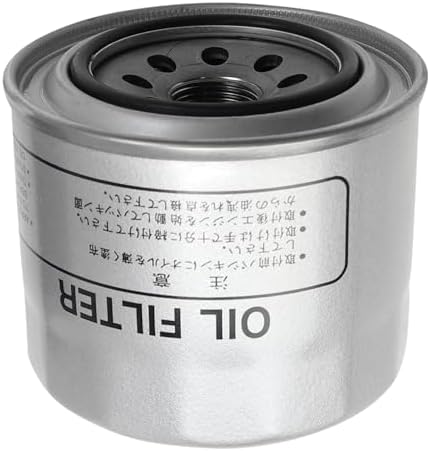
- Matches OE form, fit and function
- Designed for synthetic and conventional oils
- Made using high quality filter materials to maintain proper fuel air flow
Beck/Arnley has long specialized in replacement parts for import vehicles. Its listings describe filters engineered to OE specifications, built for synthetic and conventional oils, and fitted with a drain-back valve where applicable. Its catalog is organized by vehicle, which suits owners of foreign-nameplate cars who want a like-for-like replacement rather than an upgrade.
The limitation is transparency. Public documentation describes construction in general terms rather than naming media type or valve materials, so shoppers comparing specifications will find less to work with than with other brands here. It’s a sensible pick for routine maintenance on a covered vehicle, provided you verify the exact part number. [Check Price]
Motorcraft / Genuine OEM
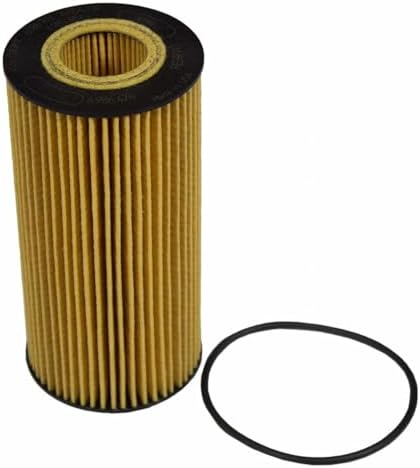
- Fit Type: Vehicle Specific
- Part number: FL2016
- Included components: Oil Filter
For a Ford, Lincoln, or Mercury, Motorcraft is the factory-spec choice, and it is the filter Ford says it recommends for those brands. Ford describes the FL-500S as using a cellulose and polyester blend media rated at 80 percent efficiency on particles of 20 microns and larger. That is a manufacturer figure for that specific part number, not a universal rating for the brand. ford
Construction details from Ford and retailers include ironed steel cases painted against rust, a fluted end for easier removal, bonded end plates, a perforated center tube to resist collapse, and a silicone anti-drainback valve. Motorcraft also makes cartridge versions for engines that use them.
The obvious limit is scope: it is engineered for Ford-family engines and isn’t a general-purpose filter. Within that lane, it removes most of the fitment guesswork.
K&N Performance Gold
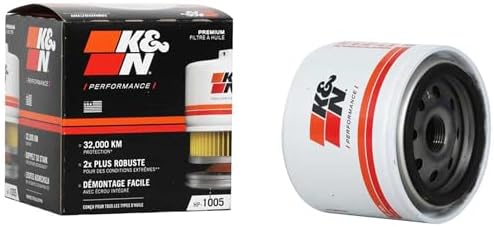
- HIGH FLOW RATES: Designed to provide exceptional flow rates and a consistent flow of oil to your engine
- VERSATILE COMPATIBILITY: Designed to operate with all synthetic, conventional, and blended motor oils
- PROTECT YOUR ENGINE: Pleated synthetic-blend filtration media removes most harmful contaminants
K&N’s Performance Gold began as a motorsport product, and that shows in the details. The canister carries a 1-inch nut welded to the top so it can be removed with a standard wrench, and some versions have drilled holes for safety wire. The company says the design uses a thick canister, a metal inner core to resist collapse, a leaf spring seating the element, rolled threads, and a pre-lubricated gasket.
The media is resin-impregnated cellulose. K&N says this allows higher flow rates, and it describes the filter as suitable for conventional, synthetic, and blended oils. K&N also notes the anti-drainback valve is only fitted where the filter’s mounting position calls for one, so confirm that for your engine. Burst-pressure figures appear in some retailer listings, but they are manufacturer claims tied to particular part numbers.
The wrench-off nut is genuinely handy on a filter in a tight spot, and the heavy canister suits owners who track their cars or prefer a more robust housing. Anyone expecting synthetic media at a premium price should read the spec sheet first.
Denso First Time Fit

- Package Dimensions: 8.89 L x 8.382 H x 8.89 W (centimeters)
- Package Weight : 0.317 kilograms
- Country of Origin : Canada
Denso is a major original-equipment supplier, and its First Time Fit line is built around fitment and ease of installation. Denso lists a heavy-duty steel case, dual-layer filtration media, a molded pre-lubricated O-ring, and a silicone anti-drainback valve. A distinctive feature is the Torque Stopper case design, intended to prevent both over-tightening and under-tightening leaks, which helps first-time DIYers.
Denso describes its media as paper, so its case for protection rests on construction and OE-style consistency rather than a synthetic-media claim. Part coverage also varies, with both spin-on and cartridge styles offered depending on the engine. It suits owners who want a familiar OE-type filter that is hard to install incorrectly.
WIX XP
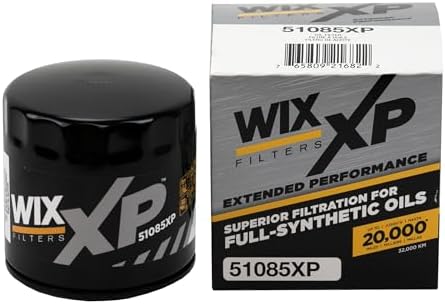
- ENGINEERED FOR SYNTHETIC OILS: Superior filtration for severe conditions; Designed to handle the demands of synthetic mo…
- ADVANCED FILTRATION EFFICIENCY: Next-gen synthetic-blended media with natural fibers eliminates the need for wire backin…
- EXTENDED PERFORMANCE: Outperforms OE standards with up to 20,000-mile change intervals—ideal for synthetic oil users
WIX positions the XP line for demanding service. The company says these filters suit towing, stop-and-go city driving, and harsh environments such as dusty roads and extreme heat. The spin-on versions use wire-backed, fully synthetic media, with an HNBR sealing gasket, and WIX says the filters are made for OE change intervals, typically 3,750 to 10,000 miles. Some cartridge versions use a different synthetic-blend media without wire backing.
WIX also states that the XP traps up to 100 percent more dirt than its standard filters and has a silicone anti-drainback valve where applicable. Lab figures published for specific part numbers reflect those parts only. Treat efficiency numbers as part-specific rather than line-wide.
XP is the most clearly aimed at severe use, and it is a logical match for synthetic oil users who tow or idle a lot. The catch is that not every engine has an XP part, so check that yours is covered.
Spin-On vs. Cartridge Oil Filters
Spin-on filters are self-contained. The media, valves, and gasket sit in a steel canister that threads onto the engine. Replacement is simple: unscrew the old unit, oil the new gasket, and thread on the new one by hand. The downside is waste, since the entire metal canister is discarded each time.
Cartridge filters are a replaceable element that drops into a permanent housing on the engine. Replacement means opening the housing cap, swapping the element and usually the O-rings, and torquing the cap to spec. Less metal is thrown away, and many cartridge systems drain the housing as the cap comes off, which keeps oil off the ground. The tradeoffs are more steps, special sockets on some cars, and a bigger consequence if a seal is damaged or misseated.
Neither is inherently better. Your engine dictates which type you use, and you can’t swap one for the other.
What to Look for When Buying an Oil Filter
Application compatibility. Match year, make, model, and engine size, not just the model name. Thread size, gasket diameter, and height all vary, and a filter that almost fits can leak or fail to seat. Use the manufacturer’s catalog or your owner’s manual, and confirm the part number.
Filter housing. For spin-ons, the canister has to withstand oil pressure spikes, especially on cold starts. Look for a solid case and clean seams.
Filter media. This is the pleated material that traps particles. Cellulose is common and economical. Synthetic media generally offers greater durability and holds more debris, which is why it’s promoted for long intervals. In either case, an inner tube or wire backing keeps the media from collapsing under pressure.
Anti-drainback valve. On engines where the filter mounts sideways or upside down, this valve keeps oil in the filter when the engine is off, so oil reaches the bearings faster on startup. Silicone tends to hold up better than nitrile rubber over time.
Bypass valve. If the media clogs or the oil is too thick to pass, the bypass opens to keep some oil flowing. That is better than none, but it lets unfiltered oil through, so it’s a safety net rather than a feature to rely on. Some engines locate the bypass in the housing or engine block instead of the filter, another reason to buy the correct part.
Gasket and seal. The rubber ring is what keeps oil in. It must be the correct size, the right material, and lightly lubricated before installation. Always confirm the old gasket came off with the old filter, since a stuck gasket can cause a double-seal leak.
Oil Filter Pricing and Value
Prices for oil filters change constantly, so this guide doesn’t quote them. The range depends on:
- vehicle application and how common the part is
- filter type (cartridge kits often include O-rings)
- brand, and whether it is OEM or aftermarket
- construction and media
- retailer, shipping, and promotions
- regional market
The cheapest option isn’t automatically the poorest value, and the most expensive isn’t automatically better. Value comes from correct fitment, sound construction, and a design that matches how you drive. Given how little a filter costs against an engine repair, skimping on quality is a poor economy.
Oil filter maintenance is only one part of keeping a vehicle ready for everyday driving and garage work. Brake components deserve the same attention, especially when choosing brake pads for cars for consistent stopping performance. For drivers who handle their own maintenance, having the right tools also makes routine jobs easier, and a good socket set for automotive work can cover everything from basic servicing to more involved repairs. It is also worth keeping a few car safety essentials on hand for problems that cannot be prevented through routine maintenance alone.
Final Takeaway
No filter here is right for every engine. Motorcraft makes the most sense for Ford-family vehicles, Beck/Arnley and Denso for owners who want OE-style replacements, K&N for those who value a sturdier canister and easy wrench removal, and WIX XP for people who tow or drive in harsh conditions. Start with fitment, choose the construction that matches how the car is used, and change it with every oil service.
FAQ
How do I know which oil filter fits my vehicle?
Match the filter to your exact year, make, model, and engine. Check the manufacturer’s catalog or your owner’s manual, then confirm the part number before buying. Filters that look similar can have different threads, gasket sizes, or valve specifications.
Should I use an OEM oil filter or an aftermarket filter?
Either can be suitable when the filter is correctly specified for the engine. OEM filters are designed around the manufacturer’s application, while reputable aftermarket brands offer different construction and media options. The important point is to verify the specific filter rather than choosing by brand name alone.
Do synthetic oil and severe driving require a special oil filter?
Synthetic oil does not automatically require a special filter. However, drivers who tow, idle for long periods, drive in dusty conditions, or follow demanding service schedules may prefer a filter designed for severe service. Always follow the vehicle manufacturer’s recommended oil and filter intervals.
What is the difference between a spin-on and a cartridge oil filter?
A spin-on filter contains the filter element, valves, and gasket inside a disposable metal canister. A cartridge filter uses a replaceable element inside a permanent housing, usually with new O-rings during service. Neither design is inherently better; the correct type is determined by the engine.
When should I replace my oil filter?
For most vehicles, the filter should be replaced whenever the engine oil is changed, unless the manufacturer specifies otherwise. Waiting for symptoms is not recommended because a filter can become loaded without producing an obvious warning. Always follow the service interval specified for your vehicle.