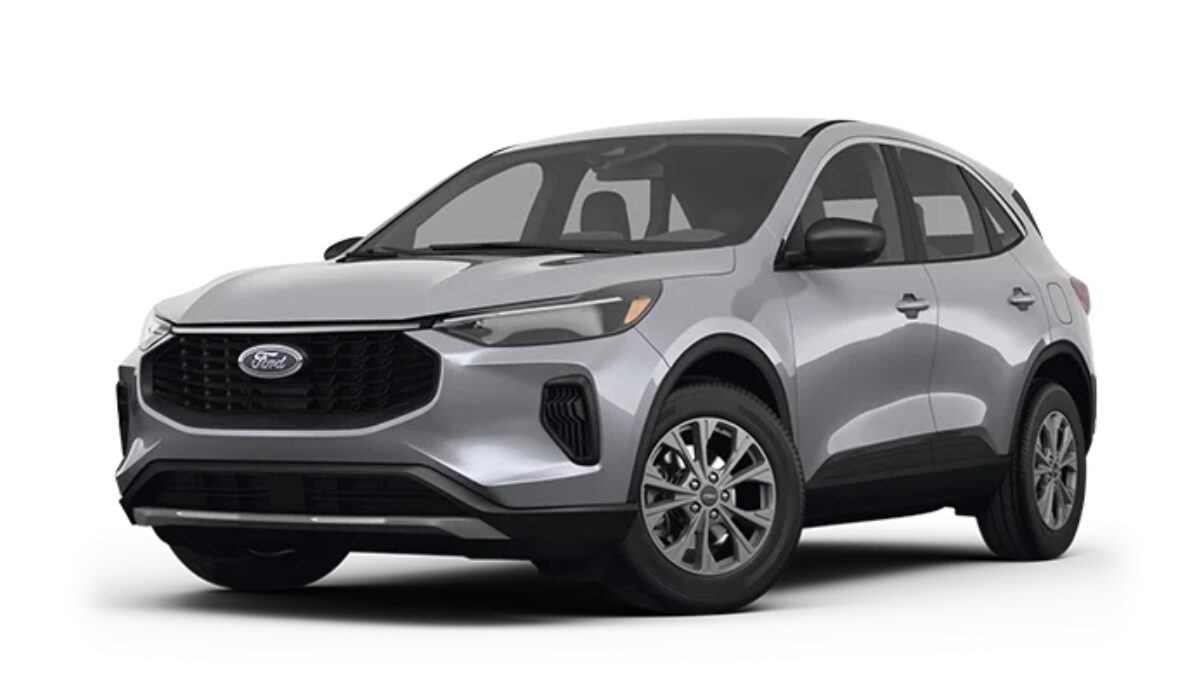
The 2026 Ford Escape Plug-in Hybrid enters the market at a moment when many drivers are actively seeking ways to lower fuel expenses while still enjoying the practicality of a compact SUV. This model is particularly appealing to commuters who spend most of their time driving in the city or making frequent short trips. With its 37-mile electric-only range, many daily drives can be completed without using gasoline at all, which can noticeably reduce running costs over time.
Charging the Escape PHEV overnight at home makes starting each morning with a full battery simple and stress-free. When driven on electric power, the vehicle behaves much like a quiet, smooth EV. Yet, when longer distances require added power, the gasoline engine engages seamlessly. This combination provides the convenience of electrified driving without the range limitations of a fully electric vehicle.
This balanced personality is one of the Escape PHEV’s strongest advantages. It eliminates the need for major lifestyle changes. The switch between electric and gasoline power feels natural, and the cabin remains calm, making the driving experience more focused on comfort than on performance. The interior supports everyday use with adequate space for passengers, groceries, and travel items. It is not designed to stand out with dramatic styling or sporty handling; instead, it offers reliability and day-to-day usability for people who prefer simplicity.
Technology inside the vehicle is thoughtfully incorporated. The infotainment interface is straightforward, displaying hybrid functions clearly without overwhelming the driver. While some competitors provide more luxurious materials or flashier displays, the Escape emphasizes usability and ease of interaction.
This model is not aimed at performance-focused drivers. Acceleration and handling are tuned for smoothness rather than excitement. Yet, for those whose routines revolve around commutes, errands, and family travel, the 2026 Ford Escape Plug-in Hybrid delivers a practical, predictable, and efficient experience that fits comfortably into everyday life.
2026 Ford Escape Plug-in Hybrid Review
Pros
- Spacious and comfortable seating
- Generous cargo capacity
- User-friendly touchscreen and controls
Cons
- No available all-wheel-drive option for the PHEV model
- Handling and acceleration feel underwhelming
What’s New for 2026
- Platinum Hybrid trim is now AWD only
- Model is no longer offered in California or states following California emissions regulations
- Continues as part of the fourth Escape generation introduced in 2020
Overview
The 2026 Ford Escape Plug-in Hybrid continues to serve as a practical choice in a highly competitive compact SUV segment, particularly for drivers who value efficiency, convenience and adaptability in their everyday routines. Ford’s approach with the Escape has always been to provide variety rather than a single fixed direction. That remains true here, with multiple available powertrains including two turbocharged gasoline engines, a conventional hybrid, and the plug-in hybrid configuration featured in this review. This flexibility allows buyers to choose a setup that matches their driving habits, whether they need electric commuting capability, long-range efficiency or traditional fuel-powered simplicity.
What truly sets the plug-in hybrid version apart is its ability to operate as an electric vehicle for shorter daily trips while preserving the practicality of a gasoline engine for longer travel. For many households, this means most weekday driving can be completed using battery power alone, without any sacrifices in usability. When weekend travel or extended routes come into play, the gasoline engine seamlessly takes over, removing concerns about charging access. This balanced power delivery makes the Escape PHEV particularly well suited to suburban driving patterns where daily mileage is predictable.
However, the model does face strong competition. While the Escape’s cabin layout is functional and offers good seating space, the overall interior quality and refinement feel more modest compared to rivals from Mazda, Kia and Hyundai. Those competitors often deliver more premium materials, sharper steering response and a more engaging driving character. The Escape, by comparison, emphasizes calm, predictable handling over sporty feedback. Steering effort is light, and acceleration is adequate rather than brisk. This makes the Escape easy and comfortable to live with, though it may not stand out for drivers who seek a more dynamic driving experience.
Even so, the 2026 Escape Plug-in Hybrid remains a compelling option for buyers who prioritize space, affordability, fuel efficiency and straightforward usability. It fulfils the needs of drivers who want electrification benefits without complication or compromise, fitting smoothly into daily life.
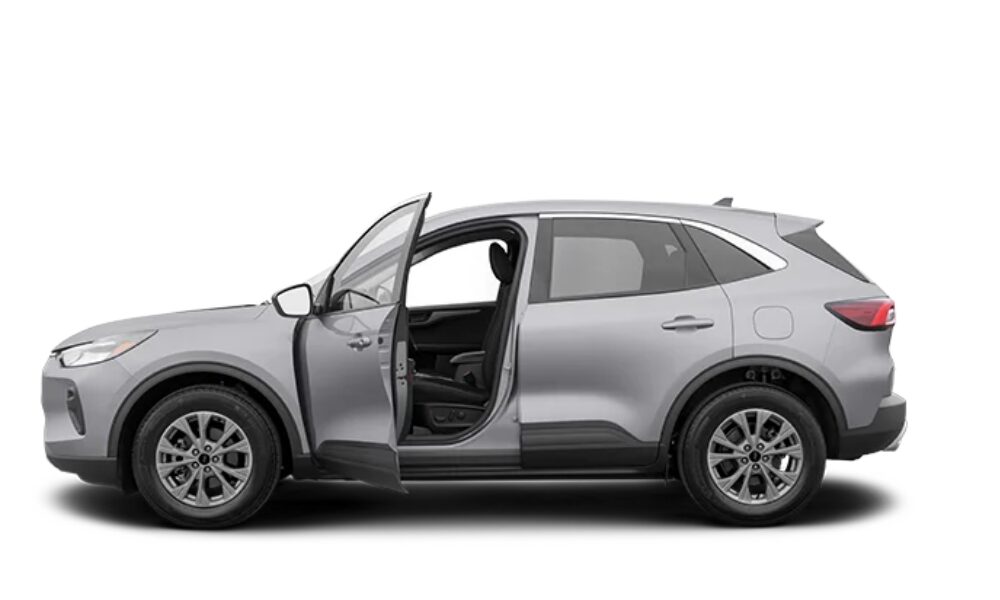
Two hybrid powertrains to choose from
One of the key strengths of the 2026 Ford Escape lineup is the flexibility it provides when selecting a powertrain. Instead of limiting buyers to only one hybrid option, Ford offers two distinct electrified setups, making it easier for drivers to match the vehicle to their lifestyle and driving habits. This variety helps the Escape remain competitive in a segment where many alternatives follow a more uniform, one-configuration approach.
The first hybrid choice is the standard hybrid, available beginning with the ST-Line trims. It pairs a 2.5-liter four-cylinder gasoline engine with an electric motor and a continuously variable transmission. Together, this system delivers a combined output of 192 horsepower and achieves an EPA-estimated 39 mpg in mixed driving. It requires no charging from the owner and works automatically to reduce fuel consumption. The transition between gasoline and electric power is seamless, offering a smooth and predictable driving experience that feels natural without any additional effort.
The second and more advanced option is the Escape Plug-in Hybrid. This version uses a similar 2.5-liter engine but incorporates a larger battery pack and a stronger electric motor to deliver 210 horsepower. Unlike the standard hybrid, the PHEV can be charged using either a standard household 120-volt outlet or a Level 2 home charger for quicker charging times. When fully charged, the Escape PHEV provides an estimated 37 miles of electric-only driving range. That distance is sufficient for many daily commutes and errands to be completed without starting the gasoline engine at all. Once the battery is depleted, the vehicle continues to operate as a conventional hybrid, returning an estimated 40 mpg in combined driving.
For drivers who can regularly plug in at home, especially those with predictable daily routes, the plug-in hybrid configuration makes the most sense, offering significant fuel savings and quieter operation. Meanwhile, the standard hybrid remains a strong option for buyers who want improved efficiency without the need to charge.
Competitors to consider
The compact SUV segment is one of the most crowded and competitive areas in the automotive market, and the 2026 Ford Escape Plug-in Hybrid faces several strong rivals. On the gasoline and standard hybrid side, the Escape goes up against familiar names such as the Honda CR-V, Mazda CX-50, Hyundai Tucson, and Kia Sportage. These competitors often distinguish themselves with more refined interiors and more engaging driving dynamics. The Mazda CX-50, for instance, emphasizes sportier handling and upscale cabin finishes, while the Honda CR-V remains a long-standing benchmark for comfort and practicality. Meanwhile, the Hyundai Tucson and Kia Sportage tend to offer more striking designs and a richer list of features for the price, giving them strong appeal among value-focused shoppers.
When narrowing the comparison specifically to plug-in hybrid SUVs, the Escape PHEV’s closest rivals are the Kia Sportage Plug-in Hybrid, Hyundai Tucson Plug-in Hybrid and the Toyota RAV4 Plug-in Hybrid. Both the Kia and Hyundai provide similar electric-only driving ranges but offer more horsepower, resulting in quicker acceleration and a more energetic feel behind the wheel. Their interiors also lean toward a more modern and polished aesthetic. As a result, drivers who prioritize stronger performance or a more premium environment may favour those alternatives.
The most significant competitor for 2026, however, may be the newly redesigned Toyota RAV4 Plug-in Hybrid. Toyota estimates that the latest RAV4 PHEV will offer up to 50 miles of electric driving range, a substantial increase that could shift expectations for efficiency in this category. If real-world results reflect those projections, the RAV4 may deliver one of the longest electric ranges available in a mainstream plug-in hybrid SUV.
Even so, the Escape Plug-in Hybrid remains appealing for shoppers who value simplicity and ease of use. Its driving character is relaxed, its interface is intuitive, and its efficiency fits seamlessly into everyday routines, making it especially well-suited for drivers who want electrification benefits without added complexity.
Comfort:2026 Ford Escape Plug-in Hybrid
Comfort is a notable strong point for the 2026 Ford Escape Plug-in Hybrid, making it well-suited for daily commuting and longer trips alike. The front seats are shaped to provide supportive cushioning, helping reduce fatigue during extended drives. They strike a balanced feel that is neither too firm nor too soft. In the rear, the bench seat has a flatter profile, but still provides sufficient thigh support and space for adult passengers to sit comfortably. One thoughtful detail is the availability of a height-adjustable passenger seat on select trims, which is uncommon in this class and helps accommodate a wider range of passenger preferences.
Ride quality is generally calm and composed. The suspension absorbs most small bumps well, maintaining a smooth feel on typical roads. However, sharper impacts and rougher pavement can create more pronounced cabin feedback compared to some competitors that place greater emphasis on ride softness. Even so, during normal city and suburban driving, the Escape Plug-in Hybrid maintains a quiet and stable demeanour.
One of the most pleasant aspects of the PHEV system is how smoothly the vehicle moves away from a stop. The electric motor allows it to begin accelerating without needing to start the engine immediately, which creates a more refined and quieter departure. This is noticeably smoother than the non-hybrid models equipped with start-stop systems, where engine engagement can sometimes introduce vibration or noise.
The climate control system is efficient and easy to use, providing ample airflow even in warmer conditions. However, it is worth noting that ventilated front seats and heated rear seats are not offered on any trim level, which may be a downside for shoppers prioritizing premium comfort features. Overall, the Escape Plug-in Hybrid delivers an experience focused on relaxed, everyday usability.
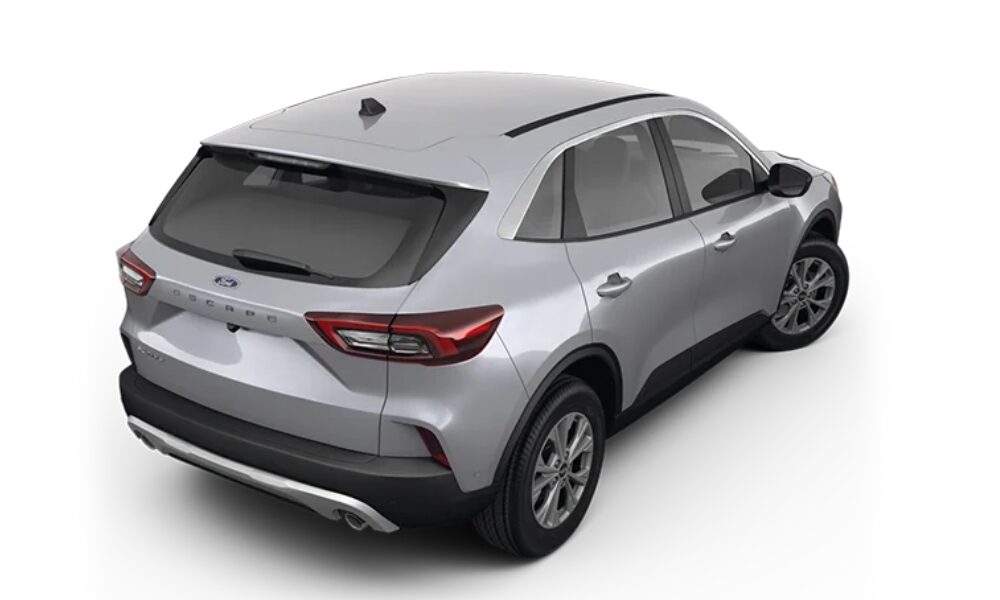
Interior
The interior of the 2026 Ford Escape Plug-in Hybrid emphasizes practicality and ease of use, offering a cabin layout that is straightforward and inviting. One of its key strengths is interior space. Both front and rear passengers have ample room to sit comfortably, and the driving position provides a clear view of the road, which is especially useful in busy city environments or tight parking situations. The driver’s seat also features multiple adjustments, allowing individuals of various heights and builds to find a position that feels natural and supportive.
The dashboard design favours simplicity and function over ornamentation. The placement of buttons, controls and the infotainment display is intuitive, making it easy for drivers to operate essential features without distraction. The touchscreen system responds promptly, and the menus are laid out logically, helping reduce the learning curve for those who may be new to hybrid or modern infotainment setups.
However, there are a few considerations to keep in mind. Models equipped with a panoramic sunroof may see a slight reduction in rear headroom, which could affect taller passengers on longer trips. The door armrests are also somewhat narrow, which may impact comfort during extended drives. Additionally, the optional head-up display may be difficult for taller drivers to view clearly, depending on seat height and angle.
Even with these minor drawbacks, the Escape Plug-in Hybrid remains comfortable and easy to live with. It focuses on offering a well-organised cabin that supports daily use rather than chasing upscale luxury styling. The result is an interior environment that is functional, accommodating and well-suited to families and commuters alike.
You might also enjoy taking a look at similar electrified SUVs that offer strong efficiency and everyday practicality.
- 2022 Ford Edge review
- Ford Mustang Mach-E 2025: Electric Power, Pure Style
- Ford F-250 2022: review
- Ford Explorer 2023 Review
- Ford Expedition 2023- review
Buying Tips for the 2026 Ford Escape
here are some useful tips to help you approach pricing, incentives, availability and demand with confidence.
Pricing Insight:
On average, shoppers are currently securing around 4% below MSRP. For reference, the real-world transaction price for a base model typically lands just under $35,000, before adding destination fees, optional packages or dealer-installed accessories. This gives you some room to negotiate rather than paying full sticker price.
Incentives to Know:
Ford is offering a $1,000 customer cash rebate across all trims. Additionally, certain groups such as active military personnel and eligible students may qualify for an extra $1,000 discount. Incentives can vary by region and may change throughout the month, so it’s smart to confirm details with your local dealership before finalizing a deal.
Inventory and Availability:
There are plenty of units available nationwide, meaning most trims should be relatively easy to locate. The exception is the ST-Line Elite, which is produced in smaller quantities and tends to be harder to find. If that’s the model you want, consider contacting dealers early to secure one.
Demand and Timing:
Even with strong supply, the 2026 Escape continues to move quickly, averaging about 13 days on dealership lots. This suggests consistently high demand. If you find the trim and color you prefer, acting sooner rather than later will likely improve your chances of getting it.
In-cabin tech
Technology is one of the notable highlights of the 2026 Ford Escape Plug-in Hybrid. The central touchscreen interface is laid out in a clean and logical format, making it easy to switch between media, navigation and system menus without any confusion. The available onboard navigation is also straightforward to operate, offering sharp map graphics and smooth touchscreen response that make adjusting routes or zoom levels feel natural while driving.
Our test model included the upgraded B&O audio system, which provided clear and full-bodied sound during normal playback. Vocals and instruments come through with good separation. At higher volume levels, however, some minor trim vibration may be heard, which could be noticeable to those who pay close attention to cabin acoustics.
Driver assistance technology is another strong point. Many advanced safety systems are included as standard equipment. The adaptive cruise control maintains speed and distance smoothly, avoiding the sudden braking behaviour that some competing systems exhibit. The lane-centring feature also performs well on the highway, keeping the vehicle confidently positioned without the constant side-to-side adjustments that can cause fatigue.
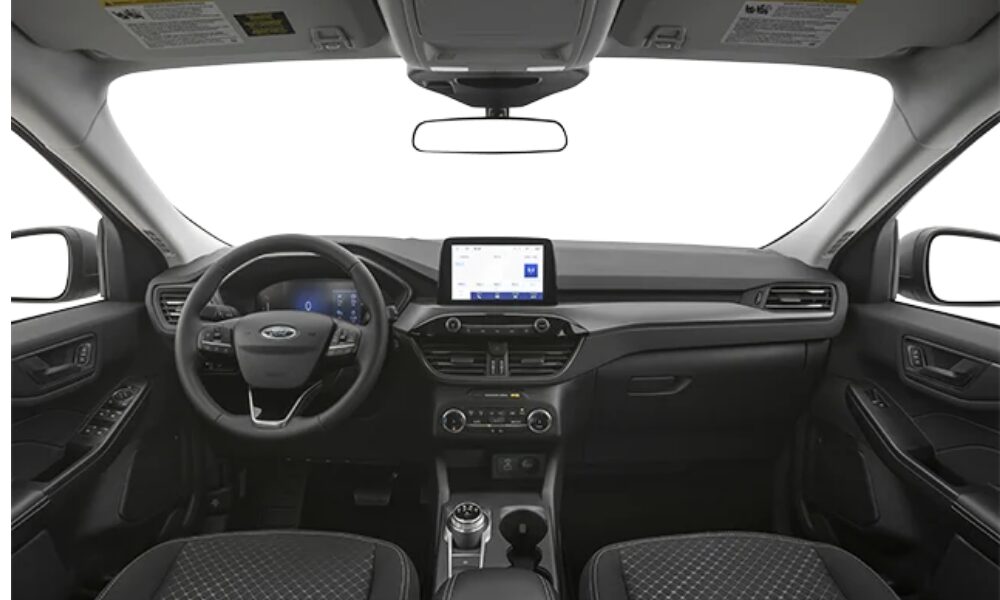
Storage:2026 Ford Escape Plug-in Hybrid
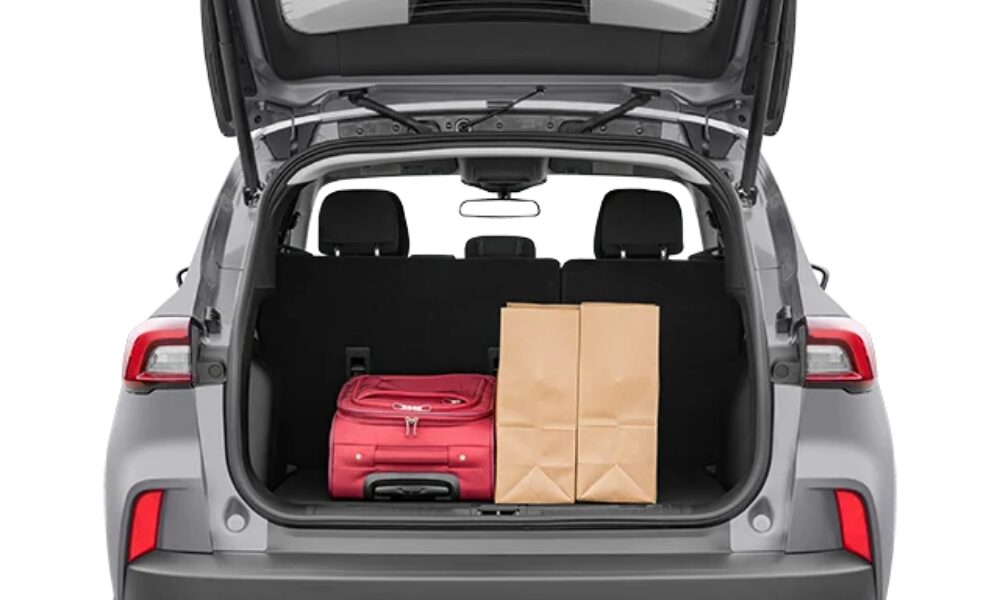
Storage is one of the areas where the 2026 Ford Escape Plug-in Hybrid shows practical day-to-day usefulness. The cargo space behind the rear seats is well-shaped for real-world loading needs. Its low floor height makes it easier to lift heavier items in and out, and the upright rear seatbacks allow bags or boxes to be stacked without immediately blocking the rear window.
Although the rear seats do not create a completely flat surface when folded, Ford included a thoughtful touch by allowing the outboard seatbelts to be detached from their anchors. This helps prevent straps from getting tangled or interfering when placing larger cargo in the back. With the rear seats folded, the Escape PHEV offers up to 60.8 cubic feet of storage capacity, which is useful, though slightly less than what some key rivals, such as the Hyundai Tucson Plug-in Hybrid and Toyota RAV4 Prime, can provide.
Inside the cabin, storage spaces are designed with convenience in mind. The front center area includes accommodating cubbies for everyday items, and the rear door pockets are large enough to hold water bottles or small devices. The cupholders are equipped with small retaining tabs to help keep drinks steady, a detail that is surprisingly functional and not commonly found among competitors. Additionally, the wide rear bench and easily accessed LATCH points make installing child seats more straightforward, reinforcing the Escape’s family-friendly practicality.
MPG & Electric Range
The 2026 Ford Escape Plug-in Hybrid is built for drivers looking to cut fuel use without committing to a fully electric vehicle. The EPA estimates that, when fully charged, the Escape PHEV can travel up to 37 miles on electric power alone. Once the battery is depleted, the vehicle automatically switches into hybrid operation and delivers an estimated 40 mpg in combined city and highway driving.
These efficiency ratings are notable given the added weight of the plug-in hybrid battery system, which typically reduces fuel economy in similar models. In real-world conditions, however, electric range can vary. During standardized testing, the Escape PHEV achieved about 30.7 miles of all-electric driving before the gasoline engine engaged. While this falls slightly short of the official estimate, the range is still well-suited for daily commutes, school drop-offs, and local errands, especially for drivers who can recharge consistently at home.
Value:2026 Ford Escape Plug-in Hybrid
When looking at overall value, the 2026 Ford Escape Plug-in Hybrid presents a practical and efficient package, though it does come at a higher cost than the gasoline-only and standard hybrid versions. Inside the cabin, there is a thoughtful use of soft-touch surfaces combined with textured plastics that create a clean and refined look. The general layout feels cohesive, and most commonly used areas appear well finished. However, certain elements do not fully align with the price point.
The interior door handles lack the solid feel expected in this segment, and some panel gaps are not completely uniform. The faux wood trim also does little to replicate the look or warmth of real wood, making it more decorative than upscale. Even in upper trim levels, the leather upholstery has a firmer texture compared to what some competitors offer, which may surprise buyers expecting a softer, more premium seating surface. Warranty coverage is in line with industry norms, providing adequate but standard protection. Ultimately, shoppers should consider whether they will regularly benefit from the plug-in system’s electric range to justify the added cost.
Wildcard
The Escape Plug-in Hybrid is not focused on dramatic performance or flashy design. Instead, its appeal comes from how naturally it integrates into daily routines. It stays quiet when operating in electric mode, offers smooth low-speed behavior, and remains easy to manoeuvre when navigating crowded city areas.
The plug-in hybrid setup also provides an improvement in responsiveness compared to the standard hybrid while still keeping efficiency as a priority. For drivers in urban and suburban settings who often make shorter trips and can recharge at home, the Escape PHEV can deliver periods of gasoline-free driving, making it a sensible and appealing everyday companion.
Trim Level Differences
The 2026 Ford Escape lineup offers six trims: Active, PHEV, ST-Line, ST-Line Select, ST-Line Elite and Platinum. Buyers can choose from four powertrain configurations, including hybrid and plug-in hybrid systems. The PHEV trim serves as the entry point to the plug-in setup, while the ST-Line variants emphasize sportier styling cues and come with larger wheels.
Higher trims like ST-Line Elite and Platinum add comfort amenities, enhanced technology and more refined interior materials. Availability may differ by region, and certain trims, especially the upper-level ones, can appear in more limited quantities depending on production allocation and market demand.
Which Escape Trim Does CarDrav Recommend?
For most buyers, the ST-Line trim delivers a solid combination of price, efficiency and appeal. It is the most cost-effective trim that includes the hybrid powertrain, offering strong fuel economy without the need to plug in or change daily driving habits.
The ST-Line also provides a sportier look thanks to its larger wheels and interior touches that feel more contemporary than those in the base Active trim. For shoppers who want plug-in capability, the PHEV trim is the appropriate option, especially for drivers who can recharge at home. Overall, the ST-Line balances styling, features and affordability for many drivers.
FAQ
Is the Ford Escape a good car?
The 2026 Ford Escape has been evaluated by professional test drivers in both everyday conditions and controlled track environments, earning a rating of 7.9 out of 10. It performs well as a practical compact SUV, especially for drivers who prioritize comfort and fuel efficiency. Cargo space is also respectable, offering 34.4 cubic feet behind the rear seats, which is useful for everything from weekly groceries to weekend trips. For safety and long-term ownership expectations, you can review the latest NHTSA and IIHS crash-test ratings along with owner feedback to get a full picture of how the Escape performs in real-world use.
What’s new for the 2026 Ford Escape?
Key updates for the 2026 model year include:
- The Platinum Hybrid trim now comes standard with all-wheel drive
- The model is no longer sold in California or other states that follow California emissions requirements
- The Escape continues as part of the fourth generation, originally introduced in 2020
Is the 2026 Ford Escape Plug-in Hybrid reliable?
To assess reliability, the most valuable resource is real-owner feedback. Consumer reviews highlight what the Escape is like to maintain and live with over time. Look for repeated mentions of any mechanical or comfort concerns, and compare the Escape’s average owner rating with similar models in the segment to help gauge long-term dependability.
Is the 2026 Ford Escape Plug-in Hybrid a good vehicle overall?
Whether the 2026 Escape is right for you depends on your priorities. Expert testing awarded it a 7.9/10, noting strong fuel economy and practicality. Safety ratings, interior comfort, available features and driving habits should all be part of your decision. For commuters and families who value efficiency, the Escape is a strong contender.
How much should I expect to pay 2026 Ford Escape Plug-in Hybrid?
The base 2026 Ford Escape Plug-in Hybrid starts at around $35,400, including destination charges. That price may increase based on selected options, color, dealer pricing and regional incentives.
What models and trims are available?
The Escape lineup includes several trims, with the Plug-in Hybrid offered as a dedicated configuration powered by a 2.5-liter four-cylinder plug-in hybrid system. To compare equipment, features and pricing across trims, it’s helpful to review the full Features & Specs listings when choosing the best fit for your needs.