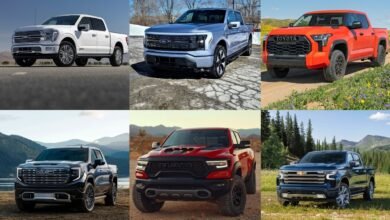
14 Electric SUVs 2022 and 2023 Models Compared
Exploring 14 electric SUVs from 2022 and 2023, with insights into range, charging, performance, comfort, and ownership.


The best electric SUVs of 2022 and 2023 were defined less by a single breakthrough than by a sudden widening of choice. In roughly two years, American shoppers went from a few compelling battery-electric crossovers to a crowded field. It ran from a Chevrolet priced near $27,000 to a Fisker that promised more than 350 miles of range and a rotating 17.1-inch screen. EPA range estimates climbed past 300 miles on several models, and 800-volt electrical systems brought genuinely fast charging to mainstream vehicles. The gap between affordable electric crossovers and premium electric SUVs also grew into a real fork in the road. This article compares 14 vehicles from their original 2022 and 2023 model years. Because most of them now live in the used-car market, it adds an ownership perspective for anyone shopping for one today.
Our Take
No single vehicle among these 14 is the perfect electric SUV. Some put range first, others charging speed, affordability, driving fun, family practicality, luxury, or all-wheel-drive traction. The Hyundai IONIQ 5 and Kia EV6 were the most technically ambitious, because 800-volt charging still looks impressive years later. The Tesla Model Y paired long range with a mature charging network and the most polished software of the group. The Chevrolet Bolt EUV and Hyundai Kona Electric made electric ownership affordable but gave up charging speed and rear-seat space. The Audi Q4 e-tron and Mercedes-Benz EQB offered premium cabins and brand appeal without matching the efficiency or charging performance of the best rivals. The Subaru Solterra and Toyota bZ4X targeted buyers who wanted all-wheel drive, though neither offered much range or charging speed for the money. The Nissan Ariya had one of the most pleasant interiors in the class, and the Ford Mustang Mach-E showed that an electric crossover could be genuinely entertaining.
Headline EPA range is a useful comparison tool, but it is an estimate, not a promise, and it says little about what a car is like to live with. A crossover rated at 300 miles that charges slowly can be more frustrating on a road trip than a 250-mile car that charges quickly and predictably. For a used buyer, battery condition, remaining warranty, software support, service availability, and the original price all matter as much as the window sticker range. The launch prices cited here are historical reference points. They are not current used-market values.
The Fisker Ocean needs its own warning. Its specifications were attractive, but the company’s June 2024 bankruptcy filing makes it an unusually risky used purchase, and it should not be treated like any other car on this list. Recall verification matters across the whole lineup. Several of these models were affected by campaigns covering only certain VINs, so every candidate should be checked individually through the NHTSA recall lookup, with proof that the repair was completed. My view is that the IONIQ 5 and EV6 were the most forward-looking, the Model Y was the safest all-round choice, and the Bolt EUV and Kona Electric were the most sensible bargains, provided the specific car checks out.
2023 Hyundai IONIQ 5

The IONIQ 5 earned its reputation by pairing a spacious, modern cabin with charging hardware that was ahead of its price class. The 2023 model started at about $41,450 for the SE Standard Range RWD, which uses a battery of roughly 58 kWh, produces about 168 horsepower, and has an EPA-estimated range of about 220 miles. Long Range models use a 77.4-kWh pack. The rear-wheel-drive version makes about 225 horsepower and is rated at about 303 miles, while the all-wheel-drive version makes about 320 horsepower and is rated at about 266 miles. The added power and traction of AWD cost roughly 37 miles of range.
The 800-volt architecture is the headline feature. On a suitable 350-kW charger, Hyundai advertised a 10 to 80 percent charge in about 18 minutes. Real results depend on charger output, battery temperature, state of charge, and the condition of the station. The cabin feels airy thanks to a relatively flat floor, and two 12.3-inch displays give the dashboard a clean, contemporary look. Cargo space is about 27.2 cubic feet behind the rear seats and up to 59.3 cubic feet with the seats folded, and a front storage compartment adds some everyday convenience. Advanced driver-assistance systems and family-friendly packaging round out the appeal. One caution is that wireless Apple CarPlay and Android Auto were not offered the way many buyers expect at this price, so check how a specific car handles phone connectivity.
The main ownership question is the ICCU-related recall history. That does not mean every 2023 IONIQ 5 has the defect, but buyers should enter the VIN into the NHTSA recall database and ask for documentation showing that any applicable repair was completed.
2022 Tesla Model Y
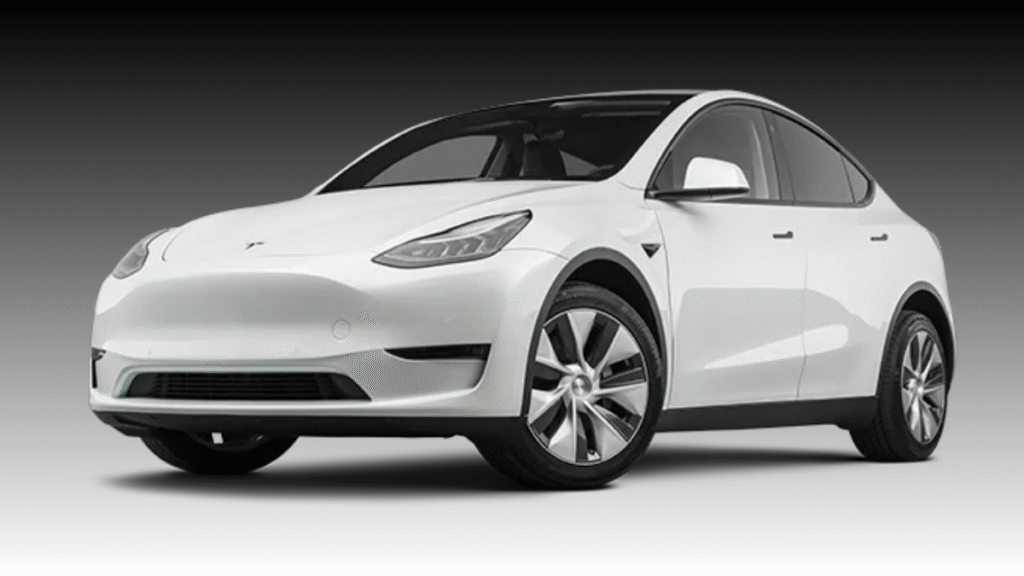
The Model Y was the most complete package in this group, even if it was not the most refined. Its U.S. pricing moved substantially during the 2022 cycle, so any historical figure needs a trim and a date attached. The EPA vehicle record for the 2022 Long Range AWD lists an MSRP of $65,990 and an estimated range of 330 miles with the applicable wheel configuration. The Performance AWD is rated at about 303 miles, and larger wheels can reduce rated range. Tesla did not publish a consistently useful official battery capacity for every configuration, so the EPA figures are a better guide than any outside estimate.
Acceleration is quick, the cargo area is large, and frequent over-the-air updates keep the software feeling current. Access to Tesla’s Supercharger network was a major practical advantage when these vehicles were new, and it remains a reason shoppers still look at them. The Model Y generally seats five, with an optional third row on some examples, which suits families who need occasional extra seating.
The minimalist cabin relies heavily on the central touchscreen. That will appeal to technology-oriented drivers, but anyone who prefers physical controls may find it a daily annoyance. Service is also a consideration, because ownership depends heavily on Tesla’s own service network. A used buyer should check how convenient that network is locally before committing.
2023 Ford Mustang Mach-E
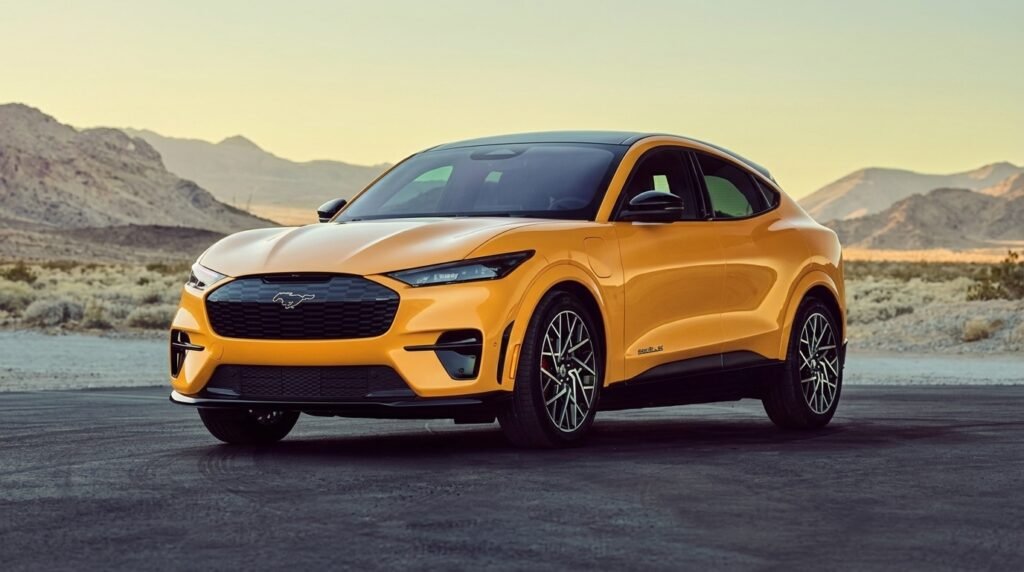
The Mach-E blends Mustang-inspired styling with a five-seat crossover layout, and its lineup is broad enough that trim matters enormously. Earlier coverage cited an entry price of about $46,895. That is best read as a historical reference for a lower trim rather than a price that applied across Select, Premium, California Route 1, GT, and GT Performance Edition. Ford used roughly 70 kWh of usable battery capacity in Standard Range versions and roughly 91 kWh in Extended Range versions.
EPA-estimated range varies widely. The Standard Range RWD is rated at about 247 miles and the Standard Range AWD at about 224 miles. The Extended Range RWD reaches about 310 miles, and the Extended Range AWD Premium is rated at about 290 miles. The California Route 1 Extended Range AWD reaches about 312 miles. The GT is rated at about 270 miles and the GT Performance Edition at about 260 miles. Output starts at about 266 horsepower for the Standard Range RWD, and GT versions reach about 480 horsepower. Ford claims a 0 to 60 mph time of roughly 3.5 seconds for the GT Performance Edition, with torque figures that are especially high in that version.
Day to day, the rear seat, front trunk, and rear cargo area make it a usable family vehicle. The large central touchscreen and Ford’s SYNC interface define the cabin, and BlueCruise driver assistance was available, though equipment and availability vary by trim and package. Charging time depends on battery size and charging equipment, so no single figure applies to every Mach-E.
2023 Kia EV6
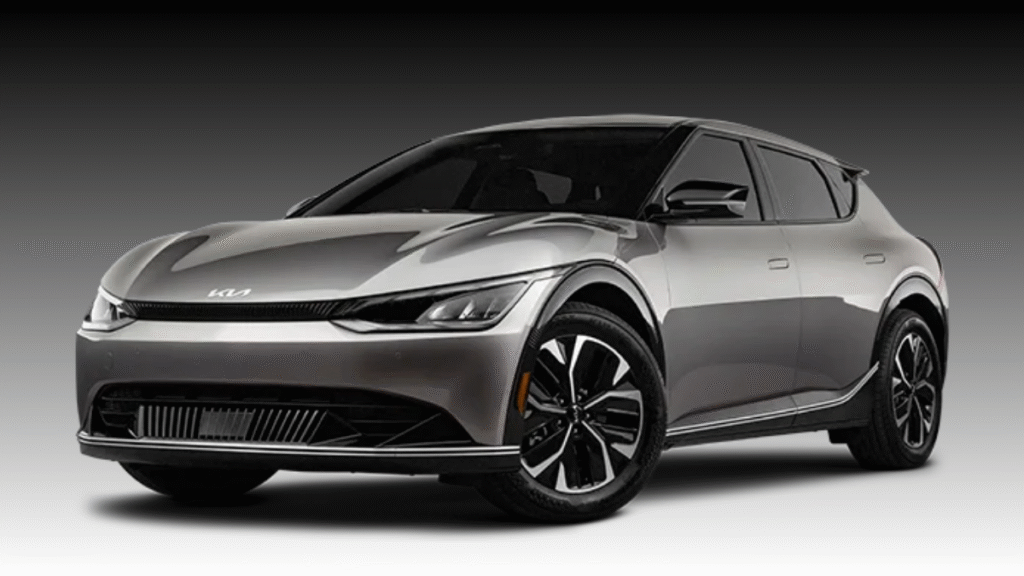
The EV6 is the sportier sibling of the IONIQ 5, with a lower, more aggressive profile and a wide gap between its trims. Kia’s launch pricing announcement put the Wind RWD at about $48,500, excluding a $1,295 destination charge. A later specification listing shows revised prices, so that number is a launch reference and should not be mixed with later figures. The Wind RWD and GT-Line RWD both make 225 horsepower and are rated at 310 miles. The Wind AWD makes 320 horsepower and is rated at 282 miles, while the GT-Line AWD makes the same power with a 252-mile rating.
The GT is a very different proposition from an efficiency-minded Wind RWD. It produces 576 horsepower and 545 lb-ft of torque, but its EPA range drops to 206 miles. That makes it a car for buyers who want performance and accept the range penalty. The 77.4-kWh battery is used in the Long Range Wind, GT-Line, and GT, and Kia’s E-GMP platform and 800-volt architecture allow charging at up to about 240 kW. Kia advertised a 10 to 80 percent charge in about 18 minutes under appropriate high-speed conditions.
The cabin has curved digital screens, useful comfort features, and room for five, with about 24.4 cubic feet of cargo space behind the second row and around 50.2 cubic feet with the seats folded. Kia’s official 2023 specifications are worth checking against the exact trim of any car you are considering.
2023 Volkswagen ID.4
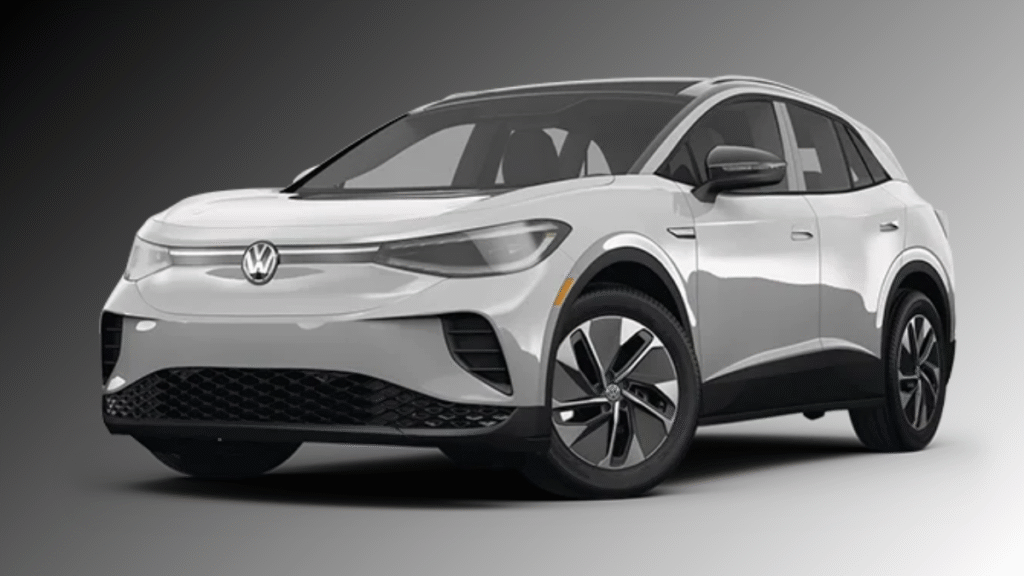
The ID.4 is the conventional, comfortable choice, aimed at families who want an electric SUV that does not feel unusual. The 2023 lineup included Standard, Pro, and higher equipment levels with RWD and AWD options. The Standard uses a battery of about 62 kWh and is rated at about 209 miles, while larger-battery versions carry about 82 kWh of gross capacity. The Pro RWD is rated at about 275 miles and the AWD Pro at about 255 miles. RWD versions produce about 201 horsepower, and the AWD Pro reaches about 295.
Pricing changed during the model year. Early references listed the Standard at $37,495, while Volkswagen’s 2023 press kit later described it at $38,995. The Pro was listed at about $43,995. Historical DC charging specifications included rates of around 140 kW and 170 kW depending on the battery, and the EPA data for the Pro configuration is a useful reference.
The driving character is comfortable, rear passenger space is useful, and the relatively flat floor adds to the sense of room. Technology includes a central infotainment display, digital instrumentation, and IQ.DRIVE driver assistance, with some equipment depending on trim. Volkswagen also offered an Electrify America charging package to eligible original 2023 purchasers. That was a historical promotion and not a benefit a used buyer should assume.
2023 Kia Niro EV
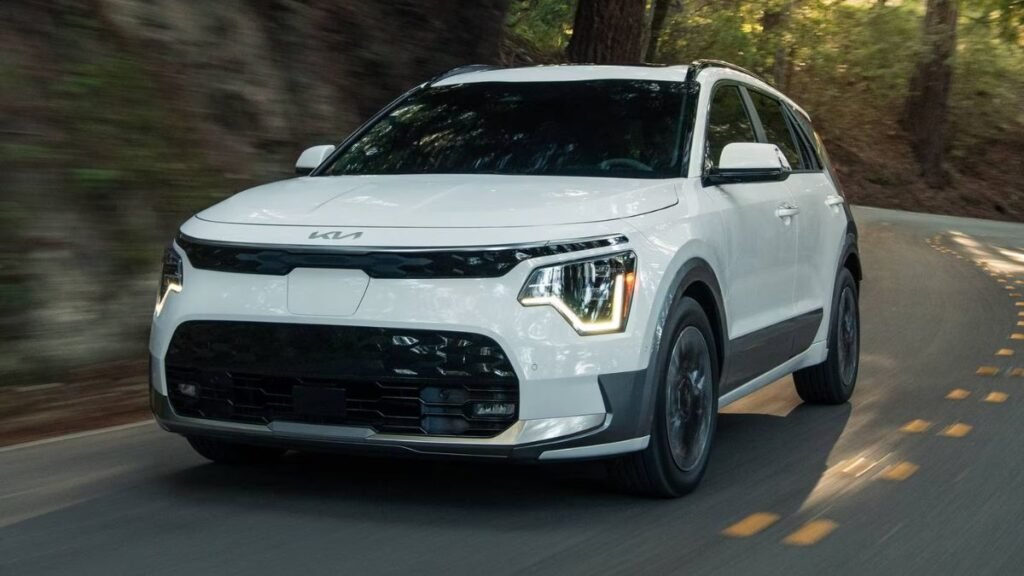
The Niro EV is the practical, efficiency-focused choice. Original pricing started at about $39,450 for the Wind and $44,450 for the Wave, with a destination charge of about $1,295, as described in Kia’s pricing announcement. A 64.8-kWh battery feeds a front-wheel-drive powertrain with about 201 horsepower and 188 lb-ft of torque. The EPA-estimated range is about 253 miles, and combined efficiency is about 113 MPGe. MPGe is an energy-comparison measure, not miles per gallon of gasoline.
Charging is the compromise. Maximum DC fast-charging power is about 85 kW, and Kia advertised a 10 to 80 percent charge in under 45 minutes under suitable conditions. That is far slower than the EV6. In exchange, the Niro EV offers a compact footprint, a practical cabin with updated design, and about 22.8 cubic feet of cargo space behind the rear seats, or about 63.7 cubic feet with them folded, depending on measurement conventions and configuration.
It is not designed to compete with high-performance electric SUVs. Its value lies in manageable dimensions, reasonable range, and everyday usability, and Kia’s official specifications cover the details. Shoppers comparing small crossovers more broadly may also want to look at other subcompact SUVs from the 2022–2023 model years.
2023 Chevrolet Bolt EUV
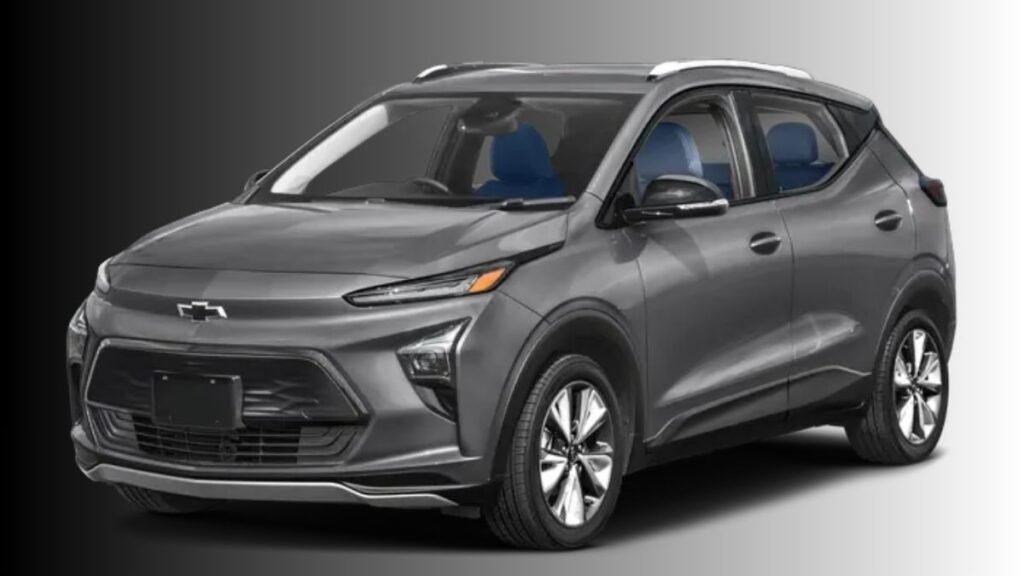
The Bolt EUV was one of the most affordable ways into an electric SUV or crossover in 2023. Its base MSRP was about $27,200 for the LT, with the Premier costing more. That figure is separate from destination charges and from later manufacturer price adjustments. The EUV is also a different model from the Bolt EV, with a longer body and more rear-seat room, and the two should not be confused when shopping. A battery of about 65 kWh powers a front-wheel-drive setup producing 200 horsepower and 266 lb-ft of torque. The official EPA/DOE record lists an estimated range of about 247 miles and about 115 MPGe.
The EUV is designed mainly for city and suburban driving. Its immediate electric torque gives it responsive everyday acceleration, though it is not a performance vehicle. DC fast charging is its biggest limitation, since Chevrolet advertised about 95 miles of range in around 30 minutes under suitable conditions, well behind the 800-volt competitors. The cabin offers reasonable passenger space and useful technology, although some interior materials and cargo dimensions trail larger rivals. Maximum cargo room with the rear seats folded is about 56.9 cubic feet. Super Cruise was available on the Premier with the necessary equipment.
Older Bolt battery recalls did not automatically cover every 2023 EUV. Buyers should check the specific VIN and its recall history rather than assuming either way.
2022 Mercedes-Benz EQB
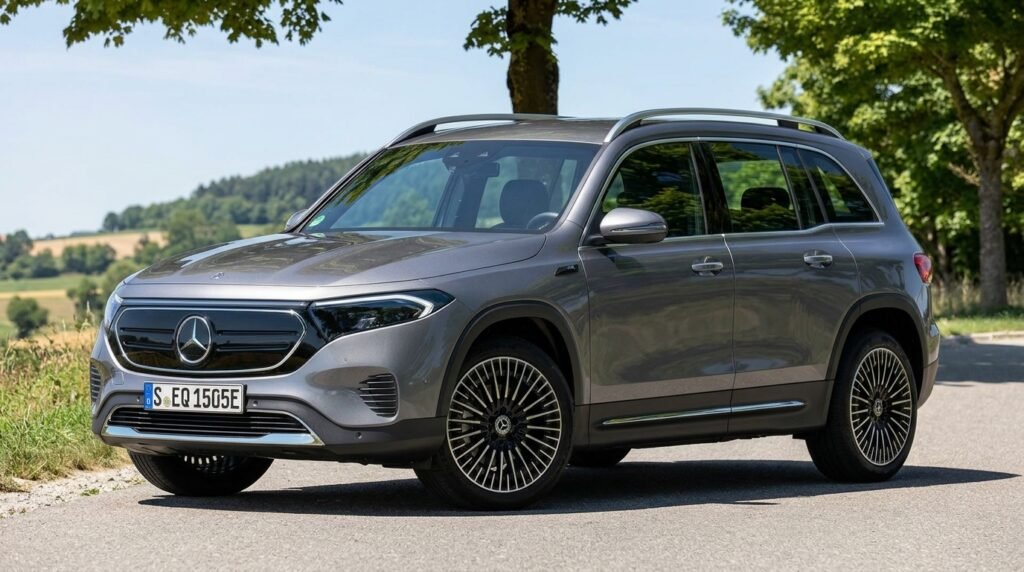
The EQB is a compact premium electric SUV that follows the design of the gasoline-powered GLB, with a raised seating position, modern Mercedes displays, and an optional third row for up to seven passengers. The extra seats are better suited to children than to adults on longer trips. Both U.S. versions use all-wheel drive. The EQB 300 4MATIC makes about 225 horsepower and is rated at about 243 miles, while the EQB 350 4MATIC makes about 288 horsepower and is rated at about 227 miles. Historical starting prices were about $54,500 and $58,050 respectively, and the EPA model-year record is the best reference for range.
The battery has about 70.5 kWh of gross capacity, with lower usable capacity, so the two numbers should not be confused. DC fast charging is available at up to about 100 kW. Compared with the IONIQ 5 and EV6, the EQB has relatively limited range and slower charging, which is a real drawback at this price. Its strengths are a comfortable cabin, a premium image, and practical packaging.
There is an important safety update. Certain 2022 to 2024 EQB 300 and EQB 350 vehicles are included in the 2026 NHTSA high-voltage battery fire recall, campaign 26V073. That does not mean every 2022 EQB is affected. Buyers should look up the VIN through the NHTSA recall lookup, confirm whether the remedy has been completed, and follow the instructions in the official recall notice, including any temporary restrictions it specifies.
2023 Fisker Ocean
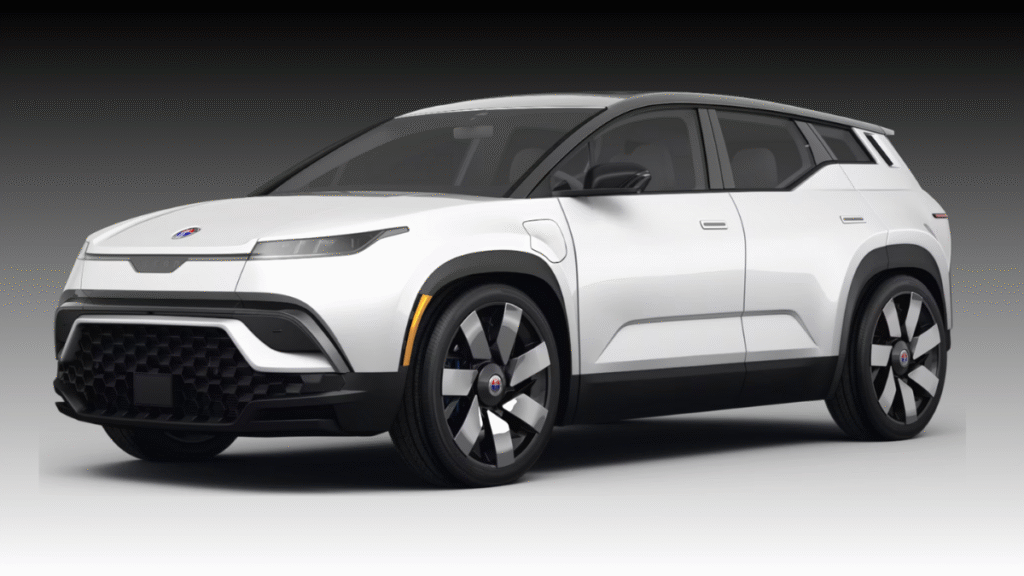
The Fisker Ocean is the most distinctive vehicle on this list and the one that demands the most careful treatment. Its design, sustainability-focused materials, technology, and long advertised range drew real attention. Original U.S. pricing was about $37,499 for the Sport, $49,999 for the Ultra, and $68,999 for both the Extreme and the Ocean One. Those prices changed during the sales period. In October 2023, the Extreme was cut from $68,999 to $61,499, and 2024 order pricing for the Ultra and Sport was adjusted. In March 2024, Fisker announced deeper reductions on many 2023 model-year vehicles, to $37,499 for the Extreme, $34,999 for the Ultra, and $24,999 for the Sport, as described in the company’s pricing announcement. These are successive stages, not a single price list.
The Extreme uses a 113-kWh battery, with about 106 kWh usable. The official EPA/DOE listing for the Extreme One shows an estimated range of about 360 miles on standard 20-inch wheels. The Ultra also received an official EPA estimate, about 350 miles. The Sport’s range figure should be treated as a manufacturer estimate unless independently confirmed, not as a certified EPA number. The dual-motor AWD Extreme produces about 468 horsepower in its initial rating, with an available boost feature raising output, and Fisker claimed a 0 to 60 mph time of about 3.7 seconds under its specified test method. Highlights include a 17.1-inch rotating infotainment display, a solar roof on equipped versions, and an unconventional interior.
The ownership picture is the problem. Fisker Group Inc. filed for Chapter 11 protection in June 2024, and Fisker Inc. and other U.S. subsidiaries also filed Chapter 11 cases, as documented in the SEC filing. Production paused, and the proceedings created serious uncertainty around service, parts supply, software maintenance, and warranty administration. An attractive specification sheet is not the same as a dependable ownership ecosystem, and buyers should treat this as a high-risk purchase, not a routine used car.
2023 Audi Q4 e-tron
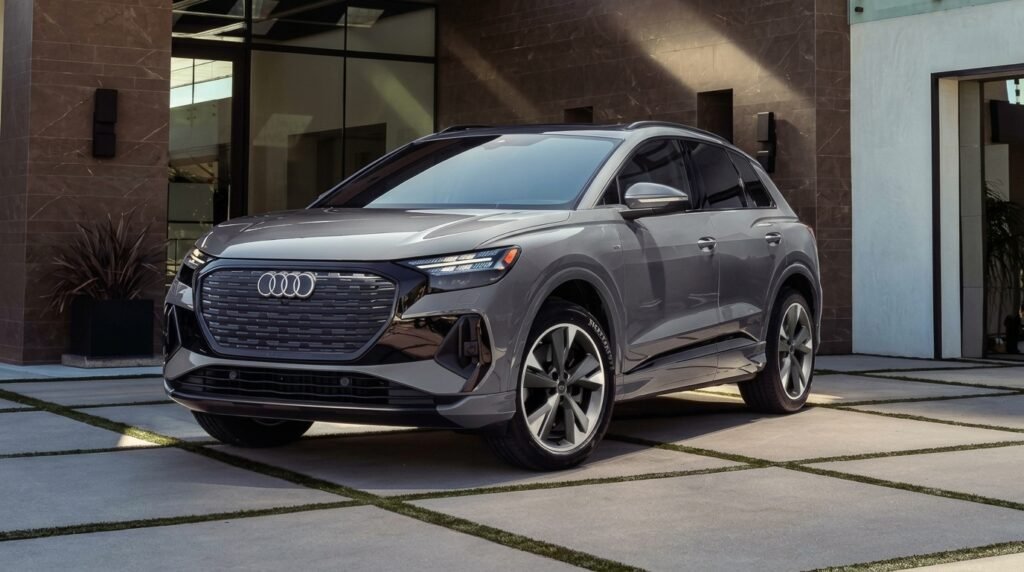
The Q4 e-tron offers a more traditional premium cabin and design experience than many electric rivals. The 2023 lineup included the rear-wheel-drive Q4 40 e-tron, starting at about $49,800, and the all-wheel-drive Q4 50 e-tron quattro, starting around $55,200. Both use a battery of about 82 kWh gross, with about 76.6 kWh usable. The Q4 40 makes about 201 horsepower and is rated at about 265 miles in its official EPA/DOE record. The Q4 50 makes about 295 horsepower and is rated at about 236 miles in its own EPA/DOE record.
DC fast charging is available at up to about 150 kW, and Audi advertised a charge from about 5 to 80 percent in around 36 minutes under suitable conditions. The cabin pairs a digital instrument cluster with a touchscreen and driver-assistance technology in a comfortable, conventional layout. The Q4 shares some technical foundations with Volkswagen’s MEB platform, but Audi adds its own interior design, materials, and technology. The Sportback body is worth understanding, because its sloping roofline reduces rear headroom and cargo practicality compared with the standard SUV body. For many families, the standard body is the more useful choice.
2023 Hyundai Kona Electric
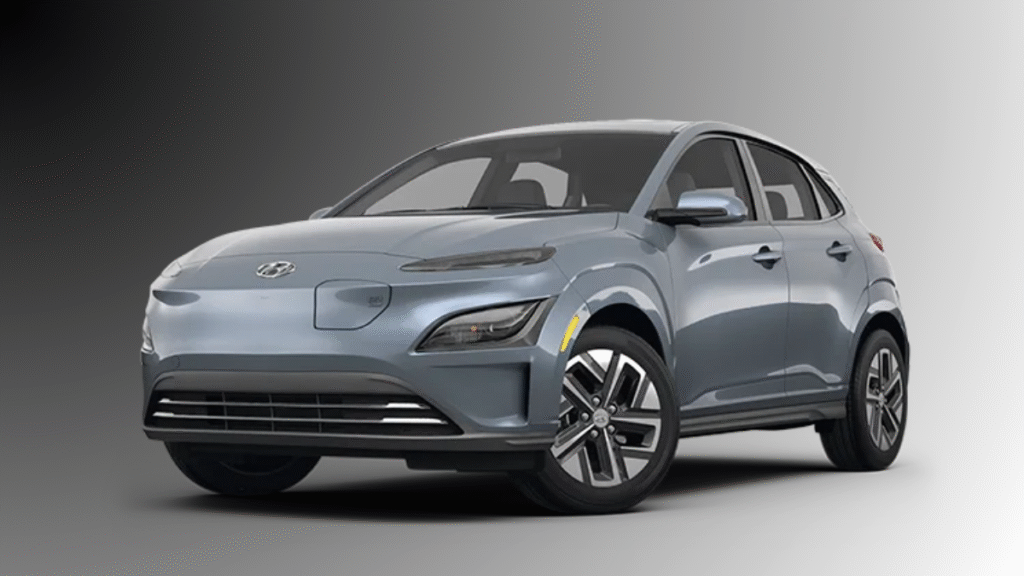
The Kona Electric is a relatively affordable, compact crossover for drivers who value manageable dimensions. Historical pricing started at about $33,550, with higher configurations reaching roughly $41,550. A battery of about 64 kWh powers a front-wheel-drive setup making 201 horsepower and 188 lb-ft of torque. The EPA record lists an estimated range of about 258 miles and combined efficiency of about 120 MPGe, which makes it one of the more efficient vehicles here.
The compact exterior makes it easier to use in urban environments than larger electric SUVs, and the front cabin offers useful technology and a straightforward layout. Rear-seat space and cargo room are more limited than in the IONIQ 5, with about 19.2 cubic feet behind the second row and 45.8 cubic feet with the seats folded. DC fast charging is slower than the 800-volt systems in the IONIQ 5 and EV6. Standard equipment and Hyundai’s long warranty coverage during its new-car period were part of its value appeal, although coverage terms for second owners can differ from those for the original owner, so used buyers should confirm what remains.
2023 Nissan Ariya
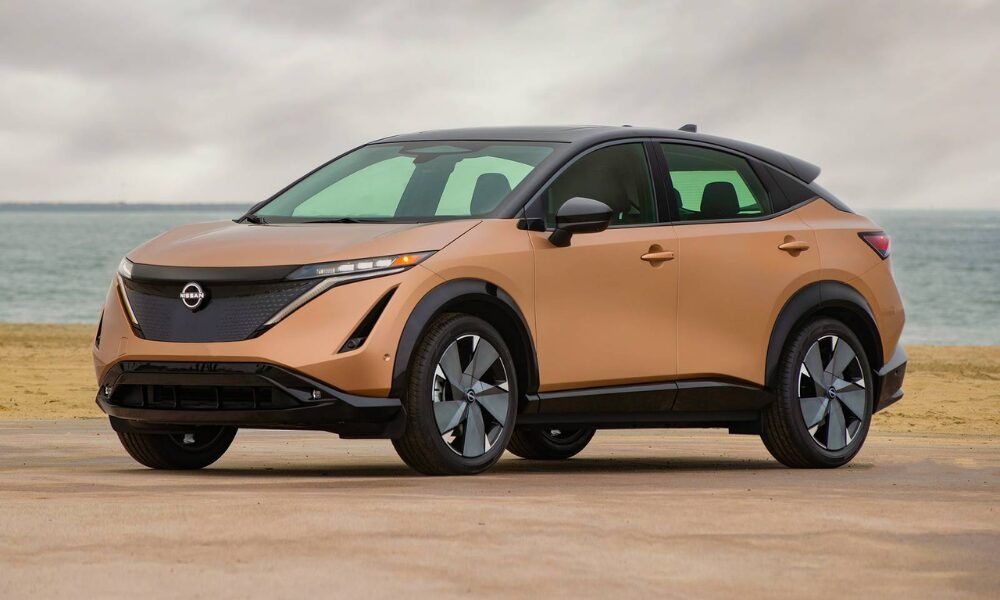
The Ariya combines minimalist, Japanese-inspired design with a spacious cabin and several battery and drivetrain choices. The historical starting MSRP was about $43,190 for the Engage FWD. The smaller battery is about 66 kWh total with 63 kWh usable, and the larger is about 91 kWh total with 87 kWh usable. Range varies a lot by configuration. The Engage FWD with the smaller battery is rated at about 216 miles, and the Venture+ FWD with the larger battery at about 304 miles. Other large-battery FWD versions are rated at about 289 miles. The Engage e-4ORCE AWD with the smaller battery is rated at about 205 miles, and large-battery AWD versions fall around 272, 267, and 257 miles depending on configuration and wheels.
FWD models offer about 214 or 238 horsepower, and e-4ORCE AWD models produce more. The e-4ORCE system improves traction and torque distribution. DC fast charging reaches up to about 130 kW on a CCS connector, and Nissan’s published specifications indicate a 20 to 80 percent charge in about 35 minutes for the smaller battery and 40 minutes for the larger one at a suitable 130-kW source.
The interior is among its strongest elements, with Zero Gravity seats, dual digital displays, a minimalist dashboard, and on equipped versions an adjustable center storage area and movable console. Cargo space is about 22.8 cubic feet behind the second row and 59.7 cubic feet with the seats folded. The contrast is clear: a calm, comfortable cabin, but charging that trails the leading 800-volt competitors.
2023 Subaru Solterra

The Solterra was built for buyers who want all-wheel-drive traction and light off-road ability from an electric SUV. Historical pricing started at about $44,995 for the Premium, with the Limited at about $48,495 and the Touring at about $51,995. A battery of about 72.8 kWh feeds a combined output of about 215 horsepower and 249 lb-ft of torque, and all-wheel drive is standard in the U.S. The EPA/DOE model-year listing shows an estimated range of about 228 miles for the Premium and about 222 miles for the Limited and Touring, depending on configuration.
Ground clearance is about 8.3 inches, and Subaru’s AWD approach, X-MODE, and selectable traction settings help on slippery surfaces and light trails. Its capability should not be exaggerated. The ride is comfortable and stable, but this is not a high-performance electric SUV, and maximum DC charging power of around 100 kW is modest. A frequently cited criticism is the lack of a conventional spare tire.
Certain 2023 Solterra vehicles were affected by wheel hub-bolt recall campaigns, and some notices told owners not to drive affected vehicles until the remedy was completed. That does not apply to every Solterra, which is exactly why a VIN check through the NHTSA recall lookup and documented proof of completed repairs matter.
2023 Toyota bZ4X

The bZ4X was Toyota’s early dedicated battery-electric SUV, aimed at buyers who wanted a familiar Toyota ownership experience in FWD or AWD form. Toyota’s launch information accompanied a historical starting price of about $42,000 for the XLE FWD. FWD versions use a battery of about 71.4 kWh and make about 201 horsepower, while AWD versions use about 72.8 kWh and make about 214 horsepower. The FWD EPA/DOE record and AWD record show how much trim and drivetrain matter. Estimated range is about 252 miles for the XLE FWD, 242 for the Limited FWD, 228 for the XLE AWD, and 222 for the Limited AWD. Combined efficiency is about 119 MPGe for FWD and about 104 MPGe for AWD.
Charging also differs by drivetrain. The FWD supports DC fast charging at up to about 150 kW, while the AWD is limited to about 100 kW, so the AWD gives up both range and charging speed. The AWD version includes Toyota’s X-MODE traction system, and ground clearance is about 8.1 inches. The cabin offers practical passenger space, an elevated driving position, Toyota Safety Sense equipment, and comfortable everyday use.
Certain 2023 bZ4X vehicles were included in the wheel hub-bolt recall that also affected the Solterra, which involved the possibility of hub bolts loosening and a wheel detaching. Not every bZ4X was affected, so buyers should run the VIN through the NHTSA recall lookup and insist on confirmed repairs.
Comparing the Lineup
Range separates this group less cleanly than the numbers suggest. The Fisker Ocean Extreme led on paper at about 360 miles, followed by the Model Y Long Range AWD at 330 and the IONIQ 5 Long Range RWD, EV6 RWD, and Mach-E California Route 1 near or above 300. But trim and drivetrain choices shift those results by dozens of miles, and wheels, weather, and speed shift them further. Charging speed tells a different story. The IONIQ 5 and EV6 were in a class of their own, while the Niro EV, Bolt EUV, and Solterra were far slower. That gap matters most on road trips and far less for owners who charge at home.
Affordability at original launch favored the Bolt EUV, Kona Electric, Niro EV, and the ID.4 Standard. At the other end, the Model Y, Mach-E GT, EV6 GT, and EQB sat in premium territory. A shorter range can still be a sensible choice. A Kona Electric with about 258 miles of rated range covers nearly all daily driving for a household with home charging, and it costs less to buy and run than a larger, longer-range car. Horsepower is similarly misleading. The EV6 GT’s 576 horsepower and the Mach-E GT’s roughly 480 are exciting, but they come with real range penalties, and a calmer car like the ID.4 or Ariya can be the better everyday companion.
Family usability favors the ID.4, IONIQ 5, Ariya, and Model Y for space, with the EQB and Model Y offering optional third rows that suit children. Luxury belongs mainly to the Q4 e-tron and EQB, though their efficiency and charging speed do not match their prestige. All-wheel-drive traction was the Solterra’s and bZ4X’s pitch, but the Model Y, Mach-E, EV6, and IONIQ 5 all offered more compelling AWD versions. Electric SUVs also should not be judged in isolation, and it can help to see how conventional and hybrid compact SUVs compare when deciding whether electric ownership fits your driving.
Present-Day Ownership Considerations
These vehicles now matter mostly to used-car shoppers, which changes how they should be judged. A used buyer is not paying the original MSRP, and original MSRP is not a guide to what any car is worth today. This article makes no claims about current used prices, because those depend on mileage, condition, region, and trim. Shoppers can start by reading about used electric and hybrid cars worth considering and then compare real listings in their area.
The priorities are different from those of a new-car buyer. Battery health comes first, and a battery health report or documented service history is more valuable than an odometer reading alone. Remaining battery warranty matters, and coverage terms can change when a car is sold. Charging equipment, software support, service accessibility, and completed recalls all deserve scrutiny, particularly for the IONIQ 5, EQB, Solterra, bZ4X, and Bolt EUV, where VIN-specific recalls have been an issue. No amount of reading replaces a pre-purchase inspection of the exact vehicle.
Federal incentives also need accurate framing. The IRS states that new, previously owned, and qualified commercial clean-vehicle credits are not available for vehicles acquired after September 30, 2025. Whether an original 2022 or 2023 buyer received a credit depended on the rules in effect at the purchase date and on the specific vehicle, so these 14 cars did not all receive the same incentive. A buyer today should not count on a federal credit.
Conclusion
The right choice among these 14 electric SUVs depends on what you value and on the condition of the specific vehicle in front of you. For fast charging and forward-looking engineering, the IONIQ 5 and EV6 stand out, with the EV6 GT the performance pick and the Mach-E GT close behind in spirit. For all-round competence and range, the Model Y remains the benchmark, as long as you are comfortable with its screen-centric cabin and Tesla’s service model. For affordability, the Bolt EUV and Kona Electric are the smartest value choices, with the Niro EV close behind. For family comfort, the ID.4 and Ariya are easy to live with, and for luxury, the Q4 e-tron and EQB trade efficiency for polish. The Solterra and bZ4X make the most sense for buyers who prioritize traction over charging performance, and the Fisker Ocean should only interest someone who fully accepts its risks.
Across the whole lineup, the same rule applies. Verify the VIN, confirm that recalls were completed, inspect the battery, and judge the car as it stands today, not as it was priced when new. Do that, and several of these 2022 and 2023 models remain thoroughly good electric SUVs.