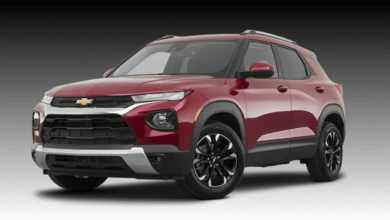
The 2026 Chevrolet Trailblazer Review lands at a point where this subcompact SUV needs little introduction. Chevrolet’s small SUV lineup has spent several years building a simple pitch around this model: strong cargo flexibility, a choice of efficient turbocharged three cylinder engines, available all wheel drive, and pricing that stays accessible in a segment that keeps creeping upward. The 2026 model does not rewrite that formula. It refines it with new colors, a Midnight Edition appearance package, and a few small equipment tweaks, while carrying forward the substantially updated vehicle Chevrolet introduced for 2024.
That continuity is not a weakness. The Trailblazer’s core strengths, a genuinely practical interior for its footprint, a fold flat front passenger seat that solves problems most small SUVs ignore, and a technology suite that feels generous for the price, remain fully intact. So do its known compromises. This review covers what the 2026 Trailblazer offers, how it compares to the 2025 model and its older siblings, how it stacks up against its closest rivals, and whether buying new makes more sense than shopping the used market.
Pros
- Excellent cargo flexibility for a subcompact SUV
- Large standard touchscreen and digital driver information display
- Available all-wheel drive with the stronger 1.3-liter engine
- Fold-flat front passenger seat adds unusual practicality
- Good range of standard technology for the price
Cons
- Both engines deliver modest acceleration
- The base 1.2-liter engine can feel strained on the highway
- Ride can feel firm over rough pavement
- Cabin noise becomes noticeable at highway speeds
- Some advanced driver-assistance features are optional rather than standard
What’s New for 2026
- White Sands and Apex Red join the exterior color lineup
- Crimson Metallic and Nitro Yellow Metallic are dropped
- New Midnight Edition appearance package becomes available on the LT
- Tire inflation kit becomes standard
- Spare tire and wheel become optional
Our Take
The 2026 Chevrolet Trailblazer makes the most sense for buyers who value practicality, technology, and available all-wheel drive more than outright performance or premium refinement. Its compact dimensions make it easy to live with in everyday driving, while the flexible cargo area and fold-flat front passenger seat give it a level of usefulness that is easy to appreciate once you start using the vehicle regularly.
The 1.3-liter engine is the better choice for frequent highway driving, while the LT stands out as the trim that offers the strongest balance of price and equipment. The Trailblazer is not the quickest or most refined SUV in its class, but its combination of versatility, features, and accessible pricing makes it a well-rounded choice for buyers who know what they need from a small SUV.
Where the Trailblazer Fits in Chevrolet’s Lineup
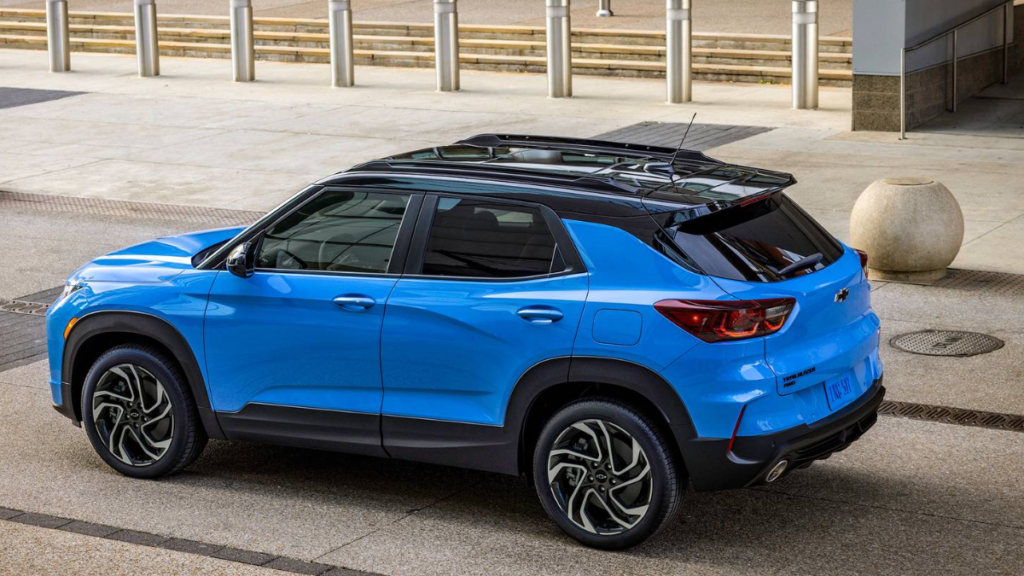
Chevrolet sells two small SUVs that shoppers frequently cross reference against each other, the Trailblazer and the Trax. They are not simply larger and smaller versions of the same vehicle. The Trax is actually longer in some exterior dimensions, but Chevrolet built it around a single engine and front wheel drive only. The Trailblazer instead offers a tiered powertrain lineup, including the option of all wheel drive, along with a different mix of standard technology and available convenience equipment. Shoppers should think of the two as siblings with different priorities rather than assume one simply outranks the other in size or capability.
That distinction matters because a fair number of buyers cross shop these two models purely on price, without realizing the Trailblazer’s available all wheel drive and stronger optional engine represent real functional advantages for certain driving situations, particularly in regions with real winters.
Engine Choices and What They Mean in Practice
Chevrolet offers two turbocharged three cylinder engines for the 2026 Trailblazer, and the difference between them matters more in real world driving than the horsepower numbers alone suggest. The base 1.2 liter engine produces 137 horsepower and 162 pound feet of torque, paired exclusively with a continuously variable transmission and front wheel drive. The 1.3 liter engine steps up to 155 horsepower and 174 pound feet of torque. It can be paired with front wheel drive and the CVT, and it is also the only engine offered with all wheel drive, in which case it works through a nine speed automatic transmission instead of the CVT.
The practical distinction between these two engines shows up most clearly during highway merges and whenever the SUV is carrying passengers, cargo, or both. The 1.2 liter feels adequate around town, where its power delivery matches the pace of city traffic reasonably well, but it works audibly harder as speeds climb and can feel strained when merging onto faster roads with a full cabin. The 1.3 liter, particularly when matched with the nine speed automatic in an all wheel drive configuration, delivers smoother, more confident acceleration and feels noticeably less strained on grades or during passing maneuvers.
Neither engine is quick in any objective sense. Chevrolet did not engineer this SUV around performance, and buyers cross shopping something sportier, even within the subcompact SUV class, will come away disappointed. What both engines deliver instead is predictable, unremarkable behavior that suits commuting, errands, and the kind of daily driving most Trailblazer owners actually do.
2026 Chevrolet Trailblazer Review: Engine and Driving Experience
Ride and handling reflect the same set of priorities that shape the powertrain lineup. The suspension is tuned firmer than some rivals, which keeps body motions in check through corners and gives the Trailblazer a reasonably composed, planted feel when changing direction. The tradeoff is that it transmits more impact harshness over rough pavement than something like a Honda HR V or Mazda CX 30, both of which prioritize a softer, more absorbent ride at some cost to body control. Road and wind noise become noticeable at highway speeds as well, a natural consequence of keeping the price down through lighter sound insulation and a more basic structure.
Three drive modes are available on the Trailblazer, typically Normal and Sport, with an additional all wheel drive specific mode on equipped models that adjusts throttle response and torque distribution slightly for slippery conditions. None of these modes dramatically change the character of the vehicle, and shoppers should not expect Sport mode to transform the driving experience the way it might in a vehicle with more power to work with.
Fuel economy varies meaningfully by configuration, and this is one of the more useful decision points for real world shopping. The 1.2 liter with front wheel drive is rated at 30 mpg city, 31 highway, and 30 combined. The 1.3 liter with front wheel drive is rated at 29 city, 33 highway, and 31 combined, slightly ahead of the smaller engine on the highway cycle.
These are the EPA figures for each configuration as tested, and buyers should treat them as ratings tied to the specific engine and drivetrain pairing rather than assume a simple rule about power and efficiency. Choosing all wheel drive with the 1.3 liter brings those numbers down to 26 city, 29 highway, and 27 combined, the expected tradeoff for the added mechanical hardware and traction.
All wheel drive is available across the entire Trailblazer lineup rather than being restricted to specific trims, and selecting it always brings the 1.3 liter engine and nine speed automatic together as a package. It is genuinely useful for buyers who regularly face snow, ice, or slick rural roads, since it improves traction from a stop and helps stability in slippery conditions in a way front wheel drive alone cannot match.
That said, it should not be mistaken for serious off road hardware. There is no low range gearing, ground clearance remains modest, and the system is tuned for on road slip mitigation rather than trail crawling. The ACTIV trim adds visual off road cues, roof rails, and light duty underbody protection, which positions it as an adventure styled trim suited to gravel roads, dirt driveways, and light trail use rather than genuine off road capability. Maximum towing capacity across the lineup tops out at 1,000 pounds when properly equipped, enough for a small utility trailer or a couple of kayaks on a trailer, but nothing approaching what a body on frame SUV or truck could handle.
Interior, Technology, and Everyday Comfort
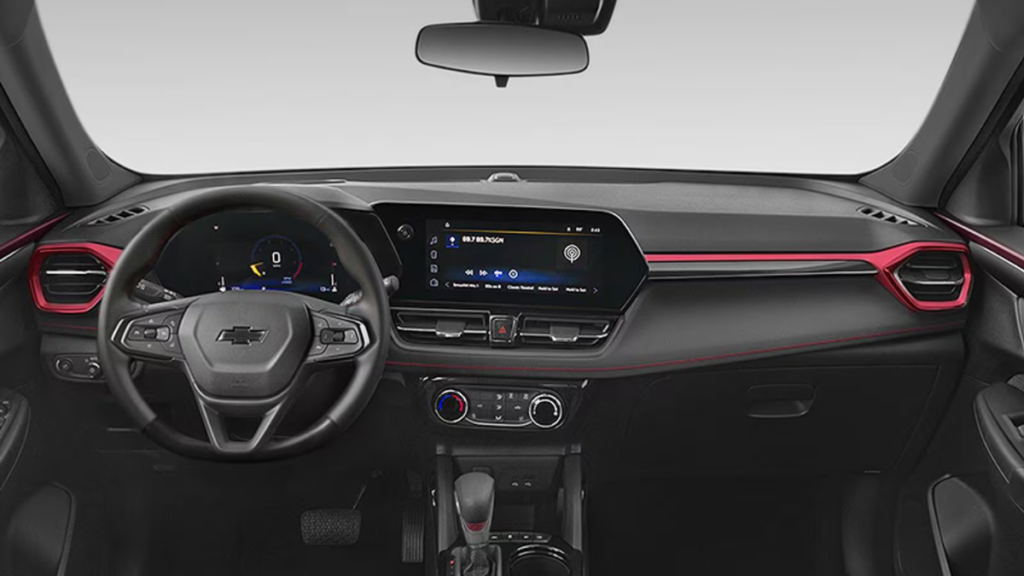
Every 2026 Trailblazer comes standard with an 11 inch center touchscreen and an 8 inch digital Driver Information Center, both introduced with the 2024 refresh and both still part of the standard equipment two model years later. Wireless Apple CarPlay and Android Auto are standard across the lineup, and Chevrolet leans on smartphone integration rather than a built in navigation system, meaning most owners will rely on their phone’s own mapping app for turn by turn directions. Wireless charging is available depending on trim and equipment selection.
Material quality is where the Trailblazer shows its price point most directly, and it is worth being candid about this rather than glossing over it. Hard, budget grade plastics cover much of the lower dash, door panels, and center console, a compromise Chevrolet made deliberately to keep the starting price competitive against rivals that often cost more once comparably equipped. Higher trims soften that impression considerably.
ACTIV and RS models add heated front seats as standard equipment, while heated front seats are available on the LT through an optional package. ACTIV and RS also layer in Evotex synthetic leather seating along with an eight-way power driver’s seat, upgrades that noticeably improve the perceived quality of the cabin even though the underlying dashboard architecture and switchgear carry across every trim level.
Front seat comfort is generally good for the class, helped by the Trailblazer’s tall roofline, which yields solid headroom even for taller drivers and makes the cabin feel more open than the exterior dimensions might suggest. Visibility out of the front and sides benefits from that same tall greenhouse, a genuine everyday convenience in parking lots and tight urban streets. Rear seat space is more modest, with approximately 39.0 inches of rear legroom,
workable for adults on shorter trips but noticeably tighter than what compact SUV shoppers, or even some rivals within the subcompact class, might expect. Families with growing children or anyone who regularly carries adult passengers in the back seat should sit in the rear seat personally before buying, since this is the area where the Trailblazer’s compact footprint is felt most directly.
Cargo Space and Practicality
This is where the Trailblazer genuinely separates itself from most subcompact rivals, and it deserves a closer look than a simple recitation of cubic footage. Behind the rear seats, owners get 25.3 cubic feet of cargo volume, expanding to 54.4 cubic feet with the rear seats folded flat, figures that hold their own even against some vehicles a size class larger. The standout feature is the front passenger seat, which folds flat rather than merely reclining, creating a pass through capable of accommodating items up to roughly 8.5 feet long. Think lumber for a home project, a kayak, or flat pack furniture that would otherwise demand a roof rack or a larger vehicle entirely. Few vehicles at this price point offer that kind of flexibility, and it is a feature that owners who actually use their vehicles for errands and projects will appreciate more than most spec sheet numbers convey.
Overall dimensions help explain how Chevrolet pulls this off. The Trailblazer measures 174.1 inches long on a 104 inch wheelbase, with a width of 71.2 inches, proportions that favor interior volume over outright road presence. Height varies somewhat by configuration, generally falling between about 64 and 66 inches depending on trim and any roof mounted equipment, another reason the cabin feels taller and airier than the overall footprint suggests.
Safety and Driver Assistance
Chevrolet Safety Assist comes standard across every 2026 Trailblazer trim, bundling Forward Collision Alert, Automatic Emergency Braking, Front Pedestrian Braking, Lane Keep Assist with Lane Departure Warning, a Following Distance Indicator, and IntelliBeam automatic high beams. A high definition rear vision camera, ten airbags, Teen Driver, and Rear Seat Reminder are also part of the standard safety package, giving every trim, including the base LS, a reasonably comprehensive baseline of protection and driver assistance. Depending on trim, buyers can add Adaptive Cruise Control, Lane Change Alert with Side Blind Zone Alert, Rear Cross Traffic Alert, and Rear Park Assist, none of which come standard across the board and all of which are worth checking for on any specific vehicle before assuming they are included.
Current IIHS testing results are genuinely mixed, and a fair review should present them honestly rather than either downplaying or exaggerating them. The Trailblazer earns Good ratings in the small overlap front and updated side impact tests, along with an Acceptable rating for LATCH ease of use. Headlight performance is Acceptable on LS and LT models but Poor on ACTIV and RS models, reflecting meaningful differences by trim and equipment. On the other hand, vehicle to vehicle front crash prevention comes back Poor,
and pedestrian front crash prevention rates Marginal, both weaker results than many competitors post in the same tests. The Trailblazer has not earned an IIHS Top Safety Pick award, and shoppers who prioritize the most advanced crash avoidance performance in the segment should weigh this honestly rather than assume the Trailblazer ranks among the class leaders in that specific area, even though its passive crash protection scores are strong.
On reliability, J.D. Power’s current data shows an overall consumer rating of 86 out of 100, with a Quality and Reliability score of 88, Driving Experience at 84, Resale at 84, and Dealership Experience at 84. It currently lists among the higher rated vehicles in the small SUV segment on that particular data set. That said, these figures reflect owner satisfaction and short term quality perception gathered from surveys rather than long term mechanical durability data, and they should be read as one useful input among several rather than a guarantee that any individual vehicle will remain trouble free over a full ownership period.
2026 Chevrolet Trailblazer Review: Trim Levels and Pricing
Chevrolet lists the 2026 Trailblazer with a starting MSRP of $23,300 before destination freight, taxes, title, license, dealer fees, or optional equipment. Once the $1,795 destination charge is added, the effective starting price for the base LS trim comes to $25,095. These two figures are not contradictory. One reflects the advertised base MSRP that manufacturers typically lead with in marketing, and the other reflects what a buyer will actually see on a window sticker before local taxes and any dealer specific fees.
Moving up the lineup, the LT starts at approximately $26,295 including destination, while both the ACTIV and RS trims land at approximately $29,695 including destination. Cruise control and keyless push button start are standard equipment across the entire 2026 lineup, including the base LS, rather than being reserved for higher trims, a detail worth knowing since it was not always the case in earlier model years before the 2024 refresh standardized more equipment across the range.
The LS provides genuine value as an entry point rather than feeling like a stripped down placeholder trim. It includes Chevrolet Safety Assist, the 11 inch touchscreen, and the 8 inch digital cluster from the start, along with standard cruise control and push button start. The LT builds on that foundation with added convenience and appearance content while keeping the core value proposition intact,
which is why it tends to be the volume seller and the trim most cross shopped against rivals from Hyundai, Kia, and Honda. For 2026, the LT also gains access to the new Midnight Edition package, which adds high gloss black mirror caps, a blacked out grille bar, black Chevrolet bowtie badges, 18 inch black wheels, and black roof rails, giving buyers who want an aggressive blacked out look a way to get it without stepping up to ACTIV or RS pricing.
The ACTIV adds its adventure styled visual package, roof rails, and additional standard equipment aimed at buyers who want rugged looks and a bit of light off pavement character, without pretending to compete with genuine off road vehicles. The RS offers its own distinct exterior styling, unique wheels available up to 19 inches, and interior trim for buyers who prefer a sportier aesthetic over the ACTIV’s rugged one. The RS should be understood as an appearance focused trim rather than a performance upgrade. Its mechanical hardware, suspension tuning, and available engines match the rest of the lineup exactly.
Which Trim Should You Buy?
For most shoppers, the LT represents the strongest overall value in the range, keeping the low cost of entry while adding meaningful convenience and styling content. The new Midnight Edition option means buyers chasing a blacked out look no longer need to spend ACTIV or RS money to get it, which makes the LT the trim most worth cross shopping seriously against rivals.
The 1.3 liter engine earns its keep for anyone who spends significant time on the highway, regularly carries passengers, or hauls cargo on a routine basis, since the added torque and smoother nine speed automatic noticeably ease that kind of driving compared with the base engine. Buyers who mostly drive around town on flat, dry roads with a light load may find the 1.2 liter perfectly sufficient and appreciate its slightly lower price.
All wheel drive makes the most sense for buyers who deal with snow, ice, or slick rural roads on a regular basis, and less sense for those who mostly drive on dry pavement and want to maximize fuel economy and minimize cost. ACTIV suits buyers drawn to its rugged styling and light off pavement character, while RS suits those who prefer its sportier looks and unique trim details. Both should be understood as style oriented choices rather than capability upgrades, since neither meaningfully changes what the vehicle can actually do off road or on a track.
2026 Chevrolet Trailblazer Review: 2026 Compared With 2025
Cross shopping the 2026 against a leftover or lightly used 2025 model comes down largely to which specific updates matter to an individual buyer, since the two model years share identical engines, transmissions, interior layout, core technology, and safety equipment. The 2026 model adds White Sands and Apex Red paint colors, drops Crimson Metallic and Nitro Yellow Metallic from the palette, introduces the Midnight Edition appearance package on the LT, and adds a standard tire inflation kit, while the spare tire and wheel that were standard on the 2025 model become optional for 2026.
Beyond those specific changes, the two vehicles are functionally very similar. If a well priced 2025 Trailblazer is available and none of the 2026 specific additions particularly matter to a given buyer, it can represent very similar ownership value, often at a lower price than a comparable new 2026. The 2026 model tends to make the most sense for buyers who specifically want the newest colors, the Midnight Edition look, or simply prefer the psychological and resale advantages of buying the current model year rather than a year old design.
The Bigger Picture: 2023 Through 2026
Understanding what actually changed across recent model years, and what did not, is genuinely useful for anyone weighing a new 2026 Trailblazer against a used example from the past few years, since the differences are far from uniform across that span.
The 2023 Trailblazer belongs to the same generation, which began for the 2021 model year, but it predates the major update that reshaped the vehicle two years later. Its engines carried the same fundamental outputs buyers get today, 137 horsepower from the 1.2 liter and 155 horsepower from the 1.3 liter, so the driving character and fuel economy story are broadly similar to what a 2026 buyer experiences.
Where the 2023 model clearly shows its age is inside the cabin. It used a smaller standard touchscreen and an older, more basic instrument display rather than the digital cluster that arrived later, giving the interior a noticeably less modern feel than anything from 2024 onward. None of this makes the 2023 model a poor SUV. It simply represents an earlier stage of the same vehicle’s development, and buyers comfortable with a smaller screen and analog style gauges can find real savings shopping that model year.
The 2024 model year delivered the genuine transformation that defines the Trailblazer buyers see today. Chevrolet introduced the 11 inch touchscreen and 8 inch digital cluster that remain standard now, along with a revised front fascia and exterior lighting, updated grille and wheel designs, wheels available up to 19 inches on RS, and new colors including Cacti Green and Copper Harbor Metallic. Just as importantly, standard equipment expanded meaningfully that year,
with push button start and cruise control becoming standard across every trim rather than being reserved for higher grades. Heated front seats became standard on LT, ACTIV, and RS, and Chevrolet added the three available drive modes along with a high definition rear camera. This was the single model year that did more to modernize the ownership experience than any other update in this generation, and it is the dividing line used car shoppers should pay closest attention to.
2025 followed as a comparatively quiet year, with Marina Blue Metallic added to the color palette and E85 compatibility introduced for the 1.2 liter engine in applicable configurations, though not across every engine choice or trim level. Horsepower and torque figures held completely steady from 2024. 2026 continues that same pattern of incremental refinement rather than reinvention, with its own modest additions of new colors, the Midnight Edition package, and the standard tire inflation kit covered earlier in this review.
For a used car shopper weighing these years against each other, the practical guidance is fairly clear cut. A 2024 model is particularly attractive on the used market because it introduced the major refresh, meaning a buyer gets the modern touchscreen, digital cluster, expanded standard equipment,
and updated styling at a price that typically undercuts a new 2026 by a meaningful margin. A 2025 model offers nearly the same vehicle as 2026 in every respect that actually affects daily driving, and it is worth pursuing seriously when priced meaningfully below a comparable new example. A 2023 model can still make sense for particularly budget conscious buyers when the price gap is large enough to justify living with the smaller screen and analog gauges that predate the refresh, especially since the fundamental mechanical experience is not drastically different from later years.
How the Trailblazer Stacks Up Against Rivals
The subcompact SUV segment is unusually crowded, and the Trailblazer’s specific advantages become clearer once placed alongside its closest competitors rather than considered in isolation.
Against the Mazda CX 30, the Trailblazer counters with better cargo flexibility and available all wheel drive paired with the stronger 1.3 liter engine, while the Mazda answers with a noticeably more refined interior and a more engaging driving character that rewards enthusiast minded buyers willing to pay a bit more for it. The Subaru Crosstrek brings a stronger outdoor oriented reputation built over many years, along with its own well regarded all wheel drive system and an emphasis on adventure and utility that the Trailblazer’s ACTIV trim gestures toward but does not fully match in actual capability.
Chevrolet’s own Trax sits alongside the Trailblazer in the brand’s small SUV lineup, offering a lower starting price and broadly similar everyday practicality, but it skips all wheel drive entirely, a real consideration for anyone who values that flexibility even occasionally. The Hyundai Kona brings strong technology and multiple powertrain choices depending on configuration, making it a close alternative for buyers who prioritize cabin tech and equipment variety. The Kia Seltos pairs good interior space with strong practicality and its own available all wheel drive system, positioning it as perhaps the closest direct rival to the Trailblazer’s overall value proposition. The Honda HR-V counters with a comfortable, familiar driving experience and strong everyday usability, appealing to buyers who prioritize refinement over outright cargo capacity. The Volkswagen Taos offers competitive interior space and a more composed highway character, generally at a modest price premium over the Trailblazer.
No single competitor wins across every category that matters to buyers, and the right choice ultimately depends on which priorities rank highest for a given household, whether that is cargo flexibility, all wheel drive availability, interior refinement, driving engagement, or simply the lowest possible price for a competent small SUV.
2026 Chevrolet Trailblazer Review: Final Verdict
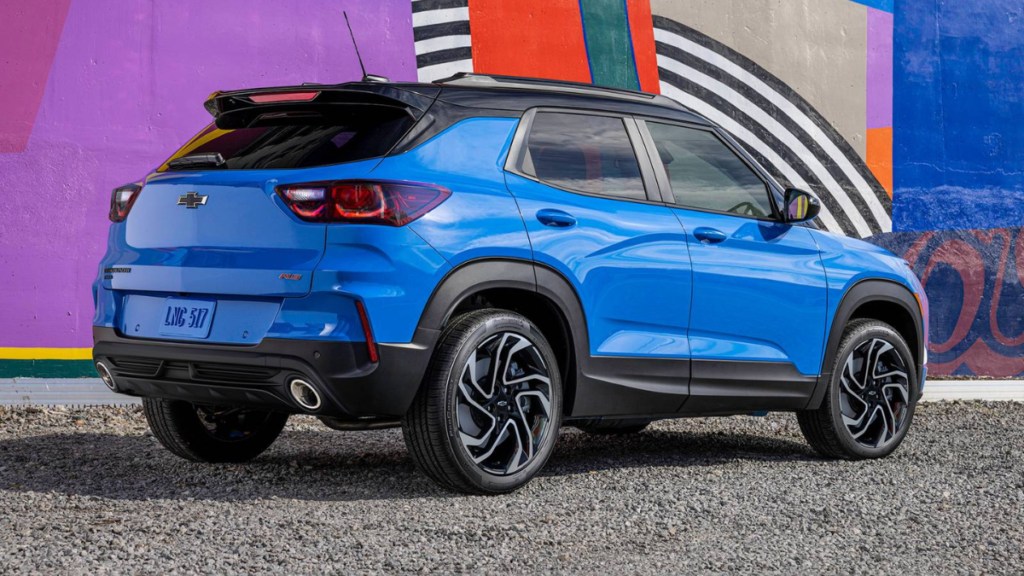
The 2026 Chevrolet Trailblazer is not a dramatic step forward, and Chevrolet never positioned it as one. It is a mature continuation of the significant work done for the 2024 model year, adding new colors and an appearance package while leaving the fundamentals that actually matter to owners untouched.
Those fundamentals remain genuinely competitive within the subcompact SUV class: excellent cargo flexibility relative to the vehicle’s footprint, a well equipped technology suite that includes a large touchscreen and digital gauge cluster on every trim, available all wheel drive tied to the stronger 1.3 liter engine, and pricing that stays accessible even as the broader segment trends upward.
The tradeoffs deserve equal and honest weight. Modest acceleration from both engines, a firm ride over rough pavement, noticeable cabin noise at highway speeds, budget grade interior materials on lower trims, and mixed IIHS crash prevention scores all factor into a fair purchase decision. None of these compromises are dealbreakers on their own, and most buyers who understand what the Trailblazer is built to do will find them acceptable, but they should be weighed honestly against the vehicle’s practical strengths rather than assumed away simply because of an attractive starting price.
For buyers who value genuine cargo hauling flexibility, strong technology for the money, and available traction in poor weather, the 2026 Trailblazer remains one of the more sensible choices in the subcompact SUV class, particularly for anyone also willing to consider a well priced 2024 or 2025 model to stretch their budget further. Buyers chasing outright refinement, quickness, or class leading crash avoidance scores will find stronger options elsewhere in the segment, and should shop accordingly rather than expecting the Trailblazer to compete on those specific terms.
FAQ
2026 Chevrolet Trailblazer Review: Is the Trailblazer a Good SUV for Families?
It works well for smaller families or those who prioritize cargo space over maximum rear seat legroom. The 39.0 inches of rear legroom is adequate rather than generous, and taller children or adults may find the back seat tighter than in some competitors. However, 25.3 cubic feet of cargo space, expanding to 54.4 cubic feet with the seats folded, along with the fold flat front passenger seat, make it easier to haul strollers, sports equipment, or larger purchases than most vehicles this size manage. Families needing three rows of seating or maximum rear seat comfort for growing teenagers should look at a larger SUV instead, but for a household with one or two smaller children and a need for cargo flexibility, the Trailblazer covers the basics well.
2026 Chevrolet Trailblazer Review: Which Trailblazer Trim Should You Buy?
The LT offers the strongest overall value for most buyers, combining a low starting price with useful convenience and styling upgrades, plus access to the new Midnight Edition package for 2026. Buyers who frequently drive on the highway or regularly carry heavier loads should consider stepping up to the 1.3 liter engine, and those in snowy or slippery climates should strongly consider adding all wheel drive regardless of which trim they choose. ACTIV and RS are worth considering primarily for buyers drawn specifically to their styling, since neither delivers meaningfully different mechanical performance from the rest of the lineup.
Is all wheel drive available on every 2026 Trailblazer trim?
Yes. All wheel drive is available across the lineup rather than being limited to specific trims. Choosing it requires the 1.3 liter turbocharged engine, which pairs with a nine speed automatic transmission instead of the CVT used on front wheel drive models.
Which engine gets the best fuel economy?
The 1.2 liter front wheel drive configuration is rated at 30 mpg city, 31 highway, and 30 combined. The 1.3 liter front wheel drive is rated at 29 city, 33 highway, and 31 combined, slightly better on the highway cycle. Choosing all wheel drive with the 1.3 liter drops combined efficiency to 27 mpg, the tradeoff for the added traction.
How much cargo space does the Trailblazer have?
There is 25.3 cubic feet of cargo space behind the rear seats and 54.4 cubic feet with them folded flat. The front passenger seat also folds flat, allowing cargo up to approximately 8.5 feet long, a useful feature for hauling oversized items that most competitors in this class cannot match.