The 2023 Kia XCeed occupies awkward automotive territory. It’s not quite an SUV, not quite a hatchback, yet Kia has made it work. Based on the Ceed hatchback but raised 44mm with sportier styling, the XCeed fills a gap between family cars and true crossovers.
Why build it? Sales speak louder than logic. The XCeed accounts for a substantial chunk of Ceed family sales in the UK alone.
The 2023 refresh sharpened the design. LED headlights with integrated air curtains, a glossy-black grille, and fresh taillights give the XCeed a more premium appearance. It looks contemporary alongside the Skoda Kamiq and VW T-Roc.
Powerplant changes matter more. The older XCeed offered turbocharged petrols from 1.0 to 1.5 liters, diesels, and a plug-in hybrid. For 2023, Kia simplified to just two engines: the 1.5-liter T-GDI petrol (158 hp) and the PHEV. The petrol suits most buyers, though a critical question remains: is the Kia XCeed worth paying more than the standard Ceed hatchback for raised ride height and styling?
2023 Kia XCeed: Our Opinion
The XCeed isn’t a game-changer. What it delivers is a credible, well-rounded driving experience with styling that feels more exciting than a standard hatchback.
You’re paying a premium for psychological benefits. A higher seating position. Visual differentiation. Better visibility. These aren’t inherently wrong factors, but they do cost money. If those elements matter to you, the Kia XCeed justifies the extra spend.
The driving experience is competent. The engine pulls keenly from low revs, the manual gearbox is precise, and body roll is controlled. This isn’t a sports car, but it handles better than expected for a crossover at this price.
Where the Kia XCeed truly excels is everyday usability. The cabin layout is straightforward. The infotainment system works intuitively. The driving position is excellent. Storage solutions feel thoughtful. These fundamentals rarely appear in review headlines, but they matter immensely when living with a car daily.
Pros and Cons
Pros
- Strong driving position and excellent all-round visibility
- Intuitive infotainment system with Apple CarPlay and Android Auto standard
- Competent handling with well-balanced suspension for a crossover
- Light, responsive steering
- Practical boot space at 426 liters
- Seven-year/100,000-mile warranty demonstrates confidence in build quality
- Reasonable real-world fuel economy for a non-hybrid petrol engine
- Contemporary styling that ages well
Cons
- Engine needs working to deliver motorway performance, leading to worse fuel economy at sustained speeds
- Rear headroom disappointing for taller passengers
- Doesn’t outperform the cheaper Ceed hatchback on practicality
- Higher driving position and weight penalty hurt efficiency compared to the base car
- Hybrid option would broaden appeal but isn’t offered
- Residual values slightly weaker than some competitors
- Cabin materials feel their age despite recent updates
What’s New in the 2023 Kia XCeed
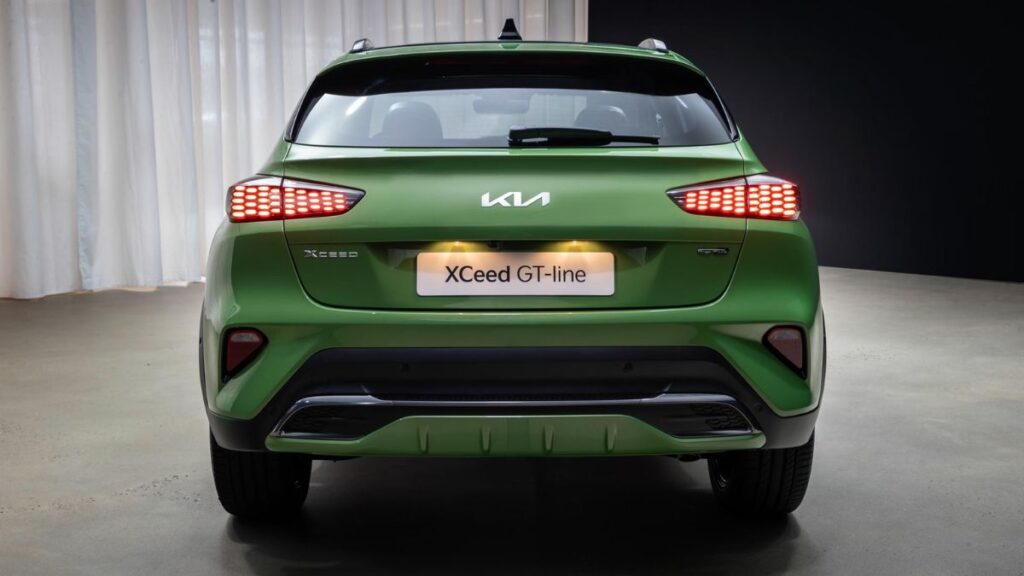
The 2023 refresh prioritizes visual freshness. LED headlights with integrated air curtains now come standard, reducing drag aerodynamically. The grille received a sharper black gloss finish with satin chrome accents. The front bumper was reshaped with a new air intake design.
At the rear, the diffuser gained a gloss black skid plate and “exhaust-look” styling touch. These changes give the Kia XCeed a sportier stance than before.
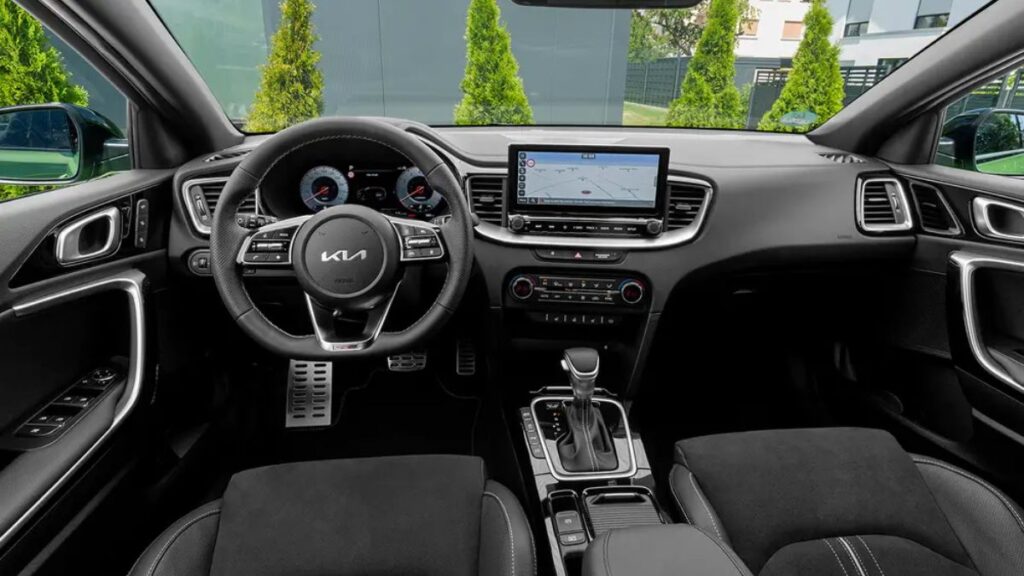
Inside, the instrument panel got new touch-sensitive controls. The 10.25-inch touchscreen now appears standard across higher trims, up from an optional 8.0-inch unit. New GT-Line and GT-Line S trims introduce more differentiation. The top GT-Line S adds a 12.3-inch digital instrument cluster.
Engine changes were significant. The 1.0-liter petrol and diesel variants departed. You’re now choosing between the 1.5-liter T-GDI petrol or the 1.6-liter PHEV. Neither is revolutionary, but both carry proven reliability data. Kia’s seven-year warranty backs this confidence.
2023 Kia XCeed Exterior Design
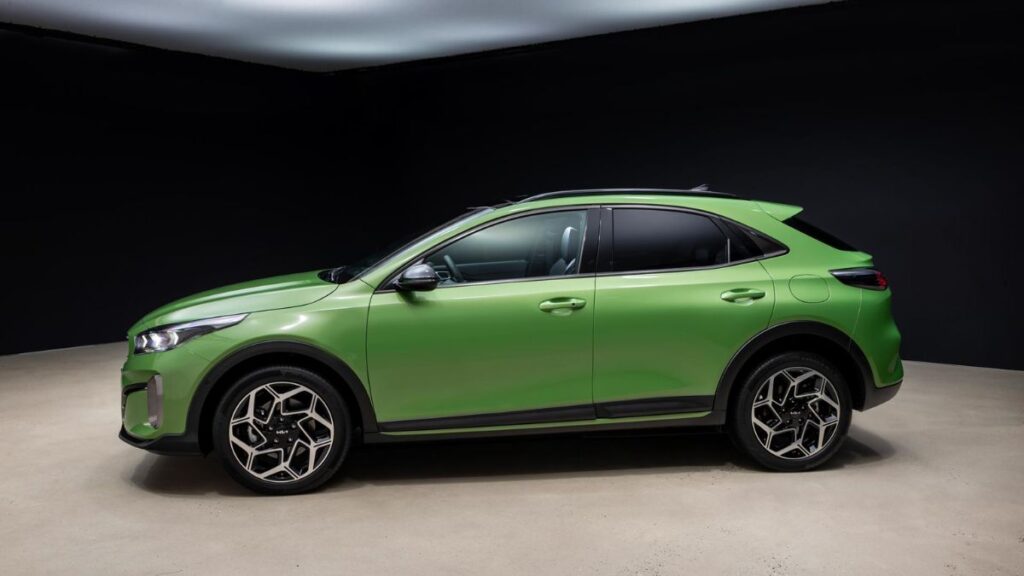
The updated design presents a more coherent statement. The proportions work. The long bonnet flowing into the A-pillars creates a sporty sweep. The front overhang extends 25mm further than the standard Ceed hatchback, stretching the profile intentionally.
Plastic wheel arch cladding and protective side molding frame the body effectively. Rather than looking cheap, the cladding reinforces the crossover narrative. The chunky roof rails complete the visual package.
The new grille is a genuine improvement. The glossy black finish feels more premium than earlier reflective alternatives. Satin chrome wing-shaped accents add sophistication without overreaching.
Wheel options matter significantly. The GT-Line’s dedicated 18-inch wheels with twin-spoke design look confident. Spec the right color (that Spirit Green is genuinely stunning) and suitable trim level, and the Kia XCeed generates genuine second looks. On smaller wheels or less flattering colors, it reads as ordinary.
2023 Kia XCeed Driving Experience
The 1.5-liter T-GDI delivers 158 horsepower and responds immediately to throttle input. That responsiveness matters in traffic and on twisty roads, where turbocharged petrols often feel sluggish.
The manual gearbox is this engine’s perfect partner. The shift is light but positive, with a short throw and well-defined gate. The clutch bites predictably. This is the kind of gearbox that manual enthusiasts appreciate, rare at this price point.
Where this engine struggles is sustained motorway driving. Push it hard at 70 mph and you’ll feel it working. Peak power hits at 5,500 rpm, meaning motorway overtaking requires more revving than rivals. Real-world owners report needing to work the gearbox consistently, which explains the fuel consumption drop on motorways.
The steering is light and responsive with excellent feedback. Body roll through corners stays controlled. The suspension absorbs motorway joints and potholes with composure. On rougher surfaces with 18-inch wheels, there’s occasional jarring over expansion joints, but nothing dangerous. This car feels connected to the road without being harsh.
2023 Kia XCeed Performance and Acceleration
Zero to 60 mph arrives in 8.6 seconds with the manual gearbox. With the automatic DCT, expect 8.9 seconds. These times are respectable for a petrol crossover at this price.
The real story is that power delivery feels responsive from the start. The turbo ensures reaction time doesn’t drag. You won’t feel desperate for more power under normal driving.
Peak torque at 253 Newton-meters hits at just 1,500 rpm, which earns the Kia XCeed its practical appeal. You can pull away cleanly from standstill without needing to rev it. Highway cruising at 60 mph sits around 2,500 rpm in sixth gear.
The limitation is fuel consumption. Drivers who push this engine hard see economy dip significantly. Expect mid-40s on secondary roads, high-30s on motorways. That’s honest consumption, not exceptional. Hybrid rivals easily exceed 50 mpg without effort.
2023 Kia XCeed Ride Comfort and Cabin
The raised ride height justifies itself through visibility. You genuinely see over traffic. The windscreen is steeply raked. The side windows are substantial. Your eye-line placement provides genuine awareness that matters in urban congestion.
The suspension prioritizes comfort. There’s no harshness, no jolting. It absorbs speedbumps and road imperfections with sophistication. Motorway driving generates minimal noise or vibration. Everything about the driving position encourages relaxation.
The front seats are the real achievement. They offer excellent support with multiple adjustments. The cushioning is firm but not hard. The bolstering prevents lateral movement without feeling restrictive. After six hours, you’ll arrive unstiff.
Rear seat comfort tells a different story. Adults find adequate knee room, but headroom is tight if you exceed six feet in height. The backrest is upright and firm. The cushioning is thinner than the front. This isn’t a car designed around rear passenger luxury. It’s acceptable for short journeys, uncomfortable for tall passengers on longer drives.
2023 Kia XCeed Interior Design and Comfort
The dashboard layout makes immediate sense. Controls cluster logically. The infotainment screen sits at a natural angle. After 20 minutes, you’ll know where everything is.
Material choices reflect the price point. Hard plastics dominate, but they’re dense and properly finished. There’s no creaking. The gloss-black PRND surround adds visual sophistication. Soft-touch surfaces on the steering wheel provide tactile quality where it matters.
Climate control is straightforward. The air conditioning reaches comfortable temperatures quickly. The heater generates serious warmth. The ventilation responds promptly.
Storage solutions are genuinely thoughtful. Door bins swallow bottles and documents. Cupholders are substantial and logically positioned. The central cubby accommodates modest items. Wireless phone charging appears on higher trims.
Rear passengers get less attention. The back seat has decent door pockets but fewer storage cubbies. That’s acceptable given the car’s positioning.
2023 Kia XCeed Technology and Infotainment
The 10.25-inch touchscreen is straightforward. Apple CarPlay and Android Auto come standard, functioning wirelessly on higher trims. Menu navigation isn’t plagued with delays. The system is one of the better units in the class for actual usability.
Audio quality depends on trim level. Base models use a six-speaker system. The JBL Premium Sound System on GT-Line trims generates impressive depth with eight speakers. This isn’t high-end audio, but it’s a meaningful step above typical crossover sound systems.
Bluetooth pairs reliably and handles two devices simultaneously. Voice control works adequately for calling and navigation. Kia Connect provides remote locking via smartphone, which offers genuine peace of mind.
The real limitation is the aging architecture. Nothing is wrong by absolute standards, but you’ll notice the difference if you’ve driven something on a newer platform.
2023 Kia XCeed Fuel Consumption
The official combined figure of 46.3 mpg assumes careful driving. Real-world consumption typically settles around 42 mpg with moderate inputs. Respectable for a turbocharged petrol without hybrid assistance.
Motorway driving at 70 mph sees the Kia XCeed’s economy dip toward the mid-to-high 30s. Around town and secondary roads, expect mid-to-high 40s. Hybrid rivals easily exceed 50 mpg.
CO2 emissions of 137-142 grams per kilometer fall in the middle of the crossover range. The 50-liter fuel tank provides legitimate range between fill-ups.
2023 Kia XCeed Practicality and Storage
The 426-liter boot is genuinely capacious for a car this size. Two large suitcases and a buggy fit without complex packing. The boot floor is height-adjustable, reducing the load lip and eliminating steps when folding rear seats. With seats down, total capacity reaches 1,378 liters.
Rear legroom suits normal-sized adults on short journeys. Taller passengers will find the space limiting. The backrest doesn’t recline. You’re not getting Skoda Karoq versatility here.
Front storage is thoughtful. Door bins swallow bottles. The center console offers a decent cubby. Cupholders are robust. Roof rails appear on all trims, useful if you need a roof box despite the aerodynamic penalty.
2023 Kia XCeed Safety and Driver Assistance
Euro NCAP awarded a full five-star rating. Automatic emergency braking comes standard. Lane-keeping assistance, traffic-sign recognition, and driver attention monitoring are fitted across the range.
Higher trim levels add blind-spot monitoring and rear cross-traffic alert, genuinely useful for parking. ISOFIX points on outer rear seats facilitate child seat installation.
The real safety asset is visibility. The commanding seating position and excellent glasshouse mean you actually see potential hazards. That matters more than electronic assists in preventing accidents.
2023 Kia XCeed Worthy Competitors
Skoda Kamiq (Most direct rival). Sits in the same niche and genuinely competes. Slightly cheaper. Offers reclining rear seats for more versatility. Feels marginally more upmarket inside. Verdict: If engineering reputation matters more than driving feel, choose Skoda.
Base Kia Ceed hatchback (Real alternative). It’s cheaper, offers more boot space, and doesn’t carry the styling premium. Identical driving experience. Verdict: Smarter if practicality is your only priority.
Mazda CX-30. More premium interior and better driving dynamics. Higher price. Less practical daily use. Verdict: For buyers who prioritize emotional engagement over practicality.
VW T-Roc. Costs more. Feels more premium. Handles with additional feedback. Verdict: For budget buyers who want obvious quality stepping stones.
Toyota Yaris Cross. Undercuts on price. Impressively reliable. Less spacious and less engaging to drive. Verdict: If longevity without drama matters most.
2023 Kia XCeed Key Strengths and Weaknesses
Biggest Strengths
The driving position justifies the entire concept. You sit higher, and that psychological boost is genuine. The infotainment system works intuitively. The manual gearbox is a pleasure compared to roboticized autos infecting this class.
Biggest Weaknesses
This engine demands constant work at motorway speeds, eroding fuel economy. The rear seat compromises taller passengers. Kia crowded its own market, making the XCeed decision more confusing than it needs to be.
2023 Kia XCeed: Which Buyer Should Choose It?
Practical buyers prioritizing value: The base Ceed hatchback wins. More space, lower cost, same driving experience.
Buyers who value raised seating and styling: The XCeed delivers. The extra cost is justified if visibility and distinctive looks matter.
Company car drivers: The plug-in hybrid makes financial sense. Electric range covers most commutes. CO2 emissions create favorable tax treatment.
Conclusion: Is the 2023 Kia XCeed Worth Buying?
Yes, but with reservations. The XCeed is a competent, well-rounded crossover that delivers on its core promises. You get a car that drives well, includes competitive features, and carries an industry-leading warranty.
The reservations are practical. This is an expensive way to buy a Ceed. You’re paying a premium for psychological benefits and styling. That’s defensible if those factors matter. If you’re purely optimizing practicality, the hatchback is smarter.
The petrol powertrain works fine for mixed driving but reveals limitations on sustained motorway speeds. Consider the PHEV if you cover significant distance above 60 mph.
For buyers seeking everyday usability, respectability, and genuine value, the XCeed works. It won’t excite you. It will get you there comfortably with minimal drama. That’s enough.
Frequently Asked Questions
Q: How does the XCeed compare to the standard Ceed hatchback? A: The XCeed sits 44mm higher with sportier styling and a coupe-roofed profile. Practicality is nearly identical, though the XCeed has marginally more boot space. You’re paying for the distinctive looks and higher driving position. If those matter to you, the XCeed justifies the premium. If you prioritize cost and maximum functionality, the hatchback is smarter.
Q: Is the 1.5-liter petrol engine powerful enough? A: It’s adequate for mixed driving and quick enough for normal traffic. Expect to work the gearbox on motorways for smooth overtaking at 70 mph. Real-world fuel economy suffers if you’re constantly pushing the engine. The petrol suits local and regional driving. For heavy motorway use, the plug-in hybrid is worth considering despite the price.
Q: What’s the real-world fuel economy? A: Expect around 42 mpg in normal driving, possibly higher if you drive carefully at lower speeds. Motorway speeds at 70 mph see consumption dip toward the mid-to-high 30s because the engine needs to work harder. It’s honest consumption, not exceptional. Hybrid competitors will genuinely exceed 50 mpg without effort.
Q: Is rear seat space adequate? A: Yes for normal-sized adults on short journeys. Headroom becomes tight if you exceed six feet tall. The backrest doesn’t recline, limiting adaptability for longer drives. Four adults in decent comfort, five at a squeeze. If rear passengers are routinely tall, consider rivals with more thoughtful rear accommodation.
Q: What warranty does Kia provide? A: Seven years or 100,000 miles, whichever comes first. That’s genuinely among the industry’s best and demonstrates confidence in the car’s durability. Service intervals are every 10,000 miles or 12 months, which is reasonable and inexpensive compared to premium brands.