The 2020 Land Rover Defender was absent from American showrooms for 23 years. Long enough for a generation of buyers to grow up knowing the name without ever seeing one on the road. Long enough for the original to become a legend, a relic, a museum piece. When Land Rover finally brought it back for 2020, the pressure was immense. The company had to honor the original’s rugged, go-anywhere soul while making it civilized enough for people who actually spend most of their time on pavement.
The original Defender was built to conquer remote trails. The new one has learned an entirely new skill: surviving rush-hour traffic without exhausting its driver. And somehow, against all odds, it succeeded.
Our Take
The 2020 Land Rover Defender is the most capable off-road vehicle you can buy that still feels like a real car on the highway. It manages to deliver amazing off-road capability without sacrificing a smooth ride. The 110 model, with its 3.0-liter mild-hybrid inline-six, is genuinely quick, reaching 60 mph in around 6.5 seconds. The cabin is spacious and refined, and the design strikes a perfect balance between retro and modern.
But the Defender is not perfect. The brake-by-wire system is touchy and hard to modulate. The six-cylinder engine suffers from some turbo lag. The interior, while well-built, has some cheap plastics in places you would not expect at this price point. And Land Rover’s reputation for reliability, while improved, still gives some buyers pause. The 2020 Defender is a fantastic vehicle, but it is also a complex one. Buy it with your eyes open.
Pros
- Genuinely unstoppable off-road capability
- Comfortable and composed ride on pavement
- Spacious, thoughtfully designed cabin with generous storage
- 395-hp inline-six is quick for a serious off-roader (0-60 in around 6.5 seconds)
- Classic Defender design with modern polish and retro details
- Available in two-door (90) and four-door (110) body styles
Cons
- Brake-by-wire system is touchy and difficult to modulate
- Six-cylinder engine suffers from noticeable turbo lag
- Some interior plastics feel cheap for the price point
- Wide B-pillars restrict over-shoulder visibility
- Spare tire partially obstructs rear visibility
- Options and accessories drive the price up significantly
What’s New for 2020
The 2020 Land Rover Defender is all-new. This is the first Defender sold in America since the original was discontinued in 1997. Nothing carries over from the old model. The new Defender is built on an aluminum unibody chassis called D7x, replacing the old steel ladder-frame. It is available in two-door (90) and four-door (110) body styles. The 90 has a shorter wheelbase and seats up to six with a front-row jump seat. The 110 is longer, more practical, and can seat up to seven with an optional third row.
The Defender comes with full-time four-wheel drive, a two-speed transfer case, and an eight-speed automatic transmission. Air suspension is standard on the 110 and optional on the 90. The drivetrain is a massive leap forward from the old Defender, and the technology inside is modern, with over-the-air updates and a user-friendly infotainment system.
Exterior Design
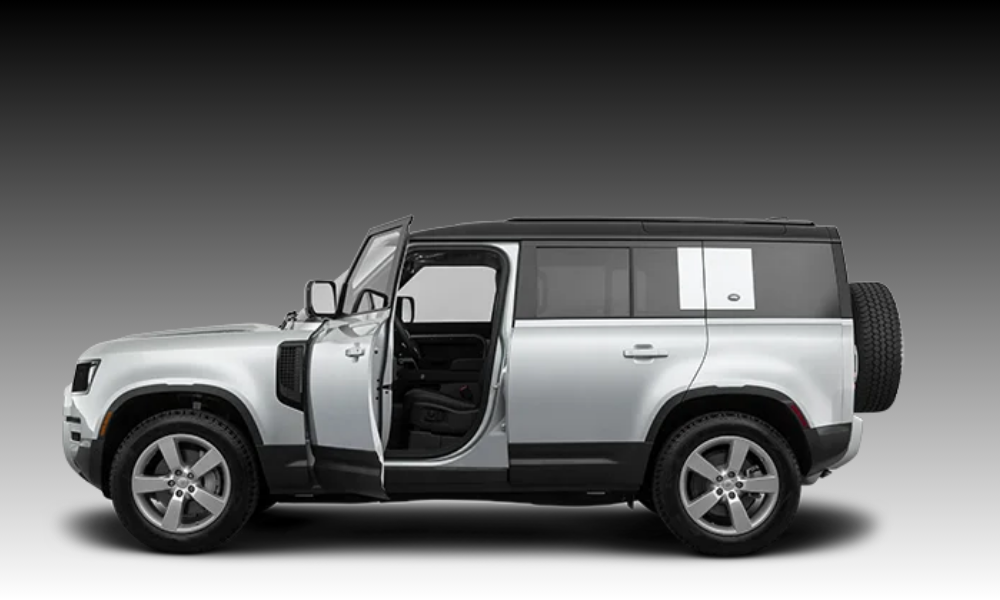
The 2020 Land Rover Defender looks exactly like a Defender should look. It is boxy, purposeful, and instantly recognizable. The design retains a number of styling cues from the original, including the bulge in the transition from the lower to upper body side and the portal windows on the roof’s outer edge.
Compared to the Jeep Wrangler, the Defender looks more polished and refined. Compared to the Mercedes-Benz G-Class, it looks more utilitarian and less flashy. The 90 model is shorter and more playful, while the 110 is longer and more practical. Either way, the Defender commands attention on the road. It does not hide. It does not blend in.
Driving Experience
Behind the wheel, the Defender feels immense. It is tall, wide, and imposing. But it responds well to throttle input and handles with surprising composure. The suspension absorbs bumps and undulations smoothly, leaving you with an impression of the car “breathing” over the road. The seating position provides an excellent view of the trail ahead.
On rough pavement, the Defender remains composed. Broken pavement never unsettles the suspension, and long highway drives remain surprisingly relaxing. The steering feels lighter than most traditional body-on-frame SUVs, which makes it easier to manage in tight city traffic.
Off the pavement, the Defender is almost unstoppable. It is far and beyond the most capable off-roader in its class. The air suspension provides up to 145mm of lift. The wading depth is 900mm. The approach, departure, and breakover angles are exceptional. It handles the roughest terrain with confidence and composure. One thing becomes obvious quickly: this vehicle was built to go anywhere.
Performance and Acceleration
The 2020 Land Rover Defender offers two engine options. The base engine is a turbocharged 2.0-liter four-cylinder producing 296 horsepower and 295 pound-feet of torque. It is adequate for most daily driving, but the real story is the optional engine.
The optional 3.0-liter inline-six is a mild-hybrid with an electric supercharger and a turbocharger. It produces 395 horsepower and 406 pound-feet of torque. This engine propels the 5,700-pound Defender from 0 to 60 mph in around 6.5 seconds. The quarter-mile run was completed in 14.9 seconds at 93.2 mph. For comparison, a Jeep Wrangler Unlimited Sahara with the V6 takes 6.9 seconds to reach 60 mph. A Toyota 4Runner TRD Pro takes 8.0 seconds. The Defender is genuinely quick for a serious off-roader.
Initial throttle response feels slightly delayed before the turbo builds boost. Once the engine is spun up, it pulls hard and never seems to run out of breath. The eight-speed automatic transmission is smooth and refined. On long stretches of dirt roads, it never hunts for the right gear.
Unless maximum fuel economy is your priority, the inline-six is the engine that best matches the Defender’s personality.
Ride Comfort and Cabin Refinement
The 2020 Land Rover Defender rides better than it has any right to. The independent air suspension smoothly controls body heave and roll over bumps and through corners. The ride is really very respectable, even with specialist 20-inch Goodyear Wrangler off-road tires. It clambers a little over bumps, and sharp-edged potholes thump through the frame, but overall the ride is comfortable and composed.
The cabin is quiet and well-insulated. The Defender is good-looking and family-friendly, and as comfortable on the highway as it is on the trail. It is not a luxury SUV in the traditional sense, but it is refined enough for daily driving and long road trips.
Climbing into the cabin requires a bigger step than most crossovers. The square body shape makes placing the vehicle surprisingly easy off road, but the wide B-pillars restrict over-shoulder views. The rear-mounted spare tire limits what you can see behind, though the camera and sensor systems help mitigate the issue.
Interior and Luxury Feel
The interior of the 2020 Land Rover Defender strikes a balance between durability and upscale design, avoiding the overly luxurious feel found in some premium SUVs. The cabin is spacious, with thoughtful storage solutions throughout. The materials are designed to withstand adventure, but they also include upscale touches and numerous luxury features.
The front seats are comfortable and supportive, with heating, cooling, and massage functions available on higher trims. The second row is spacious, with 39.1 inches of legroom. The third row, available on the 110, is tight but usable for children or short trips.
The cargo space is generous. Behind the second row, the 110 offers 34 cubic feet of space. With the second row folded, it expands to 78.8 cubic feet. The 90 model is less practical, with 15.6 cubic feet behind the rear seats and a maximum cargo capacity of 58.3 cubic feet. The side-hinged tailgate takes some getting used to in tight parking lots. It provides easy access to the cargo area, but it can be a bit awkward in tight spaces. Some lower dashboard plastics still feel less expensive than expected.
Technology and Infotainment
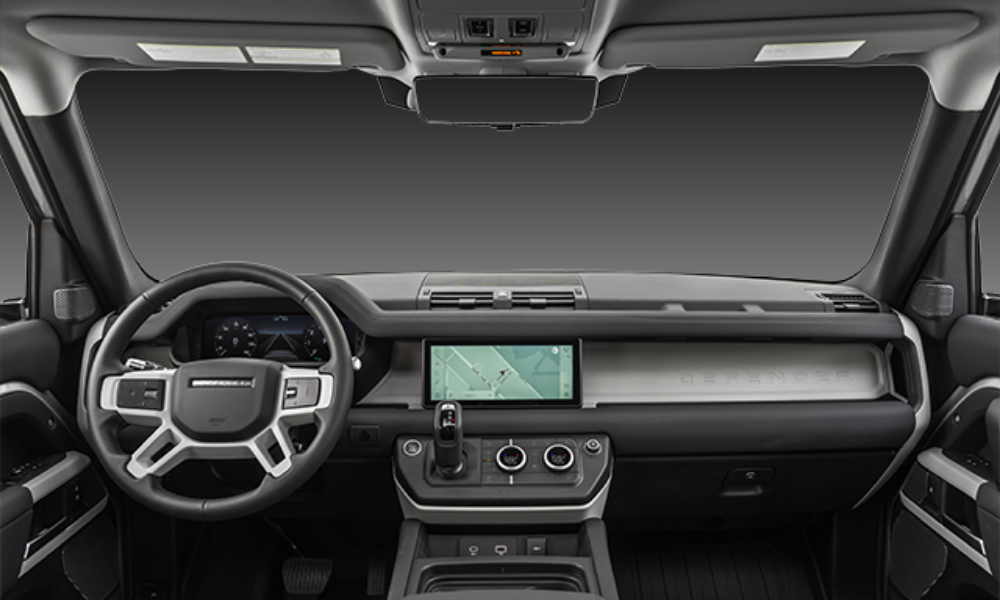
The 2020 Land Rover Defender comes with a modern infotainment system that is easy to use and responsive. It supports over-the-air updates, keeping the software current without dealer visits. The system includes navigation, Bluetooth, and smartphone integration.
The multimedia system usability is a strong point. The screen is large, the graphics are clear, and the menus are logical. Fortunately, the interface avoids the clutter found in some luxury SUVs, making everyday use refreshingly straightforward. The optional Meridian sound system is clear and powerful.
However, a few climate controls still require diving into the touchscreen, which can be distracting while driving. The driver assistance features are comprehensive. The Defender includes blind-spot monitoring, lane keep assist, rear cross-traffic alert, driver attention alert, and a pre-collision safety system. The systems work well without being overly intrusive.
Fuel Economy
The 2020 Land Rover Defender is not fuel-efficient. The EPA ratings are 17 mpg city, 22 mpg highway, and 19 mpg combined for the six-cylinder model. The fuel tank holds 23.8 gallons, which provides a highway range of around 514 miles. In real-world driving, fuel economy often falls short of the EPA estimates.
If efficiency tops your shopping list, there are far better choices. Buyers usually accept the Defender’s thirst because few vehicles can match its combination of everyday comfort and serious off-road ability.
Practicality and Cargo Space
The 2020 Land Rover Defender is a practical vehicle for families and adventurers. The 110 model offers seating for up to seven, with a third row that folds flat when not in use. The cargo space is generous, with 34 cubic feet behind the second row and 78.8 cubic feet with the second row folded. The 90 model is less practical for families, but it offers a more playful, compact package.
The Defender can tow up to 8,201 pounds when properly equipped. The roof can carry up to 300 kg when stationary or 168 kg on the move. The payload capacity is 900 kg. This is a vehicle built for work and adventure, not just pavement cruising.
Safety and Driver Assistance
The 2020 Land Rover Defender has not been rated by the NHTSA or IIHS. However, it comes with a comprehensive suite of safety features. Standard equipment includes blind-spot monitoring, lane keep assist, rear cross-traffic alert, driver attention alert, and a pre-collision safety system. The Defender also has dual front, front-side, and overhead airbags, as well as stability and traction control.
The wide B-pillars restrict over-shoulder views, and the spare tire partially obstructs rear visibility. These are compromises of the Defender’s design, but the camera and sensor systems help mitigate the issue.
Competitors Worth Considering
Buyers looking for a weekend toy may still prefer the Jeep Wrangler, which is more affordable and has a larger aftermarket community. Those who spend most of their time on pavement will likely appreciate the Defender’s quieter cabin and smoother ride.
The Mercedes-Benz G-Class is more luxurious and more expensive. It offers similar off-road capability but with a much higher price tag and a more opulent interior. The Defender is the more practical and affordable choice.
The Toyota 4Runner is rugged and reliable, but it is also old and unrefined. It cannot match the Defender’s on-road comfort or modern technology.
The Ford Bronco arrived after the Defender and offers strong off-road capability with a more affordable price. But it lacks the Defender’s refinement and interior quality.
Biggest Strength and Biggest Weakness
Biggest Strength: The 2020 Land Rover Defender’s greatest asset is its dual nature. It is genuinely unstoppable off-road, with capabilities that rival the best in the world. Yet it is also comfortable, composed, and refined on pavement. It is an off-road icon that does not punish you for driving it to work. That combination is rare, and it is what makes the Defender special.
Biggest Weakness: The Defender’s biggest weakness is its price. The base 110 starts at $49,900, but options and higher trims push the price quickly into luxury territory. The top-of-the-line Defender X starts at $80,900. The 90 model is also expensive, starting at $65,100 in First Edition trim. For that kind of money, buyers expect near-perfection, and the Defender’s some cheap interior plastics, touchy brakes, and turbo lag are harder to forgive.
Which Trim Does Cardrav Recommend?
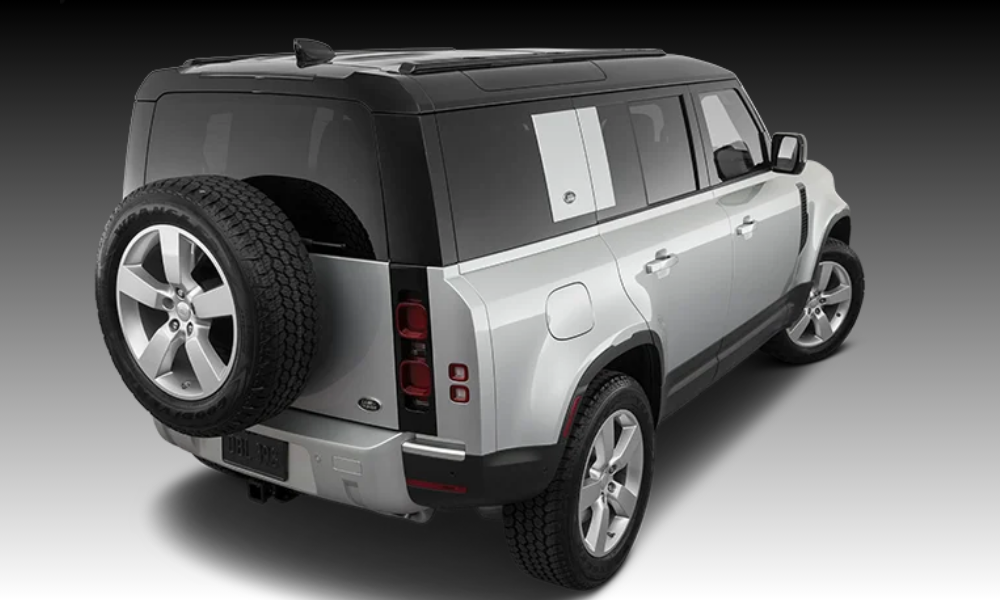
Cardrav recommends the 110 SE for most buyers. It offers the best balance of capability, comfort, and price. The 110 is more practical than the 90, with four doors, more cargo space, and the option of a third row. The SE trim adds desirable features like upgraded interior materials, larger wheels, and additional technology, without the steep price of the HSE or X trims.
The 110 SE with the P400 mild-hybrid inline-six is the sweet spot. It delivers the 395 horsepower and 406 pound-feet of torque that make the Defender genuinely quick. The air suspension is standard on the 110, providing the lift and ride quality that make the Defender so capable.
For buyers who want a more playful, compact package, the 90 is a great choice. But it is less practical for families and everyday use. The 110 is the smarter choice for most people.
Final Verdict: Should You Buy the 2020 Land Rover Defender?
The 2020 Land Rover Defender is a triumph. It honors its heritage while embracing the modern world. It is capable, comfortable, stylish, and practical. It is not perfect, but it is one of the most compelling vehicles on the market.
Who should buy it: Adventurers who need genuine off-road capability. Families who want a spacious, safe, and stylish SUV that can handle any weather or terrain. Buyers who appreciate the Defender’s heritage and want a vehicle with character and presence. Anyone who wants to go anywhere, anytime, without worrying about the road.
Who should avoid it: Buyers on a tight budget. The Defender is expensive, and options add up quickly. Those who prioritize fuel efficiency. The Defender is not efficient, and it never will be. Anyone who wants a luxury interior for the price. The Defender is refined, but it is not a luxury SUV in the traditional sense.
Few modern SUVs manage to blend genuine expedition capability with everyday comfort as successfully as the Defender. It asks for compromises in price and efficiency, but rewards owners with an experience few competitors can match.
FAQ
Is the 2020 Land Rover Defender reliable?
The 2020 Land Rover Defender has proven more reliable than many expected. In reliability surveys, it has scored impressively, with a fault rate of just 14 percent. The most common issues were with the engine and infotainment system. This is a significant improvement over older Land Rovers. However, Land Rover’s overall reputation for reliability still gives some buyers pause.
How does the 2020 Land Rover Defender compare to the Jeep Wrangler?
The Defender is more refined on the road, with a smoother ride, better handling, and a quieter cabin. It is also more spacious and offers more cargo room. The Wrangler is more affordable and has a larger aftermarket community. The Defender is the better daily driver; the Wrangler is the better off-road toy for those on a budget.
What is the fuel economy of the 2020 Land Rover Defender?
The EPA ratings are 17 mpg city, 22 mpg highway, and 19 mpg combined for the six-cylinder model. In real-world driving, fuel economy often falls short of the EPA estimates. The 23.8-gallon fuel tank provides a highway range of around 514 miles.
How much cargo space does the 2020 Land Rover Defender have?
The 110 model offers 34 cubic feet of cargo space behind the second row and 78.8 cubic feet with the second row folded. The 90 model is smaller, with 15.6 cubic feet behind the rear seats and a maximum cargo capacity of 58.3 cubic feet. The 110 is the more practical choice for families and those who need to carry gear.
Is the 2020 Land Rover Defender good for families?
Yes, the 110 model is an excellent family vehicle. It offers seating for up to seven, with a third row that folds flat when not in use. The cabin is spacious, with generous legroom and headroom. The safety features are comprehensive, and the ride is comfortable. The 90 model is less practical for families, but the 110 is a great choice for family adventures.
Does the 2020 Land Rover Defender have a V8?
No. The 2020 Defender does not have a V8 option. The engines are a turbocharged 2.0-liter four-cylinder producing 296 horsepower and a 3.0-liter mild-hybrid inline-six producing 395 horsepower. A V8 version arrived later, but the 2020 model did not offer one.