10 Cars Being Discontinued in 2024

Cars that we will say goodbye to in 2024: As the automotive industry rapidly evolves, embracing new technologies and responding to changing consumer demands, we inevitably witness the discontinuation of specific car models. The year 2024 marks a significant turning point as it bids farewell to a diverse range of automobiles that have left indelible marks on the roads and in the hearts of car enthusiasts. In this feature, we delve into the ’10 Cars That We Will Say Goodbye to in 2024,’ exploring the reasons behind their phase-out and commemorating their unique contributions to the automotive world. From iconic sports cars that thrilled with their performance to family sedans that served as reliable daily commuters, each vehicle tells a story of innovation, design, and a specific era in motoring. Join us on this nostalgic journey as we pay tribute to these soon-to-be-retired models, understanding what made them unique and why they will be missed.”
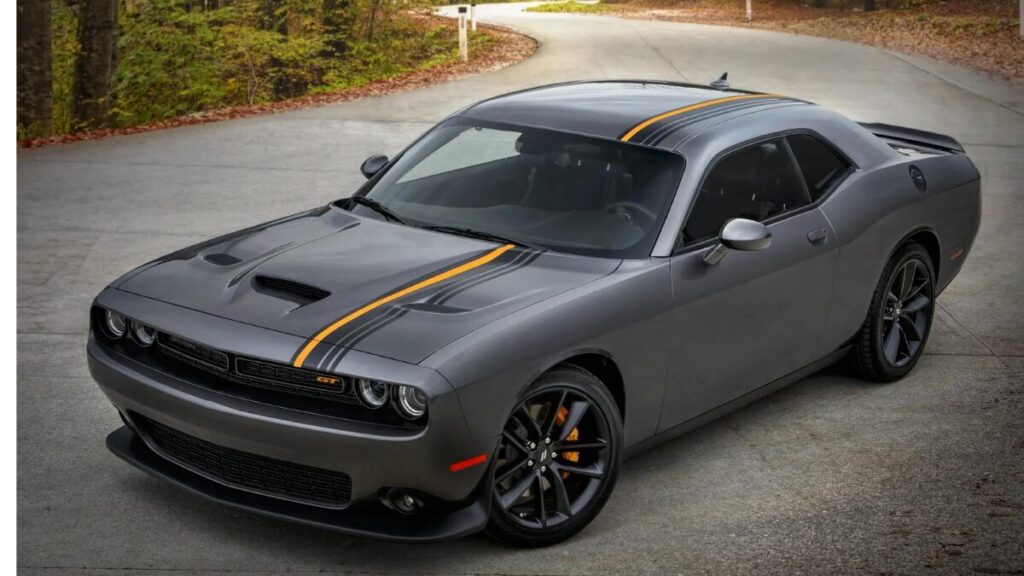
The final 2023 Dodge Challenger, a 1,025-horsepower limited-edition Demon SRT 170, rolled off the assembly line last week. Just when it seemed the Challenger’s appeal might begin to fade, its popularity surged once again thanks to the arrival of the Hellcat V8 era. It was a fitting farewell for one of the most iconic modern muscle cars ever built. This week also marks the end of production for its larger corporate siblings, the Chrysler 300 and Dodge Charger.
For parent company Stellantis, this signals the end of an important chapter, as all three vehicles trace their roots back to the DaimlerChrysler era. Despite the automotive industry’s growing shift away from large sedans and traditional muscle cars, these models remained strong sellers for years. Still, they are far from the only recognizable nameplates disappearing in 2024.
Forbes Wheels bids farewell to the vehicles that failed to continue into the next model year, though the reasons behind these cancellations differ greatly from those seen in 2020, 2021, or 2022. Vehicles are often discontinued for financial reasons if they no longer generate enough profit or fail to justify the cost of developing replacements. Many of the discontinued 2023 models are sports cars and sedans, segments that modern buyers continue to move away from. In other cases, however, the decisions are far more surprising.
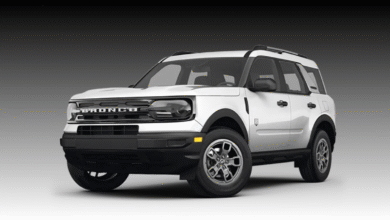
Stellantis could likely have continued selling the Charger and Challenger for several more years. However, their aging platforms, combined with the company’s aggressive transition toward electric vehicles, ultimately sealed their fate, alongside the departure of the Jeep Renegade. Chevrolet’s decision to discontinue the Bolt EV and Bolt EUV was perhaps the most confusing move of all. Demand for affordable electric vehicles continues to grow, and the Bolt lineup was more popular than ever. General Motors has since confirmed that the Bolt EUV will return in 2025.
Although not every vehicle on this list will completely vanish in 2024, these are the models that impacted both consumers and the automotive industry the most. In some cases, it is difficult to imagine ever seeing vehicles quite like them again.
Dodge Challenger
The Dodge Challenger made a massive impression when it debuted as a concept car at the 2006 Detroit Auto Show before officially returning to production in 2008. Its retro-inspired styling paid direct tribute to the legendary 1970 Challenger, one of the most aggressive and memorable muscle cars of its era. As a result, the new-generation Challenger became one of the most anticipated American performance cars of the decade.
Powered by a 425-horsepower Hemi V8 at launch, the modern Challenger proudly carried on the muscle car tradition. Unfortunately, its release arrived in the middle of the Great Recession, which limited early sales despite widespread enthusiasm from enthusiasts and critics alike. Thankfully, the best years for the Challenger were still ahead.
Sales began climbing steadily in the mid-2010s, especially after the major 2015 update that introduced the SRT 392 and the legendary SRT Hellcat. The SRT 392 produced 485 horsepower, while the supercharged 6.2-liter Hellcat shocked the industry with 707 horsepower. The Hellcat could sprint from 0 to 60 mph in just 3.6 seconds and complete the quarter mile in under 11 seconds, numbers that made the muscle car horsepower wars of the 1960s seem tame by comparison.
In 2017, Dodge introduced all-wheel drive to entry-level Challenger models, making it the first modern muscle car to offer AWD. The brand continued expanding the lineup with an endless stream of special editions, track-focused packages, widebody variants, and increasingly powerful Hellcat derivatives. Sales peaked in 2018 as the Challenger evolved from a nostalgic throwback into a genuine performance icon.
The final chapter arrived with the Demon 170, the most powerful production Challenger ever built, producing an astonishing 1,025 horsepower. While every great automotive story eventually comes to an end, the Challenger’s modern-era run ultimately surpassed the legacy of the original 1970s model and secured its place as one of the greatest American muscle cars of all time.
Audi TT
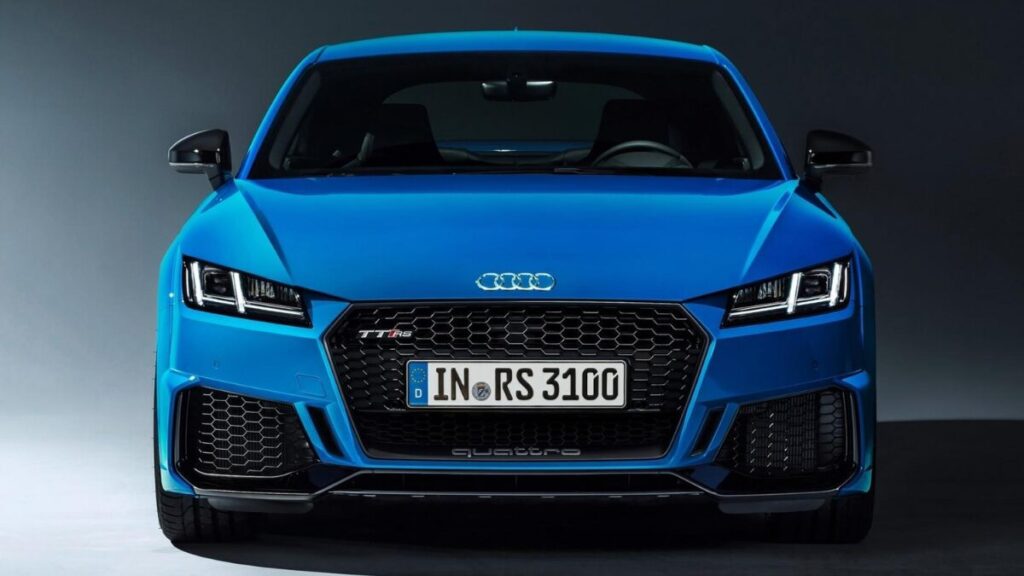
The original 1999 Audi TT was, in every way, a show vehicle brought to life. The sleek, rounded, racer-like, Bauhaus-inspired silhouette designed by Freeman Thomas and J Mays made its premiere at the Frankfurt show in 1995. A few months later, the Tokyo exhibition featured the open-topped TTS. The straightforward designs were so well appreciated that Audi started production in the autumn of 1998. The business used a lot of cues from the A3 and its platform-mate, the MkIV Volkswagen Golf, to help build them fast and affordably.
Even though it had certain underbody similarities with a Golf GTI, the overall design was far different from the designs and was much more than the sum of its parts. The T.T. was opulent, thrilling to drive, and unique-looking, but it quickly needed a spoiler fitted to the rear for aerodynamic stability. Audi’s reputation was instantly enhanced by the T.T. and TTS, which were well-liked by fans and DotCom yuppies. There were even waiting lists to get one.
Audi kept the car’s fundamental design the same when the second generation Audi TT debuted in 2006 and the third generation model debuted in 2014. Although neither had the same commercial effect as the original, they were much quicker. Sales gradually decreased as the market for two-seat sports vehicles dried up during the Great Recession. Although the T.T. retains its fun factor and pays homage to the original model from the 1990s, Audi has only been able to sell a few hundred since 2019, with the final one being taken off the assembly line on August 31.
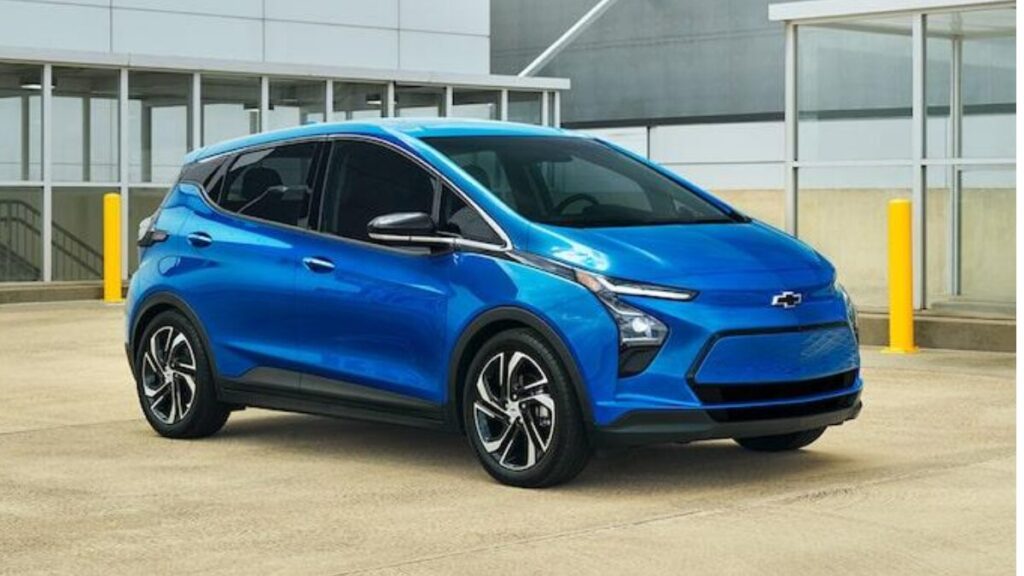
Bolt EV and EUV Chevrolet
By the conclusion of the third quarter, Chevrolet had sold 49,494 Bolt EVs and EUVs, more than double the number of Bolts sold in any previous year and an increase of about 30% over 2022. However, GM CEO Mary Barra said in April that these little electric cars will be phased out by the year’s end despite their tremendous surge in popularity.
Why? Months later, in October, G.M. stated that the Orion, Michigan, assembly facility that creates the Bolt would not be tooling up for the pickups, and the factory would remain idle for most of 2025. This was ostensibly done to make place for G.M.’s electric pickups, including the upcoming Chevrolet Silverado E.V. The business cites “managing capital” as the reason for the change, but this also illustrates how G.M.’s E.V. plans seem to be constantly changing as the corporation struggles to develop its new Ultium-platform electrics.
Barra said earlier this month that the firm has again altered its mind and that the Bolt EUV will return in 2025 with upgraded technology. Although it won’t be completely redesigned, it will use drive motors and the latest Ultium battery technology. However, the current Bolt is coming to an end.
Chevrolet Camaro
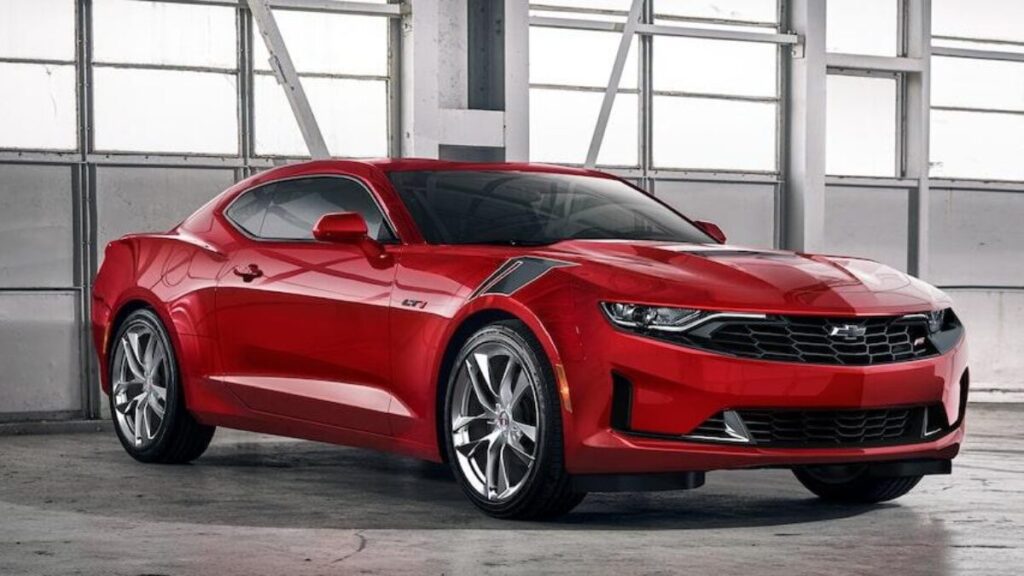
Although there isn’t officially a 2024 model year Camaro, manufacture has already stopped. Although the Camaro was discontinued in 2002 and brought back in 2009, this is likely the last iteration of the vehicle in its historic form. In 2025, Chevy intends to repurpose the moniker for an electric SUV; moreover, it may develop into a sub-brand that sells sedans and SUVs. It seems evident why Chevrolet would go with this rather than bringing back its many more well-known historical sedan names, and neither option is likely to win over ardent Camaro enthusiasts.
Regretfully, the ardent supporters have not been purchasing many Camaros recently. Sales haven’t increased since falling to fewer than 30,000 vehicles in 2020—nearly 30% less than in 2002. It finished much behind the Ford Mustang and Dodge Challenger in the muscle car rankings in 2023, and sales of both vehicles have decreased this decade. This is true even though the current model is the most powerful, with a 650-horsepower V8 option and the best-handling factory-issued Camaro ever produced, with plenty of actual track gear on the options list.
Even with looks that pay homage to the 1967 original and the preceding fifth-generation model, some of this car’s shortcomings couldn’t be addressed by speed, flair, or a chassis optimized for the racetrack. Although most buyers of sports cars don’t purchase them for the significant rear seat, the Camaro’s was particularly small—even by muscle car standards—and the whole inside seemed claustrophobic, cheap, and constricting. This Camaro was, if anything, an overly aggressive performer.
Chrysler 300
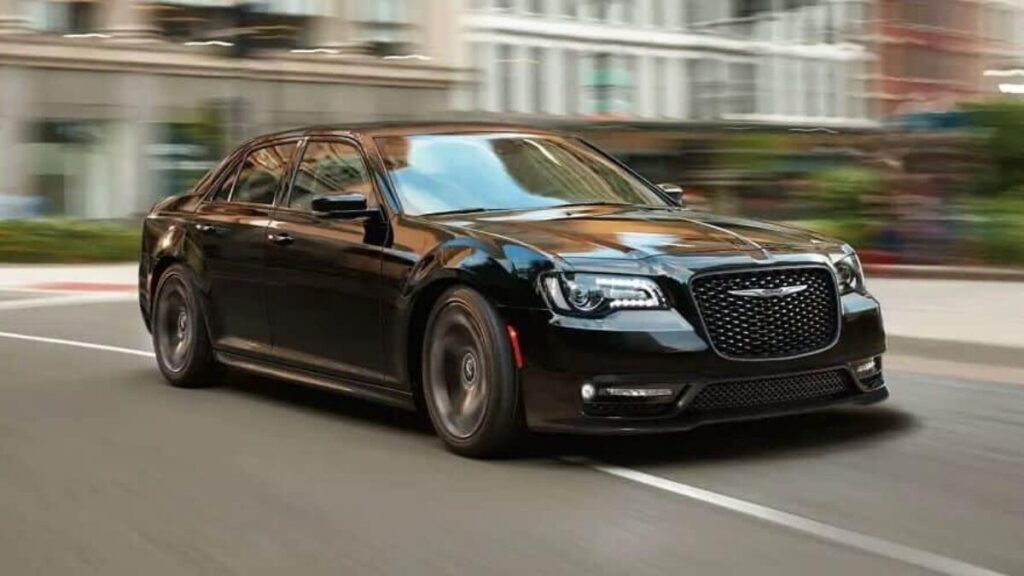
It’s easy to forget how well-liked the Chrysler 300 was when it first came out since it has been around for so long. Despite several recent updates, including a significant redesign in 2011, the first contemporary Chrysler 300s were produced in January 2004. It was stunning at the time, being the first completely new full-size, rear-drive, conventional sedan from any Detroit manufacturer in 25 years.
Its sleek, retro-modern design was reminiscent of a low-cost Bentley combined with classic Chrysler design elements. Choosing the top-tier 300C model—named after the venerable 1957 300C—brought you a genuine Hemi V8 with 345 horsepower. In the first three model years of the 300, Chrysler sold more than half a million of them because it was quicker and more stylish than any large Detroit sedan in at least a decade. In 2006, it also gave rise to a resurrected Dodge Charger. Although the Great Recession slowed its progress, the 300 nonetheless saw significant upgrades in 2011 and increased power in its SRT versions.
Until 2018, the 300 was still a somewhat successful vehicle, but over time, Chrysler stopped making improvements and started replacing the most powerful V8 engines with more aggressive Charger models. Sales of the 300 have decreased by around 10% since 2020 compared to 2005, and large cars are no longer appealing to consumers. The Charger will return as an electric car in 2025, but it’s unclear what the future holds for the Chrysler brand. When the brand celebrates its centennial in 2024, the Pacifica minivan will be the sole car with the Chrysler logo.
Ford Transit Connect
It seemed like the Ford Transit Connect may significantly alter the business van industry when it was introduced to the American market for the 2010 model year. Small, car-based vans have been standard in foreign markets for over a century, except for a few commercial-spec minivans. However, American vehicles like this, called “Sedan deliveries,” almost disappeared in the 1960s. The only cars left for small enterprises were large, inefficient vans or little hatchback automobiles.
In 2002, the Transit Connect debuted and was instantly popular in Europe. It combined the mechanical components of a Ford Focus with a large box wagon body, providing a large amount of room, car-like characteristics, and fuel efficiency—even if the most economical diesel engines were not available in this region. The original Transit Connect, manufactured in Turkey, was successful enough to spur other businesses to develop comparable goods for the U.S. market, including the Ram Promaster City (a rebadged Fiat van), Nissan NV, and Mercedes-Benz Metris, even though it was never a prominent seller.
In 2014, the original Connect was replaced by the second-generation model, constructed in Spain. However, sales of all these vehicles had started to decline by the time of the COVID-19 pandemic, perhaps due to market saturation. They have all been phased out individually for the American market, with Ford announcing in March that the 2023 model year would be the last one to leave. While many of these vans, like the Connect, are still in demand abroad, none will be available in the United States by 2024.

Jeep Cherokee
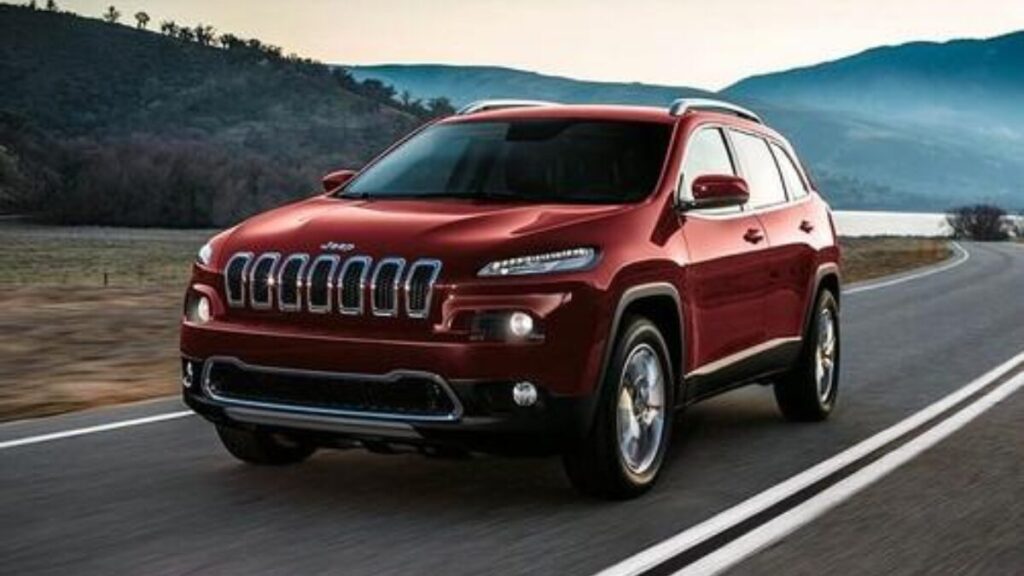
The Jeep Cherokee was supposed to celebrate its 50th anniversary in 2024 but never entirely made it that far. On February 28, Stellantis closed the Cherokee plant in Illinois indefinitely after a consistent decline in sales since 2020. The 2014–2015 generation Cherokee desperately needed replacement because of its outdated engines and systems; yet, the SUV managed to sell successfully until 2020 despite its poor fuel economy and retained its attractive appearance and off-road capabilities. However, due to internal competitiveness, Jeep faced no imminent threat from the more durable Wrangler and less expensive Compass.
Initially, it seemed as if Cherokee manufacturing might go to the Compass facility in Mexico, but that did not transpire. Ultimately, the big UAW strike this autumn turned into a dispute about the factory’s standing. Belvedere will reopen in 2024 to construct the Ram Revolution and maybe the Ram Ramcharger pickups, according to a portion of the settlement reached between the UAW and Stellantis. But the Cherokee is finished and not likely to come back for a few reasons.
Despite being one of the earliest (and most competent) crossover SUVs, the updated Cherokee never attracted the same popularity as its enormously successful predecessor in the 1980s and 1990s. Additionally, there is the name. CEO Carlos Tavares said he was open to the idea by Chuck Hoskin Jr., Principal Chief of the Cherokee Nation, in 2021, asking the company to discontinue using the Cherokee moniker completely. The company’s next SUV of around this size will be the electric Recon, even though it sells two Grand Cherokee models.
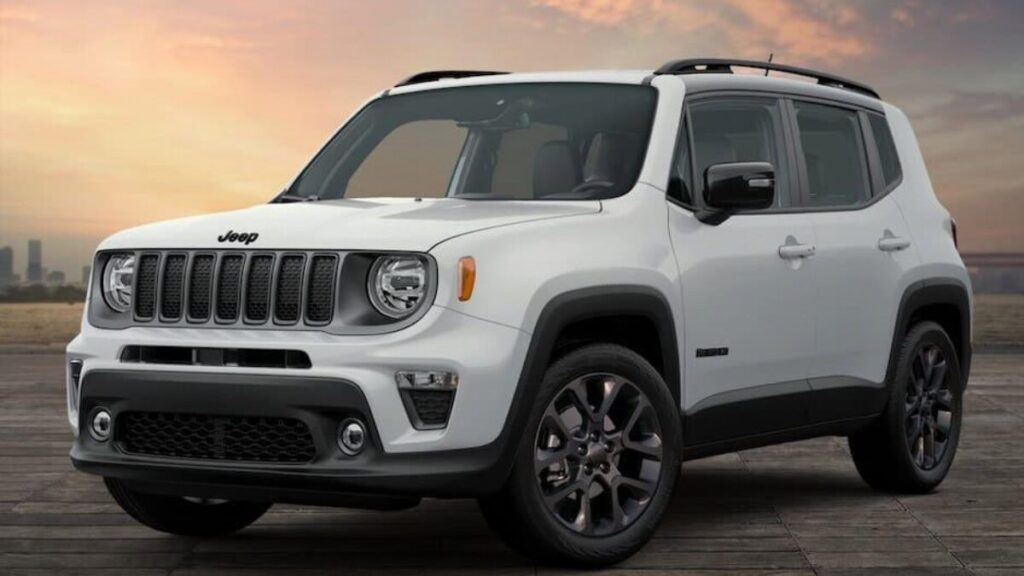
Jeep Renegade
Fans flocked to Jeep when it unveiled the Renegade at the 2014 New York Auto Show. In the middle of the 2010s, America’s love of crossover SUVs was well-timed for the charming but brutal Tonka-like Jeeplet. Jeep sold over 260,000 of them in the United States in its first three years of sales after it entered dealerships in the middle of 2015. Hundreds of thousands more were sold in Europe and other international markets. Despite having a simple interior and receiving poor gas efficiency for a tiny car, the Renegade maintained high sales throughout 2019.
However, after that, sales plummeted down a cliff. According to Motor Intelligence statistics, Jeep only sold 27,551 in 2022, down more than 75% from the model’s high in 2016. This was despite steep discounts. The fact that many better, more contemporary small SUVs have been available since 2015 contributed to the issue. Although Jeep has updated the Renegade occasionally, it still feels outdated and unpolished compared to cars like the Hyundai Kona, and it usually costs more than it should have, mainly if you want the off-road capable Trailhawk model.
It didn’t help either that the Compass was a somewhat more expensive but slightly more robust car. Jeep did develop an Avenger to replace the Renegade, but it has opted not to market that vehicle in the United States. The Renegade and its far slower-selling twin, the Fiat 500X, will no longer be produced after 2024 since Stellantis is transitioning the Italian facility with them to electric vehicles.
Kia Rio
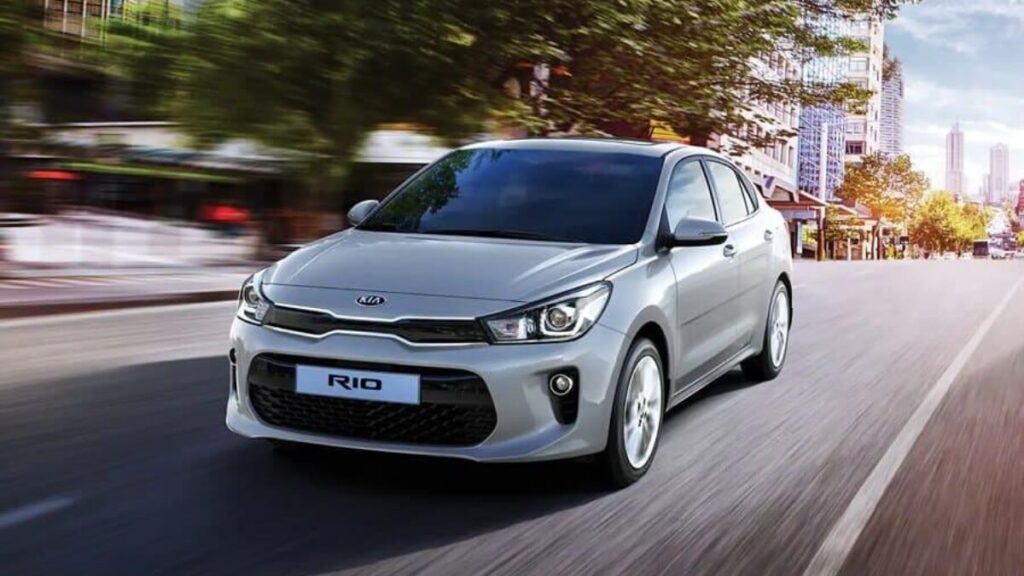
Many media publications noted how much prettier the second-generation Rio was than the first when Kia debuted it back in 2006. Even though it remained a primary budget vehicle, the Rio5 hatchback had a more fashionable appearance and appeared to be better built than its predecessor. For one of the first times, a Kia that offered a preview of things to come was praised for features outside its value pitch. Since then, Kia has become a manufacturer of fashionable, sought-after automobiles without giving up on its strategy of packing features at competitive costs.
Over that period, the Rio continued to be one of the better little cars available; it wasn’t quite as fun to drive as the Honda Fit, but it was still affordable and stylish, mainly in hatchback shape. The issue is that the market has evolved as well. After a consistent fall in sales, the Fit was discontinued in 2020, and since the late 2010s, Americans have mostly shifted from small cars to little crossovers. Even though the Rio was a lovely car, the signs were evident when the corporate cousin of the Hyundai Accent bowed out last year.
After Kia said in August that the Rio would not return for 2024, Mitsubishi swiftly decided to drop the little Mirage for 2025. There are rumors that Nissan may discontinue the Versa in that same year. Mini will have exclusive access to the U.S. compact vehicle market in such cases.
Kia Stinger
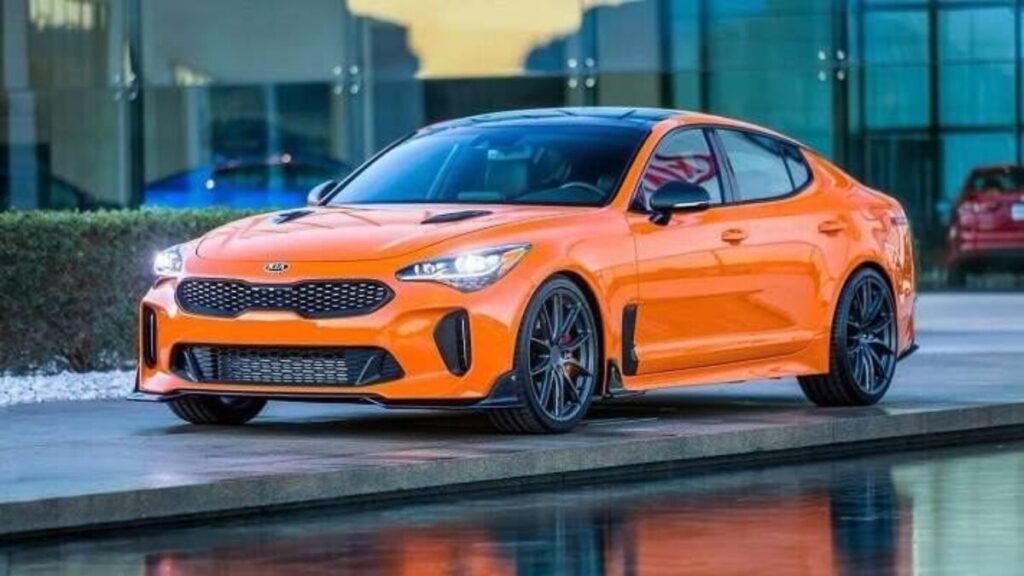
It ought to have been victorious. When the Kia Stinger was first shown in concept form and when it entered dealerships in 2018, the response from fans and attendees at auto shows suggested that the Korean company would have a hit on its hands. It had all it needed to succeed on its terms. It was spacious, enjoyable to drive, and provided a similar feel as the Audi A7, but at a much-reduced cost.
It even had rear-wheel drive, unlike the Audi, and it received the same level of critical acclaim as the Genesis G70, which shared its base. Indeed, Kia did not provide a manual gearbox, but the formula was excellent anyway. Regretfully, the Stinger debuted when Americans were becoming disinterested in sedans. Although far less expensive than an Audi, it was still a costly four-door Kia. Customers purchasing a new automobile are influenced by brand reputation, and this year’s Stinger was $4,000 more expensive than the manufacturer’s K5 sedan. The most costly models cost much more than $50,000.
Kia has seen consecutive declines in the SUV market, while Stinger sales have remained static, peaking at 16,806 vehicles in 2018 and declining to 7,809 in 2022. Hugely popular models include the Telluride, Sorento, Sportage, and others. Even if it means sacrificing a jewel for enthusiasts like the Stinger, you can’t blame Kia for following the customers where they are. Though buyers can still sample it, the G70 will get a minor update in 2024 and beyond.
If you’re comparing full-size SUVs, CarDrav also offers detailed reviews of models like the 2022 GMC Yukon, 2022 Nissan Armada, and the rugged 2022 Toyota 4Runner. Shoppers looking for refined midsize alternatives can also explore the 2022 Cadillac XT6, 2023 Chevrolet Traverse, and 2022 Ford Edge for additional insight into comfort, space, and everyday practicality.
Drivers interested in newer electric or tech-focused SUVs may also want to check out the 2023 Nissan Ariya, 2023 Chevrolet Bolt EUV, and 2023 Honda Passport. For smaller family-oriented crossovers, the 2023 Nissan Kicks, 2023 Nissan Murano, 2023 Ford Explorer, and 2023 GMC Acadia each bring a unique mix of utility, technology, and driving character.
Q&A
| Question Number | Question | Answer |
|---|---|---|
| 1 | What is the significance of the last 2023 Dodge Challenger produced? | The last 2023 Dodge Challenger produced was a limited-edition 1,025-horsepower Demon SRT 170, marking a fitting sendoff for the model, known for its popularity due to the Hellcat V8s. |
| 2 | What does the end of production for the Dodge Challenger, Chrysler 300, and Dodge Charger signify for Stellantis? | The end of production for these vehicles signifies the end of an epoch for Stellantis, as these long-lived cars date back to the DaimlerChrysler era and were big sellers even as market trends shifted away from big sedans. |
| 3 | Why were the Dodge Challenger and Charger discontinued? | The Dodge Challenger and Charger were discontinued due to their age and Stellantis’ transition to electric vehicles (E.V.s). |
| 4 | What is surprising about Chevrolet’s decision to axe the Bolt EV and EUV? | The decision is perplexing because E.V. buyers are looking for affordable electrics, and the Bolts are more popular than ever. However, with updated systems, G.M. plans to return the Bolt EUV in 2025. |
| 5 | What was unique about the original 1999 Audi TT design? | The original 1999 Audi TT featured a sleek, round, racer-like, Bauhaus-inspired design almost unchanged from the concept. It was luxurious, fun to drive, and visually distinctive. |
| 6 | What led to the discontinuation of the Chevrolet Camaro? | The Chevrolet Camaro was discontinued due to declining sales despite being the best-handling and most powerful Camaro ever made. Its sales sank to less than 30,000 cars in 2020. |
| 7 | What was the Chrysler 300 known for when it first arrived? | The Chrysler 300, launched in January 2004, was known for its retro-modern styling, resembling a budget Bentley, and its performance, especially with the Hemi V8 in the 300C model. |
| 8 | Why is Ford Transit Connect being discontinued in the U.S.? | The Ford Transit Connect is discontinued due to declining sales, market saturation, and shifting market preferences towards other vehicle types. |
| 9 | What factors contributed to the end of the Jeep Cherokee’s production? | The Jeep Cherokee’s production ended due to a drop in sales, internal competition from other Jeep models, and no immediate replacement plan from Stellantis. |
| 10 | Why is the Kia Stinger being discontinued? | The Kia Stinger is discontinued due to stagnant sales and a market shift away from sedans. Kia’s success in the SUV market also contributed to this decision. |