Hybrid cars are no longer just about saving fuel. In 2025, the best hybrid cars under $40,000 combine impressive efficiency with real-world comfort, modern technology, and everyday practicality, without forcing buyers to compromise on performance or usability. Today’s hybrids are smoother, quieter, and more refined than ever, making them a realistic alternative to traditional gasoline vehicles for commuters, families, and long-distance drivers alike.
As fuel prices continue to fluctuate and more drivers look for lower running costs without fully committing to an electric vehicle, hybrids have become the ideal middle ground. They deliver excellent fuel economy in city traffic, strong efficiency on the highway, and the convenience of quick refueling without the concerns that still come with charging infrastructure and range limitations.
This CarDrav guide highlights the best hybrid cars under $40,000 for 2025, focusing on vehicles that offer genuine long-term value rather than flashy specifications alone. The list includes efficient compact sedans, spacious midsize cars, and practical hybrid SUVs designed to fit a wide variety of lifestyles and budgets.
Vehicles featured in this guide include standout models such as the 2025 Toyota Prius, 2025 Toyota Camry Hybrid, 2025 Honda Civic Hybrid, and practical SUVs like the 2025 Kia Sportage Hybrid, 2025 Honda CR-V Hybrid, and 2025 Hyundai Tucson Hybrid. Each model has been evaluated based on fuel economy, comfort, technology, practicality, pricing, and overall ownership experience.
Whether you are searching for a fuel-efficient commuter, a family-friendly hybrid SUV, or a comfortable sedan that keeps fuel costs low, these are the best hybrid cars under $40,000 worth considering in 2025.
Best Hybrid Cars Under $40,000 for 2025 – Quick Comparison
| 2025 Kia Niro Hybrid | ⭐⭐⭐⭐☆ | Affordable Daily Commuting | $28,385 | 49–53 MPG | Excellent fuel economy and hatchback practicality |
| 2025 Toyota Prius | ⭐⭐⭐⭐⭐ | Maximum Fuel Economy | $29,485 | 52–57 MPG | Outstanding efficiency and proven reliability |
| 2025 Toyota Camry Hybrid | ⭐⭐⭐⭐⭐ | Comfortable Daily Driving | $29,835 | 44–51 MPG | Smooth ride and excellent long-term value |
| 2025 Honda Civic Hybrid | ⭐⭐⭐⭐⭐ | Compact Efficiency & Value | $29,845 | 48–49 MPG | Balanced driving dynamics and strong efficiency |
| 2025 Kia Sportage Hybrid | ⭐⭐⭐⭐☆ | Best All-Around Hybrid SUV | $30,185 | 38–43 MPG | Strong performance, comfort, and modern design |
| 2025 Ford Escape Hybrid | ⭐⭐⭐⭐☆ | Budget-Friendly SUV Utility | $33,985 | 39 MPG | Practical pricing and everyday versatility |
| 2025 Honda Accord Hybrid | ⭐⭐⭐⭐☆ | Spacious Family Sedan | $34,750 | 44–48 MPG | Large interior and refined highway comfort |
| 2025 Hyundai Tucson Hybrid | ⭐⭐⭐⭐☆ | Interior Space & Technology | $34,815 | 35–38 MPG | Spacious cabin and updated infotainment |
| 2025 Honda CR-V Hybrid | ⭐⭐⭐⭐⭐ | Reliability & Comfort | $36,000 | 37–40 MPG | Comfortable ride and trusted long-term ownership |
| 2025 Hyundai Santa Fe Hybrid | ⭐⭐⭐⭐☆ | Large Family Hybrid SUV | $39,175 | 34–36 MPG | Spacious interior and bold modern styling |
Our Take
The 2025 hybrid SUV market has matured into a highly competitive landscape where efficiency, comfort, and real-world usability all matter. The Honda CR-V Hybrid remains the most balanced choice, offering a combination of fuel savings, roomy interiors, and practical features. For buyers seeking advanced technology and a modern cabin, the Hyundai Tucson Hybrid and Kia Sportage Hybrid stand out for their intuitive displays and rich feature sets. Families will appreciate the Toyota Grand Highlander Hybrid for its spacious three-row seating and comfort on long trips.
Those who want a more premium or engaging experience should consider the Mazda CX-90 PHEV or Lexus RX Hybrid, which blend luxury and driving excitement. For ultimate efficiency, the Kia Niro Hybrid continues to impress, while plug-in options like the Mitsubishi Outlander PHEV offer a compelling balance between electric range and everyday flexibility. Overall, each model shines in its niche, making it easier for buyers to match a hybrid SUV to their individual priorities.
2025 Kia Niro Hybrid
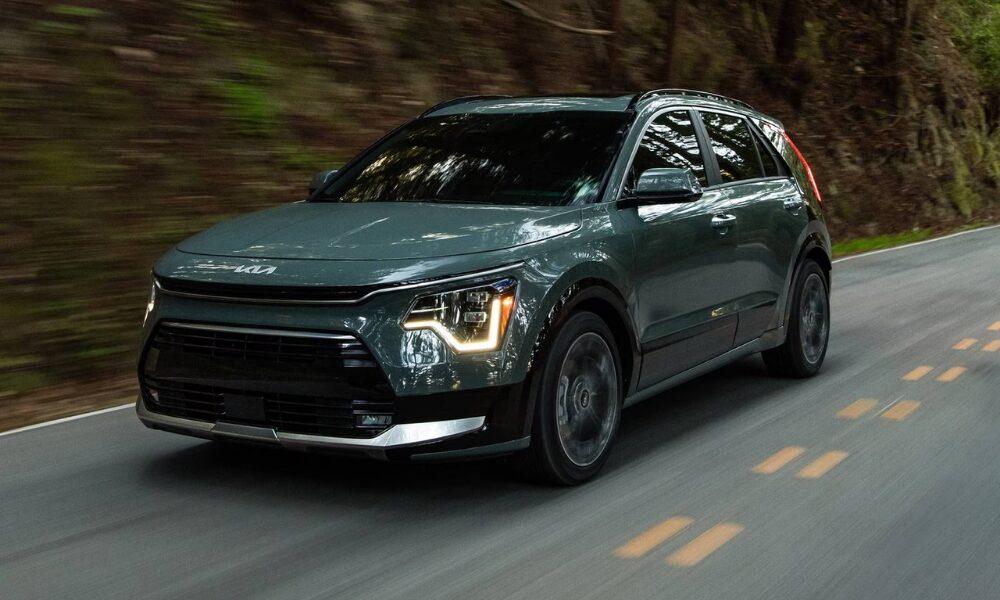
The 2025 Kia Niro stands out as one of the most sensible and approachable hybrids under $40,000, especially for buyers who want SUV-like practicality without the size or fuel consumption of a traditional crossover. Designed exclusively as a hybrid, the Niro does not split its focus between multiple powertrains, and that singular approach pays off in efficiency, packaging, and everyday usability.
In combined driving, the 2025 Kia Niro achieves an impressive EPA-estimated 49 to 53 mpg, placing it among the most fuel-efficient non-plug-in hybrids on the market. In real-world conditions, that efficiency translates into fewer fuel stops and noticeably lower running costs, particularly for urban commuters and suburban drivers who spend a lot of time in stop-and-go traffic.
While the Kia Niro is often categorized as a small crossover, its footprint sits closer to a compact hatchback than a traditional SUV. All-wheel drive is not available, and drivers looking for off-road capability or snow-focused traction may want to look elsewhere. However, what the Niro lacks in drivetrain options, it makes up for in smart design. The hatchback-style body allows for excellent cargo flexibility, making it far more practical than a typical compact sedan. Groceries, strollers, luggage, and weekend gear fit easily, and the rear seats fold flat when extra space is needed.
From behind the wheel, the 2025 Kia Niro prioritizes smoothness and ease rather than performance theatrics. Acceleration is adequate for daily driving, highway merging, and city traffic, while the hybrid system operates quietly and seamlessly in the background. The driving experience is relaxed and predictable, which is exactly what many buyers in this segment are looking for.
Inside, the Niro offers a clean and modern cabin layout with intuitive controls and a solid selection of standard technology features. Visibility is good, the seating position is comfortable for longer drives, and the overall atmosphere feels well thought out for daily use. Kia’s reputation for value shows clearly here, as the Niro delivers a well-rounded ownership experience without pushing the price beyond reach.
With a starting price of $28,385, the 2025 Kia Niro represents strong value in the hybrid crossover space. it earns a solid 8.0 out of 10, reflecting its balance of efficiency, practicality, and affordability. Owner feedback has also been consistently positive, with average owner ratings reaching 4.5 out of 5 for the 2025 model year, highlighting satisfaction with fuel economy, comfort, and reliability.
For buyers who want a fuel-efficient hybrid that feels more versatile than a sedan but more manageable than a full-size SUV, the 2025 Kia Niro remains one of the smartest choices under $40,000.
2025 Toyota Prius
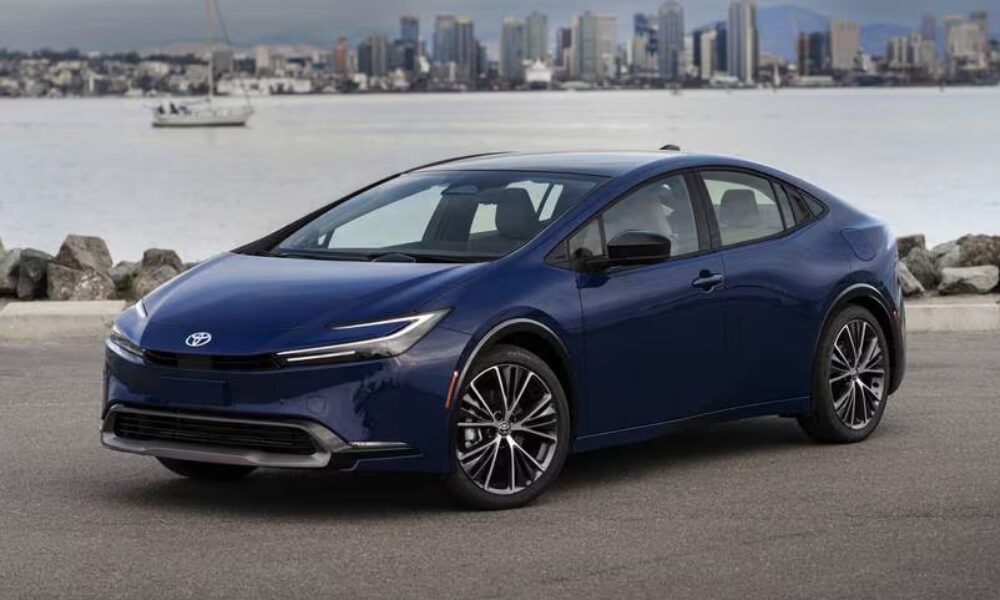
No list of the best hybrids under $40,000 would feel complete without the Toyota Prius. For many American drivers, the Prius is the vehicle that introduced hybrid technology to the mainstream, and years later, it continues to set the benchmark for fuel efficiency and everyday usability. While the hybrid market has grown dramatically, the Prius remains relevant by evolving in the areas that matter most to modern buyers.
Fuel economy is still the Prius’s defining strength. The 2025 Toyota Prius delivers an EPA-estimated 52 to 57 mpg combined, making it one of the most efficient non-plug-in hybrids available today. In daily driving, this level of efficiency translates into exceptional savings at the pump, especially for commuters and drivers who spend a lot of time in urban traffic. Few vehicles under $40,000 can match the Prius when it comes to consistently low fuel consumption across a wide range of driving conditions.
Beyond efficiency, the Prius has grown more refined and comfortable over the years. Ride quality is smooth and composed, with suspension tuning that favors stability and comfort rather than sportiness. Road and wind noise are kept well under control, making the Prius an easy car to live with on longer highway trips as well as short daily errands. The hybrid system operates seamlessly, switching between electric and gasoline power without drawing attention to itself.
One of the most noticeable improvements to the modern Prius is its design. Earlier generations were known for styling that divided opinion, but the latest Prius features a sleeker, more confident look that feels far more mainstream. The lower, wider stance and sharper body lines give it a more modern presence on the road, helping it appeal to buyers who previously may have dismissed it purely on looks.
Inside, the 2025 Toyota Prius offers a well-equipped cabin with a strong list of standard features. Technology and driver assistance systems come generously included, reinforcing Toyota’s focus on safety and ease of use. The interior layout is clean and functional, with comfortable seating and good outward visibility for daily driving.
With a starting price of $29,485, the Prius remains firmly within reach for budget-conscious hybrid shoppers. it earns an overall rating of 8.0 out of 10, reflecting its outstanding fuel economy, proven reliability, and improved design. Owner feedback has also remained positive, with average owner reviews sitting at 4.3 out of 5, highlighting satisfaction with efficiency, comfort, and long-term ownership costs.
For buyers who prioritize maximum fuel savings, proven hybrid technology, and a now far more attractive design, the 2025 Toyota Prius continues to be one of the smartest and safest hybrid choices under $40,000.
2025 Toyota Camry Hybrid
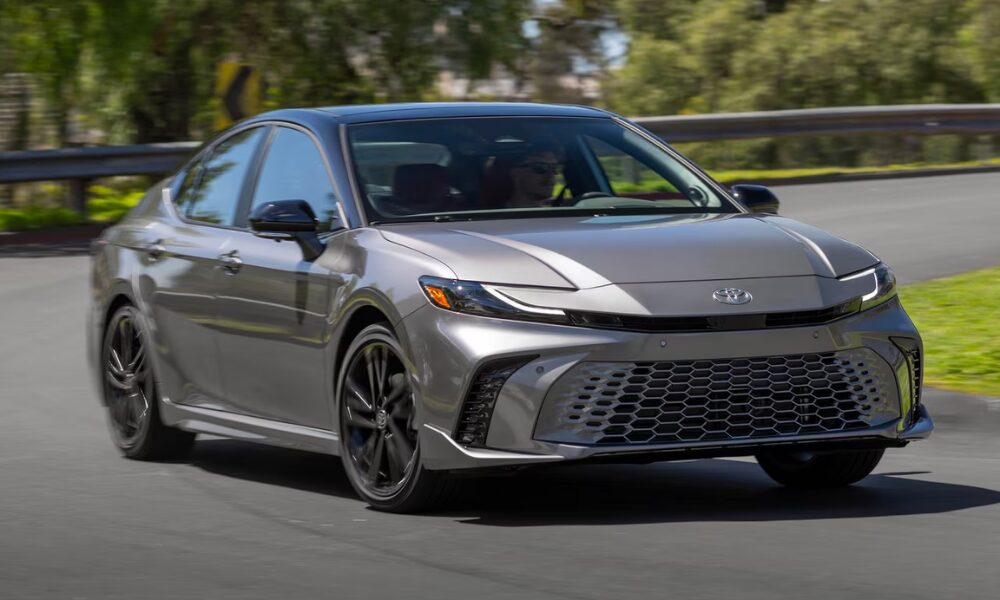
For 2025, the Toyota Camry takes a decisive step forward by becoming a hybrid-only sedan, and that move makes one of America’s most trusted midsize cars even more appealing. By eliminating the traditional gasoline-only option, Toyota positions the Camry as a smart, efficiency-focused choice without asking buyers to give up the qualities that made the sedan a long-time favorite in the first place.
Fuel economy is a major highlight. The 2025 Toyota Camry Hybrid delivers an EPA-estimated 44 to 51 mpg combined, depending on configuration, which is impressive for a midsize sedan with this level of comfort and interior space. In real-world driving, the Camry’s hybrid system prioritizes smooth, predictable efficiency rather than aggressive electrification, making it especially well suited for daily commuting, highway cruising, and mixed-use driving.
Comfort has always been a core strength of the Camry, and the hybrid-only 2025 model stays true to that reputation. The ride quality is calm and well damped, soaking up rough pavement and long highway stretches with ease. Steering and handling are tuned for stability and confidence rather than sportiness, which aligns perfectly with what most Camry buyers value in a family-friendly sedan.
Inside the cabin, the 2025 Camry Hybrid offers a spacious and thoughtfully laid-out interior. Seating is comfortable for both front and rear passengers, making the Camry a strong option for families or drivers who regularly carry adults in the back seat. Toyota also includes a long list of standard features, particularly in safety and driver assistance technology, reinforcing the Camry’s reputation as a dependable and user-friendly vehicle.
Reliability remains one of the Camry’s strongest selling points. Toyota’s long-standing experience with hybrid systems gives buyers added peace of mind, especially those transitioning from a traditional gasoline sedan to a hybrid for the first time. Ownership costs are expected to remain reasonable, with strong resale value further strengthening the Camry’s value proposition.
With a starting price of $29,835, the 2025 Toyota Camry Hybrid fits comfortably within the under-$40,000 budget while delivering midsize comfort and excellent fuel efficiency. it earns a strong 8.1 out of 10, reflecting its balance of efficiency, comfort, features, and long-term reliability. Owner feedback for the 2025 model has also been positive, with an average owner rating of 4.2 out of 5, highlighting satisfaction with ride quality, fuel savings, and overall ease of ownership.
For buyers who want a familiar, comfortable sedan that now delivers significantly better fuel economy without sacrificing refinement, the 2025 Toyota Camry Hybrid stands out as one of the most compelling hybrid sedans under $40,000.
2025 Honda Civic Hybrid
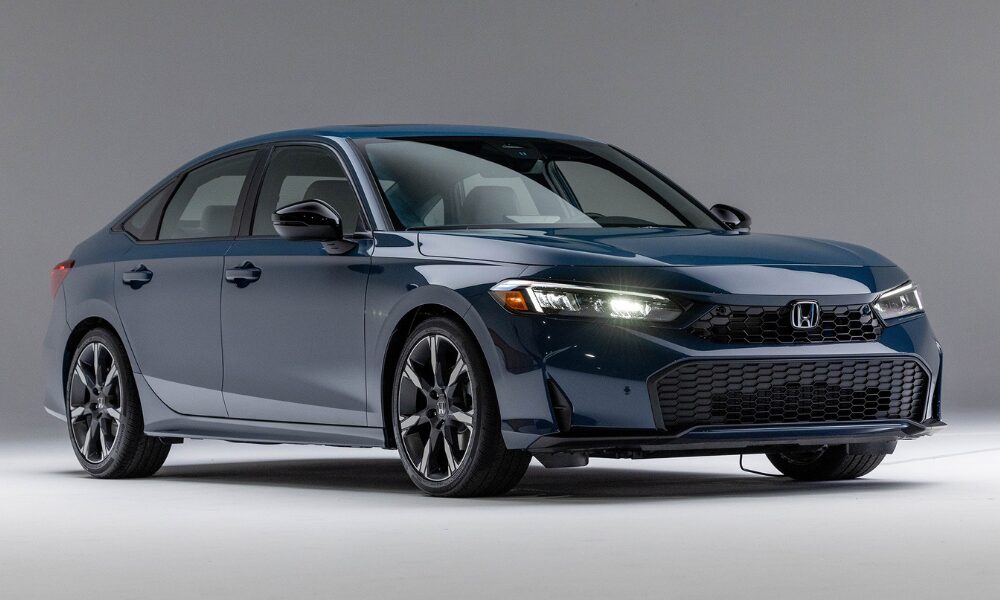
For 2025, Honda brings hybrid technology to one of its most successful and widely trusted nameplates, making the Civic Hybrid a compelling new option in the affordable hybrid space. By adding electrification to a car already known for efficiency, practicality, and driving balance, Honda strengthens the Civic’s position as one of the smartest compact cars under $40,000.
The hybrid powertrain is offered on the Sport and Sport Touring trims, which sit above the base LX model and below the performance-focused Si and Type R variants. This positioning makes sense for buyers who want a well-equipped Civic with strong fuel economy, without stepping into higher-priced or track-oriented trims. The result is a compact sedan that blends everyday usability with modern hybrid efficiency.
Fuel economy is one of the Civic Hybrid’s strongest assets. The 2025 Honda Civic Hybrid delivers an EPA-estimated 48 to 49 mpg combined, placing it among the most efficient compact sedans on the market. In real-world driving, the hybrid system operates smoothly and quietly, especially in city traffic, where the electric motor can do much of the work. This makes the Civic Hybrid an excellent choice for daily commuters who want to reduce fuel costs without changing their driving habits.
Beyond efficiency, the Civic continues to offer a well-balanced and confidence-inspiring driving experience. The ride is comfortable yet controlled, and the steering remains precise and easy to manage, even in tight urban environments. The Civic’s compact size makes it easy to park and maneuver, while still offering enough interior space for everyday needs.
Inside, the 2025 Civic Hybrid features a clean, modern cabin design with intuitive controls and a solid list of standard technology features. Honda’s attention to ergonomics is evident, with supportive seats, good outward visibility, and a layout that feels immediately familiar. Safety and driver assistance features are also well represented, reinforcing the Civic’s reputation as a sensible and secure choice.
With a starting price of $29,845, the 2025 Honda Civic Hybrid strikes an excellent balance between affordability and efficiency. it earns an impressive 8.2 out of 10, reflecting its strong fuel economy, refined driving manners, and overall value. Owner satisfaction has been equally strong, with average owner reviews reaching 4.5 out of 5, highlighting appreciation for efficiency, comfort, and long-term reliability.
For buyers looking for a compact hybrid that delivers excellent fuel economy, proven Honda engineering, and an attractive price point, the 2025 Honda Civic Hybrid stands out as one of the best all-around choices under $40,000.
2025 Kia Sportage Hybrid
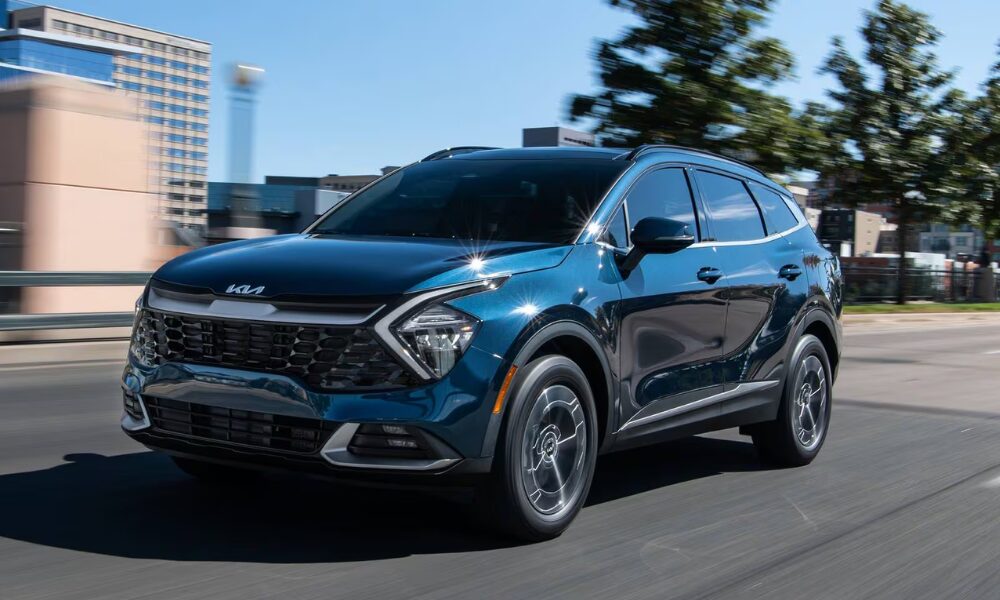
The 2025 Kia Sportage Hybrid stands out as one of the most well-rounded hybrid SUVs under $40,000, blending efficiency, performance, and everyday comfort in a package that feels thoughtfully engineered for modern families. Its strong balance of features and value has made it a standout in the compact SUV segment, earning widespread recognition for doing many things exceptionally well rather than excelling in just one area.
Fuel economy is a major advantage for the Sportage Hybrid. With an EPA-estimated 38 to 43 mpg combined, it delivers a substantial improvement over the non-hybrid version, which manages far lower efficiency in real-world driving. That difference is immediately noticeable at the pump, especially for drivers who rely on their SUV for daily commuting, school runs, and longer road trips. The hybrid system works seamlessly, prioritizing smooth power delivery and efficiency without demanding any change in driving habits.
Performance is another area where the Sportage Hybrid distinguishes itself. Power comes from a turbocharged 1.6-liter engine paired with an electric motor, resulting in stronger acceleration than the standard gasoline model. The added power makes highway merging and passing feel more confident, yet it does not come with a significant price penalty. This combination of extra performance and improved efficiency is a key reason why the Sportage Hybrid feels like an easy upgrade rather than a compromise.
Ride comfort is a clear priority in the Sportage Hybrid’s tuning. The suspension absorbs rough pavement effectively, and the cabin remains composed and quiet even at highway speeds. This makes the Sportage Hybrid a comfortable companion for longer drives, while its compact dimensions still keep it manageable in city environments.
Inside, the Sportage Hybrid offers a modern, well-equipped interior with a generous list of standard features. The cabin feels spacious for both front and rear passengers, and the overall layout emphasizes ease of use and everyday practicality. Technology and safety features are integrated in a way that feels intuitive rather than overwhelming, reinforcing the Sportage’s reputation as a user-friendly SUV.
With a starting price of $30,185, the 2025 Kia Sportage Hybrid delivers strong value in the hybrid SUV market. it earns an impressive 8.4 out of 10, reflecting its combination of fuel efficiency, comfort, performance, and features. Owner satisfaction has also been notably high, with average owner reviews reaching 4.5 out of 5 for the 2025 model year, highlighting appreciation for its smooth ride, practicality, and overall refinement.
For buyers who want a compact hybrid SUV that feels powerful, efficient, comfortable, and well equipped without stretching the budget, the 2025 Kia Sportage Hybrid is one of the most compelling all-around choices under $40,000.
2025 Ford Escape Hybrid
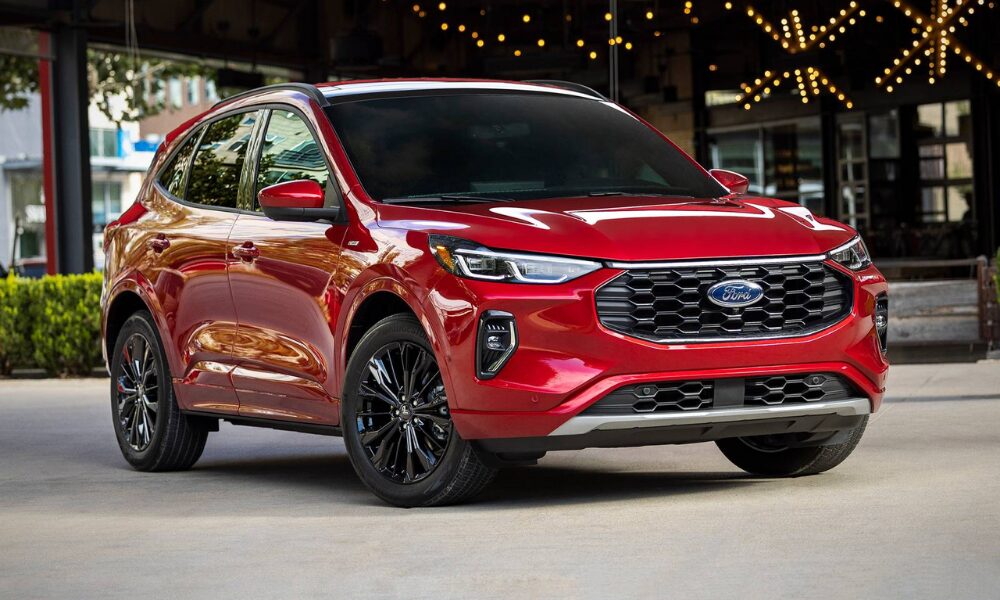
The 2025 Ford Escape Hybrid is one of the relatively few small SUVs that still offers a traditional hybrid powertrain, making it an appealing option for buyers who want SUV versatility without moving into a larger or more expensive vehicle. It targets shoppers who value practicality and efficiency over luxury, and it does so with a straightforward, no-nonsense approach.
Fuel economy for the 2025 Escape Hybrid is competitive within the compact SUV segment. With an EPA-estimated 39 mpg combined, it delivers meaningful fuel savings compared to conventional gasoline-powered SUVs of similar size. This level of efficiency makes the Escape Hybrid especially attractive for drivers who need the flexibility of an SUV for daily use but want to keep fuel costs under control.
One of the Escape Hybrid’s strongest advantages is its pricing and positioning. Starting at $33,985, it undercuts some larger hybrid SUVs while still offering more interior space and cargo utility than most sedans. The hatchback-style cargo area provides practical storage for groceries, luggage, and everyday gear, and the rear seats add flexibility for family or work-related needs.
On the road, the Escape Hybrid prioritizes ease of use rather than driving excitement. Acceleration is adequate for city driving and highway merging, and the hybrid system operates smoothly in typical driving scenarios. While it may not feel as refined or upscale as some rivals, the Escape Hybrid focuses on delivering dependable transportation and predictable performance.
Inside, the cabin emphasizes function over flair. Materials and design are straightforward, and controls are easy to learn and use. Technology and safety features are present in sufficient quantity, though the overall presentation does not aim to feel premium. This aligns with the Escape Hybrid’s value-oriented mission, offering the essentials without unnecessary complexity.
the 2025 Ford Escape Hybrid earns a solid 8.0 out of 10, reflecting its balance of efficiency, practicality, and accessible pricing. Owner feedback for the 2025 model has been more mixed, with average owner reviews at 3.5 out of 5, suggesting that while many owners appreciate its utility and fuel economy, expectations around refinement and interior quality may vary.
For buyers seeking an affordable hybrid SUV that delivers useful space, respectable fuel efficiency, and a lower entry price than many competitors, the 2025 Ford Escape Hybrid remains a practical and compelling choice under $40,000.
2025 Honda Accord Hybrid
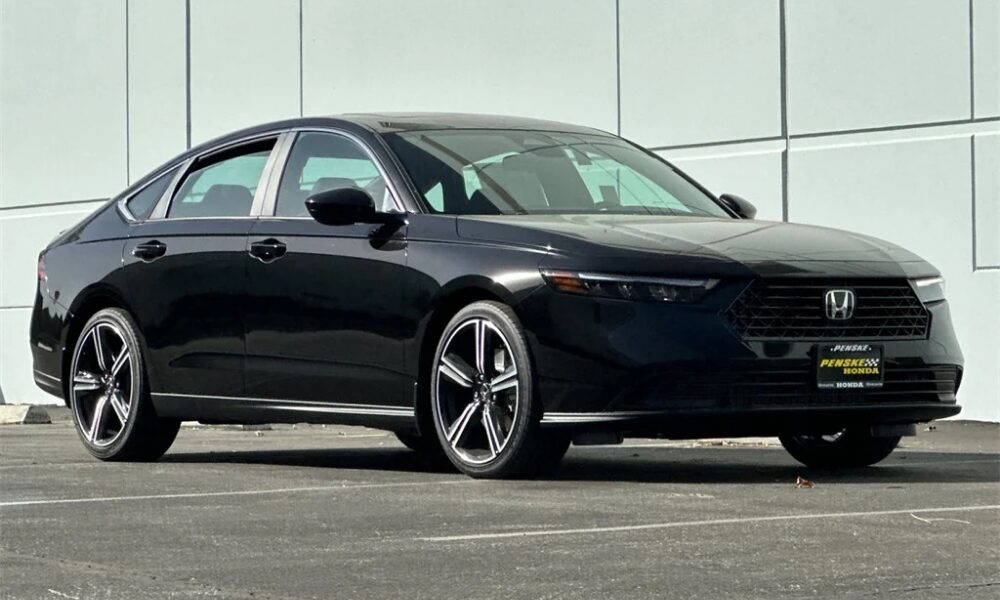
For 2025, the Honda Accord lineup leans heavily into hybrid technology, with all but the two lowest trims now powered by a hybrid system. This shift makes the Accord Hybrid a natural choice for buyers who want strong fuel economy paired with the comfort and space of a midsize sedan, without needing to opt into premium pricing or unfamiliar technology.
Fuel efficiency is a clear strength. The 2025 Honda Accord Hybrid delivers an EPA-estimated 44 to 48 mpg combined, placing it near the top of the midsize sedan segment. While it falls just short of the Toyota Camry Hybrid in peak efficiency, the difference is small in everyday driving. For most owners, the Accord Hybrid still delivers excellent fuel savings, especially during city commuting and mixed-use driving.
Space and comfort are where the Accord Hybrid truly shines. The cabin is roomy, with generous legroom for both front and rear passengers, making it a strong option for families or drivers who regularly carry adults in the back seat. The ride quality is smooth and composed, prioritizing comfort over sportiness, which suits the Accord’s role as a long-distance, daily-use sedan.
Standard equipment is another highlight. Even in its lower hybrid trims, the Accord comes well equipped with modern technology and driver assistance features. Controls are intuitive, the interior layout feels clean and uncluttered, and the overall experience is designed to reduce fatigue during longer drives.
On the road, the hybrid system operates quietly and smoothly, delivering predictable acceleration and a refined driving feel. The Accord Hybrid does not aim to be sporty, but it feels confident and polished in everyday situations, including highway cruising and stop-and-go traffic.
With a starting price of $34,750, the 2025 Honda Accord Hybrid sits higher than some compact hybrid sedans but justifies its price with added space, comfort, and refinement. it earns a solid 8.0 out of 10, reflecting its well-rounded nature and strong efficiency. Owner feedback has also been positive, with average owner reviews reaching 4.2 out of 5, highlighting satisfaction with interior space, ride comfort, and fuel economy.
For buyers who want a spacious, comfortable midsize sedan that delivers excellent fuel efficiency without sacrificing everyday refinement, the 2025 Honda Accord Hybrid remains one of the best hybrid sedans under $40,000.
2025 Hyundai Tucson Hybrid
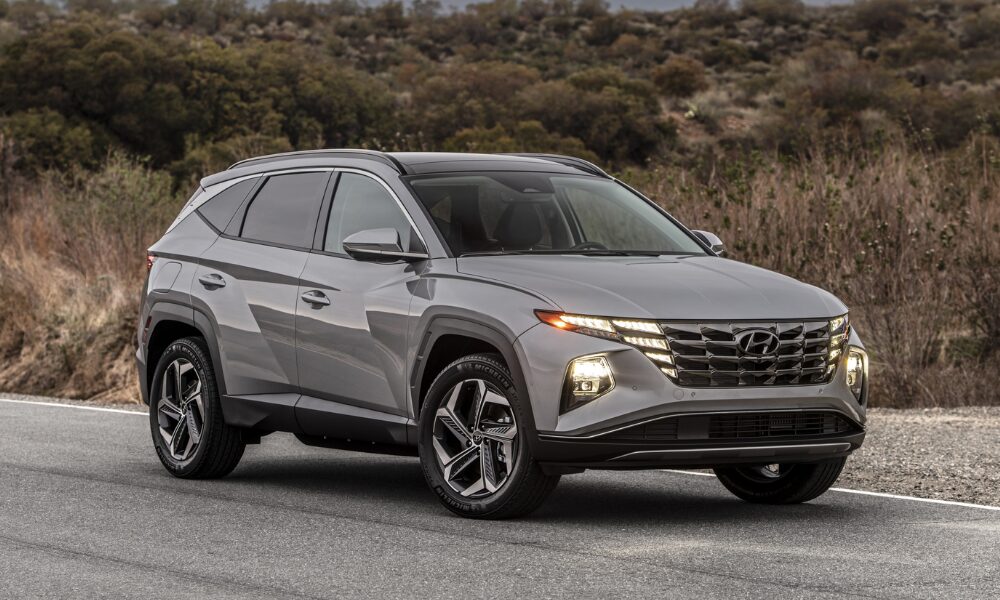
For buyers who want a roomier and more comfortable SUV without giving up the benefits of hybrid efficiency, the 2025 Hyundai Tucson Hybrid makes a strong case for itself. It targets families and daily drivers who prioritize interior space, modern technology, and a smooth driving experience, while still enjoying noticeably better fuel economy than a traditional gasoline-powered SUV.
Fuel efficiency is competitive within the compact hybrid SUV segment. The 2025 Tucson Hybrid delivers an EPA-estimated 35 to 38 mpg combined. While these numbers do not quite match the most fuel-focused hybrids in this class, they represent a meaningful improvement over the non-hybrid Tucson and translate into real savings for drivers who log plenty of miles each week. The hybrid system operates smoothly and unobtrusively, making the efficiency gains feel effortless in everyday driving.
Where the Tucson Hybrid truly stands out is space and comfort. The cabin feels open and well designed, offering generous room for both front and rear passengers. This makes it especially appealing for families, road trips, or anyone who regularly carries passengers. Ride quality is tuned for comfort, with suspension settings that absorb bumps and uneven pavement effectively, creating a relaxed and composed driving experience.
For 2025, Hyundai introduces a refreshed infotainment system that further improves the Tucson Hybrid’s appeal. Wireless Apple CarPlay and Android Auto connectivity come standard, making it easy to integrate smartphones without dealing with cables. The updated interface feels modern and responsive, and it complements the Tucson’s clean and user-friendly interior layout.
Performance is geared toward everyday usability rather than sportiness. Acceleration is confident enough for city driving and highway merging, and the Tucson Hybrid feels stable and predictable at higher speeds. It may not be the most engaging hybrid SUV to drive, but it excels at delivering comfort, practicality, and ease of ownership.
With a starting price of $34,815, the 2025 Hyundai Tucson Hybrid fits comfortably within the under-$40,000 range while offering strong value in terms of space and technology. it earns an impressive 8.4 out of 10, reflecting its balance of comfort, modern features, and hybrid efficiency. Owner feedback for the 2025 model has been solid as well, with average owner reviews at 4.1 out of 5, highlighting satisfaction with interior quality, ride comfort, and technology.
For buyers who want a hybrid SUV that feels spacious, comfortable, and technologically up to date, the 2025 Hyundai Tucson Hybrid is a smart and well-rounded choice under $40,000.
2025 Honda CR-V Hybrid
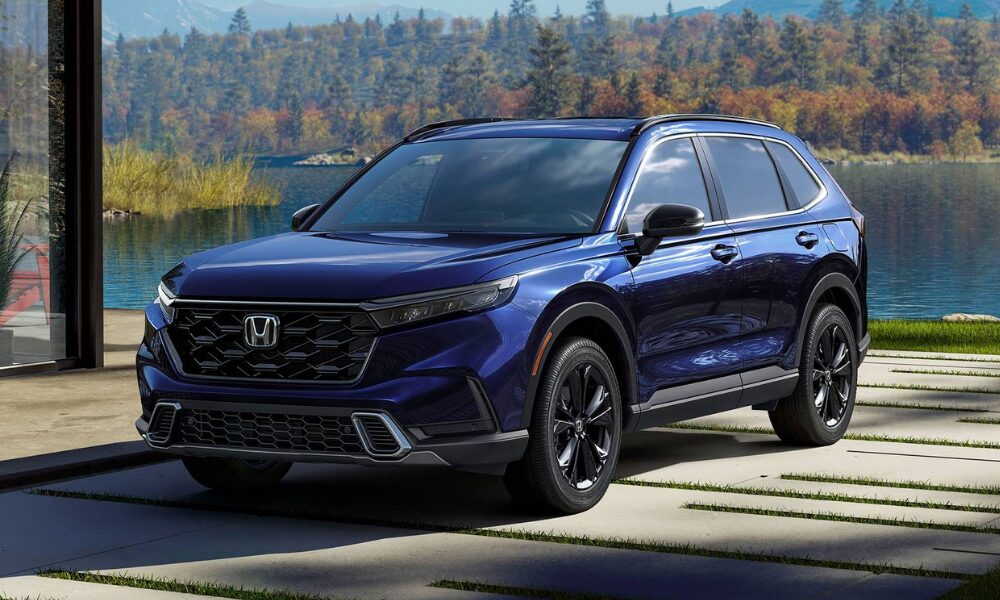
The 2025 Honda CR-V Hybrid takes everything buyers already appreciate about the CR-V and adds one of the most important upgrades for modern drivers: significantly better fuel economy. For shoppers who like the size, comfort, and reputation of Honda’s best-selling compact SUV but want lower running costs, the CR-V Hybrid feels like a natural evolution rather than a radical change.
Fuel efficiency is a clear improvement over the standard gasoline model. The 2025 CR-V Hybrid delivers an EPA-estimated 37 to 40 mpg combined, which is excellent for a compact SUV of this size. In everyday driving, the hybrid system works smoothly in the background, particularly in city traffic where electric assistance helps reduce fuel consumption without altering how the vehicle feels to drive.
One of the strengths of the CR-V Hybrid is how few compromises it requires. While it does cost slightly more than the non-hybrid CR-V and sacrifices a small amount of cargo space due to battery placement, those trade-offs are minor in real-world use. For most owners, the difference in cargo capacity will go unnoticed, especially given how spacious and versatile the CR-V remains overall.
On the road, the CR-V Hybrid prioritizes comfort and composure. The ride is smooth and well controlled, making it an excellent choice for daily commuting and longer highway trips alike. Steering is light and predictable, and the overall driving experience feels familiar to anyone who has driven a CR-V before. Honda has clearly aimed to preserve the model’s easygoing personality while enhancing its efficiency.
Inside, the cabin offers a practical and comfortable layout with good visibility and supportive seating. Controls are intuitive, and the CR-V Hybrid comes well equipped with modern technology and safety features. The interior design emphasizes functionality and durability, which aligns with the CR-V’s reputation as a dependable family vehicle.
With a starting price of $36,000, the 2025 Honda CR-V Hybrid sits near the upper end of the under-$40,000 budget but justifies its price with strong fuel economy, everyday comfort, and proven reliability. it earns a solid 8.1 out of 10, reflecting its well-rounded nature and minimal compromises. Owner feedback has also been positive, with average owner reviews reaching 4.2 out of 5, highlighting satisfaction with fuel savings, ride comfort, and overall usability.
For buyers who want a familiar, trusted compact SUV with noticeably better fuel economy and no major drawbacks, the 2025 Honda CR-V Hybrid remains one of the safest and most appealing hybrid SUV choices under $40,000.
2025 Hyundai Santa Fe Hybrid
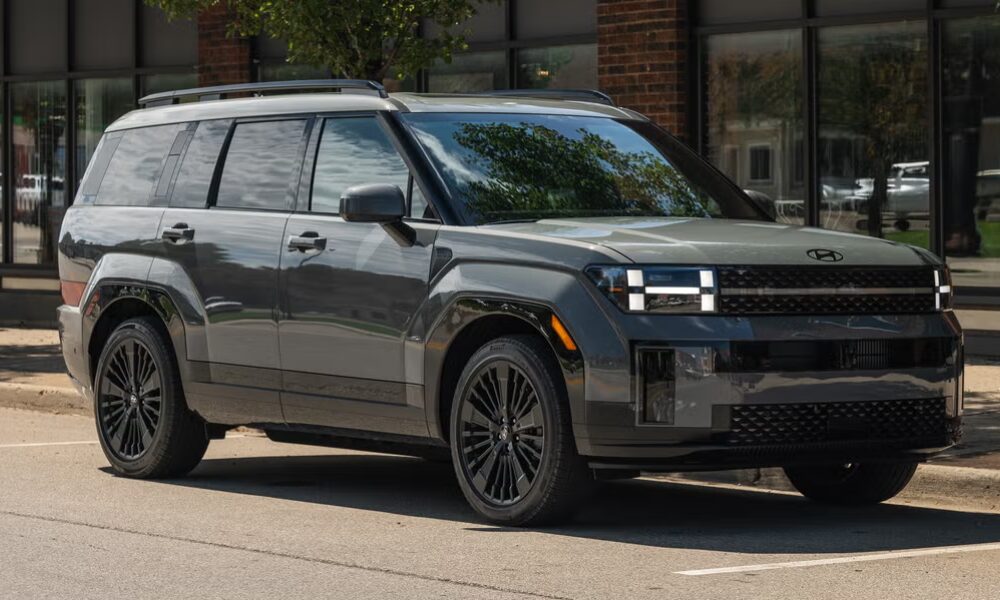
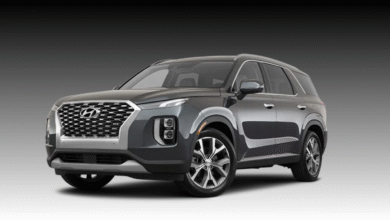
The 2025 Hyundai Santa Fe Hybrid represents one of the most distinctive entries in the midsize hybrid SUV space, thanks to a complete redesign introduced for the previous model year. The new Santa Fe moves away from conservative styling and embraces a bolder, more upright design that immediately sets it apart on the road. Along with the exterior changes, Hyundai also focused on improving interior usability, technology, and overall refinement.
Fuel efficiency for the hybrid version is rated at an EPA-estimated 34 to 36 mpg combined. While these figures are lower than some smaller hybrid SUVs, they remain respectable for a vehicle of this size and capability. In real-world driving, CarDrav testing has shown that matching the highest EPA estimates can be challenging depending on driving conditions and usage, but the hybrid system still delivers a noticeable improvement over the standard gasoline Santa Fe in everyday fuel consumption.
One of the Santa Fe Hybrid’s strongest advantages is its value proposition. Pricing for the hybrid version is closely aligned with the non-hybrid model, which makes choosing the hybrid an easy decision for buyers who want improved efficiency without a significant cost increase. Even with a modest fuel economy gain, the long-term savings and smoother hybrid operation add meaningful appeal.
On the road, the Santa Fe Hybrid emphasizes comfort and stability rather than agility. The ride is composed and well suited to long-distance travel, family road trips, and daily commuting. Its larger size compared to compact SUVs translates into a more planted feel at highway speeds, while the suspension tuning favors smoothness over sportiness.
Inside, the redesigned cabin offers a more modern and spacious environment. Seating comfort is a strong point, particularly for rear passengers, making the Santa Fe Hybrid a practical option for families. Updated interior materials and improved infotainment features contribute to a more premium feel than previous generations, reinforcing the Santa Fe’s move upmarket.
With a starting price of $39,175, the 2025 Hyundai Santa Fe Hybrid sits near the top of the under-$40,000 threshold, but it delivers added space, bold design, and modern features in return. it earns a solid 8.2 out of 10, reflecting its comfort, interior improvements, and overall value proposition. Owner feedback has been more mixed, with average owner reviews at 3.7 out of 5, suggesting that while many owners appreciate the design and space, fuel economy expectations may vary.
For buyers who want a larger, family-oriented hybrid SUV with distinctive styling and minimal price difference compared to its gasoline counterpart, the 2025 Hyundai Santa Fe Hybrid is a worthy option to consider under $40,000.
Quick Comparison: Which Hybrid Fits You Best?
Choosing the right hybrid under $40,000 depends largely on your lifestyle, priorities, and what you expect from your daily drive. While all of the vehicles on this list deliver better fuel economy than their gasoline-only counterparts, each one brings a slightly different set of strengths and compromises. This quick comparison helps you match your needs with the hybrid that fits you best.
If maximum fuel efficiency and everyday savings are your top priorities, the 2025 Toyota Prius and 2025 Kia Niro Hybrid are the clear leaders. Both deliver exceptional combined mpg ratings, with the Prius edging out many competitors thanks to its long history of hybrid refinement. The Niro adds practical cargo space thanks to its hatchback-style layout, making it a strong choice if you want economy without sacrificing utility.
For drivers who want a comfortable and refined sedan experience, the 2025 Toyota Camry Hybrid and 2025 Honda Accord Hybrid stand out. The Camry Hybrid blends excellent fuel economy with a plush ride and a long list of standard features, while the Accord Hybrid offers a slightly more spacious interior and smooth, composed handling. Both are ideal for commuters, families, and anyone who values quiet comfort on longer drives.
If your priority is versatility and everyday utility, compact hybrid SUVs are worth serious consideration. The 2025 Kia Sportage Hybrid and 2025 Hyundai Tucson Hybrid strike an excellent balance of space, technology, and overall comfort, with the Sportage Hybrid earning praise for its strong performance and well-rounded feature set, and the Tucson Hybrid impressing with its updated infotainment and family-friendly interior.
For those who want an SUV experience with a familiar and trusted nameplate, the 2025 Honda CR-V Hybrid offers dependable comfort, ample passenger room, and competitive fuel efficiency. Its familiar feel and practical layout make it a great choice for daily errands, highway trips, and family duties.
Finally, if you need a larger SUV with bold styling and a modern interior, the 2025 Hyundai Santa Fe Hybrid delivers space and features that exceed many compact rivals, even if its fuel economy numbers are a bit lower. It is a strong choice if cargo capacity and passenger comfort are higher on your priority list than outright mpg figures.
No matter which hybrid you choose, each one on this list brings its own strengths below the $40,000 threshold. Thinking about how you intend to use your vehicle most often, whether that means long highway commutes, weekend adventures, or daily city errands, will help you narrow down your best fit. Use this comparison as a practical guide to match your priorities with the hybrid that fits your lifestyle.
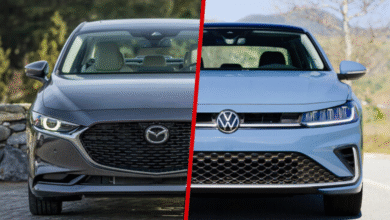
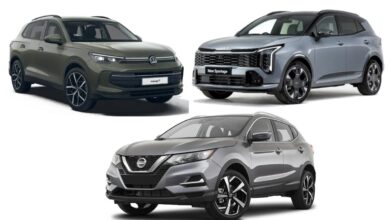
When comparing the best hybrid cars under $40,000, differences in space, efficiency, and comfort become easier to identify.
If you are still comparing your options or want to explore the market beyond affordable hybrids, our in-depth guides cover a much wider range of vehicles and buying scenarios. You can start with Best Used SUVs To Buy in 2025: Top 20 Picks for Every Budget for value-focused shoppers, or dive into electrified crossovers with Best Hybrid SUVs 2025: Top 10 Picks. For direct head-to-head analysis, comparisons like 2025 4Runner vs Land Cruiser vs GX vs Bronco and Kia Sportage vs Nissan Qashqai vs Volkswagen Tiguan break down strengths and weaknesses clearly.
Shoppers looking for a broader overview can explore Best SUVs: Highest-Rated Cars for 2025 or Best Cars of 2025: A Review of the Year’s Automotive Icons. If your interest shifts toward electrification, guides such as Best Electric SUVs 2025 and Best Electric Vehicle Brands in 2025 offer a deeper look at the EV landscape, while comparison pieces like Mercedes EQS vs BMW iX (2025) and Mazda 3 vs Volkswagen Jetta provide detailed, real-world context across different segments.
What to Consider Before Buying a Hybrid Under $40,000
Buying a hybrid vehicle can be one of the smartest choices for reducing fuel costs, lowering emissions, and enjoying modern drivability. However, not all hybrids are created equal, and a few key considerations can help you make a choice that fits your lifestyle and long-term satisfaction. Before you commit to a hybrid under $40,000, here are the main factors to weigh. Fuel economy is one of the most important factors when choosing a hybrid under $40,000. According to official EPA fuel economy data, hybrid cars consistently outperform comparable gasoline vehicles in real-world efficiency.Choosing among the best hybrid cars depends on how you balance fuel economy, interior space, and everyday usability.
Fuel Economy vs Real-World Performance
EPA-estimated fuel economy is a useful benchmark, but real-world numbers can vary based on driving habits, terrain, and daily conditions. Compact hybrids like the 2025 Toyota Prius and 2025 Kia Niro Hybrid often deliver excellent mpg in both city and highway driving, while larger hybrids such as the 2025 Hyundai Santa Fe Hybrid may offer lower mpg figures but still deliver meaningful savings compared to non-hybrid SUVs. Think about your typical daily routes and whether your hybrid’s mpg rating aligns with real-world use.
Interior Space and Practicality
Hybrids come in many body styles, from compact sedans to SUVs with generous cargo room. If you frequently haul passengers, luggage, or equipment, SUVs like the 2025 Kia Sportage Hybrid or 2025 Honda CR-V Hybrid may suit you better than smaller sedans. Sedans such as the 2025 Honda Accord Hybrid and 2025 Toyota Camry Hybrid offer roomy cabins and smooth rides while maintaining efficient performance.
Technology and Safety Features
Modern hybrids often include advanced technology and safety equipment as part of their standard packages. Evaluate the availability of adaptive cruise control, automated emergency braking, lane-centering assist, and infotainment features like wireless Apple CarPlay and Android Auto. The 2025 Hyundai Tucson Hybrid, for example, adds refreshed connectivity that enhances everyday convenience.
Ownership Costs and Reliability
Fuel savings are only part of the ownership equation. Consider long-term maintenance costs, warranty coverage, and reliability ratings. Hybrid systems have additional components compared to traditional gasoline engines, so generous warranty coverage and proven reliability can make a significant difference in peace of mind. Brand reputation and owner satisfaction, reflected in average owner reviews, also help gauge long-term satisfaction.
Cargo Space and Practical Trade-Offs
In some hybrid SUVs, the placement of the battery pack can slightly reduce cargo space compared to non-hybrid versions. This trade-off is often small, but it’s worth checking cargo capacity if you regularly transport large items. Sedans typically maintain their trunk space, but SUVs offer more flexible storage for gear, family needs, and weekend plans.
Pricing and Incentives
While all vehicles in this roundup come in under $40,000, trim levels, packages, and destination fees can push the final price near the top of your budget. It pays to compare feature sets at similar price points to ensure you get the best value for your money. Occasionally, regional incentives, dealer offers, or seasonal promotions can further enhance savings, so explore current deals before finalizing your purchase.
Resale Value and Depreciation
Some hybrids hold their value better than others due to brand reputation, market demand, and perceived long-term reliability. Vehicles with strong resale values can reduce overall cost of ownership, especially if you plan to sell or trade in the future.
By thinking through these considerations before buying a hybrid under $40,000, you position yourself to choose a vehicle that not only saves at the pump, but also fits your daily life, budget, and long-term goals. Prioritize what matters most to you, whether that means maximum fuel economy, spacious interiors, or advanced technology, and let those priorities guide your hybrid choice.
Final Verdict
After evaluating the strongest hybrid options for 2025, it’s clear that the segment has evolved well beyond basic fuel savings. Today’s hybrid SUVs offer meaningful performance, strong real‑world efficiency, refined interiors, and impressive everyday usability. The Honda CR‑V Hybrid remains the most balanced choice overall, combining excellent fuel economy, roomy comfort, and broad appeal that suits families and commuters alike. For buyers prioritizing reliability and long‑term value, the Toyota RAV4 Hybrid continues to deliver a proven package, while those who want a blend of technology and modern design will appreciate what the Hyundai Tucson Hybrid and Kia Sportage Hybrid bring to the table.
Drivers looking for a more upscale experience should consider the Lexus RX Hybrid or Mazda CX‑90 PHEV, each adding a premium feel and dynamic character to the hybrid equation. If your focus is on maximizing fuel savings without sacrificing daily practicality, models like the Kia Niro Hybrid and Ford Escape Hybrid stand out as smart, efficient choices. Plug‑in options such as the Mitsubishi Outlander PHEV offer extra electric‑only driving flexibility for shorter commutes and errands.
Ultimately, the best hybrid SUV for you depends on your priorities — whether it’s efficiency, family space, luxury touches, or plug‑in versatility — but this year’s lineup proves that hybrid powertrains now offer something for nearly every driver without compromise.
FAQ
Is the 2025 Kia Niro Hybrid a good choice under $40,000?
Yes, the 2025 Kia Niro Hybrid is one of the smartest buys under $40,000 for drivers who prioritize fuel efficiency and everyday practicality. Its excellent mpg ratings make it especially appealing for city commuters, while its hatchback-style design provides more cargo flexibility than a typical compact sedan. Although it does not offer all-wheel drive, the Niro strikes a strong balance between affordability, low running costs, and real-world usability, making it an ideal hybrid for urban and suburban lifestyles.
Why is the 2025 Toyota Prius still relevant among modern hybrids?
The 2025 Toyota Prius remains relevant because it continues to deliver what hybrid buyers value most: outstanding fuel economy, proven reliability, and improved everyday comfort. Its latest design is more mainstream and attractive than earlier generations, helping it appeal to a wider audience. For drivers focused on minimizing fuel costs over long-term ownership, the Prius remains one of the most efficient and dependable hybrids under $40,000.
Is the 2025 Toyota Camry Hybrid worth buying now that it is hybrid-only?
Yes, the move to a hybrid-only lineup makes the 2025 Toyota Camry even more compelling. Buyers no longer have to choose between efficiency and familiarity. The Camry Hybrid delivers strong fuel economy while preserving the smooth ride, spacious interior, and reliability that have made the Camry a long-standing favorite. It is an excellent choice for drivers who want a comfortable midsize sedan without sacrificing efficiency.
Does the 2025 Honda Civic Hybrid offer good value compared to rivals?
The 2025 Honda Civic Hybrid offers excellent value by combining compact-car pricing with near-class-leading fuel economy. It is especially well suited for commuters and city drivers who want low fuel costs without giving up a refined driving experience. With hybrid power available on well-equipped trims, the Civic Hybrid feels like a balanced upgrade rather than a compromise, making it one of the best efficiency-focused sedans under $40,000.
Is the 2025 Kia Sportage Hybrid better than the non-hybrid version?
For most buyers, yes. The 2025 Kia Sportage Hybrid offers noticeably better fuel economy and stronger performance than the non-hybrid model, thanks to its turbocharged hybrid system. It also maintains a comfortable ride and a generous list of standard features. The modest price difference is justified by improved efficiency and a more responsive driving feel, making the hybrid version the smarter long-term choice.
Who should consider the 2025 Ford Escape Hybrid?
The 2025 Ford Escape Hybrid is best suited for buyers who want SUV utility at a relatively accessible price point. It delivers competitive fuel economy for its class and offers more cargo space and flexibility than a sedan. While it may not feel as refined as some rivals, its combination of efficiency, practicality, and lower entry cost makes it appealing for budget-conscious SUV shoppers.
Is the 2025 Honda Accord Hybrid a good family sedan?
Yes, the 2025 Honda Accord Hybrid is an excellent family sedan thanks to its spacious interior, smooth ride, and strong fuel economy. Rear-seat comfort is a standout feature, making it suitable for families with adult passengers or growing children. It offers a refined driving experience while keeping fuel costs low, which is ideal for daily commuting and long-distance travel alike.
Should you choose the 2025 Hyundai Tucson Hybrid over smaller hybrid SUVs?
The 2025 Hyundai Tucson Hybrid is a great choice if interior space and comfort matter more to you than maximizing mpg figures. While its fuel economy does not lead the segment, it offers a roomy cabin, updated infotainment features, and a relaxed ride. Families and drivers who value comfort and technology will find the Tucson Hybrid especially appealing.
Is the 2025 Honda CR-V Hybrid worth the extra cost over the standard CR-V?
For many buyers, the answer is yes. The 2025 Honda CR-V Hybrid delivers significantly better fuel economy with only minor compromises, such as a small reduction in cargo space. It retains the CR-V’s trusted reputation, comfortable ride, and practicality, making the hybrid version a strong upgrade for drivers who want lower running costs without changing what they already like about the CR-V.
Does the 2025 Hyundai Santa Fe Hybrid make sense despite lower fuel economy?
Yes, the 2025 Hyundai Santa Fe Hybrid makes sense for buyers who want more space and a bold design while still benefiting from hybrid efficiency. Although its mpg figures are lower than smaller hybrids, the price difference compared to the non-hybrid model is minimal. That makes the hybrid version a logical choice for families who want improved efficiency without sacrificing size, comfort, or modern features.
Which hybrid under $40,000 is the best overall choice?
There is no single besthybrid for everyone. Buyers focused on maximum fuel savings may prefer the Toyota Prius or Kia Niro Hybrid. Families may gravitate toward SUVs like the Kia Sportage Hybrid, Honda CR-V Hybrid, or Hyundai Santa Fe Hybrid. Drivers who want sedan comfort with strong efficiency will find excellent options in the Toyota Camry Hybrid and Honda Accord Hybrid. The best choice ultimately depends on how you balance efficiency, space, comfort, and budget. the best hybrid cars are the ones that match their daily driving needs rather than simply offering the highest mpg number.