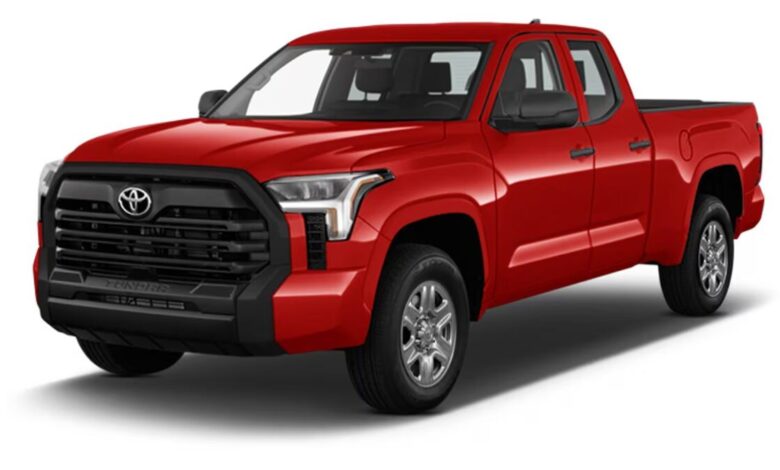
The 2026 Toyota Tundra continues to stand as one of the most capable and adaptable full-size pickup trucks available today. Known for its reliability and toughness, Toyota’s largest truck now blends strength with refinement in a way that redefines what a modern pickup can be. Whether you are searching for a dependable work companion or an off-road machine that can take you far beyond the pavement, the Tundra is designed to handle both worlds effortlessly.
The latest model refines the major redesign introduced recently, improving comfort, usability, and overall driving quality. It feels less like a bare tool for work and more like an all-purpose machine ready for anything, from towing heavy loads to cruising comfortably on long highway drives. Toyota has clearly studied its competitors such as the Ford F-150, Ram 1500, and Chevrolet Silverado 1500, yet it stays true to its own character, built on durability, simplicity, and a proven track record of reliability.
Under the hood, the 2026 Tundra continues with the powerful twin-turbo V6 engine that replaced the older V8, offering better fuel economy and more torque. For those who choose the i-Force Max hybrid powertrain, the experience becomes even more impressive, with instant torque, smoother acceleration, and remarkable efficiency for a truck of this size. It feels modern, confident, and ready to tackle whatever task comes next.
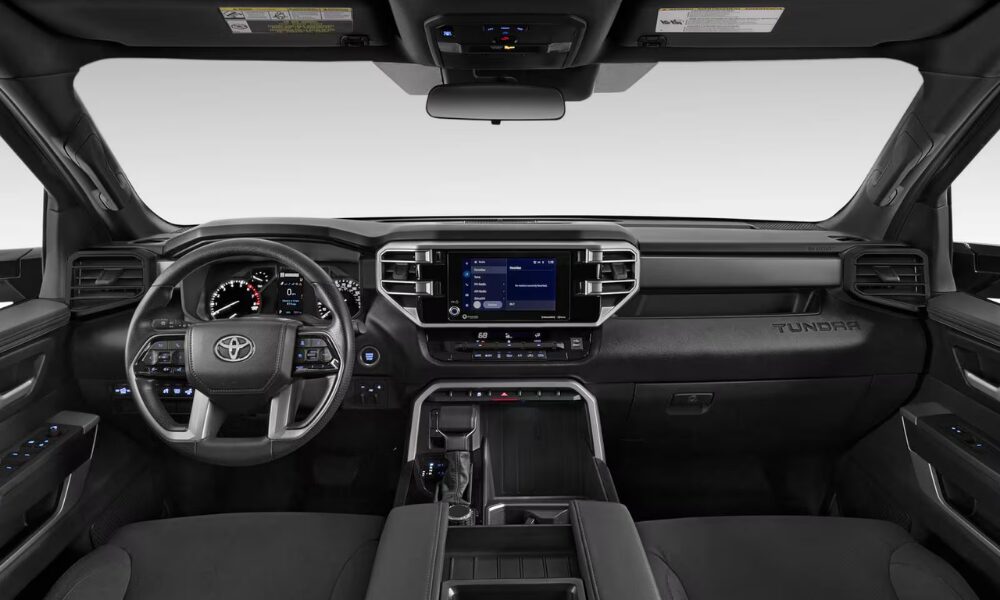
Inside, the cabin reflects Toyota’s recent shift toward premium comfort. The interior materials are of high quality, the seating is supportive, and the controls are simple and logical. The large touchscreen display, responsive infotainment system, and clear graphics make operating the truck effortless, while the generous space and clever storage keep it practical for everyday use.
Ultimately, the 2026 Toyota Tundra is more than just a workhorse. It is a pickup that balances brawn with sophistication, built for both the job site and the family trip. It remains a true Toyota product, dependable and thoughtfully engineered, designed to last through years of hard use while keeping its passengers comfortable and confident on any journey.
2026 Toyota Tundra Review
Pros
- Smooth and confident power delivery from the turbocharged V6 engine
- User-friendly interior layout with easy-to-use controls
- Durable composite bed that resists dents, scratches, and corrosion
- Available 14-inch touchscreen with sharp graphics and intuitive operation
Cons
- Base engine fuel economy remains below expectations during real-world driving
- Thick front roof pillars slightly reduce outward visibility
What’s New
- Minor adjustments to standard and optional features for 2026
- Continues as part of the third-generation Tundra lineup introduced in 2022
Overview
The Toyota Tundra built its legacy as a tough yet comfortable full-size pickup truck many years ago, and the latest model remains the most livable and refined version yet. The current generation, first launched in 2022, moves the brand into a modern era of performance, efficiency, and advanced technology.
Power comes from a twin-turbocharged V6 engine that delivers smooth acceleration and noticeably better fuel efficiency compared to older V8 rivals. For drivers who crave even more capability, the available i-Force Max hybrid powertrain adds an electric motor between the engine and transmission, boosting output and torque while maintaining excellent towing strength.
Buyers can configure the Tundra in multiple ways, including various cab sizes, bed lengths, and the choice between rear-wheel or four-wheel drive. This flexibility allows it to serve multiple roles: a hard-working tool for contractors, an off-road-ready rig for adventure seekers, or a luxury truck equipped with leather upholstery and advanced tech features.
The 2026 Toyota Tundra manages to balance power, comfort, and innovation in a way few trucks can. It feels engineered for the modern driver who expects strength and dependability, but also demands refinement, convenience, and a touch of sophistication in everyday use.
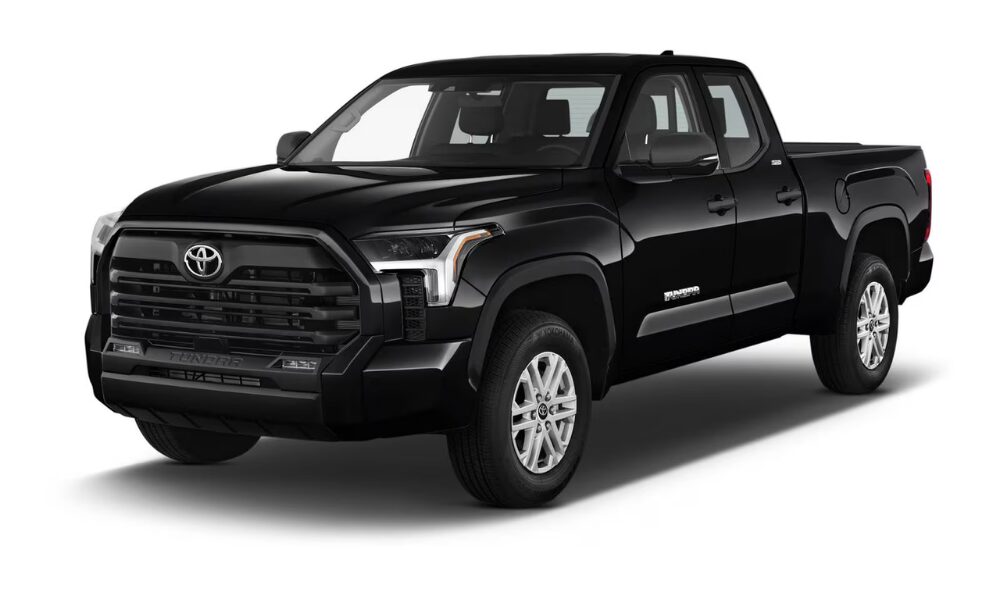
Hybrid Power
Toyota’s long mastery of hybrid systems takes on a new dimension in the 2026 Tundra, where electrification becomes a performance tool rather than a mileage gimmick. The truck’s i-Force Max hybrid powertrain merges a twin-turbocharged 3.4-liter V6 engine with an electric motor in a seamless partnership that produces a total of 437 horsepower and 583 lb-ft of torque. The result is immediate, controlled strength that gives the Tundra a confident feel under any load or terrain.
What truly stands out is how naturally this system delivers its energy. Instead of the stop-and-go sensation common in some hybrids, the power here flows in one continuous wave. Drivers can pull away from a standstill, merge into fast-moving traffic, or climb a steep grade without hesitation. The electric motor’s contribution feels invisible yet essential, smoothing every shift and making the truck respond with precision rather than brute force.
This approach to hybridization isn’t about chasing record-breaking mpg figures, but about giving drivers more usable torque and refinement in everyday driving. It makes highway cruising quieter, city maneuvers lighter, and towing duties less stressful. The integration is so well tuned that it feels engineered as one cohesive system rather than two power sources working separately. For truck owners who value strength and sophistication in equal measure, the Tundra’s hybrid personality redefines what a full-size pickup can be.
Competitors to Consider
In the fiercely contested full-size segment, the 2026 Tundra goes head-to-head with some of the strongest names in the industry. The Ford F-150, Chevrolet Silverado 1500, GMC Sierra 1500, and Ram 1500 each bring their own interpretation of power and comfort, yet none mirror Toyota’s hybrid direction as closely. The F-150 continues to dominate the sales charts with its broad lineup and constant innovation. Chevrolet’s Silverado leans toward practicality and wide configurability, while GMC’s Sierra adds a layer of premium polish to everyday toughness. The Ram 1500 remains the benchmark for ride comfort, offering a cabin that feels almost luxury-grade.
Each competitor offers multiple body styles, drivetrain options, and specialized trims for off-road, work, or family use. The variety is immense, but the Tundra distinguishes itself with its combination of electrified performance and unmistakable Toyota durability. Where others rely on size or luxury to impress, the Tundra earns attention through consistency and smart engineering. It is a truck that embraces modern technology without losing its authentic pickup spirit, standing shoulder to shoulder with America’s biggest names while charting its own, distinctly Toyota path forward.
- You Might Also Like
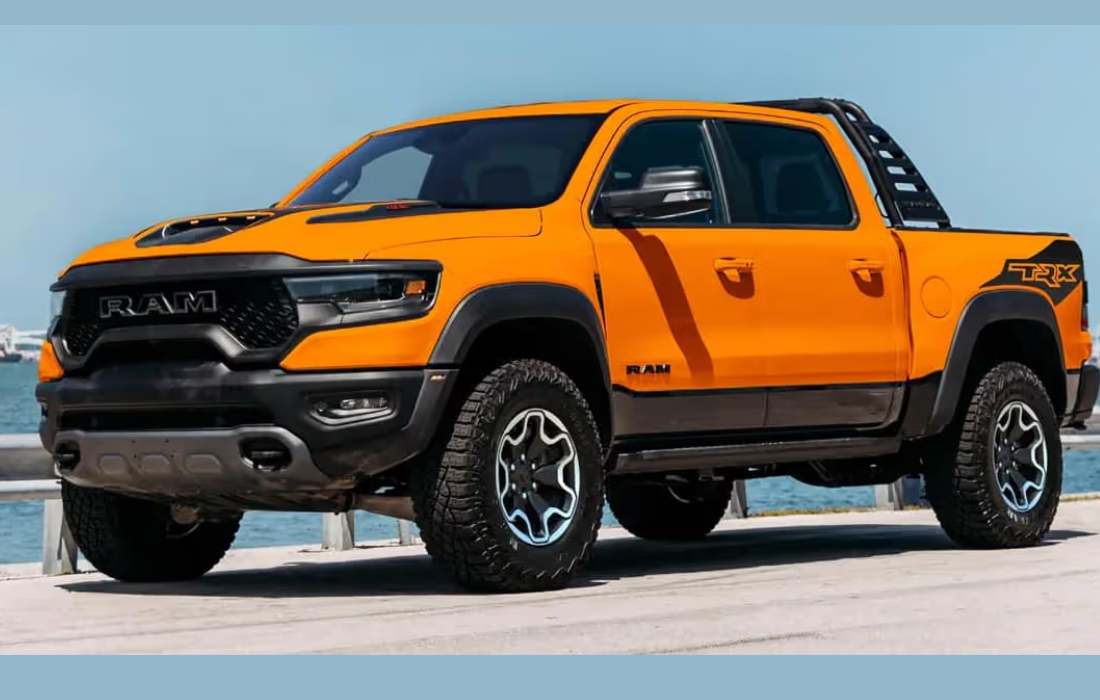
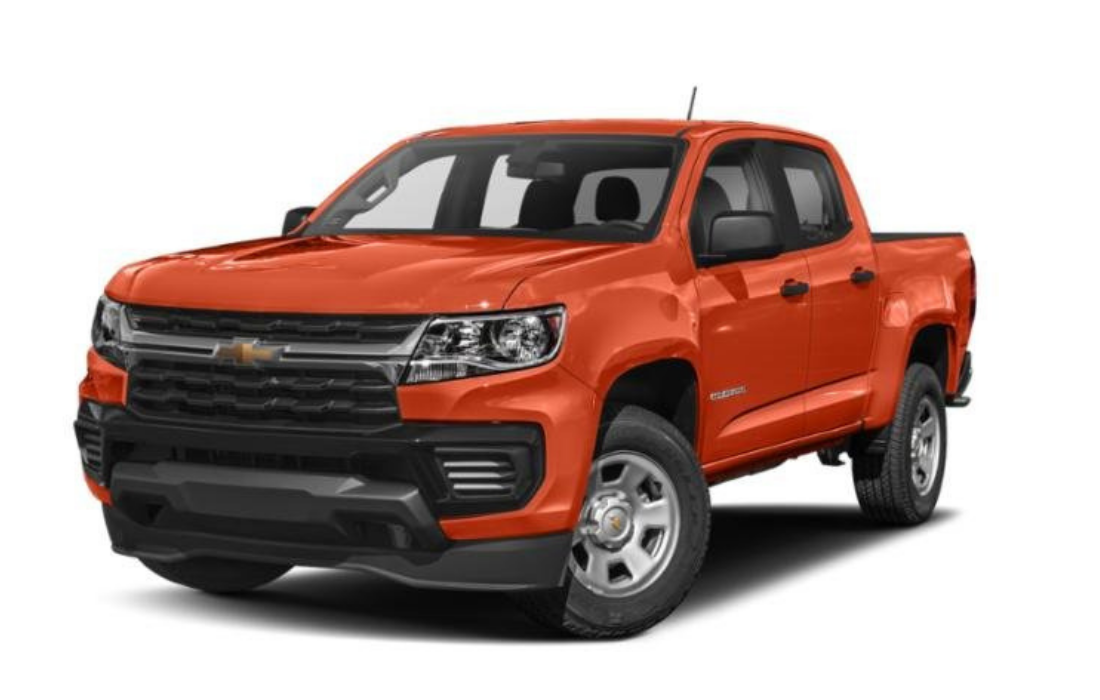
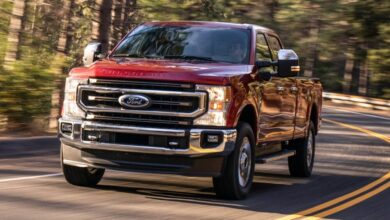
If you enjoy exploring powerful trucks and rugged engineering, here are a few more reviews that might catch your attention: the 2022 Ram 1500 TRX Review, a deep dive into raw performance and desert-dominating capability, and the 2022 Chevrolet Colorado, where midsize strength meets versatility. You might also appreciate the Ford F-250 2022 Review, a detailed look at one of the toughest workhorses on the market.
For GMC fans, the Detailed Diagram and Analysis of GMC Trucks and the 2023 GMC Sierra 1500 Review showcase how refinement and muscle coexist under one badge. Off-road enthusiasts shouldn’t miss the 2023 Ford F-150 Raptor R Review, the ultimate expression of off-road performance in a production pickup, or the 2022 Jeep Gladiator Crew Cab Review, a truck that blends Wrangler heritage with practical utility.
Electric and innovation-driven readers will find the 2022 Rivian R1T Review a fascinating look at the new wave of all-electric pickups redefining the segment. And if you’re drawn to bold styling and unrelenting force, check out the 2024 Ram 1500 TRX Review, where modern design meets supercharged fury. Lastly, the 2023 Jeep Gladiator Review explores how Jeep’s trail-conquering DNA continues to evolve with each generation.
Driving Experience
Behind the wheel, the 2026 Toyota Tundra feels solid, responsive, and well-balanced for a truck of its size. The turbocharged 3.4-liter V6 delivers strong pull across the rev range, giving the driver instant access to torque without the need to push hard. Paired with a refined ten-speed automatic transmission, power transitions feel smooth and direct, with each shift happening cleanly and at the right moment. On open roads, acceleration is steady and confident, making highway passing feel easy and stress-free. In testing, a four-wheel-drive version reached 60 mph in just 6.6 seconds, which is impressively quick for a full-size pickup.
Braking performance is equally reassuring. Even with all-terrain tires mounted, the Tundra stops shorter than many of its competitors, inspiring confidence during sudden halts. Steering precision is another highlight, offering a sense of control that makes this large truck feel more manageable than its size suggests. The steering remains light at low speeds and gains reassuring weight as the pace increases, keeping the driver connected to the road without unnecessary effort.
When the pavement ends, the Tundra’s character doesn’t suddenly change. It maintains composure on gravel and dirt trails, and while the TRD Off-Road package adds useful tools like a locking rear differential and multiple terrain settings, the truck’s sheer bulk can still make tight or uneven paths a challenge. Drivers seeking more extreme trail performance will find the TRD Pro model better suited for that mission.
Overall, the 2026 Tundra delivers a composed and predictable driving experience that blends power, control, and everyday usability. It might not be the softest-riding pickup in its class, but its handling confidence, quick reflexes, and well-tuned chassis make it one of the most engaging and trustworthy trucks to drive on any surface.
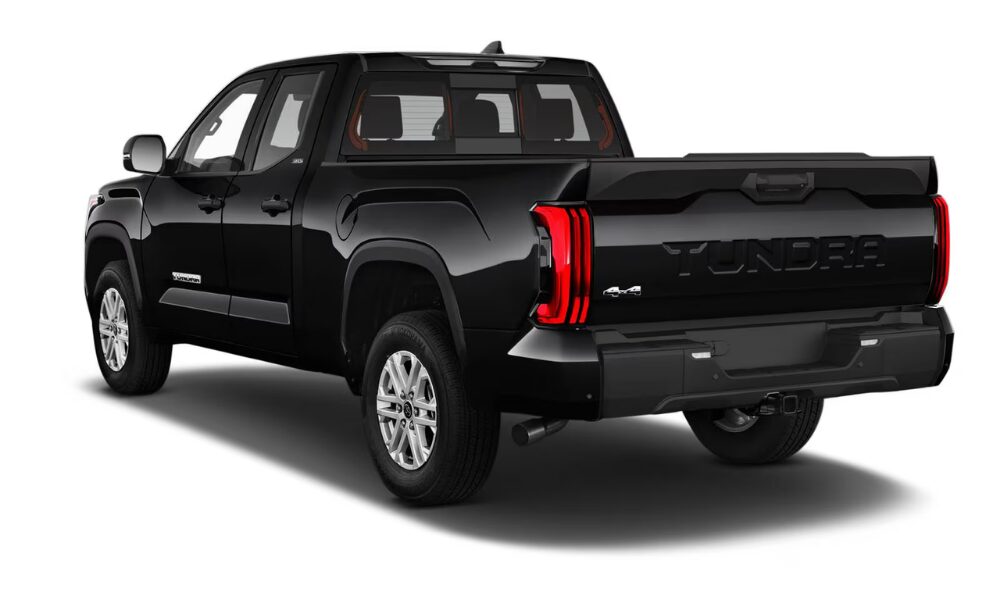
Comfort
The 2026 Toyota Tundra delivers a level of comfort that feels surprisingly refined for a truck built to tackle hard work. Space is generous in every direction, and the CrewMax configuration offers room for five adults to stretch out without compromise. The seating position is upright and commanding, providing a clear view of the road ahead while keeping every control within easy reach. Long-distance drives are effortless thanks to well-padded seats that balance support and softness, reducing fatigue on extended trips.
Adding the optional panoramic sunroof and full-width power rear window enhances the sense of openness inside the cabin. Natural light pours in, giving the interior an airy, almost SUV-like atmosphere. Passengers in the back benefit from wide door openings and plenty of legroom, making the Tundra ideal for both work crews and families who value space and comfort.
While the massive 14-inch touchscreen immediately captures attention, what truly defines the cabin experience is its simplicity. The dashboard layout is logical and uncluttered, and physical controls remain satisfying to use. Toyota’s decision to retain traditional knobs and buttons for climate and volume settings pays off, especially when driving on rough roads or while wearing gloves. Every switch feels deliberate and solid, contributing to the truck’s durable personality.
Noise insulation has also improved significantly. Wind and road noise are well suppressed, allowing conversations to remain clear even at highway speeds. The suspension filters out most imperfections, keeping the ride composed without feeling overly soft. Altogether, the 2026 Tundra offers a thoughtful balance between utility and comfort, creating an interior that feels both functional and inviting, perfectly suited to the demands of modern truck owners.
In-Cabin Tech
Technology in the 2026 Toyota Tundra plays a central role in shaping its modern identity. The optional 14-inch touchscreen dominates the dashboard, serving as both a visual centerpiece and a functional command hub. Its high-resolution display delivers crisp graphics and fluid animations, making it one of the most impressive interfaces in the full-size truck segment. The menus are logically arranged, and the response time is fast enough to make it feel as natural as using a smartphone. Drivers can easily adjust navigation settings, audio controls, or vehicle functions with just a quick glance, minimizing distraction.
Toyota’s infotainment software has matured into a system that feels both capable and approachable. Voice recognition works accurately, even in noisy environments, and the built-in navigation provides clear directions with real-time traffic updates. Wireless Apple CarPlay and Android Auto are standard, though many drivers might find the native interface intuitive enough to skip them entirely. The truck’s digital instrument cluster and optional head-up display present vital information cleanly, keeping focus where it belongs, on the road ahead.
Audio quality is another strength. While the upgraded JBL premium system delivers deep, balanced sound across all seating positions, the standard setup remains more than satisfying for most users. USB-C ports, wireless charging, and multiple power outlets add everyday practicality, ensuring that passengers stay connected on long drives. Together, these systems make the 2026 Tundra feel not just technologically advanced, but thoughtfully designed for real-world use, turning every trip into a comfortable and connected experience.
Storage
Practicality has always been one of the Toyota Tundra’s strongest traits, and the 2026 model continues that tradition with clever use of cabin space. The CrewMax configuration makes daily life easier, offering an abundance of storage areas inside the cabin for gear, tools, and personal items. The rear underseat compartment provides a large hidden area perfect for valuables or work equipment, while front passengers benefit from deep door pockets, large cupholders, and a center console big enough to hold a laptop or small bag.
Still, the interior organization could be improved. While there are plenty of spaces to store things, the layout lacks the thoughtful segmentation found in some competitors. It’s easy for smaller items to end up scattered across bins and trays after a long drive. Fortunately, the Tundra’s cabin materials feel durable and easy to clean, so even if things get cluttered, the truck maintains its tidy, rugged appeal. Whether you’re stowing tools during the week or packing up for a weekend trip, the Tundra offers practical versatility that fits real-world needs.
Value
The 2026 Tundra holds its ground as a strong value in the full-size pickup market. The interior build quality stands out immediately, with tight panel gaps, solid materials, and precise fitment that communicate long-term durability. Even the midrange Limited trim feels well-constructed, avoiding the cost-cutting touches that sometimes appear in other mainstream trucks. While it lacks the flashy chrome or wood accents found in certain competitors, the Tundra’s clean design and attention to detail keep it feeling genuinely upscale.
Toyota’s pricing strategy also works in its favor. The Tundra typically undercuts rivals like the Ford F-150 or GMC Sierra by a few thousand dollars when similarly equipped, yet it delivers comparable capability and refinement. Warranty coverage is solid, with three years or 36,000 miles of bumper-to-bumper protection and five years or 60,000 miles for the powertrain. Toyota goes a step further with two years or 25,000 miles of complimentary maintenance, an advantage that adds real-world value over time.
Towing & Hauling
The 2026 Toyota Tundra may not top the charts for raw towing capacity, but it offers more than enough muscle for the average truck owner. Its balanced chassis and strong powertrain make pulling medium-sized trailers, small boats, or campers feel natural and controlled. The truck remains stable under load, with minimal sway and responsive braking, even on uneven roads. For everyday hauling tasks, like construction materials, yard supplies, or camping gear, the Tundra performs with confidence and consistency.
While serious heavy haulers might prefer the specialized towing setups available in the Ford F-150 or Chevrolet Silverado, the Tundra hits the sweet spot between usability and comfort. It is built for owners who want reliable strength without sacrificing ride quality or ease of operation. With its sturdy frame, well-tuned suspension, and dependable torque delivery, the Tundra proves that capability isn’t just about numbers , it’s about how effortlessly the truck handles the job.
MPG
Fuel economy has never been the strongest selling point for full-size pickups, and the 2026 Toyota Tundra is no exception. While Toyota’s engineering has focused on performance and capability, efficiency remains an area where expectations should be tempered. According to EPA estimates, the four-wheel-drive version returns about 19 mpg combined, which keeps it competitive with most rivals in its class. However, in real-world driving, numbers can vary significantly depending on terrain, load, and driving habits.
During extended testing, our Tundra averaged around 15.2 mpg, a figure that reflects the reality of daily use rather than ideal lab conditions. Around town, the turbocharged V6 provides smooth acceleration but tends to sip more fuel under heavy throttle. On the highway, efficiency improves slightly, but it never approaches the lofty numbers of smaller or diesel-powered pickups. The hybrid variant does offer marginal gains under light loads, yet its primary goal is delivering power and smoothness rather than fuel savings. Still, for a truck of this size and strength, the Tundra performs within acceptable limits, especially considering its refined power delivery and consistent capability.
X-Factor
What truly makes the Tundra stand out isn’t class-leading stats or headline-grabbing performance figures, but its balance of competence and composure. It’s not the flashiest truck in the lot, nor the most powerful or luxurious, yet it carries an authenticity that feels distinctly Toyota. The design is modern and purposeful without overdoing it, and every control, button, and surface seems to serve a function.
On the road, the Tundra’s ease of operation shines through. Despite its large footprint, it drives with a level of calm predictability that inspires confidence. The steering feels natural, the brakes respond intuitively, and the suspension soaks up most imperfections without turning soft. It’s a truck that feels easy to live with day after day, especially for owners who value stability over drama. There’s a reassuring familiarity in the way it drives, almost reminiscent of the smaller Tacoma, but with far greater strength and maturity.
2026 Toyota Tundra Trim Level Differences
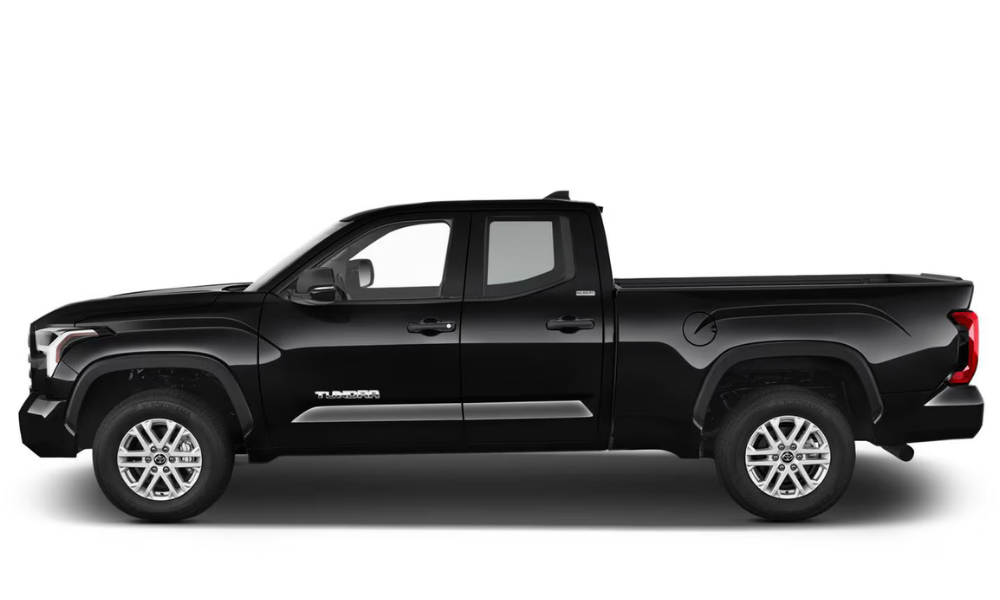
The 2026 Toyota Tundra lineup is impressively diverse, offering configurations that cater to every type of truck buyer. It comes in Double Cab and CrewMax body styles, both available with short- or long-bed options. Buyers can choose from seven trim levels: SR, SR5, Limited, Platinum, 1794 Edition, TRD Pro, and Capstone.
The base SR and SR5 trims focus on practicality and durability, ideal for work and light-duty needs. Stepping up to the Limited adds a richer interior, advanced tech, and access to the hybrid i-Force Max system. The Platinum and 1794 versions elevate luxury and design, while the TRD Pro is built purely for off-road performance. Sitting at the top, the Capstone trim delivers near-luxury refinement, featuring premium materials and distinctive styling.
Which Tundra Trim Does CarDrav Recommend?
Among the many choices, CarDrav recommends the Limited trim as the sweet spot in the lineup. It strikes the ideal balance between price, comfort, and technology. This version includes heated and ventilated power-adjustable seats, an expansive 14-inch touchscreen, and high-quality materials throughout the cabin. It also unlocks the option for the i-Force Max hybrid powertrain, giving drivers the best mix of power, refinement, and everyday usability.
The Limited trim captures what makes the 2026 Tundra so appealing: durability, sophistication, and practicality, all without pushing into premium pricing territory. For most buyers, it represents the version that truly delivers the essence of Toyota’s modern truck philosophy rugged reliability paired with genuine comfort and value.
FAQ
Is the Toyota Tundra a good truck?
The 2026 Toyota Tundra stands out as a dependable and well-balanced full-size pickup. Expert testing scores it at 7.2 out of 10, reflecting its strong mix of power, refinement, and advanced features. Owners have rated it an average of 4 out of 5 stars, citing its smooth performance, spacious cabin, and trustworthy nature. Safety remains a major strength, supported by solid NHTSA and IIHS crash-test results. Combined with Toyota’s proven reliability, the Tundra continues to be one of the most capable and confidence-inspiring pickups in its class.
What’s new for the 2026 Toyota Tundra?
The 2026 model year brings subtle updates to the third-generation Tundra, which originally debuted in 2022. Toyota has refined standard and optional feature availability, improving usability and customization across trims. Mechanically, the truck remains unchanged, keeping its proven platform, turbocharged engines, and hybrid option intact. These minor updates strengthen the Tundra’s reputation for consistency, giving buyers modern amenities without compromising its rugged personality.
Is the Toyota Tundra reliable?
Reliability is one of the Tundra’s defining traits. Real-world owners praise its durability, solid build quality, and minimal long-term issues. Common highlights include a well-engineered drivetrain and sturdy materials that stand up to years of hard use. Some drivers mention fuel economy as a weak point, but overall feedback places the Tundra among the most dependable trucks on the market. It competes closely with the Ford F-150 and Ram 1500, often outlasting rivals in long-term ownership satisfaction.
Is the 2026 Toyota Tundra a good car overall?
When evaluated as a complete package, the 2026 Tundra impresses with its blend of capability and comfort. Expert reviews rate it 7.2 out of 10, while consumer ratings average 4 stars out of 5, based on real ownership experiences. Its combination of solid towing performance, refined driving manners, and advanced in-cabin technology makes it a versatile choice. Buyers who prioritize safety, durability, and usability over pure luxury will find the Tundra a smart and satisfying investment.
How much should I pay for a 2026 Toyota Tundra?
The 2026 Toyota Tundra lineup begins with the SR 4dr Double Cab Short Bed powered by a 3.4-liter twin-turbo V6 paired with a 10-speed automatic transmission. Including destination charges, it carries a Manufacturer’s Suggested Retail Price (MSRP) of around $41,260, giving buyers a solid entry point into Toyota’s full-size truck range.
For those seeking different bed lengths, drivetrain layouts, or equipment packages, Toyota offers several configurations, each tailored to specific needs and budgets. Below is the official pricing structure for the core variants in the 2026 model year:
- Tundra SR 4dr Double Cab SB (3.4L Turbo V6, 10A) – starting at $41,260
- Tundra SR 4dr Double Cab LB (3.4L Turbo V6, 10A) – starting at $41,590
- Tundra SR 4dr Double Cab 4WD SB (3.4L Turbo V6, 10A) – starting at $44,260
- Tundra SR5 4dr Double Cab SB (3.4L Turbo V6, 10A) – starting at $46,510
- Tundra SR5 4dr Double Cab 4WD SB (3.4L Turbo V6, 10A) – starting at $49,510
- Tundra SR5 4dr Double Cab 4WD LB (3.4L Turbo V6, 10A) – starting at $50,375
These prices represent base configurations before additional options, regional adjustments, or dealer-installed packages. Shoppers looking for higher-end trims such as Limited, Platinum, or 1794 Edition can expect prices to rise accordingly, while the flagship Capstone hybrid model tops the lineup with near-luxury features and elevated performance.
As always, the final transaction price may vary depending on dealership incentives, destination fees, and regional supply. Buyers are encouraged to compare local offers and verify whether their chosen configuration includes key upgrades such as the hybrid i-Force Max powertrain or advanced driver-assistance packages before finalizing the deal..
What are the different models of the 2026 Toyota Tundra?
Toyota’s lineup for 2026 includes seven trims: SR, SR5, Limited, Platinum, 1794 Edition, TRD Pro, and Capstone. Each model caters to a specific type of buyer. The SR and SR5 trims emphasize durability and practicality, the Limited offers a refined middle ground, and the Platinum and 1794 Edition add premium materials and advanced tech. The TRD Pro targets off-road enthusiasts with trail-ready hardware, while the Capstone stands as the luxury flagship. Buyers can choose between Double Cab and CrewMax configurations, with short or long beds, ensuring there’s a Tundra for every lifestyle and purpose.