The 2026 Nissan Rogue Plug-In Hybrid is a significant new addition to Nissan’s U.S. lineup. It is the brand’s first plug-in hybrid in the United States, combining electric driving capability with a gasoline engine, standard all-wheel drive and three rows of seating for up to seven passengers.
Those advantages also make the Rogue PHEV considerably more expensive than the regular Rogue. Its biggest benefit is the ability to handle up to 38 miles of daily driving on electricity, but that benefit depends on actually charging the battery. If you can plug in regularly, the Rogue can reduce gasoline use while providing more power and greater flexibility. If you rarely charge, much of the reason to pay the premium disappears.
That makes the most important question fairly simple: Is the 2026 Nissan Rogue Plug-In Hybrid worth its higher price if you can charge it regularly?
Pros and Cons
Pros
- Up to 38 miles of EPA-estimated electric range
- 248-hp plug-in hybrid powertrain
- Standard all-wheel drive
- Seven-seat layout
- Comfortable ride
- Strong standard technology
- Genuine fuel-saving potential with regular charging
Cons
- Expensive compared with the regular Rogue
- Third row is best suited to children
- No DC fast charging
- 26 mpg combined after the battery is depleted
- Electric range trails the 2026 RAV4 Plug-In Hybrid
- Higher price makes charging habits especially important
What’s New for the 2026 Nissan Rogue Plug-In Hybrid?
The plug-in hybrid is an entirely new addition to the Rogue lineup for 2026. It uses a 2.4-liter four-cylinder engine, two electric motors and a 20-kWh lithium-ion battery.
Nissan rates the system at 248 net horsepower and 332 lb-ft of net torque. The electric motors provide propulsion at the front and rear, giving the Rogue Plug-In Hybrid standard Intelligent All-Wheel Drive.
The PHEV also introduces something the regular Rogue does not offer: three rows of seating. With room for up to seven passengers, the Rogue PHEV occupies a distinctive position among compact plug-in hybrid SUVs.
Nissan estimates up to 38 miles of all-electric driving and up to 420 miles of total driving range. The result is a Rogue designed to cover short daily trips electrically while retaining the flexibility of a gasoline engine for longer journeys.
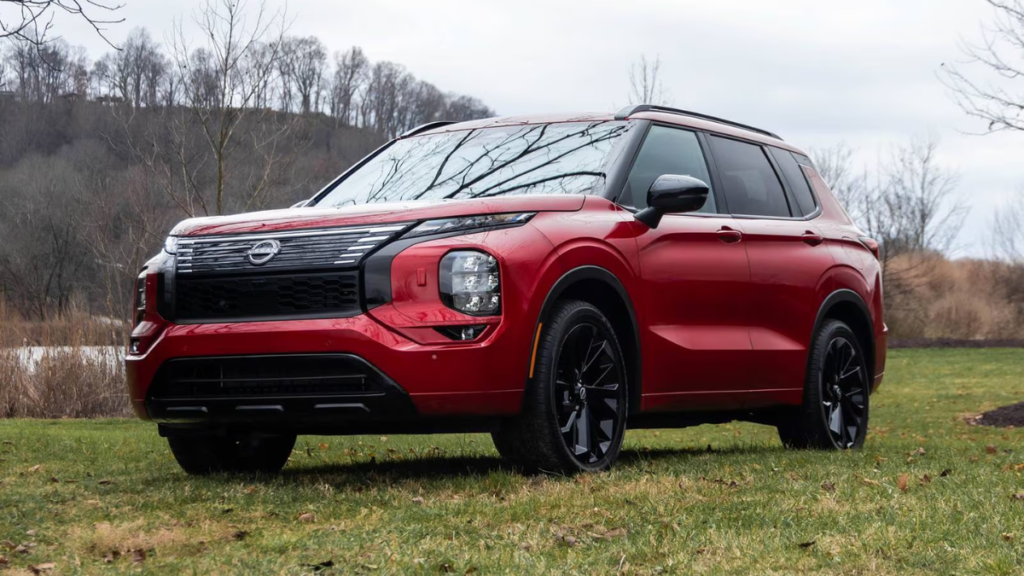
Pricing and Trims
The 2026 Nissan Rogue Plug-In Hybrid is available in two trims: SL and Platinum. The SL starts at $45,990, while the Platinum starts at $49,990. Nissan currently lists a $1,545 destination charge for both models.
That puts the SL at $47,535 before taxes, registration, dealer fees and optional equipment. The Platinum comes to $51,535 before those additional costs. The SL is already well equipped, while the Platinum focuses on premium comfort and technology rather than additional power or electric range.
| Feature | SL | Platinum |
|---|---|---|
| Starting MSRP | $45,990 | $49,990 |
| Seating | 7 | 7 |
| Front seats | Heated, 8-way power driver | Heated, power driver and passenger |
| Digital display | 12.3-inch | 12.3-inch |
| Head-up display | Not available | Standard |
| Audio system | 6-speaker | 9-speaker Bose |
| Rear heated seats | Not available | Standard |
| Panoramic moonroof | Not available | Standard |
| 120V household outlets | Not available | Two |
Rogue PHEV Powertrain and Performance
The Rogue Plug-In Hybrid combines its 2.4-liter four-cylinder engine with a 114-hp front electric motor and a 134-hp rear electric motor. A 20-kWh battery supplies the electrical energy needed for the system.
The electric motors give the Rogue immediate response at low speeds, which is one of the clearest differences from the regular Rogue. The standard model uses a 1.5-liter turbocharged three-cylinder engine with 201 horsepower, while the PHEV has 248 horsepower.
The extra output is useful in everyday driving rather than simply being a specification-sheet advantage. Electric torque gives the Rogue PHEV a responsive feel when pulling away from a stop, while the gasoline engine provides additional support when higher power is required.
The PHEV is not intended to be a sporty crossover. Its priorities are comfort, efficiency and predictable everyday performance. The suspension favors a smooth ride, and the added weight of the hybrid system does not turn the Rogue into a performance vehicle.
The powertrain also offers several drive modes that allow the driver to prioritize electric operation, preserve battery charge or use the gasoline engine more actively. That flexibility is useful when, for example, a driver wants to save electric range for slower city driving later in the trip.
Rogue PHEV Electric Range, Charging and Fuel Economy
The most important number for the Rogue Plug-In Hybrid is its 38-mile EPA-estimated electric range. For drivers with short daily commutes, that can cover a large portion of everyday driving without using gasoline.
Actual electric range will vary with temperature, speed, climate-control use, terrain and driving conditions. Like any plug-in vehicle, the Rogue benefits most when its battery is charged regularly.
Charging is relatively slow compared with a full electric vehicle. Nissan lists approximately 7.5 hours for a full charge using a 240-volt connection. The Rogue PHEV does not offer DC fast charging, reinforcing the idea that it is primarily designed to be charged at home or at a destination rather than during short highway stops.
Nissan also lists an EPA-estimated total driving range of up to 420 miles. Its combined rating is 64 MPGe when gasoline and electricity are considered together.
Once the battery’s charge has been depleted, the Rogue Plug-In Hybrid is rated at 25 mpg city, 27 mpg highway and 26 mpg combined. That is an important figure for buyers to understand because the vehicle is not intended to compete with conventional hybrids purely on gasoline efficiency.
The Rogue PHEV makes the most sense when its owner regularly uses the electric range. Charging every night can turn a large portion of routine driving into electric miles. Someone who rarely plugs in will carry the additional cost and weight of the PHEV system without getting its full efficiency benefit.
Interior, Comfort and Technology
The Rogue PHEV has a practical cabin that emphasizes comfort and straightforward controls. The SL includes heated front seats, an eight-way power driver’s seat, a 12.3-inch digital instrument display and a 9-inch NissanConnect touchscreen.
Wireless Apple CarPlay, wired Android Auto compatibility, wireless smartphone charging and four USB ports are standard. The physical climate controls are also welcome because they allow basic adjustments without navigating through touchscreen menus.
The Platinum adds a more upscale set of features. It includes leather-appointed seating, heated rear seats, a heated steering wheel, a panoramic moonroof, a head-up display and a nine-speaker Bose audio system.
The Platinum also adds two household-style 120-volt outlets capable of providing up to 1,500 watts. That can be useful for camping, tailgating or powering small equipment while the vehicle is parked.
The SL, however, already covers the essentials. Buyers who care more about value than premium cabin features do not have to move to the Platinum to get the fundamental PHEV technology.
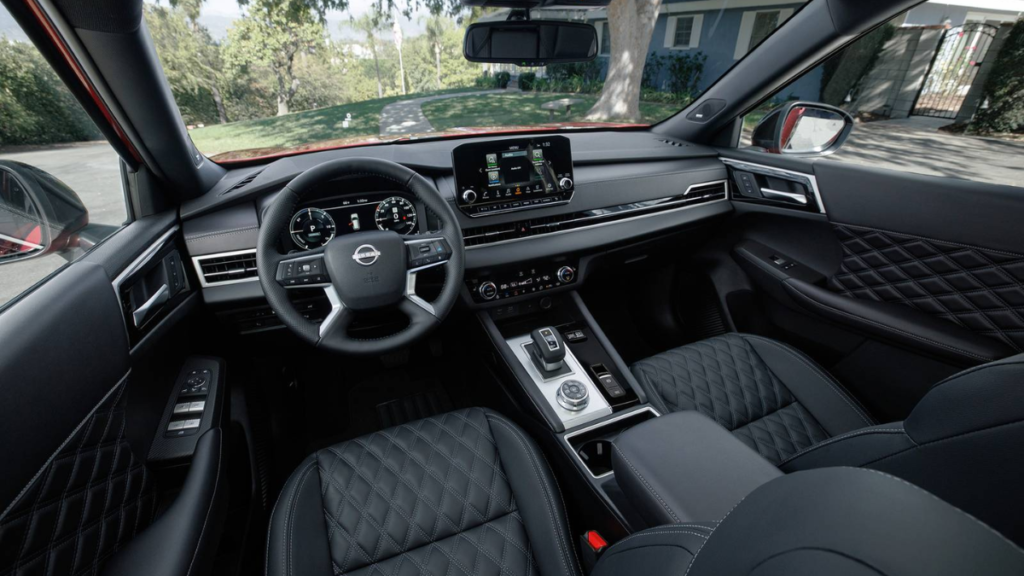
Seven Seats and Cargo Space
The third row is the Rogue PHEV’s biggest practical advantage over the regular Rogue.
There is a catch. Third-row legroom is only 19.1 inches, so those seats are better suited to children and occasional passengers than adults on long journeys.
Cargo capacity is also closely tied to how the three rows are being used. Nissan lists 12.8 cubic feet behind the third row and up to 64.7 cubic feet with the rear seating folded.
That makes the Rogue PHEV flexible rather than exceptionally spacious. With all seven seats occupied, cargo room is limited. Fold the third row away and the vehicle becomes considerably more useful for luggage and everyday cargo.
For a family that needs a third row only occasionally, this arrangement can make sense. Buyers who regularly carry seven adults or large amounts of cargo should consider a larger three-row SUV instead.
Safety and Driver Assistance
Nissan Safety Shield 360 is standard on the Rogue Plug-In Hybrid. The system includes automatic emergency braking with pedestrian detection, blind-spot warning, lane departure warning, rear cross-traffic alert, rear automatic braking and high-beam assist.
ProPILOT Assist with Navi-link and Intelligent Around View Monitor are also standard on both trims.. These systems are designed to reduce driver workload, particularly during highway driving and low-speed parking maneuvers.
As with all modern driver-assistance systems, they are intended to support the driver rather than replace attention or control.
Crash-test results should also be considered separately from the vehicle’s standard safety equipment. Buyers should check the latest NHTSA and IIHS results for the specific model year once official testing is available.
Rogue PHEV vs. Regular Rogue
The standard 2026 Nissan Rogue remains the simpler and more affordable option. It uses a 1.5-liter turbocharged three-cylinder engine with 201 horsepower, offers five seats and does not require charging.
The Rogue Plug-In Hybrid costs much more, but it provides capabilities the regular model cannot match. It has 248 horsepower, standard all-wheel drive, up to 38 miles of electric driving and three rows of seating.
That makes the decision less about choosing between two versions of the same SUV and more about choosing the type of ownership experience that fits your needs.
If you want a lower purchase price and straightforward gasoline operation, the regular Rogue makes more sense. If you can charge at home and want electric commuting, additional power, standard AWD and occasional seven-seat capability, the PHEV has a much stronger case.
For the conventional model, see 2026 Nissan Rogue review.
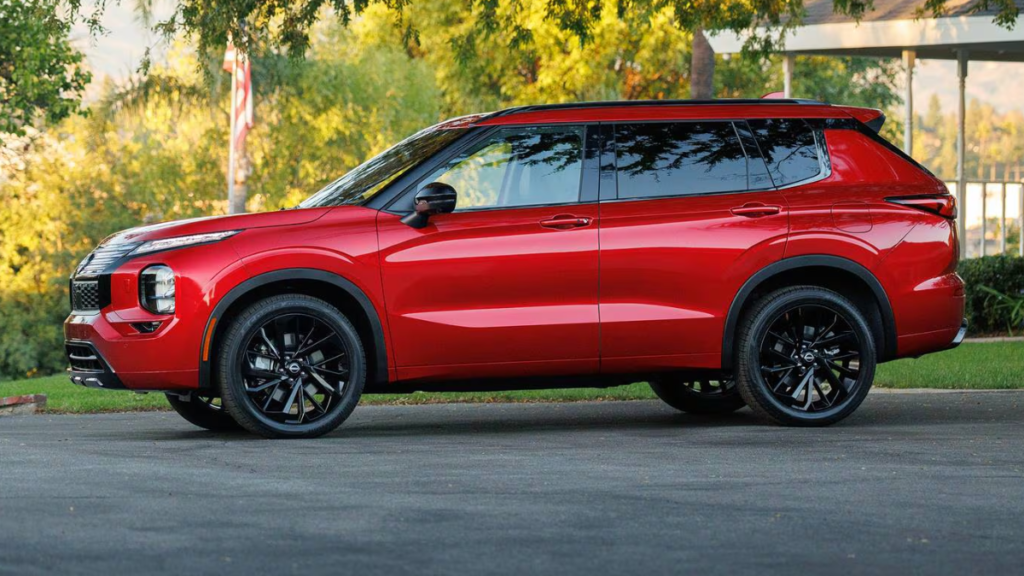
Rogue PHEV vs. Competitors
The 2026 Toyota RAV4 Plug-In Hybrid is the Rogue’s most important competitor. Toyota lists a starting MSRP of $41,500 for the 2026 RAV4 Plug-In Hybrid SE, with up to 54 miles of EPA-estimated all-electric range and 324 net combined horsepower.
The Hyundai Tucson Plug-In Hybrid starts in the low-$40,000 range and provides up to 32 miles of electric range. Its 1.6-liter turbocharged plug-in hybrid system produces 268 horsepower, and all-wheel drive is standard.
The 2026 Kia Sportage Plug-In Hybrid is another strong alternative. It starts at $40,490, produces 268 horsepower and offers an EPA-estimated 34 miles of all-electric range. Pricing and equipment vary by trim, but it generally competes below the Rogue’s $45,990 starting point.
The Rogue has one feature none of these rivals can match: three rows of seating. That gives Nissan a legitimate advantage for buyers who occasionally need seven seats.
If the third row is not important, however, the competition becomes tougher. Toyota offers considerably more electric range and power, while Hyundai and Kia provide strong combinations of power, efficiency and lower entry pricing.
The Mitsubishi Outlander PHEV Connection
The Rogue Plug-In Hybrid shares important mechanical architecture with the Mitsubishi Outlander PHEV, including the 2.4-liter engine, dual-motor all-wheel-drive concept, battery system and three-row configuration.
That relationship comes from the Nissan Mitsubishi alliance and helps explain the similarities between the two plug-in hybrids. Nissan has integrated the technology into the Rogue with its own exterior design, interior, controls and vehicle tuning.
For buyers, the important point is that the two SUVs are related but are not simply identical vehicles with different badges. They are sold as separate products with different designs, equipment, warranty terms, dealer networks and ownership experiences, so it’s worth comparing the two directly before deciding between them.
Towing and Everyday Practicality
The Rogue Plug-In Hybrid can tow up to 1,500 pounds when properly equipped. That is enough for a small utility trailer or lightweight recreational equipment, but it is not intended for serious towing.
Ground clearance is 7.9 inches, while standard all-wheel drive provides useful traction on snow, gravel and other low-grip surfaces.
This is still a road-focused family crossover rather than a dedicated off-road vehicle. Buyers looking for serious trail capability should look elsewhere, but the Rogue PHEV has enough traction and clearance for typical winter conditions and occasional unpaved roads.
Nissan provides a 3-year/36,000-mile basic warranty and a 5-year/60,000-mile powertrain warranty. The high-voltage battery is covered for 8 years or 100,000 miles.
Because the Rogue PHEV is new for 2026, there is not yet enough long-term ownership data to make meaningful claims about reliability, battery degradation or future repair costs.
Which Trim Should You Buy?
The SL is the trim to buy.
Both trims use the same 248-hp powertrain, 38-mile electric range, standard AWD and seven-seat configuration. The Platinum’s additional $4,000 primarily pays for comfort and technology rather than improved PHEV capability.
The SL already includes heated front seats, a power driver’s seat, a 12.3-inch digital instrument display, wireless smartphone charging, smartphone integration and a strong selection of driver-assistance technology.
The Platinum makes sense if you specifically want the panoramic moonroof, heated rear seats, leather-appointed interior, head-up display, Bose audio system and 1,500-watt household-style outlets.
For most buyers, however, the SL delivers the better balance between price and equipment.
Is the 2026 Nissan Rogue Plug-In Hybrid Worth Buying?
The Rogue PHEV makes the strongest case for itself when three things come together: reliable access to charging, daily driving that usually fits within its electric range, and a genuine need for either seven seats or standard AWD with more power.
It becomes harder to justify when charging is inconvenient. Someone who rarely plugs in will not take full advantage of the vehicle’s biggest benefit, while still paying substantially more than they would for a conventional Rogue.
The same applies to buyers who do not need a third row. The RAV4 Plug-In Hybrid offers a longer electric range and more power, while the Tucson and Sportage PHEVs can provide strong power and electric capability at lower starting prices.
For families that can charge at home and regularly drive short distances, however, the Rogue’s combination of electric driving, seven seats and standard all-wheel drive gives it a distinctive advantage.
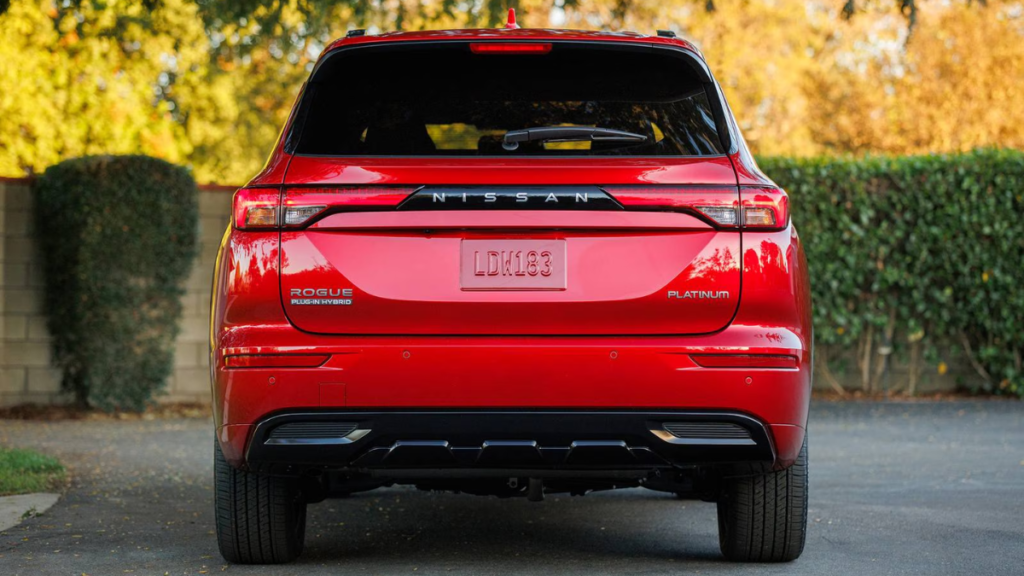
Final Verdict
The 2026 Nissan Rogue Plug-In Hybrid is not simply a more expensive version of the regular Rogue. It is designed for a specific type of buyer who can take advantage of its electric range and needs the additional flexibility provided by three rows and standard all-wheel drive.
Its 38-mile electric range can cover a meaningful portion of everyday driving, but the value depends on charging consistently. Without regular charging, the 26-mpg combined rating after battery depletion makes the PHEV harder to justify against cheaper alternatives.
The SL is the better choice for most buyers because it delivers the same powertrain, electric range, AWD system and seven-seat capacity as the Platinum for $4,000 less.
For households that need seven seats and can charge at home, the Rogue PHEV is a compelling new option. For buyers who do not need the third row or cannot charge regularly, the standard Rogue or another PHEV may be the smarter purchase.
FAQ
Is the 2026 Nissan Rogue Plug-In Hybrid worth buying?
The 2026 Nissan Rogue Plug-In Hybrid is worth considering if you can charge it regularly and your daily driving often falls within its 38-mile electric range. It also offers standard all-wheel drive, seven seats, and 248 net combined horsepower, giving it a broader range of abilities than the regular Rogue. The biggest drawback is its price: starting at $45,990 before the $1,545 destination charge, it costs considerably more than the gasoline Rogue. If you rarely plug in, much of the PHEV’s advantage is lost, making the extra cost difficult to justify.
How far can the 2026 Nissan Rogue Plug-In Hybrid drive on electric power?
The Rogue Plug-In Hybrid has an EPA-estimated electric range of up to 38 miles. That is enough to cover many short daily trips without using gasoline, provided the battery is charged regularly. Once the battery’s usable electric range is exhausted, the vehicle continues operating as a conventional hybrid rather than simply becoming unusable. Nissan estimates up to 420 miles of total driving range, giving the Rogue PHEV the flexibility to handle longer trips without relying entirely on charging infrastructure.
How long does the 2026 Nissan Rogue Plug-In Hybrid take to charge?
Nissan lists approximately 7.5 hours for a full charge using a 240-volt connection. That makes overnight charging a practical approach for most owners with access to home charging. The Rogue PHEV is designed more around regular Level 1 or Level 2 charging than rapid charging, so its 38-mile electric range is most valuable when drivers make charging part of their normal routine. If you rarely have access to a charger, a conventional hybrid or gasoline SUV may make more sense.
How does the Rogue Plug-In Hybrid compare with the regular Rogue?
The Rogue Plug-In Hybrid is the more powerful and versatile option, with 248 net combined horsepower, standard AWD, a 38-mile electric range and three-row seating for up to seven people. The regular Rogue is considerably less expensive and uses a simpler gasoline powertrain, while seating five people. The choice largely comes down to how you drive. Buyers who can regularly charge and need the extra seating or electric capability have a stronger case for the PHEV, while buyers focused on lower upfront cost and simpler ownership may be better served by the regular Rogue.
Is the Rogue Plug-In Hybrid related to the Mitsubishi Outlander PHEV?
Yes. The Rogue Plug-In Hybrid shares important mechanical architecture and PHEV technology with the Mitsubishi Outlander PHEV, including the 2.4-liter gasoline engine, dual-motor all-wheel-drive system and related battery technology. However, Nissan has given the Rogue its own exterior design, cabin, equipment and driving calibration. For buyers, the important point is that the two SUVs have a meaningful technical relationship, but the Rogue should still be evaluated on its own pricing, packaging, features and everyday practicality.