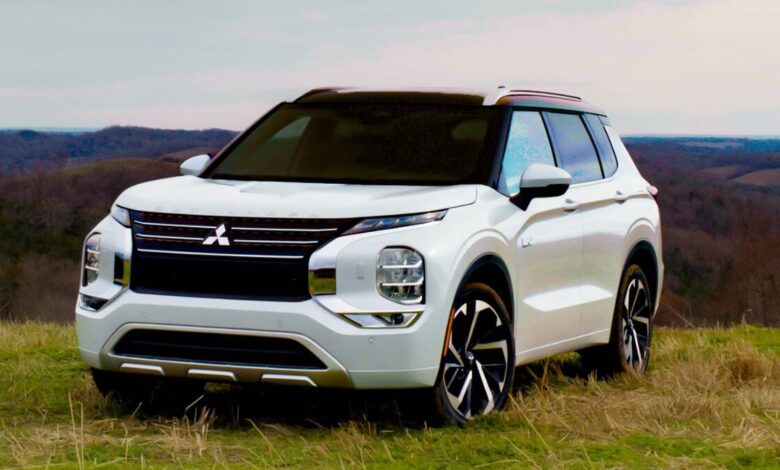
The 2025 Mitsubishi Outlander PHEV arrives at a moment when drivers are becoming more curious about electric possibilities but still want the familiarity and flexibility of a traditional SUV. This model does not try to shout for attention, yet it captures interest in a steady and confident way, presenting itself as a modern alternative for anyone who wants something different from the usual options on the road. Mitsubishi shaped this SUV with a quiet sense of purpose, giving it a character that feels intentional rather than experimental, and that subtlety is part of its charm.
Shoppers who first approach the Outlander PHEV often do so with curiosity, wondering what separates it from the typical crossover crowd. What they usually discover is a vehicle that adds a sense of depth to everyday driving, offering a different rhythm compared to conventional choices. Instead of pushing drivers toward one extreme or another, the 2025 model situates itself in a thoughtful middle ground, giving owners the freedom to decide how they want to use it without imposing rigid expectations.
There is also something refreshing about an SUV that is not trying to follow every passing trend. Mitsubishi did not attempt to reinvent the category or chase dramatic statements. Instead, the company focused on shaping a vehicle that feels grounded, stable and inviting. The Outlander PHEV carries itself with a calm confidence, the kind that comes from knowing exactly what role it wants to play for families, commuters and long distance travelers. It does not rely on gimmicks or flashy promises. It earns interest through consistency, balance and a clear sense of direction.
This version of the Outlander also appeals to drivers who enjoy discovering the layers of a vehicle over time. It does not reveal its full personality in the first few minutes behind the wheel. Instead, it gradually shows its strengths in ways that feel natural, almost as if it encourages you to settle into a comfortable rhythm and get to know it at your own pace. That slow build creates a more personal connection, making the SUV feel like a companion rather than a tool.
In a market overflowing with loud marketing messages and exaggerated claims, the 2025 Mitsubishi Outlander PHEV stands out through its measured, confident presence. It is an SUV designed for people who appreciate practicality blended with a quiet sense of modernity, and who value vehicles that make the everyday feel a little more intentional.
2025 Mitsubishi Outlander PHEV Review
Pros
- Delivers noticeably better real world electric range compared to most competing plug in hybrid SUVs
- Offers an easygoing driving feel with handling that feels more precise and composed than many rivals
- Supportive and highly adjustable front seats that make long trips more pleasant
- Upper trims provide a near luxury cabin atmosphere with upscale materials and refined design
Cons
- Second row legroom is more limited than what key competitors provide
- The third row is realistically suitable only for small children
- Comes with a higher starting price, especially for a brand that still battles old perceptions
- Infotainment responsiveness and adaptive cruise tuning could benefit from further refinement
What’s new
- The Ralliart package has been removed from the lineup
- Heated seats now come standard
- Heated steering wheel and panoramic sunroof added to the SEL trim
- Continues as part of the fourth Outlander generation introduced in 2022
Overview
Mitsubishi is not the first name most shoppers think of when hunting for a new SUV, and in many cases, it is not even on the extended shortlist. Yet the 2025 Outlander PHEV has a way of changing that conversation. It sits in a unique position between compact and midsize SUVs, offering dimensions that lean toward the smaller end of the spectrum while still giving buyers the option of a third row. That extra seating may not satisfy adults, but it adds flexibility for families who occasionally need space for kids without moving to a larger, bulkier vehicle.
What truly elevates the Outlander PHEV is how different it feels from the gas only model. The plug in hybrid setup brings stronger daily performance, smoother low speed behavior and a usable electric range that makes commuting noticeably more efficient. Drivers who spend much of their time in city traffic will appreciate the ability to cover routine trips without tapping into fuel at all, while having a gasoline engine ready for longer weekend journeys.
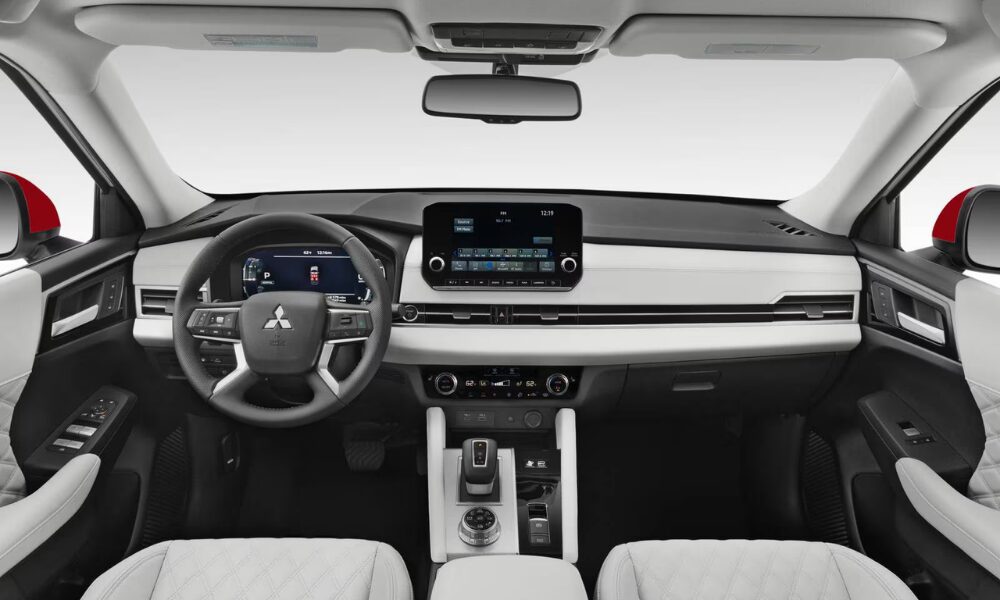
Inside, Mitsubishi surprises by offering a cabin that feels thoughtfully arranged and more premium than its reputation suggests. Materials, textures and trim choices, especially in upper grades, show clear attention to comfort and design. The seating position is natural, visibility is good and the layout feels intuitive enough that most drivers settle in quickly. Storage areas are smartly placed, and overall comfort remains one of the Outlander’s strongest traits.
For shoppers who want an SUV with modern efficiency, flexible sizing and a more refined feel than expected, the 2025 Mitsubishi Outlander PHEV stands out as a compelling and confident entry in a niche segment that still offers limited choices.
What’s under the skin
The 2025 Outlander PHEV lives inside the fourth generation of the Outlander lineup, yet this version stands apart because it was developed alongside the Nissan Rogue. Mitsubishi’s partnership with Nissan allowed both brands to combine resources, and the result is an SUV that hides a shared foundation beneath its distinct styling. Even though the two models look different from the outside, they ride on the same modular platform and use a variety of shared components, from major structural elements to infotainment architecture. Think of it the same way the Hyundai Tucson and Kia Sportage operate as siblings built from the same blueprint.
Where Mitsubishi breaks away from its corporate cousin is in the plug in hybrid direction. Nissan currently does not offer a plug in hybrid Rogue, which gives the Outlander PHEV a unique advantage inside the alliance.
By tailoring the platform to accommodate a high voltage battery, dual motor layout and advanced hybrid controls, Mitsubishi carved out a version of the Outlander that feels more specialized rather than simply rebadged. The engineering effort shows in how the system integrates, how smoothly transitions occur and how naturally the SUV adapts to different driving scenarios. The result is a vehicle that carries shared DNA but expresses a personality that is distinctly Mitsubishi.
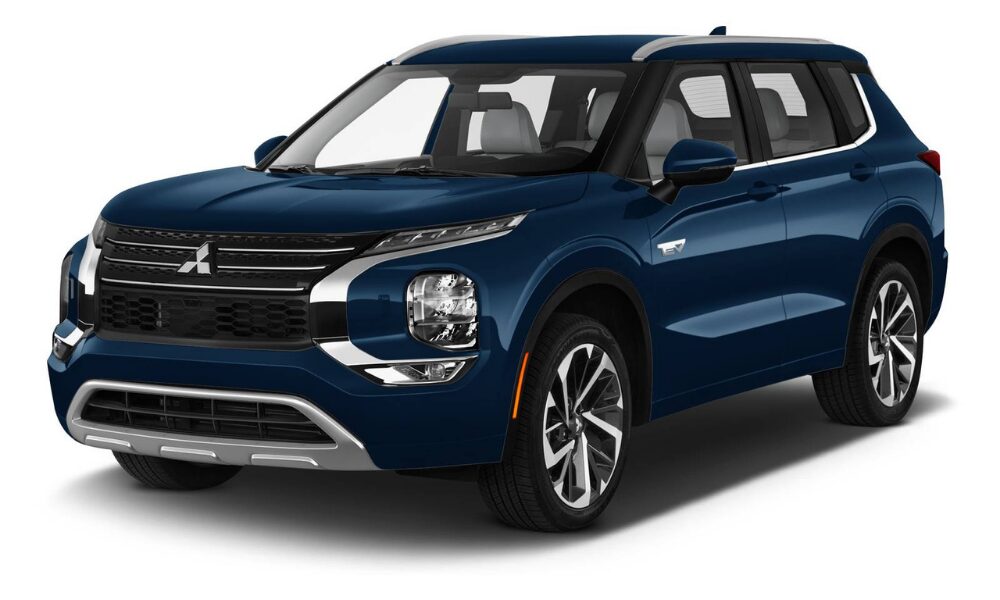
Competitors to consider
The closest rival to this model is the Kia Sorento PHEV, a similarly positioned plug in hybrid that blends elements of both compact and midsize utility. It offers a third row like the Outlander, although its extra seating space only provides a modest improvement. Where Mitsubishi pulls ahead is in electric range and acceleration, both of which deliver more confidence during daily use. Those differences give the Outlander PHEV an edge for drivers who value efficiency and responsiveness.
Shoppers will also find competition from the Hyundai Tucson and Kia Sportage plug in hybrids. Both models offer smart packaging and more generous cargo room behind the second row because they do not sacrifice space for an occasional use third row. They appeal to buyers who prioritize practicality over seating flexibility.
Meanwhile, Toyota approaches the segment with the two row RAV4 Plug in Hybrid, a model that is not as large overall but impresses with class leading electric range. It becomes a strong alternative for shoppers who rarely need a third row and want to travel farther on battery power alone.
Each of these competitors brings its own strengths, yet the Outlander PHEV’s combined mix of flexibility, capability and usable electric range makes it a confident option within a small but increasingly important category.
For readers interested in more Mitsubishi coverage on CarDrav, you can explore our detailed reviews, including the Mitsubishi Pajero Sport 2023 review, a closer look at the Mitsubishi Mirage 2023, our in depth analysis of the 2023 Mitsubishi Triton GLS, and a full breakdown of the Mitsubishi Outlander 2023 PHEV electric car. These articles offer expanded insights into the brand’s lineup and help provide a broader understanding of Mitsubishi’s position in today’s automotive market.
Driving experience
The 2025 Mitsubishi Outlander PHEV has a driving character that feels far more energetic than the standard gasoline version, and that difference shows the moment you press the accelerator. The combination of its gasoline engine and dual electric motors produces 248 horsepower, giving it a shove that feels purposeful rather than hesitant. Its 0 to 60 mph time of 7.3 seconds does not make it the quickest plug in hybrid on the market, but it is a serious upgrade compared to the regular Outlander, slicing more than two full seconds off the run. Against its closest rivals, the Outlander PHEV lands in a sweet spot, noticeably quicker than the Kia Sorento PHEV while still trailing the more performance focused Jeep Grand Cherokee 4xe.
The immediate electric torque transforms the SUV’s daily manners. Whether you are crawling through morning traffic or trying to squeeze into a gap on the freeway, the Outlander always feels ready to respond. The large battery pack is not just about range, it also enables the SUV to climb up to highway speeds using electric power alone when conditions allow, creating a quieter and more refined experience than many shoppers expect. That ability gives city commuters a smooth, relaxing rhythm while still offering enough muscle for highway merges and quick bursts of speed.
Braking performance falls into the “solid and predictable” category. Stopping from 60 mph in 129 feet is average for a plug in hybrid of this size, but what matters more is how natural the pedal feels. Many hybrids struggle with blending regenerative braking and mechanical braking, yet the Outlander PHEV maintains smooth, easy to control stops during routine driving. Steering is light but not vague, offering just enough feedback to keep you connected to the road without making the SUV feel heavy or clumsy. Even on twisty stretches, the suspension and all wheel drive system work together to keep the body composed. It is not a playful SUV, but it maintains a sense of control that inspires confidence regardless of speed or road conditions.
Comfort
Comfort is one of the Outlander PHEV’s most consistent strengths, and the improvement over the standard model is noticeable within the first mile. The suspension tuning absorbs rough pavement and broken asphalt with ease, making it a relaxed partner on both daily commutes and long interstate drives. Where some plug in hybrids feel heavy or stiff because of their battery systems, Mitsubishi manages to preserve good ride quality without letting the SUV become floaty or disconnected.
The front seats deserve particular praise, offering a level of padding and support that stands out in this class. Long road trips feel less tiring, and the wide range of adjustments makes it easy for drivers of different sizes to settle into a comfortable posture. The second row brings optional heated seats that add another layer of comfort in colder weather, though passengers back there may notice the limited knee room compared to roomier competitors. The third row remains best suited for children, and anyone taller will find themselves negotiating for a different seat.
Noise isolation is another pleasant surprise. At cruising speeds, the cabin remains calm, with wind and road noise pushed to the background. The internal combustion engine stays discreet under light and moderate acceleration, only becoming noticeably loud when you ask for full power or tackle long uphill grades. Mitsubishi also equips rear passengers with available climate controls, a feature rarely found in this segment and one that families will appreciate on long drives. Heated seat settings get warm quickly, adding a cozy touch that enhances cold weather comfort.
Interior: 2025 Mitsubishi Outlander PHEV
The interior of the 2025 Outlander PHEV blends practicality and ease of use with an inviting atmosphere that feels more upscale than you might expect. Both front seats offer generous adjustment ranges, allowing drivers of all heights to dial in their preferred position. Outward visibility is a highlight thanks to the upright seating position and large side windows, which make it easier to check blind spots and place the SUV accurately in tight spaces or crowded parking lots.
Entering and exiting the front seats is straightforward, though the second row requires a bit of twisting, especially for taller adults. That second row is mounted higher than in some rivals, which helps with visibility but limits legroom. Even when slid fully rearward, it does not match the spaciousness of other two row SUVs in this price bracket. This packaging compromise becomes more visible when examining the third row. Access is narrow, space is limited and adults will struggle to fit comfortably. The third row’s real use case is simple, accommodate small children on short trips when flexibility matters more than comfort.
Despite these limitations, the layout is intuitive and the cabin offers a pleasing sense of organization. Controls are easy to identify, storage spaces are logically placed and the overall design prioritizes usability without sacrificing visual appeal. For families who need occasional seating flexibility but spend most of their time with the third row folded down, the Outlander PHEV’s interior strikes a workable balance.
In-cabin tech
The in cabin technology of the 2025 Mitsubishi Outlander PHEV strikes a balance between simplicity and capability, giving drivers a system that is easy to interact with while still offering the features modern shoppers expect. The touchscreen display is crisp and bright, and its menus are structured in a way that allows new users to learn the layout quickly.
Navigating between audio, smartphone functions and vehicle settings feels natural, and the interface avoids unnecessary clutter. Mitsubishi’s integrated navigation system performs well in guiding you from point to point, though its search tool for locating specific businesses or services is less refined and occasionally requires more effort than it should. The available Bose premium audio system is another highlight, providing clear sound quality and maintaining composure even when the volume is pushed higher.
Smartphone integration is one of the Outlander’s strongest selling points because Apple CarPlay and Android Auto are offered across the lineup. Wireless charging is available on most trims, adding convenience for daily use. During testing, however, connecting an iPhone presented intermittent glitches that disrupted an otherwise smooth tech experience. The infotainment voice controls also reveal limitations. They rely on a strict set of commands that must be phrased in a precise structure, and even when used correctly, the system occasionally struggled to interpret voices accurately. Drivers who rely heavily on voice assistance may find themselves repeating requests more often than expected.
On the safety technology front, the Outlander PHEV brings a robust suite of driver aids. Features such as blind spot monitoring, rear cross traffic alert and forward collision mitigation work reliably and remain unobtrusive during everyday driving. Where the system falls short is in the tuning of its adaptive cruise control and lane centering. The adaptive cruise reacts slowly when traffic ahead begins to decelerate, creating moments where the Outlander takes longer than ideal to reduce speed. Lane centering operates consistently on straight highways but has difficulty keeping the SUV perfectly aligned in the center of the lane when curves appear. The technology is functional, but it still needs smoother calibration to match the refinement of leading competitors.
Storage: 2025 Mitsubishi Outlander PHEV
Storage practicality is a key part of what separates usable family SUVs from those that look good on paper but struggle in the real world. The Outlander PHEV lands somewhere in the middle because its packaging offers both strengths and compromises. Space behind the third row is extremely limited, making long trips with six passengers unrealistic unless you rely on roof storage. Once the third row is folded, the area behind the second row opens up to a generous 30.8 cubic feet.
Families will find this space adequate for groceries, strollers or sporting equipment, and the floor height makes loading bulky items fairly straightforward. Fold down the second and third rows together and the Outlander transforms into a surprisingly capable hauler. During testing, one of our drivers loaded more than twenty bags of mulch without difficulty, which speaks to the flexibility of the cabin when configured for maximum cargo room.
Small item storage is also well considered, even if not perfect. A shallow tray beneath the center stack serves as a convenient space for wallets or sunglasses when the wireless charging pad is not in use. The center armrest bin provides useful depth for larger personal items, offering enough room for tablets or travel essentials. The rear door pockets are on the smaller side, limiting their utility, and the cupholders also feel undersized. Rear passengers face another inconvenience because accessing their cupholders requires folding down the middle seat, which is not always practical when the cabin is full.
Families planning to install child seats should note that only the second row is designed to accommodate them. The tether anchors sit behind narrow openings in the seatback, and their surrounding plastic edges can make the process slightly awkward. While the system is safe and compliant, attaching the tethers demands patience and careful finger placement to avoid scrapes. Even with these quirks, the Outlander PHEV provides enough storage versatility to handle a wide range of daily tasks, making it a dependable partner for both errands and weekend projects.
MPG
Fuel economy is where the 2025 Outlander PHEV delivers some of its most compelling advantages. According to EPA estimates, the SUV returns 26 mpg combined when driven as a traditional hybrid and offers up to 38 miles of electric range from its 20 kWh battery pack. Real world testing paints an even more interesting picture.
Across a 115 mile evaluation loop, the Outlander traveled 33.6 miles using electric power alone before switching to gasoline, where it achieved 27.4 mpg. Throughout extended use, we also recorded an electric range of up to 54 miles, which is a standout figure among plug in hybrids of any size. This places the Outlander well ahead of key rivals such as the Kia Sorento Plug in Hybrid and the Jeep Grand Cherokee 4xe.
One of the Outlander’s lesser known advantages is its ability to accept DC fast charging. While it uses the CHAdeMO connector, which is becoming harder to find, the capability itself adds flexibility for road trip scenarios and provides quicker recharge options in areas where the infrastructure still supports it. For daily commuting, the SUV’s electric efficiency means many owners will complete most errands and weekday drives without using gasoline at all. This makes the Outlander PHEV a strong match for drivers who value meaningful electric range but still want the safety net of a traditional powertrain for longer journeys.
Value: 2025 Mitsubishi Outlander PHEV
Judged by value, the Outlander PHEV occupies a niche space within the SUV market, yet it manages to deliver a compelling proposition for shoppers who understand what a plug in hybrid can offer. Its pricing structure gives it an advantage because the entry level trim starts nearly ten thousand dollars below several competitors.
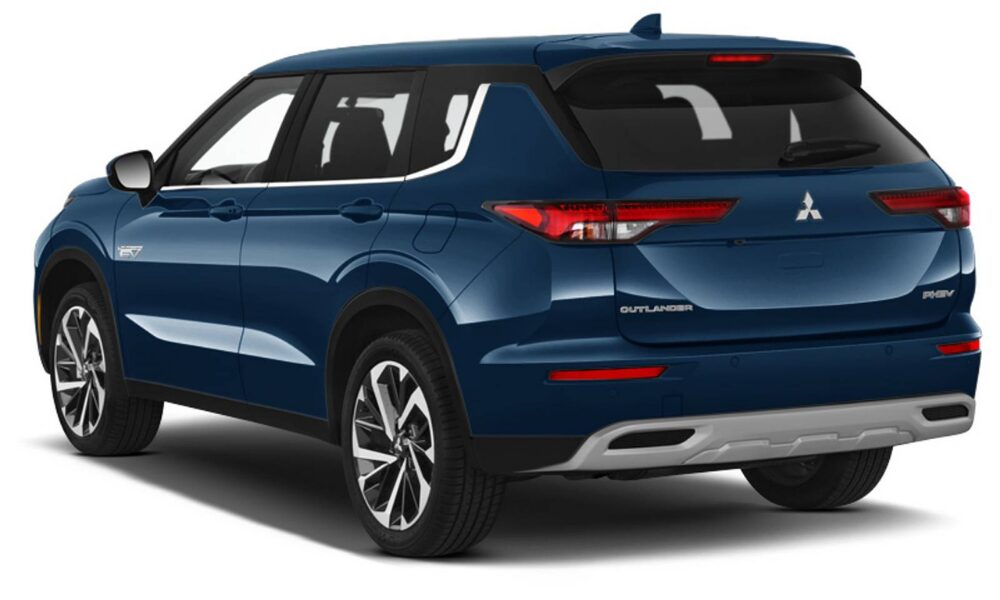
This lower barrier makes the plug in hybrid experience accessible to a broader audience. As buyers climb through the trim levels, the SUV begins to reveal a more premium personality through near luxury interior materials, stylish exterior design cues and a long list of available convenience features. The substantial electric range further strengthens the formula, helping it stand apart in a category where many competitors offer only modest battery powered capability.
The Outlander PHEV also scores high in long term cost assurance thanks to Mitsubishi’s robust warranty program. Owners receive a five year or sixty thousand mile bumper to bumper warranty, a ten year or one hundred thousand mile powertrain warranty, and five years of unlimited roadside assistance. Mitsubishi also adds two years or thirty thousand miles of complimentary maintenance. This coverage exceeds what most rivals offer and adds confidence for families planning to keep the SUV for many years. The only notable challenge for some shoppers may be locating a nearby Mitsubishi dealership, depending on their region.
Wildcard
Standing out in the SUV world is no easy task, yet the Outlander PHEV manages to create a distinct identity. It blends a long electric range with an interior that feels more upscale than expected, all while delivering a comfortable ride that supports both short commutes and long highway stretches. Beneath its practical nature, the SUV hides a surprisingly responsive character.
The steering is predictable, the suspension maintains control and the dual motor setup gives the Outlander moments of quick, confident acceleration. These traits let the vehicle carve out a unique position among plug in hybrids, offering a blend of refinement and capability that helps it rise above more conventional choices.
2025 Mitsubishi Outlander PHEV trim level differences
The 2025 Outlander PHEV lineup is structured around a 2.4 liter four cylinder engine paired with two electric motors. One motor assists the engine in driving the front wheels, while the second powers the rear axle exclusively. Together, the system produces 248 horsepower and 332 lb ft of torque. All wheel drive comes standard across every trim, giving the SUV consistent traction on a variety of surfaces. The small third row remains part of the configuration, adding flexibility even if the space is best suited for children. The trim levels build on this foundation with increasing levels of technology, comfort and design enhancements.
Which Outlander PHEV trim does CarDrav recommend?
CarDrav recommends the SE trim because it finds the ideal balance between features and overall cost. This version upgrades the infotainment system to a nine inch touchscreen, adds a broader suite of driver assistance technologies and improves cabin convenience without inflating the price beyond reach.
For families who plan to use the Outlander PHEV for longer trips, stretching to the SEL is a worthwhile consideration. It brings heated outboard seats, sunshades, three zone climate control and household style power outlets, making it the more versatile choice for extended travel. Between the trims, the SE offers the strongest value, while the SEL caters to those who prioritize comfort and equipment density.
FAQ
Is the Mitsubishi Outlander PHEV a good car?
The 2025 Mitsubishi Outlander PHEV has earned a strong reputation among experts and owners alike. In comprehensive testing that included both road driving and controlled track evaluation, the model received an impressive score of 8.0 out of 10 from the Edmunds testing team. Real-world owners seem equally satisfied, with consumer reviews averaging 4 out of 5 stars based on 21 submitted ratings. Beyond performance and drivability, the Outlander PHEV also offers usable practicality.
With 12.8 cubic feet of space behind the third row, it provides enough room for everyday errands and expands significantly once the rear seats are folded down. For shoppers concerned about long-term ownership, safety and reliability data is readily available. Edmunds provides up-to-date crash-test information from both the NHTSA and IIHS, along with expert insights and owner reports, making it easier to understand what it is like to maintain and live with the Outlander PHEV over time.
What’s new in the 2025 Mitsubishi Outlander PHEV?
For 2025, Mitsubishi has made a handful of changes that refine the Outlander PHEV’s appeal. The Ralliart appearance package has been removed from the lineup, streamlining the available configurations. Heated front seats are now standard equipment, adding comfort across the range without requiring an upgrade. The SEL trim receives the most notable updates, gaining a heated steering wheel and a panoramic sunroof that elevate its premium feel. Beyond these additions, the model continues as part of the fourth Outlander generation that first debuted in 2022, carrying forward its familiar design, platform and plug in hybrid architecture.
Is the Mitsubishi Outlander PHEV reliable?
Reliability is an important factor for any plug in hybrid SUV, and the Outlander PHEV shows encouraging signs when examining real owner experiences. Edmunds hosts verified consumer reviews from drivers who use the vehicle daily, offering an authentic look at long-term satisfaction, build quality and potential issues. One of the easiest ways to gauge dependability is to look for themes that repeat across different reviews. With an average consumer rating of 4 out of 5 stars, the Outlander PHEV compares favorably with other plug in hybrids in its segment. Prospective buyers can also benefit from comparing these ratings with those of direct competitors to see where the Mitsubishi stands in terms of durability, owner satisfaction and maintenance patterns.
Is the 2025 Mitsubishi Outlander PHEV a good car?
Determining whether the 2025 Outlander PHEV is the right choice depends on what qualities matter most to each shopper, but it performs well in most measurable areas. According to expert testing conducted by Edmunds, the SUV earns a solid 8.0 out of 10 overall, reflecting its blend of electric range, performance and refinement. Consumer impressions follow a similar trend, with owners giving it an average of 4 out of 5 stars based on 21 reviews. For anyone evaluating the Outlander PHEV, factors such as safety ratings, fuel economy, available features and cargo flexibility all play a meaningful role. When these elements are considered together, the 2025 model stands out as a capable and well-rounded option in the plug in hybrid segment.
How much should I pay for a 2025 Mitsubishi Outlander PHEV?
Pricing for the 2025 Mitsubishi Outlander PHEV varies depending on trim level, but the most affordable version in the lineup is the ES AWD. Including destination charges, it carries a Manufacturer’s Suggested Retail Price of approximately 40,445 dollars. This entry point gives buyers access to the full plug in hybrid system, standard all wheel drive and the core equipment expected from a modern family SUV.
Beyond the base model, the Outlander PHEV lineup expands into several configurations, each offering additional features, comfort upgrades or unique design elements. The pricing structure remains competitive for the segment, and the variety of trims allows shoppers to choose a configuration that matches their needs without stepping into luxury brand pricing territory.
Other available versions include:
- ES AWD starting at 40,445 dollars
- ES Fleet AWD starting at 42,345 dollars
- SE AWD starting at 43,095 dollars
- SEL AWD starting at 46,395 dollars
- SEL Black Edition AWD starting at 48,895 dollars
- SEL Platinum Edition AWD starting at 50,445 dollars
What are the different models of Mitsubishi Outlander PHEV?
- The Outlander PHEV lineup consists of several trims, each powered by a 2.4 liter four cylinder engine paired with a dual motor plug in hybrid system and standard all wheel drive.
- Available variants include ES AWD, ES Fleet AWD, SE AWD and SEL AWD, each offering different levels of comfort features, technology enhancements and interior materials.
- All trims share the same core hybrid drivetrain but differ in equipment packages, exterior styling elements and cabin upgrades, allowing buyers to tailor the SUV to their preferences.
- For shoppers who want to compare all features, specifications and options in detail, a full breakdown is available through comprehensive features and specs listings.