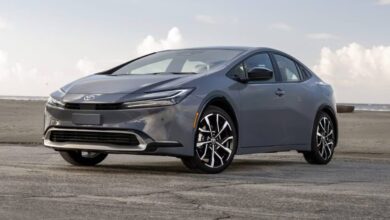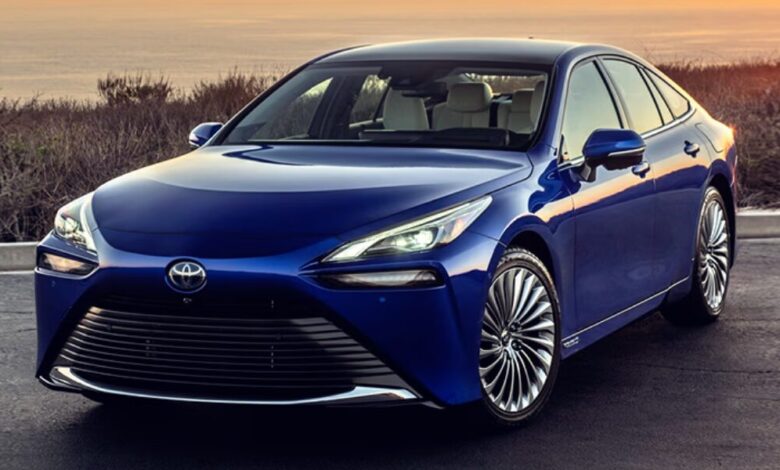
Even in California, where eco-friendly mobility is part of everyday life, living with the 2025 Toyota Mirai isn’t as effortless as driving a conventional EV or a gasoline car. On paper, it’s a striking vision of the future: a sleek sedan powered by hydrogen, emitting nothing but water vapour. In practice, however, Mirai’s reality is tangled in the limitations of the present. The lack of hydrogen refuelling infrastructure overshadows its potential brilliance, restricting its practicality to only a handful of zip codes. Yet once you’re behind the wheel, all scepticism softens. The Mirai glides down the road with a composure that rivals Lexus-level refinement, its cabin serene, its movements fluid, its craftsmanship unmistakably Toyota. It’s an advanced, confident car that asks for faith in technology not yet caught up with its ambition.
2025 Toyota Mirai Review
Pros
- Longer driving range than many battery electric vehicles
- Comprehensive list of standard safety and driver-assistance features
Cons
- Sparse hydrogen refuelling network
- Availability is limited exclusively to California
- Small trunk and limited cabin storage
What’s New
Toyota has trimmed the lineup for 2025, discontinuing the Limited trim and its luxury-oriented extras. The Mirai remains part of the second-generation model introduced in 2021, built on a refined rear-wheel-drive platform that gave it the proportions and poise of a premium sedan rather than a futuristic experiment.
Overview
In a parallel automotive universe, cars like the Toyota Mirai would dominate highways quietly producing their own electricity from hydrogen and releasing nothing more than clean vapour. In this universe, though, the Mirai stands as a symbol of what could be, rather than what is. Its technology is groundbreaking, but its reality is isolated. Still, Toyota deserves credit: few automakers have committed so consistently to exploring hydrogen propulsion, and the Mirai shows the benefits of that persistence. Every inch of it feels deliberate and engineered to a purpose, from its aerodynamic silhouette to its perfectly damped ride.
At the heart of this sedan lies a sophisticated Fuel Cell System, which converts compressed hydrogen stored in three carbon fiber-reinforced tanks into clean electrical energy. That electricity feeds an electric motor mounted on the rear axle, producing 182 horsepower and 221 lb-ft of torque. The result is a completely electric driving experience smooth, silent, and refined but without the bulky battery packs typical of conventional EVs. The only emission from the Mirai’s tailpipe is pure water vapor, making it one of the cleanest vehicles on the road today.
Hydrogen, Explained
The Mirai is, in essence, an electric car that doesn’t plug in. Instead of relying on a massive lithium-ion battery, it uses a hydrogen fuel cell that mixes hydrogen and oxygen to create electricity. This electricity then powers the motors that drive the rear wheels. The advantage? Range and convenience, theoretically, at least. With an EPA-estimated 402 miles of range, the Mirai surpasses most battery-electric sedans, and refuelling takes mere minutes compared to the long charge times of an EV. The issue is finding a hydrogen pump to begin with. California has only a few dozen stations, mostly clustered around major metro areas. Outside that narrow region, the Mirai might as well be a showpiece.
To ease the sting, Toyota includes $15,000 worth of complimentary hydrogen fuel (or six years, whichever comes first), plus up to 21 days of free rental car service should you decide to travel beyond hydrogen territory. It’s a generous perk, though it also highlights the car’s biggest flaw, dependence on a network that barely exists.
Competitors to Consider
Hydrogen-powered vehicles are rare, but not unique. The Honda CR-V e: FCEV blends a fuel cell with plug-in hybrid flexibility, allowing drivers to recharge via electricity when hydrogen isn’t available. The Hyundai Nexo, meanwhile, is a compact hydrogen SUV with similar clean credentials but even scarcer availability. All are confined to California’s limited ecosystem, where infrastructure dictates ownership more than preference.
Ultimately, the 2025 Toyota Mirai is both a triumph and a tragedy of innovation, a beautifully executed vision that’s ahead of its time. It’s serene, sophisticated, and effortlessly futuristic, yet tethered by a fueling reality that refuses to evolve. For those living near hydrogen stations, it offers a glimpse into tomorrow’s world. For everyone else, it’s proof that the future sometimes arrives before the map to reach it.
If you’re exploring more Toyota models and ownership insights, these related reviews may offer useful comparisons:
- Toyota Mirai 2025 Hydrogen Power Refined
- 2026 Toyota Corolla Cross XSE Review
- Toyota Sienna 2023
- 2022 Toyota 4Runner review
- Toyota GR Supra Coupe 2022 Review
- Toyota Camry-2023:Review
- Toyota Venza 2023 review
- Toyota Grand Highlander 2024 Review
- Toyota Corolla Cross: 2022
Performance
Driving the 2025 Toyota Mirai feels less like piloting a typical electric vehicle and more like gliding in a smooth, futuristic cruiser. The Mirai’s hydrogen fuel cell setup doesn’t deliver the instant punch of most battery EVs, but it compensates with seamless consistency. Its acceleration from 0 to 60 mph in 8.1 seconds won’t set your pulse racing, yet there’s a quiet dignity to how it gathers speed steadily, refined, and free from vibration or mechanical harshness. You don’t sense drama; you sense precision.
The rear-wheel-drive layout gives the Mirai a composed balance that few eco-oriented sedans achieve. Its near-perfect 50:50 weight distribution allows it to stay remarkably flat through corners, with just enough body lean to remind you this is a comfort-first vehicle, not a sports sedan. The steering is light yet confident, offering predictable control rather than enthusiasm, and the car’s composure over uneven pavement feels impressively mature. While it doesn’t crave spirited driving, the Mirai rewards smooth inputs with graceful motion like a car that prefers rhythm over adrenaline.
Braking performance, at around 120 feet from 60 mph, is respectable, and the pedal modulation feels progressive rather than grabby. However, regenerative braking could use a more assertive setting. Toyota allows drivers to choose a stronger regen mode, but it frustratingly resets each time the vehicle stops. A permanent “high regen” option would give drivers finer control and better one-pedal operation, aligning the Mirai closer to the intuitive feel of top-tier EVs.
The absence of a transmission further enhances the sense of refinement. Power delivery is uninterrupted, making city driving eerily calm, no shifts, no hesitation, just a linear surge of quiet momentum. If anything, Mirai’s character is defined by understatement. It doesn’t shout for attention; it demonstrates how silence can be strength when engineering meets elegance.
Comfort
If there’s one area where the 2025 Mirai truly excels, it’s comfort. Underneath its sculpted body lies a chassis derived from the Lexus LS, and that pedigree shows. The ride quality borders on exemplary: bumps, cracks, and highway seams dissolve beneath the car without disturbing the cabin’s composure. Even on rough urban surfaces, the Mirai glides with the poise of a high-end luxury sedan. It’s a masterclass in suspension tuning, merging composure with fluidity in a way that feels both effortless and deliberate.
Noise insulation is another strong point. The Mirai’s cabin remains whisper-quiet, aided by excellent sealing and the absence of engine vibration. Unless the synthetic Active Sound Control system is switched on, all you’ll hear is a faint hum from the electric motor, and even that fades into the background at cruising speeds. It’s a serene experience that makes long drives oddly meditative.
However, the seats don’t entirely match the excellence of the ride. They’re softly cushioned but somewhat lacking in ergonomic support, especially for taller drivers who may find the upper backrest too short. The heating and ventilation systems, while present, feel underpowered compared to competitors in this price range. Fortunately, the climate control system itself is well-designed and intuitive, with both touchscreen and physical controls. In normal mode, it quickly stabilises cabin temperature, though switching to Eco noticeably tames its performance to preserve efficiency.
In daily driving, this combination of serenity and plush suspension creates a sense of calm that few alternative-fuel vehicles achieve. The Mirai might not be quick, but it delivers comfort with such grace that you stop caring about speed altogether.
Interior
Step inside, and the Mirai greets you with a cabin that feels futuristic yet warmly familiar. The design is clean and functional, with broad surfaces and subtle curves that echo the car’s exterior sophistication. While its dimensions make it longer and wider than many midsize sedans, interior space isn’t quite as generous as those measurements imply. Rear legroom is modest, and taller passengers might find headroom slightly limited beneath the sloping roofline. Still, entry and exit are effortless thanks to wide doors and a low step-in height, small touches that reveal Toyota’s attention to usability.
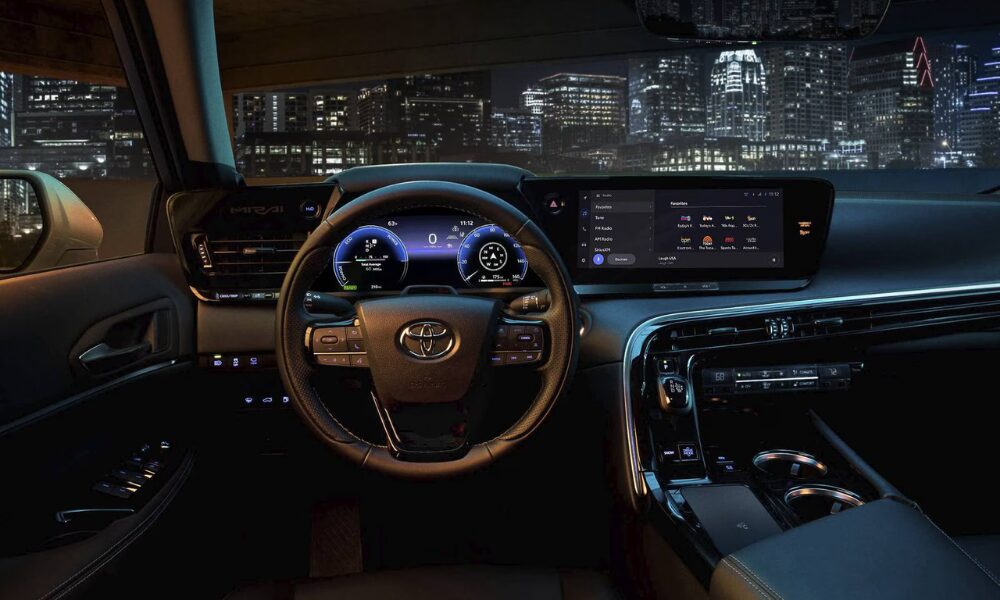
Visibility is another triumph. Large windows and slim pillars create an open feel, and the seating position strikes a natural balance between comfort and command. The infotainment system, centred around a large configurable touchscreen, takes some familiarisation but rewards patience. Once mastered, it’s capable of multitasking smoothly, displaying navigation, energy flow, and entertainment options without lag or clutter.
Material quality is commendable, leaning toward premium rather than experimental. Soft-touch plastics, tasteful metallic accents, and subtle lighting combine to give the Mirai a calm, upscale ambience. The trunk remains small due to the hydrogen tanks beneath the floor, but thoughtful cubbies and well-placed storage compartments make the best of available space.
In essence, the Mirai’s interior mirrors its overall identity: modern, quiet, and restrained, with sophistication that doesn’t need to shout. It’s not trying to impress with extravagance; it wins you over with balance, refinement, and a whisper of the future.
Technology
Step into the 2025 Toyota Mirai, and it quickly becomes clear that Toyota’s interpretation of “advanced technology” is rooted in quiet confidence rather than flashy gimmicks. While much of the attention goes to the hydrogen fuel cell beneath the surface, the Mirai’s interior technology is no less significant; it’s thoughtfully integrated, understated, and tuned for daily convenience rather than digital overwhelm.
Front and centre sits a crisp 12.3-inch touchscreen, neatly embedded within the dashboard. It’s intuitive once you get accustomed to Toyota’s layout, offering clean graphics and smooth transitions between menus. The native navigation system performs well enough, prioritising clarity over artistic flair, and its voice command interface responds accurately, even in noisy traffic. Wireless Apple CarPlay and Android Auto come standard, connecting seamlessly and maintaining strong stability without lag. Toyota’s decision not to let smartphone projection dominate the entire screen is deliberate; it ensures that vehicle data and navigation remain visible at all times, reflecting the brand’s safety-first philosophy.
Four USB ports are scattered throughout the cabin, though only one supports data transfer. The rest are purely for charging, supplemented by a convenient wireless charging pad located beneath the centre console. Everything feels methodical, built for long-term reliability rather than digital flash.
Beyond infotainment, Toyota equips the Mirai with a generous suite of driver-assistance technologies. Adaptive cruise control and lane-centering work harmoniously in traffic, maintaining consistent spacing and gentle steering corrections that feel more human than robotic. The lane-keeping assist, on the other hand, can become intrusive when cruise control is off, sometimes tugging at the wheel unnecessarily. Similarly, the blind-spot monitoring system errs on the side of caution, flashing warnings even when vehicles are safely distant. Still, it’s a package that reflects Toyota’s maturity in driver-aid calibration, conservative, but polished and reassuring.
In essence, Mirai’s technology suite isn’t about pushing boundaries. It’s about demonstrating how innovation can blend into everyday driving without shouting for attention. It’s tech that supports you quietly, not one that demands constant validation.
Storage
When it comes to practicality, the Mirai tells a more complex story. The sleek hydrogen sedan sacrifices a bit of function for its futuristic form. Its trunk capacity measures only 9.6 cubic feet, a limitation dictated by the bulky hydrogen tanks and complex hardware positioned beneath the floor. Those tanks consume valuable space that would normally go toward luggage or rear-seat flexibility, and as a result, the Mirai doesn’t offer fold-down rear seats or a pass-through opening for longer cargo.
Inside, the theme continues. Storage compartments are modest, the centre console bin is shallow, door pockets are narrow, and the glovebox feels more symbolic than useful. Toyota clearly prioritised structural integrity and cabin symmetry over maximum storage potential. Still, every surface and hinge feels tightly built, maintaining the premium impression even when space runs out.
Parents and caregivers will find installing child seats possible but not effortless. The rear doors open wide, which helps, but placing a seat in the outboard position pushes the front seats uncomfortably forward. Opting for a middle position provides better alignment for a rear-facing seat, though it complicates loading and unloading. The Mirai wasn’t designed for hauling gear or carpool chaos; it’s more of a precision tool built for serene commutes.
While some may find the lack of cargo versatility frustrating, it’s part of the Mirai’s DNA. Every inch of lost space is a reminder that this is a car built around hydrogen tanks, engineering first, convenience second.
Fuel Economy
Discussing fuel economy in a hydrogen-powered car is tricky because the metrics differ from gasoline or electric vehicles. On paper, the 2025 Mirai boasts an EPA-estimated 402 miles of range, equivalent to about 72 miles per kilogram of hydrogen. In practice, real-world numbers tend to be lower. During our own testing, the previous Limited trim struggled to surpass 300 miles on a full tank, largely due to variables like driving style, ambient temperature, and station pressure levels.
Hydrogen refuelling isn’t just rare, it’s expensive. Prices fluctuate dramatically depending on the supplier and location, sometimes exceeding $17 per kilogram. A full tank can approach $90, putting the Mirai’s operating costs in the same realm as luxury gasoline sedans. When compared on a per-mile basis, its efficiency works out to roughly 19–20 mpg equivalent, depending on driving conditions. That’s respectable given the vehicle’s size and technology, but still less economical than most battery-electric alternatives.
The silver lining lies in Toyota’s incentive program. Every new Mirai comes with $15,000 of complimentary hydrogen or six years of free fuel, plus access to select fueling networks. For most owners, that offsets much of the cost concern, at least during the initial ownership period. Yet even with this advantage, the inconsistency of hydrogen pricing and limited station availability remain the biggest barriers to practicality.
The irony is hard to ignore; the Mirai is one of the most eco-conscious cars on the market, yet it’s hampered by a refuelling ecosystem still in its infancy. Efficiency isn’t the issue; access is.
Value
Evaluating the Mirai’s value depends entirely on where you live and how willing you are to adapt. For drivers within California’s hydrogen network, the Mirai can be surprisingly affordable thanks to federal incentives, state rebates, and Toyota’s comprehensive ownership perks. In addition to the free fuel credit, Toyota covers three years or 35,000 miles of complimentary maintenance and offers up to 21 days of rental cars over that same period, an invaluable backup for longer trips beyond the hydrogen map.
From a craftsmanship standpoint, the Mirai feels every bit worth its price. Build quality rivals luxury sedans, ride comfort is exceptional, and the ownership experience is backed by Toyota’s reputation for reliability. However, resale value is a big question mark. The limited infrastructure and niche appeal mean demand will likely remain small, keeping secondhand prices modest.
The Mirai isn’t for everyone, and it doesn’t try to be. It’s a statement car, an engineering exercise turned roadworthy sculpture. For a select group of drivers who want to live at the intersection of luxury and innovation, it’s an intriguing alternative to both gasoline and battery EVs. But for the average commuter, the math doesn’t quite work out yet.
Still, one can’t help but respect what Toyota has achieved. The Mirai represents progress in its purest form not just technological advancement, but the willingness to take risks for a cleaner future. It’s a car that proves vision often arrives before infrastructure catches up, and for now, that makes it one of the most fascinating sedans on the road.
Wildcard
While the 2025 Toyota Mirai surprises with its composure on twisty roads, it isn’t the kind of car you drive simply for excitement. The hydrogen-powered sedan glides with remarkable stability, maintaining its balance through corners with ease. The rear-wheel-drive layout and low centre of gravity give it a natural sense of poise, allowing it to move gracefully rather than aggressively. Still, it’s a car that rewards calm precision over spirited performance. Comfortable? Absolutely. Fun to drive? Not particularly.
Behind the wheel, the Mirai feels like a masterclass in serenity. The steering is light and accurate, ideal for urban driving, while the suspension absorbs imperfections with an elegance few midsize sedans can match. You sense the engineering finesse everywhere in the hushed cabin, the seamless power delivery, and the effortless transitions through traffic. Yet it’s not a car that connects emotionally with its driver. The Mirai is about refinement, not adrenaline. It’s meant to soothe, not excite, and it accomplishes that mission beautifully.
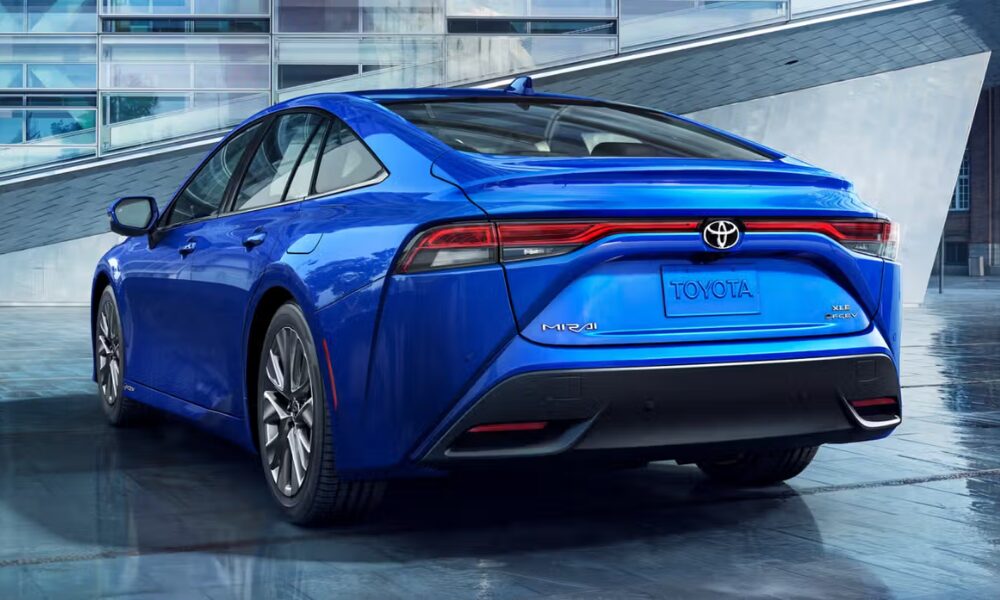
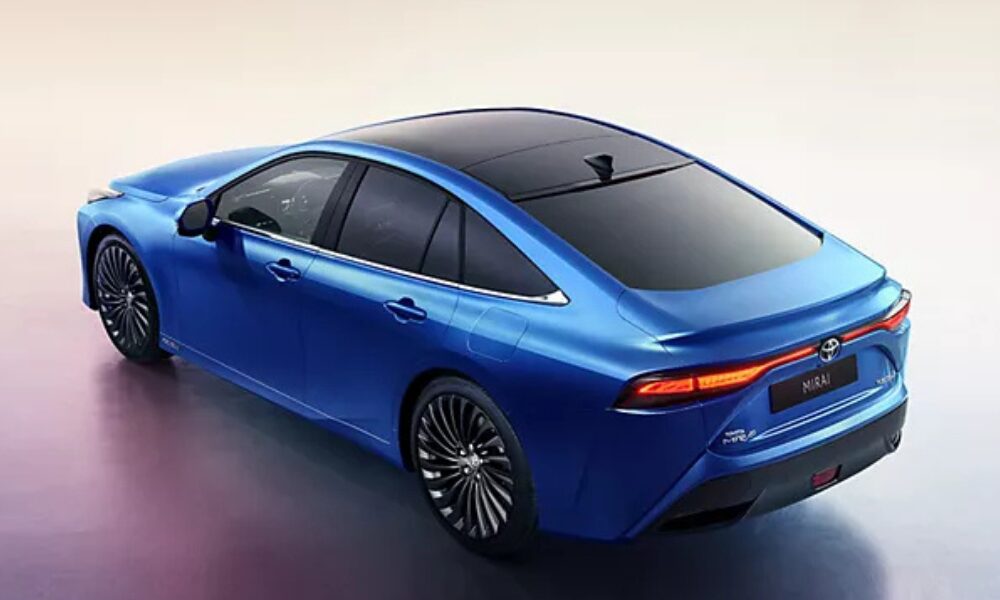
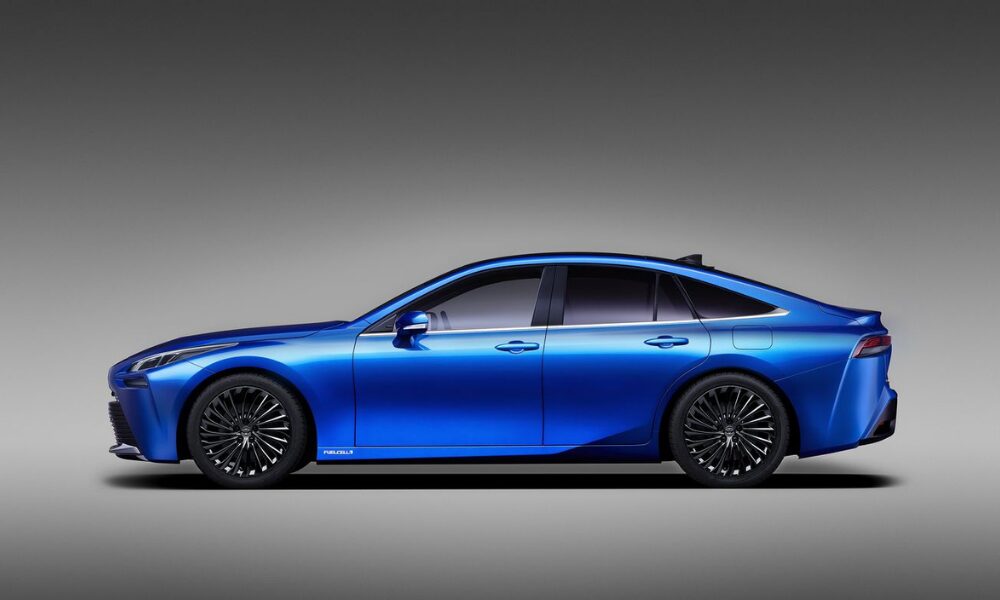
Visually, Toyota has refined the Mirai into something more balanced and mature. The design is far less polarising than before; its silhouette flows with purpose, giving the sedan a quiet sophistication. The sleek roofline, stretched proportions, and crisp LED accents lend it presence without flashiness. It isn’t conventionally beautiful, but it commands respect through proportion and subtlety. This time, Toyota has found elegance in restraint, a trait that suits the Mirai’s calm personality perfectly.
Still, for all its charm, the Mirai remains tethered to a problem beyond its control: the absence of a widespread hydrogen infrastructure. No matter how smooth or composed it is, most buyers will find the idea of hunting for a hydrogen station less appealing than simply charging an EV at home. The Mirai is a vision of the future, but that future hasn’t quite arrived.
2025 Toyota Mirai trim level differences
For 2025, Toyota simplifies the Mirai lineup dramatically. The once multi-trim range now exists as a single, well-equipped XLE model. This hydrogen-powered sedan uses a fuel cell stack that generates electricity for an electric motor delivering 182 horsepower and 221 lb-ft of torque to the rear wheels. Power is stored in a compact battery, and hydrogen is housed in three carbon fibre-reinforced tanks that together hold 5.6 kilograms of compressed hydrogen gas.
This streamlined setup keeps the Mirai consistent and easier to manage, allowing Toyota to focus on refinement and reliability rather than trim complexity. Every XLE comes generously equipped, making it less about choosing options and more about enjoying the complete package as intended.
Which Mirai trim does recommend?
With only one trim available, there’s no confusion about which Mirai to choose. The XLE is the one and only configuration for 2025. It already includes all the features that mattered most in the discontinued Limited version, from premium materials to advanced safety technology. There are no optional packages, and the only decision left for buyers is cosmetic.
Toyota’s colour palette remains understated, but for those wanting to inject a little individuality into this futuristic sedan, Supersonic Red stands out as the boldest and most striking option. It gives the Mirai’s elegant silhouette a subtle but welcome spark of character, a splash of emotion in a car defined by composure.
In the end, the 2025 Toyota Mirai isn’t about speed, spectacle, or status. It’s about refinement, innovation, and quiet confidence, a car that shows how progress sometimes whispers rather than roars.
FAQ
How good is the 2025 Mirai overall?
Toyota’s hydrogen sedan stands out as a showcase of quiet innovation. The 2025 Mirai combines the refinement of a premium cruiser with the serenity of an EV, earning a 7.2/10 expert rating and an average 3 out of 5 stars from verified owners. Its calm, vibration-free drive and solid build quality consistently impress, but its usefulness is limited by one stubborn fact: hydrogen stations are few and far between. The 9.6-cubic-foot trunk also restricts practicality, yet for those who value engineering elegance over cargo space, the Mirai delivers a remarkably polished experience.
What’s new for 2025?
This year, Toyota trims the lineup to focus on simplicity and consistency. The Limited trim has been dropped, leaving the XLE as the sole configuration. That might sound limiting, but it actually sharpens the Mirai’s identity: one powertrain, one mission, executed with precision. The 2025 model continues the second-generation platform introduced in 2021, with its sleek rear-wheel-drive setup and advanced hydrogen fuel cell system that silently produces electricity. Toyota’s changes are subtle but intentional, refining a car that already feels ahead of its time.
Can the Mirai be trusted for long-term reliability?
In a word: yes. The Mirai carries Toyota’s signature reliability, built around components engineered to last. The hydrogen fuel cell system has proven robust through years of testing, and owners report minimal mechanical concerns. Most frustrations stem not from the car but from the infrastructure around it. Maintenance is straightforward, backed by Toyota’s three-year complimentary service plan. In everyday use, the Mirai feels solid, dependable, and surprisingly conventional, which might be its greatest strength.
How does the Mirai perform in the real world?
Behind the wheel, the 2025 Mirai is more about grace than excitement. Its 182-horsepower motor and 221 lb-ft of torque offer smooth, uninterrupted power through a single-speed transmission. Rear-wheel drive keeps it balanced and composed, especially in city traffic or highway cruising. Drivers often compare it to Lexus-like refinement, not sporty, but confident and effortless. What limits the experience isn’t the driving, but the journey to find a fueling station. Within California, it’s a pleasure. Beyond it, it’s an exercise in planning.
What’s the price of entry?
The 2025 Toyota Mirai XLE starts at $51,795 (including destination fees). While that price places it in luxury territory, Toyota softens the blow with generous incentives: $15,000 in complimentary hydrogen fuel, three years or 35,000 miles of free maintenance, and 21 days of free rental cars for longer trips outside hydrogen zones. For those within the refuelling network, that’s a lot of value wrapped in a zero-emission package.
Which version of the Mirai should I choose?
There’s no longer a complex lineup to navigate; the XLE Hydrogen Fuel Cell Sedan is the only choice, and it’s comprehensively equipped. It houses three carbon fibre-reinforced tanks capable of storing 5.6 kilograms of hydrogen, offering an EPA-estimated 402-mile range. The cabin is filled with premium materials, a large infotainment display, and Toyota’s full suite of driver-assist systems. Choosing a colour might be the hardest decision. For a bold touch, Supersonic Red adds just enough flair to stand out without compromising the Mirai’s understated sophistication.
If you’re interested in the 2025 Toyota Mirai and Toyota’s approach to future mobility, check out these other in-depth reviews on Cardrav:
- 2026 Toyota Corolla Cross XSE Review
– A compact SUV blending practicality with sporty design and hybrid efficiency. - Toyota Sienna 2023 Review
– A family-focused minivan that redefines comfort and hybrid versatility. - 2022 Toyota 4Runner Review
– Rugged, capable, and built for adventure with Toyota’s signature durability. - 2022 Toyota GR Supra Coupe Review
– Performance unleashed in a bold two-seater designed for pure driving passion. - 2023 Toyota Camry Review
– The midsize sedan benchmark that keeps evolving with style and substance. - 2023 Toyota Venza Review
– Sleek design meets hybrid sophistication in Toyota’s modern crossover. - 2024 Toyota Grand Highlander Review
– A spacious and premium three-row SUV crafted for comfort and capability.
Final Word
The 2025 Toyota Mirai is a marvel of calm technology, a car that whispers the future instead of shouting it. For Californians within hydrogen reach, it’s one of the most unique and rewarding vehicles money can buy. For everyone else, it remains a brilliant glimpse into what tomorrow’s roads could look like when innovation finally meets infrastructure.