

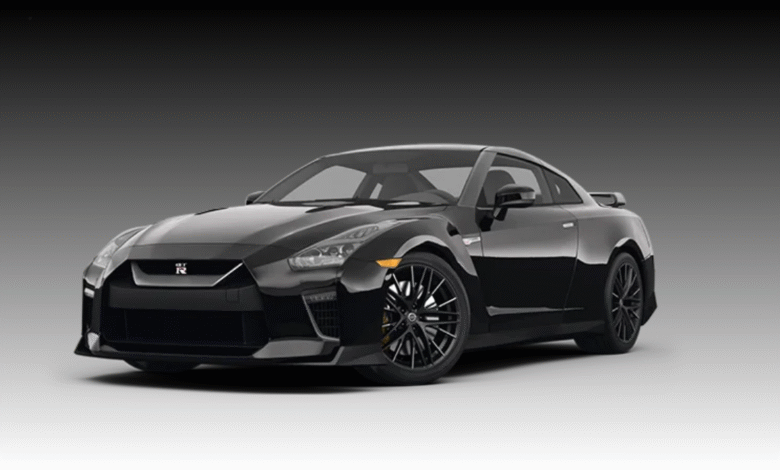
The Nissan GT-R R36 has been surrounded by rumors for years, but a new report from Japan suggests the next generation may take a surprisingly traditional route. Instead of replacing the current GT-R with a hybrid or fully electric successor, Nissan could keep the next-generation model powered entirely by an internal combustion engine.
According to Japanese publication Best Car, the upcoming R36 will not be an all-new car from the ground up. Instead, Nissan is expected to take the existing Nissan GT-R R35 and evolve it into a heavily updated new model.
Why Nissan May Keep the R35 Platform
That may sound disappointing at first, but it is a strategy many automakers are using today. Developing a completely new platform for a low-volume performance car is extremely expensive, so many brands choose to refine what already works. Models such as the Subaru BRZ, Dodge Charger, and Lexus IS have all survived by relying on major updates rather than complete redesigns.
For a long time, insiders believed the GT-R’s future would include some form of electrification. Former GT-R chief engineer Kazutoshi Mizuno was reportedly developing a mild-hybrid version of the GT-R before leaving Nissan. After his departure, the project appears to have slowed significantly, leaving Nissan with a different decision to make.
Instead of waiting years for an entirely new hybrid GT-R, Nissan may continue directly from the current R35 and introduce the R36 with a gasoline engine first. If that happens, there may be no long break between generations, unlike the gap that separated the legendary Nissan Skyline GT-R R34 from the R35.
Nissan’s EV Lineup Gives the GT-R More Freedom
A gasoline-only GT-R may still make sense for Nissan. The company already has a strong presence in the electric and hybrid market thanks to vehicles like the Nissan Leaf and the Nissan Ariya. Those vehicles help reduce Nissan’s average fleet emissions, which may give the company enough breathing room to continue offering a high-performance, gasoline-powered halo car.
That does not mean the GT-R will stay gasoline-only forever. If the R36 lives as long as the R35, which has been on sale since 2007, Nissan will almost certainly continue to update it over time. A hybrid version or some type of electrified performance model could still appear later in the car’s life cycle.
The Current GT-R Is Still Surprisingly Competitive
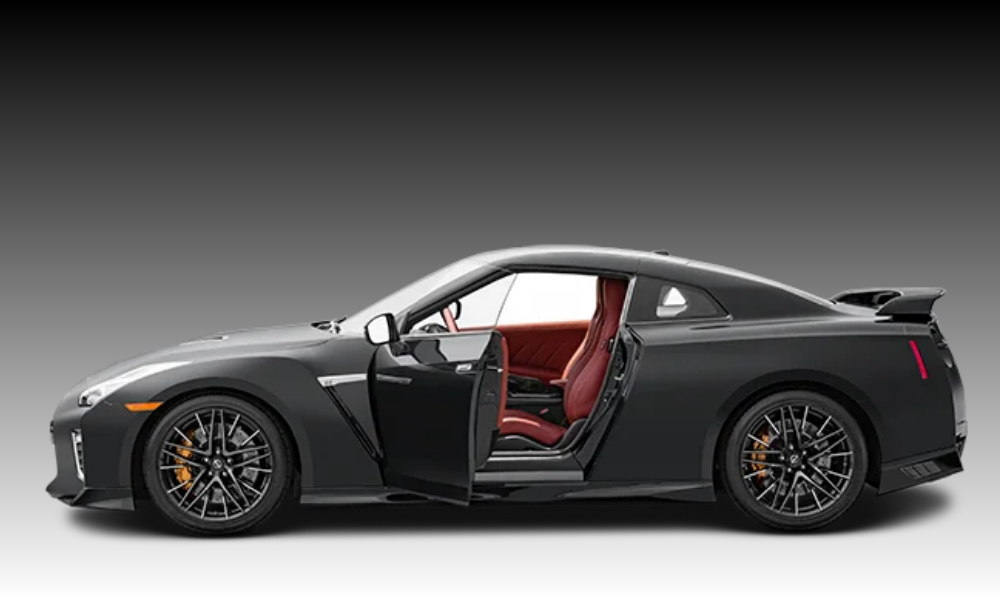
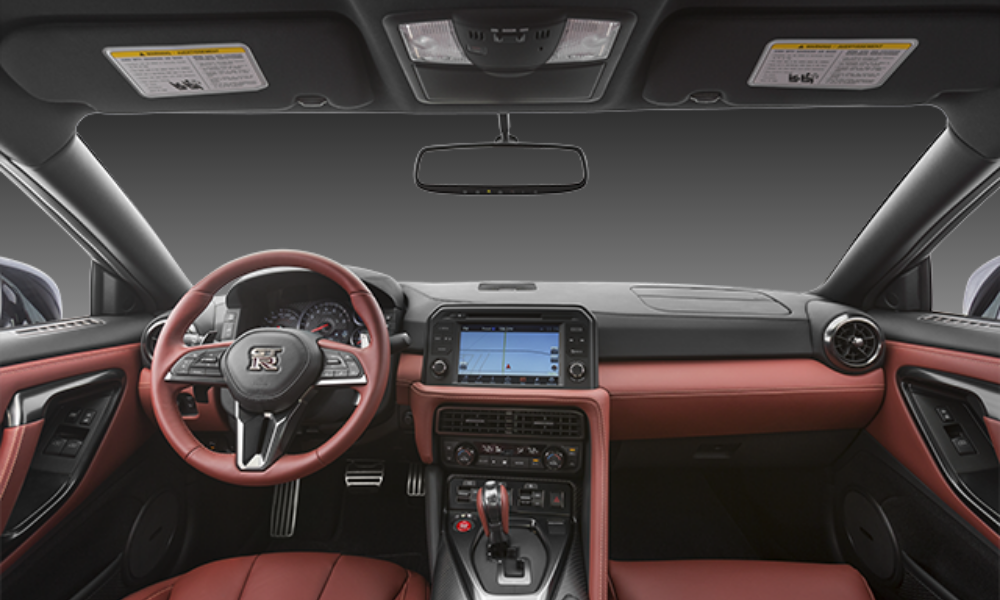
The current GT-R remains an impressive machine, even after nearly two decades on the market. In its most powerful form, the car produces 600 horsepower and 481 lb-ft of torque from its twin-turbocharged V6 engine. Those numbers still allow the GT-R to compete with much newer sports cars, especially when combined with its advanced all-wheel-drive system and rapid dual-clutch transmission.
Reimagining The Nissan GT-R R36
As for styling, many enthusiasts and digital artists have already begun imagining what the R36 might look like. One of the most talked-about renderings comes from Bimble Designs, which combines the aggressive proportions of the GT-R with design cues from the new Nissan Z.
The result is a car that still looks unmistakably like a GT-R, but with sharper details and a more modern appearance. The render features a larger front grille, slimmer headlights, deeper air intakes, and a more sculpted front bumper. The design appears lower, wider, and more aggressive than the current car, while still retaining the GT-R’s familiar proportions.
The Rear Design Keeps The GT-R Spirit Alive
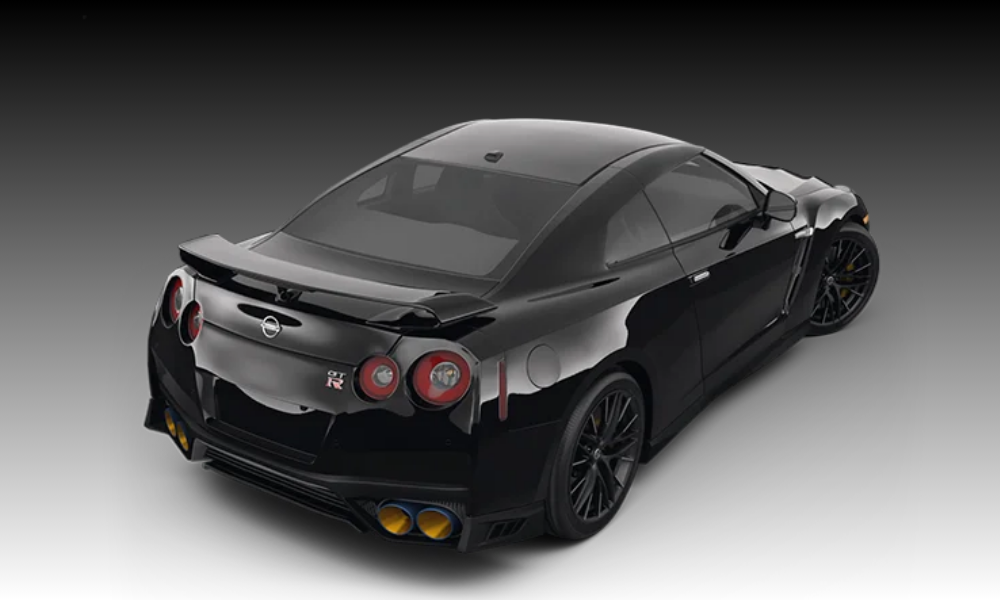
The rear of the rendering keeps one of the GT-R’s most iconic elements: the four circular taillights. No matter how much the GT-R changes, it is difficult to imagine Nissan abandoning that signature look. The render also includes quad exhaust outlets, an aggressive diffuser, and strong body lines that make the car look every bit as brutal as fans expect.
The front fenders are especially striking, with large vents carved into the wheel arches to improve cooling and add a more muscular appearance. Combined with the wider stance and angular surfaces, the entire design gives the impression of a car that is more focused and more serious than ever.
Nissan Has A Difficult Job Ahead
Nissan faces a difficult challenge with the R36. The company must modernize the GT-R enough to keep up with today’s sports cars while preserving the raw personality that made the GT-R famous in the first place.
The Nissan Skyline GT-R R34 became a legend because it felt mechanical, aggressive, and slightly unruly. The Nissan GT-R R35 took that formula and turned it into a high-tech monster. The R36 now has the difficult task of combining both worlds.
If Nissan succeeds, the next GT-R could become one of the most exciting Japanese performance cars of the decade, a machine that honors its past without becoming trapped by it.
Final Thoughts
The Nissan GT-R R36 may not arrive with the hybrid technology many people expected, but that could end up being exactly what enthusiasts want. A refined, gasoline-powered successor built on the strengths of the current GT-R would allow Nissan to preserve the character that made the car famous in the first place.
If Nissan can combine the raw spirit of the Nissan Skyline GT-R R34 with the speed and technology of the Nissan GT-R R35, the R36 could become more than just another new sports car. It could become the next chapter in one of Japan’s greatest automotive legends.
For now, the wait continues. But if the rumors are true, the next GT-R may prove that in a world rushing toward electrification, there is still room for a machine powered by gasoline, noise, and pure attitude.