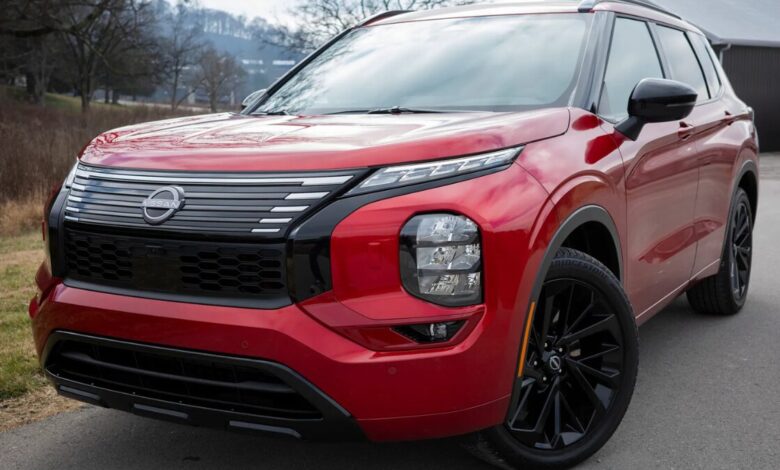
2026 Nissan Rogue Plug enters one of the most fiercely contested segments in today’s automotive market, where compact SUVs must now balance electrification with everyday usability. Buyers no longer want efficiency alone, they want flexibility, usable electric range, real world comfort, and a price point that still makes sense for a daily family vehicle. Nissan found itself in a difficult position here. While rivals moved quickly with hybrid and plug in hybrid solutions, the Rogue, one of Nissan’s most important nameplates, was left without an electrified option capable of meeting tightening emissions rules and evolving buyer expectations. The answer arrived faster than anyone expected, and it came from an unexpected place.
The 2026 Nissan Rogue Plug exists because time was not on Nissan’s side. Rather than waiting for its next-generation hybrid technology to be ready, the company made a pragmatic decision to lean on its long-standing alliance with Mitsubishi. The result is a plug-in hybrid Rogue that shares far more with the Mitsubishi Outlander PHEV than Nissan would typically admit, from its core powertrain architecture to its platform and even some interior details. This is not a ground-up Nissan hybrid, but a strategic stopgap designed to fill a crucial gap in the lineup.
That approach immediately raises questions. Can a vehicle developed under such circumstances feel cohesive? Does borrowing proven hardware outweigh concerns about brand identity? And perhaps most importantly, does this solution actually deliver what Rogue buyers care about most, efficiency, comfort, and everyday usability, without pushing the price too far out of reach?
On paper, the idea makes sense. Plug-in hybrids offer a compelling middle ground for drivers who want electric driving for short commutes without the anxiety of full EV ownership. For suburban families, the ability to run errands on electricity during the week while retaining long-distance flexibility remains highly attractive. Nissan clearly understands this, and the Rogue Plug-In Hybrid is positioned to capitalize on that demand while the brand prepares its next major electrification step.
However, being a solution born of urgency also means expectations must be realistic. This model was never intended to redefine the segment or introduce bold new technology. Instead, it aims to be competent, familiar, and good enough to hold Nissan’s position until its next chapter begins. Whether that restraint works in its favor, or leaves it vulnerable in a market full of strong hybrid alternatives, is the real story behind this vehicle.
This first drive takes a close look at how the Rogue Plug-In Hybrid performs in the real world, how well its Mitsubishi-derived foundation translates into a Nissan product, and whether this interim solution feels like a smart move or merely a temporary compromise.
Pros
- Strong low-end torque with quick electric response from the 2026 Nissan Rogue Plug
- Usable electric-only range for daily commuting and short trips
- Standard all-wheel drive with multiple terrain modes
- Smooth, comfort-focused ride quality
- Optional third-row seating adds flexibility
- Proven plug-in hybrid system with predictable performance
Cons
- Fuel economy in hybrid mode is weaker than key rivals
- Charging time is long compared to newer plug-in systems
- Cabin design and materials feel dated in some areas
- Third-row seating is tight and only suitable for short trips
- Electric motor noise can be noticeable under acceleration on the 2026 Nissan Rogue Plug
What’s New
- Introduction of a plug in hybrid variant for the Rogue lineup with the 2026 Nissan Rogue Plug
- New dual motor electrified powertrain with a larger battery
- Ability to drive on electric power for short daily trips
- Subtle exterior and trim updates to distinguish the plug in model
- Added energy displays and drive modes for hybrid operation
- Positioned as a transitional model ahead of Nissan’s next generation hybrid technology
Overview of the 2026 Nissan Rogue Plug-In Hybrid
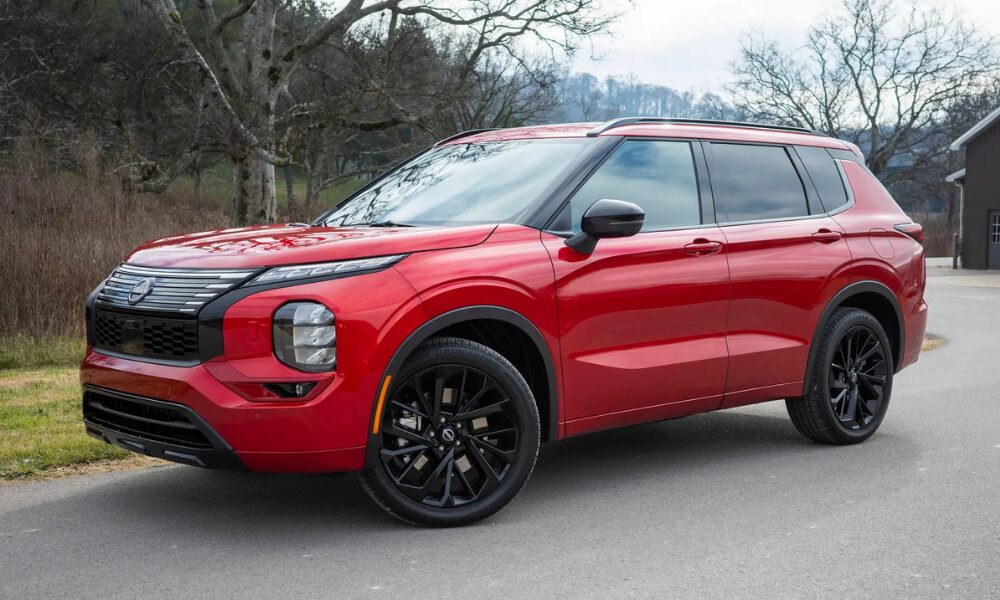
At a glance, the Rogue Plug In Hybrid looks like a familiar extension of Nissan’s best selling compact SUV, but underneath that familiarity lies a very different mission. This model is not designed to push boundaries or redefine expectations in the segment. Instead, it exists to answer a very specific problem Nissan has faced in recent years, the absence of an electrified Rogue that can compete while the brand prepares its next generation hybrid technology.
From a positioning standpoint, the 2026 Nissan Rogue Plug sits in a unique middle ground. It offers more flexibility than a traditional hybrid thanks to its ability to operate on electric power alone for short distances, yet it avoids the commitment and infrastructure demands of a full electric vehicle. For buyers who want to experiment with electrification without fully changing their lifestyle, this balance is likely to be the model’s biggest appeal.
The driving experience reflects this pragmatic approach. Power delivery is smooth and predictable, prioritizing ease of use rather than excitement. Around town, the electric motors handle most low speed situations comfortably, while the gasoline engine steps in quietly when needed. On the highway, the system feels composed and stable, reinforcing the Rogue’s reputation as a relaxed and confidence inspiring daily driver.
Inside, the cabin reinforces the same theme. Space, visibility, and comfort take precedence over bold design statements. Everything feels logically arranged and easy to operate, which will resonate with long time Rogue owners. While some interior elements may not feel cutting edge, the overall environment is calm and functional, aligning well with the vehicle’s family focused role.
Viewed as a complete package, this plug in hybrid Rogue is best understood as a transitional model. It does not try to lead the segment, but it also avoids major compromises. Its value lies in offering a sensible electrified option that feels familiar, usable, and refined enough to hold Nissan’s ground until its more advanced hybrid systems arrive.
Competitors to Consider
In a segment crowded with electrified compact SUVs, the Rogue Plug In Hybrid enters a space where buyers already have several compelling alternatives. Understanding where it stands requires looking closely at what rivals do better, and where Nissan’s approach still makes sense.
One of the most obvious competitors comes from Honda. The CR V Hybrid focuses less on plug in capability and more on excellent fuel efficiency in everyday driving. It does not offer electric only operation, but its consistently strong real world mileage and refined driving manners make it a strong option for buyers who value simplicity over charging flexibility. For many households, that tradeoff alone can be enough to sway a decision.
Toyota also looms large in this category. The RAV4 Plug In Hybrid pushes performance and efficiency further, offering noticeably more power along with a similar electric driving concept. It feels more ambitious and more complete as a plug in package, though that advantage often comes with a higher price and limited availability. Buyers comparing it to the 2026 Nissan Rogue Plug will likely see a contrast between bold execution and a more conservative, comfort driven alternative.
Hyundai’s Tucson Plug In Hybrid takes a different approach by pairing competitive electric range with strong fuel economy once the battery is depleted. Its modern interior design and tech focused presentation give it an edge for buyers who prioritize screens, interfaces, and visual impact. It feels younger and more expressive, though not necessarily more comfortable on longer drives.
Mazda’s CX 50 Hybrid, while not a plug in, deserves mention for its interior quality and driving balance. It lacks electric only capability but counters with a premium feel and confident road manners that appeal to drivers who value engagement over efficiency metrics.
Against this backdrop, Nissan’s entry feels measured rather than aggressive. It does not dominate any single category, but it also avoids extreme compromises. That positioning will appeal to buyers who prioritize familiarity, comfort, and a gentle introduction to electrification rather than maximum numbers or standout performance.
If you’re exploring more options across the 2025 and 2026 model years, there’s a wide selection of detailed reviews that might catch your attention. You can start with the performance-focused 2026 Acura MDX Type S or take a closer look at the stylish and practical 2025 Nissan Kicks. EV shoppers will appreciate in-depth coverage of models like 2025 Audi A6 Sportback e-tron, 2026 Tesla Model Y, and the compact electric newcomer 2026 Kia EV3.
For drivers seeking dependable everyday comfort, strong choices such as 2026 Honda Civic Sedan, (2025 Mitsubishi Outlander PHEV, and the refined 2026 Toyota RAV4 offer plenty to consider. Luxury enthusiasts can explore the craftsmanship behind 2025 Lexus RX, while those craving performance might gravitate toward the athletic 2026 BMW X6 M.
Additional highlights include the forward-thinking 2026 Toyota bZ, the value-friendly 2025 Chevrolet Trax, and the versatile 2026 Kia Telluride with its full trim breakdown. European-inspired options appear through models like 2025 Vauxhall Frontera Hybrid and the sophisticated 2025 Audi A3. You’ll also find unique perspectives on vehicles such as 2025 Vinfast VF 9, the compact-luxury 2025 Acura ADX, and the hydrogen-powered 2025 Toyota Mirai Altogether, this collection offers a broad look at what today’s market has to offer, helping you discover the right fit for your driving needs.
Driving Experience of the 2026 Nissan Rogue Plug-In Hybrid
Behind the wheel, the Rogue Plug In Hybrid immediately reveals what kind of vehicle it wants to be. This is not a compact SUV chasing sporty credentials or aggressive character. Instead, the focus is clearly on smoothness, predictability, and ease of use, qualities that have long defined the Rogue nameplate and continue here in electrified form.
In everyday driving, the 2026 Nissan Rogue Plug feels calm and cooperative. Pulling away from a stop, the electric motors deliver instant torque, giving the SUV a confident and surprisingly responsive feel at low speeds. Around town, this electric assist does most of the work, allowing the vehicle to glide through traffic with minimal effort and very little noise, especially when operating in electric mode.
As speeds increase, the transition between electric power and the gasoline engine is generally unobtrusive. The system prioritizes smooth blending rather than sharp bursts of acceleration, which suits the Rogue’s comfort oriented personality. Highway cruising is relaxed, with the powertrain settling into a steady rhythm that avoids unnecessary drama or harshness.
The steering is light and easy to manage, reinforcing the sense that this vehicle is designed for commuting and long daily drives rather than spirited corner carving. Body motions are well controlled, and the suspension absorbs rough pavement without feeling overly soft or disconnected. It strikes a balance that favors passenger comfort while still feeling composed and stable.
One notable feature is the availability of regenerative driving modes that allow for stronger deceleration when lifting off the accelerator. This makes stop and go traffic less tiring and helps maximize energy recovery, though it may take some time for new plug in drivers to fully adapt to the sensation.
the driving experience reflects the vehicle’s broader mission. It is approachable, refined, and unintimidating. Rather than trying to impress with performance figures, it focuses on delivering a relaxed and confidence inspiring drive that aligns well with the expectations of mainstream compact SUV buyers.
Comfort
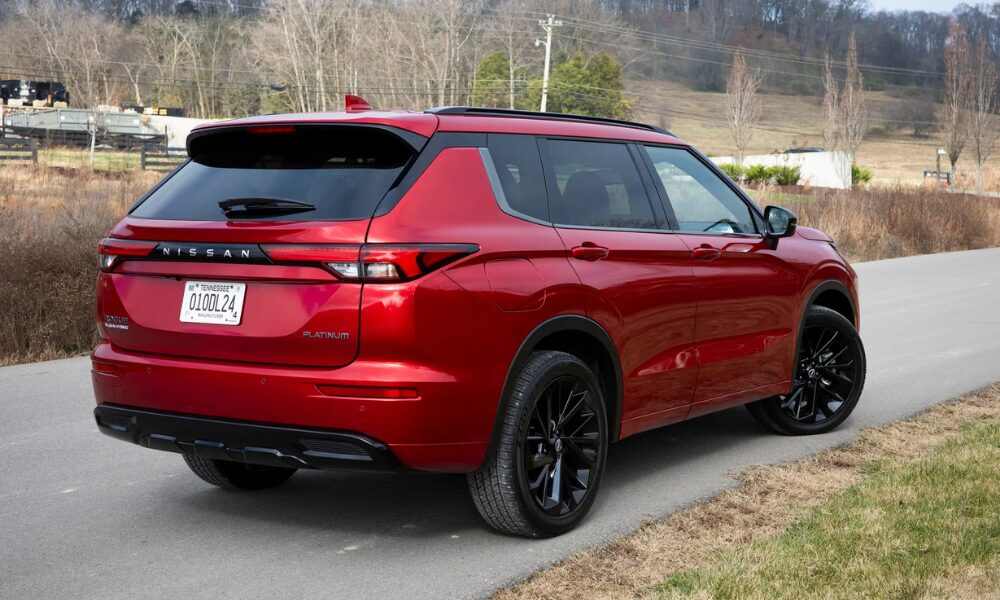
Comfort has always been a defining trait of the Rogue lineup, and that focus carries over clearly into the plug in hybrid version. From the moment you settle into the driver’s seat, the cabin communicates a sense of ease rather than excitement, which aligns well with the expectations of buyers looking for a relaxed daily companion rather than a performance focused crossover.
Ride quality is one of the strongest aspects of the 2026 Nissan Rogue Plug. The suspension is tuned to absorb uneven pavement, expansion joints, and rough city roads without transmitting harshness into the cabin. Whether navigating urban streets or cruising at highway speeds, the vehicle maintains a composed and settled demeanor that helps reduce fatigue on longer trips.
Seat comfort plays a major role here as well. The front seats provide good support for extended drives, with cushioning that balances softness and structure. While they are not aggressively bolstered, that choice actually benefits comfort, especially for drivers who spend hours behind the wheel. Rear passengers also benefit from generous headroom and legroom for the segment, making the second row a pleasant place to spend time.
Noise isolation further reinforces the comfort oriented character. At low speeds, electric operation keeps things notably quiet, and even when the gasoline engine is engaged, the cabin remains well insulated from road and wind noise. Some drivetrain sounds can still make their way inside under heavier acceleration, but they rarely disrupt the overall calm atmosphere.
Climate control and ride stability round out the experience. The system maintains consistent cabin temperatures, and the vehicle’s predictable handling inspires confidence without requiring constant correction. Taken together, the Rogue Plug In Hybrid delivers a comfort level that feels purpose built for everyday use, making it easy to live with regardless of traffic conditions or trip length.
Interior
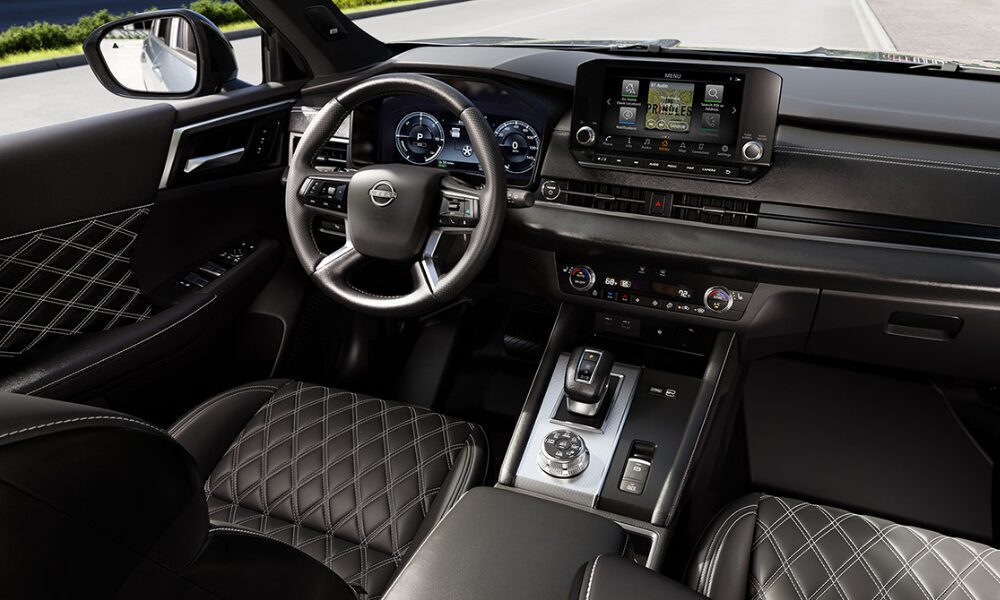
The interior of the Rogue Plug In Hybrid reflects a clear emphasis on functionality and familiarity rather than bold experimentation. Everything is laid out in a way that feels immediately approachable, especially for drivers coming from previous Rogue models. Controls are logically placed, sightlines are open, and the overall design favors ease of use over visual drama.
Material quality is solid without trying to appear overly luxurious. Soft touch surfaces are present where they matter most, while harder plastics are kept to lower contact areas. In higher trims, seat upholstery and door inserts add a subtle sense of refinement, though the cabin still prioritizes durability and comfort over flash. Within this environment, the 2026 Nissan Rogue Plug feels intentionally restrained, aiming to satisfy everyday needs rather than impress at first glance.
The seating position is upright and comfortable, offering good visibility in all directions. This contributes to a confident driving experience, especially in urban settings where awareness and maneuverability matter. The second row mirrors this approach, providing ample space and a relaxed seating angle that suits both short commutes and longer journeys.
Practicality is a consistent theme throughout the cabin. Storage compartments are well sized, cupholders are thoughtfully placed, and the center console offers enough space to handle daily essentials without clutter. Even with the added hybrid hardware, interior usability remains largely unaffected, which is an important consideration for families.
the interior does not try to redefine expectations for the segment. Instead, it delivers a calm, functional space that supports the vehicle’s broader mission as a comfortable and dependable plug in hybrid SUV. It may not stand out visually, but it succeeds in creating an environment that feels easy to live with day after day.
In-cabin Tech
Technology inside the Rogue Plug In Hybrid is designed to support daily driving rather than overwhelm the driver with complexity. The focus is on clarity, ease of access, and features that integrate naturally into the driving experience, especially for those new to electrified vehicles.
The central infotainment system handles navigation, media, and vehicle settings with a straightforward interface. Menus are easy to understand, response times are generally smooth, and the layout avoids unnecessary layers. While the system does not push cutting edge visuals, it succeeds in being intuitive and dependable. Within this setup, the 2026 Nissan Rogue Plug feels more concerned with usability than visual impact.
A key addition in the plug in hybrid model is the expanded energy information display. Drivers can monitor battery charge, energy flow, and regenerative braking activity in real time, which helps build confidence in managing electric driving. These screens are especially useful for maximizing efficiency during short trips and understanding when the vehicle is relying on electric power versus the gasoline engine.
Driver assistance technologies are integrated seamlessly into the cabin experience. Features such as adaptive cruise control, lane keeping support, and forward collision alerts operate in the background, offering support without constant intrusion. Alerts are clear and well timed, reinforcing safety without becoming distracting.
Connectivity options further enhance the experience. Smartphone integration allows quick access to navigation apps, calls, and media, reducing the need to interact directly with the vehicle’s native systems. Together, these tech elements create an environment that feels modern enough for current expectations while remaining accessible and stress free for everyday use.
Storage
Storage and cargo flexibility play an important role in the appeal of the Rogue Plug In Hybrid, especially for families who rely on their SUV for daily errands as much as for longer trips. Despite the added complexity of a plug in hybrid system, the vehicle manages to retain a practical and usable cargo layout that stays true to the Rogue’s reputation for everyday versatility.
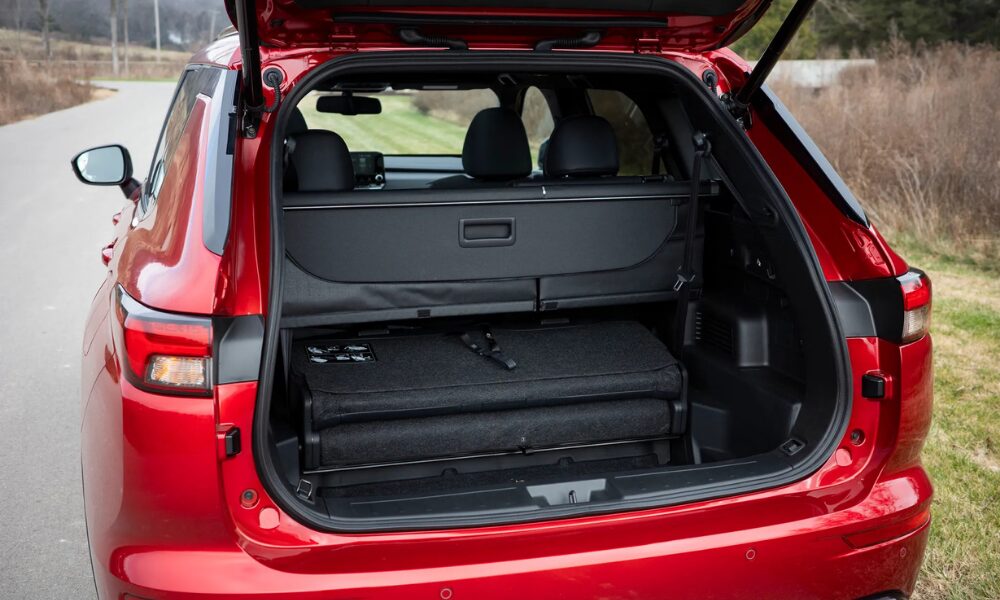
Behind the second row, the cargo area offers enough space to comfortably handle groceries, strollers, or luggage for a weekend getaway. The load floor is low and wide, making it easy to slide heavier items in and out without awkward lifting. Even with the battery hardware positioned beneath the floor, Nissan has done a respectable job of minimizing intrusion into usable space, allowing the 2026 Nissan Rogue Plug to remain competitive within its class.
The rear seats fold down easily, creating a flatter and more expansive cargo surface when additional room is needed. This flexibility makes it simple to adapt the interior for larger items such as furniture, bicycles, or home improvement supplies. While the presence of an optional third row does reduce cargo capacity when all seats are in use, that tradeoff is expected and easily managed by folding the rear-most seats when they are not needed.
Smaller storage solutions throughout the cabin further enhance usability. The center console provides generous space for personal items, while door pockets and cupholders are sized to accommodate everyday essentials. Thoughtful touches, such as easily accessible compartments and well placed hooks, help keep the cabin organized during busy routines.
the storage experience feels carefully considered rather than compromised. It reinforces the idea that this plug in hybrid is meant to function as a true family vehicle, capable of adapting to changing needs without sacrificing convenience or practicality.
MPG and Efficiency of the 2026 Nissan Rogue Plug-In Hybrid
Efficiency is one of the main reasons buyers consider a plug in hybrid in the first place, and the Rogue Plug In Hybrid approaches this goal with a focus on flexibility rather than outright class leading numbers. Its strength lies in how it allows drivers to tailor fuel use based on their daily routines, especially when electric driving is used strategically.
When operating in electric mode, short trips can be completed without consuming any fuel at all, which can significantly reduce overall fuel costs for drivers who charge regularly at home. This is where the 2026 Nissan Rogue Plug delivers its greatest efficiency advantage, particularly for urban commuting, school runs, and local errands that fall within its electric range.
Once the battery is depleted and the vehicle transitions to hybrid operation, fuel economy becomes more average for the segment. The gasoline engine and electric motors work together smoothly, but the system prioritizes drivability and consistency over squeezing out every last mile per gallon. On longer highway drives, this results in respectable but not standout efficiency compared to some non plug in hybrid rivals.
Charging habits play a major role in real world results. Owners who make frequent use of overnight charging will see far better efficiency figures than those who rely primarily on the gasoline engine. In that sense, the Rogue Plug In Hybrid rewards engagement and planning, rather than delivering peak efficiency automatically.
Viewed as a whole, the MPG story is less about headline numbers and more about usage patterns. It offers meaningful fuel savings for the right type of driver, while still maintaining the freedom to travel long distances without concern for charging infrastructure. This balanced approach may not impress on paper, but it can make a noticeable difference in everyday ownership.
Value and Ownership Costs of the 2026 Nissan Rogue Plug-In Hybrid
Evaluating the value of the Rogue Plug In Hybrid requires looking beyond the sticker price and focusing on what the vehicle delivers over the course of ownership. This is not a model that competes purely on low entry cost or headline performance figures. Instead, its value proposition is built around versatility, familiarity, and the ability to reduce fuel usage without forcing a dramatic lifestyle change.
From a day to day perspective, the ability to drive on electric power for short trips can translate into real savings, particularly for owners who charge regularly at home. Reduced fuel consumption, fewer trips to the gas station, and quieter daily operation all contribute to a sense of efficiency that extends beyond simple MPG ratings. For many households, those cumulative benefits are where the 2026 Nissan Rogue Plug begins to justify its position in the market.
Maintenance and long term ownership also factor into the equation. The plug in hybrid system is based on proven hardware rather than an experimental setup, which helps reduce uncertainty for buyers concerned about reliability. Combined with the Rogue’s established reputation for ease of ownership, this creates a sense of predictability that adds intangible value, especially for families planning to keep the vehicle for several years.
That said, value becomes more complicated when compared to competitors. Some rivals offer better fuel economy without requiring charging, while others deliver stronger performance or more upscale interiors at similar price points. This means the Rogue Plug In Hybrid does not automatically present itself as the obvious bargain in the segment. Its appeal depends heavily on how much the buyer prioritizes electric driving capability versus traditional hybrid efficiency or premium feel.
the value story is situational. For drivers who can take advantage of plug in charging and who appreciate the Rogue’s comfort focused character, the package can make sense as a balanced and practical choice. For others, the numbers alone may not be as persuasive. In that way, the Rogue Plug In Hybrid offers solid value when its strengths align with the owner’s habits, rather than trying to win purely on cost or specifications.
Wildcard
What makes the Rogue Plug In Hybrid particularly interesting is not a single feature or specification, but the unusual role it plays within Nissan’s broader strategy. This vehicle feels less like a permanent fixture and more like a carefully timed move, designed to bridge a critical gap while the brand prepares for its next phase of electrification. That context gives it a unique identity that sets it apart from many of its competitors.
The 2026 Nissan Rogue Plug is, in many ways, a product of collaboration rather than pure in house development. While that might raise questions for some buyers, it also works in the vehicle’s favor. By relying on an existing and proven plug in hybrid foundation, Nissan avoids the growing pains that often accompany first generation electrified models. For buyers who value stability over experimentation, this behind the scenes approach can be quietly reassuring.
Another wildcard element is how adaptable the vehicle can be depending on ownership habits. For drivers who charge consistently and drive mostly short distances, it can function almost like an electric vehicle during the week. For others who frequently travel long distances, it behaves like a conventional hybrid SUV without the stress of range limitations. That dual personality allows it to fit into a wide range of lifestyles without demanding compromise.
There is also an element of timing at play. If this model remains in the lineup only briefly, it may become a niche choice that appeals to buyers looking for something different within the Rogue family. If it sticks around longer, it could quietly build a following among those who appreciate its understated approach to electrification.
the wildcard factor is about context rather than content. This is a vehicle defined as much by when and why it exists as by how it drives. For the right buyer, that makes it more intriguing than its conservative exterior might suggest.
Trim Level Differences
Understanding the differences between trim levels is especially important with a plug in hybrid model, because the value equation can change significantly depending on equipment and features. With the Rogue Plug In Hybrid, Nissan positions the trims to gradually shift the experience from purely functional to more comfort and tech oriented, rather than dramatically altering performance.
The entry level trim focuses on delivering the core plug in hybrid experience without unnecessary extras. It includes the full electrified powertrain, all wheel drive, and essential safety features, making it the most accessible way to experience the 2026 Nissan Rogue Plug. This trim is likely to appeal to buyers who prioritize efficiency and practicality over luxury touches, particularly those who plan to use the vehicle primarily for commuting and family duties.
Moving up the range, mid level trims introduce meaningful comfort and convenience upgrades. These versions typically add improved upholstery, power adjustable seating, enhanced driver assistance systems, and additional infotainment features. The cabin begins to feel more refined, and the overall ownership experience becomes noticeably more pleasant, especially for drivers who spend long hours behind the wheel. These trims often represent the best balance between cost and everyday livability.
At the top of the lineup, the highest trim emphasizes premium comfort and design details. Leather seating, upgraded interior materials, advanced audio systems, and additional technology features create a more upscale environment. While performance remains unchanged, the driving experience feels quieter and more refined thanks to added insulation and higher quality finishes. This trim is aimed at buyers who want the benefits of a plug in hybrid without sacrificing a sense of luxury.
Across all trims, the core mechanical components remain consistent. There is no performance hierarchy here, which simplifies the decision making process. Instead of choosing based on power or capability, buyers can focus on how much comfort, technology, and refinement they want in their daily driving experience.
Which Trim Does CarDrav Recommend?
When evaluating the lineup as a whole, CarDrav believes the mid level trim presents the most compelling choice for most buyers. It strikes a thoughtful balance between price and features, delivering the plug in hybrid benefits without pushing the cost into territory where alternatives begin to look more attractive.
This trim offers enough comfort and technology to make daily driving genuinely enjoyable, while avoiding the premium pricing associated with the top specification. Features such as upgraded seating, expanded driver assistance, and improved infotainment support the vehicle’s role as a comfortable family SUV, without adding equipment that feels unnecessary or purely cosmetic.
For buyers who plan to keep the vehicle for several years, this middle ground trim also tends to hold its value better. It appeals to a broader audience in the used market, combining desirable features with manageable ownership costs. In the context of the 2026 Nissan Rogue Plug, that balance becomes especially important given its transitional nature within Nissan’s lineup.
That said, buyers with very specific priorities may still find reasons to choose differently. Those focused strictly on efficiency and budget may gravitate toward the base trim, while drivers who value interior refinement and premium touches may find the top trim worth the extra investment. CarDrav’s recommendation simply reflects where the overall package feels most complete and sensibly priced.
How we review cars
CarDrav reviews are created to help readers make confident buying decisions. Each article is structured around real shopper questions: pricing, trims, efficiency, practicality, comfort, technology, safety, and ownership value. We compile information from official manufacturer materials and independent automotive data providers, then explain what it means in everyday use. Any numbers you see such as range, fuel economy, acceleration, cargo volume, charging times, warranty coverage, incentives, or pricingcan vary by trim level, equipment, location, weather, driving style, and market conditions. We aim to keep our information current, but we encourage readers to confirm key details with a local dealer or the manufacturer before purchase.
Sources
We use publicly available information from reputable references, including:
- Manufacturer specifications and official press information
- EPA estimates for fuel economy and electric range (U.S. market)
- IIHS and NHTSA safety ratings when available
- Published road tests and technical references from established automotive outlets and databases
When a model year is new and some results are not yet published (for example, updated crash tests), we clearly state that the data is pending.